
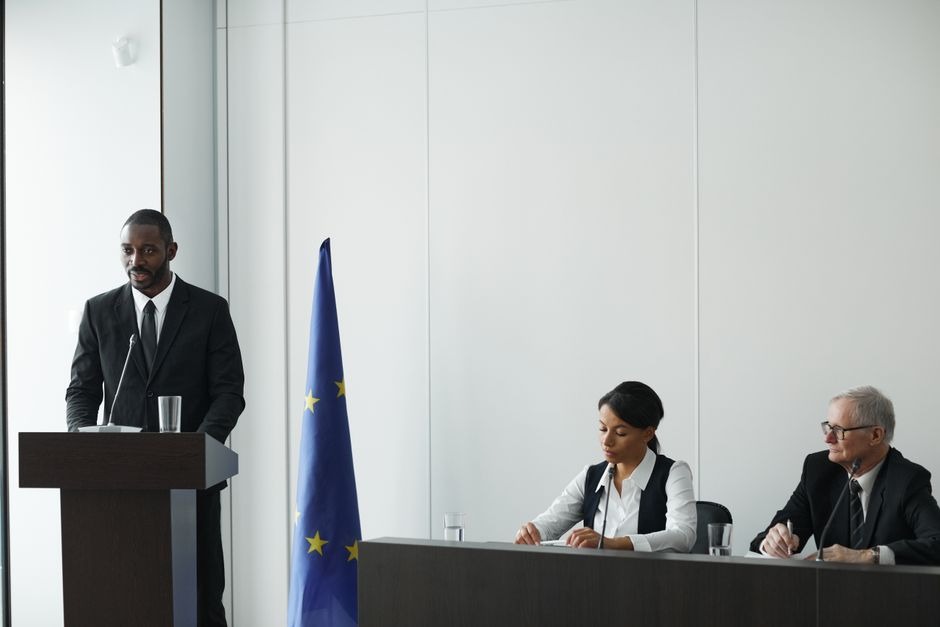
If you’re curious about diplomacy, global conflict, human rights, trade, or how countries negotiate instead of just arguing on camera, international relations can look pretty compelling. It also helps that the field connects classroom theory with very real events shaping daily life across borders. Whether you picture yourself in policy, business, nonprofit work, or public service, you’ll want a clear view of what this path involves before you commit your time, money, and energy.
What international relations really covers
International relations is broader than many students expect. You’re not just studying wars, treaties, and formal diplomacy. You’re also looking at economics, migration, environmental policy, cybersecurity, development, media influence, and the way global institutions shape decisions.
In practice, that means you might study why sanctions work in one case and fail in another, how climate agreements get negotiated, or how supply chains become political overnight. One week could focus on the United Nations, the next on regional power struggles in Asia, Europe, Africa, or Latin America.
The field rewards curiosity. If you already catch yourself wondering how one election affects another country’s market or why a conflict drags on for years, you’re already thinking in the right direction.
How graduate study can sharpen your direction
If you want more advanced roles, graduate school can make a real difference. It gives you deeper training in policy analysis, international law, negotiation, regional studies, and strategic communication. It can also help you build a clearer specialization instead of staying at the “interested in global stuff” stage forever.
For students looking at advanced options, a master in international relations and diplomacy can align well with careers involving negotiation, international institutions, political analysis, and cross-border leadership. Programs like that usually combine theory with applied coursework, which matters because employers rarely hire based on abstract passion alone.
A graduate degree won’t magically open every door. It works best when paired with internships, strong writing, language development, and a realistic understanding of the sectors you’re targeting.
Skills you build beyond memorizing world events
A solid international relations education isn’t about collecting headlines like trading cards. It’s about learning how to analyze them. You build research skills, policy writing ability, argument structure, cross-cultural awareness, and the habit of spotting patterns in messy situations.
You’ll often read dense material, compare competing viewpoints, and write clearly under pressure. That matters because many careers tied to this field involve briefing decision-makers who have about two minutes and very little patience. Precision becomes a survival skill.
You also learn to separate opinion from evidence. That sounds obvious until you see how often public debate runs on vibes. If you can assess sources, understand historical context, and explain complex issues without turning every sentence into academic fog, you’re gaining skills employers actually notice.
Careers you can pursue with this background
A degree in this field doesn’t lock you into one narrow route. Government work is the obvious option, including foreign service, policy analysis, intelligence, and public administration. Still, plenty of graduates move into international business, consulting, journalism, advocacy, education, and nonprofit leadership.
You could work on corporate risk, conflict resolution, humanitarian programs, or global communications. Some people help companies navigate regulations across markets. Others support NGOs dealing with public health, refugee resettlement, or sustainable development.
The job titles vary, which can feel exciting and slightly chaotic. Translation: your path may not be linear. Internships, language ability, networking, and specialized knowledge often matter just as much as the diploma itself. The field rewards people who can pair broad understanding with a practical focus.
What classes and coursework often feel like
Coursework usually mixes political science, history, economics, and law. You may take classes on foreign policy, security studies, global governance, international political economy, human rights, and diplomatic practice. Some programs add simulations where you negotiate treaties or respond to fictional crises that feel uncomfortably plausible.
Expect a lot of reading. Not glamorous, but true. You’ll likely examine case studies, policy memos, academic arguments, and institutional reports. Good programs also push you to write clearly for different audiences, from professors to policymakers.
Group projects can be especially useful because global work is rarely solo. You may need to negotiate deadlines, reconcile clashing viewpoints, and present recommendations without sounding like you swallowed a textbook. If you enjoy debate, strategy, and current events, the academic experience can feel demanding in a good way.
Real-world factors you should think about before choosing this path
Interest in world affairs isn’t enough on its own. You should also think about cost, location, internship access, alumni networks, faculty expertise, and whether the program offers language training or international exposure. A school’s city can matter too, especially if it gives you access to embassies, NGOs, international organizations, or policy events.
Ask practical questions. Does the curriculum include internships? Are there study abroad options? Do graduates actually land relevant jobs? Can you afford the degree without setting your future on fire financially?
It also helps to be honest about your strengths. If you dislike writing, avoid research, or tune out whenever politics gets complicated, the field may frustrate you. If you like complexity and don’t panic when answers are unclear, you’ll probably handle it better.
How to stand out if you decide to pursue it
The students who stand out usually do more than attend class and hope the degree does the heavy lifting. They build language skills, follow international news from multiple regions, join policy or debate clubs, and pursue internships early. Even part-time experience in a nonprofit, government office, or advocacy group can teach you how institutions actually function.
You can also strengthen your profile by learning data tools, improving public speaking, and writing regularly about global issues. A short policy brief or thoughtful analysis piece can show more initiative than a generic résumé line.
Most of all, stay specific. “I care about the world” is nice, but vague. “I’m interested in migration policy in the EU” or “I want to work on conflict prevention in East Africa” gives your goals shape. Employers and graduate programs respond better to direction than to beautifully packaged uncertainty.
Is international relations a smart choice for you?
It can be a smart choice if you want intellectually demanding work tied to real global challenges. The field suits you if you like research, analysis, communication, and understanding how systems connect across borders. It also helps if you’re comfortable with competition, ambiguity, and the occasional realization that one policy meeting can generate enough acronyms to qualify as a new language.
A smart decision starts with honest expectations. This isn’t a shortcut to prestige or instant influence. It’s a field that asks for substance, adaptability, and sustained effort. If that sounds energizing rather than exhausting, you may be looking at a path worth serious consideration.
The strongest move is to explore programs carefully, talk to people already working in the field, and match your interests with concrete career outcomes. Curiosity opens the door. Strategy gets you through it.