A Knowledge Demands-Based Self-Directed Learning Model
This model is built around the concept of self-knowledge–better understanding one’s self and that to inform one’s interactions with the world.

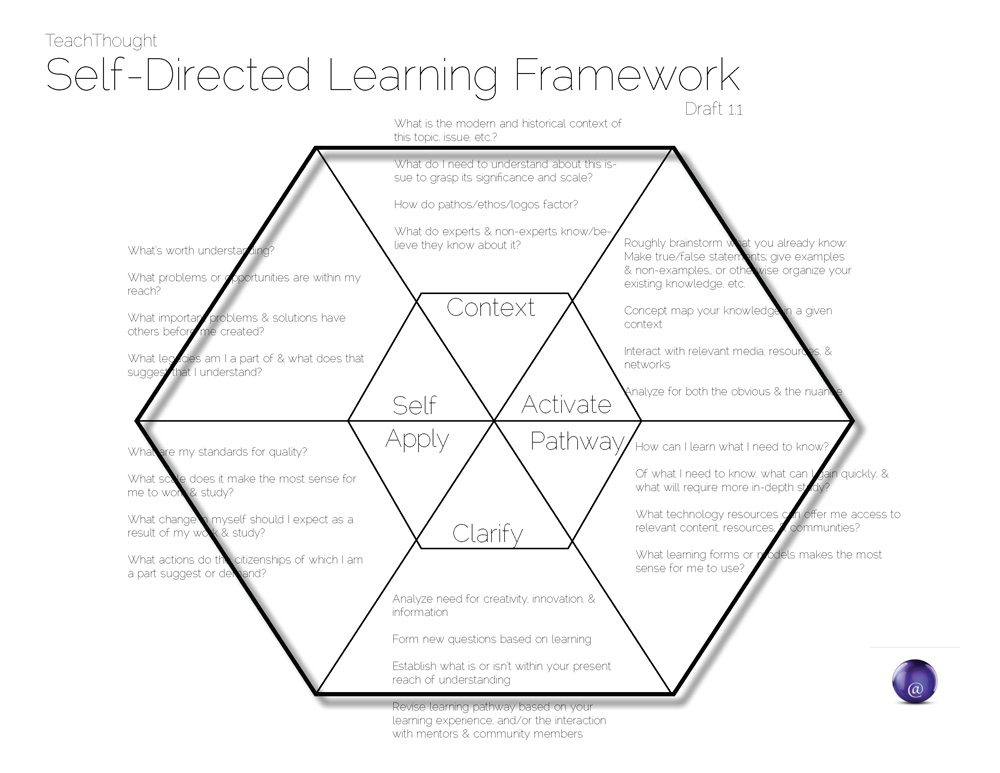
This model is built around the concept of self-knowledge–better understanding one’s self and that to inform one’s interactions with the world.
Begin a story that incorporates whatever happens to be on your assigned photo. The next student continues the story, incorporating their photo, and so on.
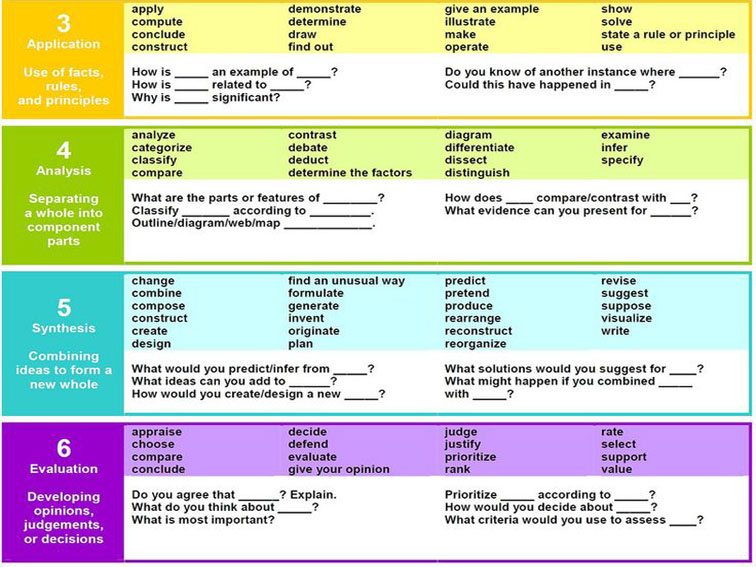
Question stems can be used as thinking prompts for class discussions, prompting, and various forms of assessment.

You may find it amusing that someone has taken the traditionally dry taxonomy and mashed it with the comedy series Seinfeld to create something unique.
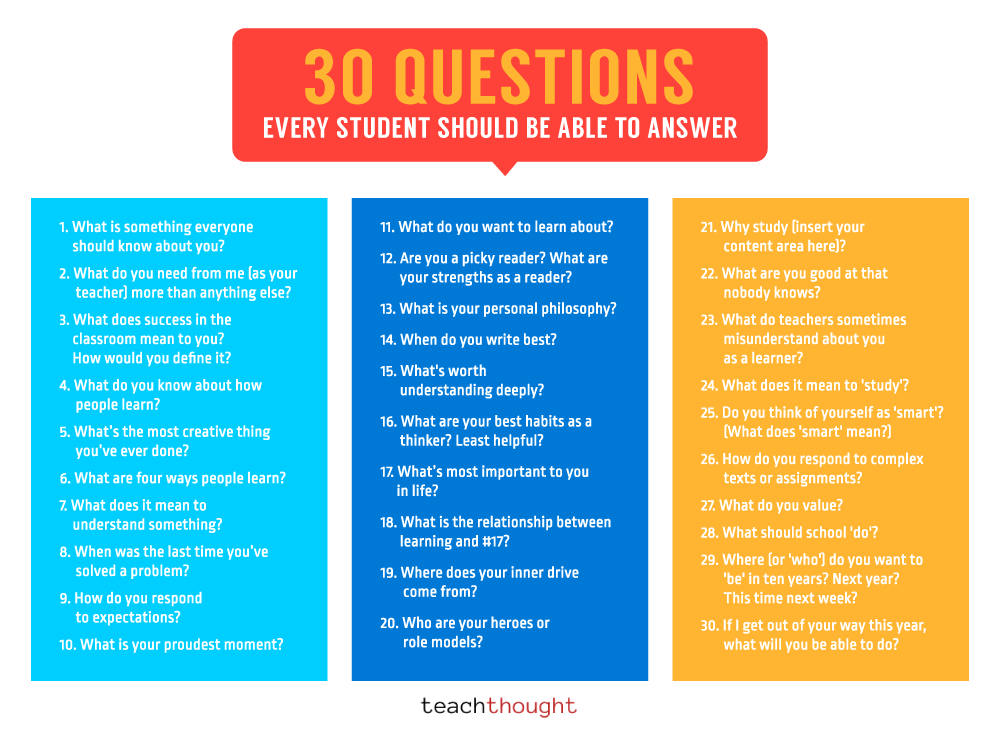
What students should know starts with themselves and moves outwards to a content area. Here are questions students should be able to answer.
Seven points we view as systemically underserved could, if better addressed, enhance children’s thinking as they mature.
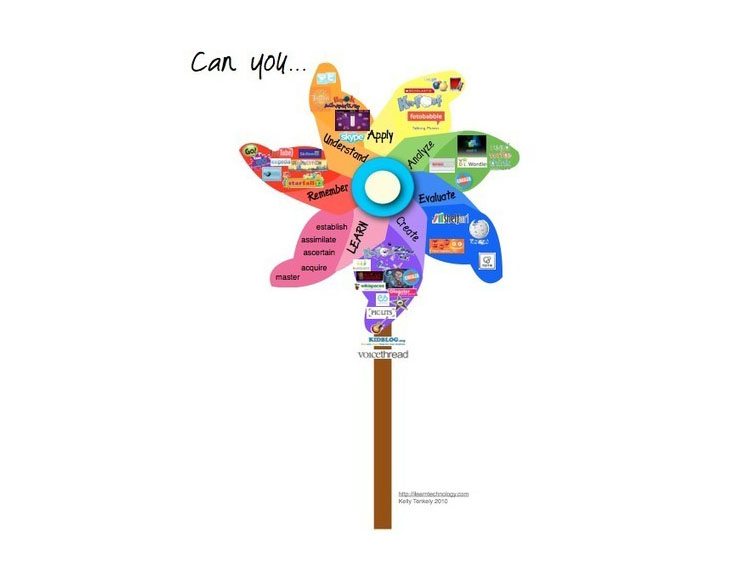
Most of these are concept maps of sorts with a design that signifies extended function, detail, or features of some sort.
What Simple Artifacts Can Promote Inquiry-Based Learning? contributed by John Barell, morecuriousminds The University of Pennsylvania Museum of Archaeology and Anthropology has an exciting department, the Artifact Lab, that can serve as a model for inquiry and inquiry-based learning. Among other examples, curators show us how they prepare mummies for exhibitions. One object that arouses my curiosity is…

Thoughtful people think about their thinking — the meaning of what they learn & the consequences of what they do.