When STEM Lessons Are Too Easy, Students Stop Thinking
We’ve been trained to value engagement. If students are busy, we assume learning is happening.

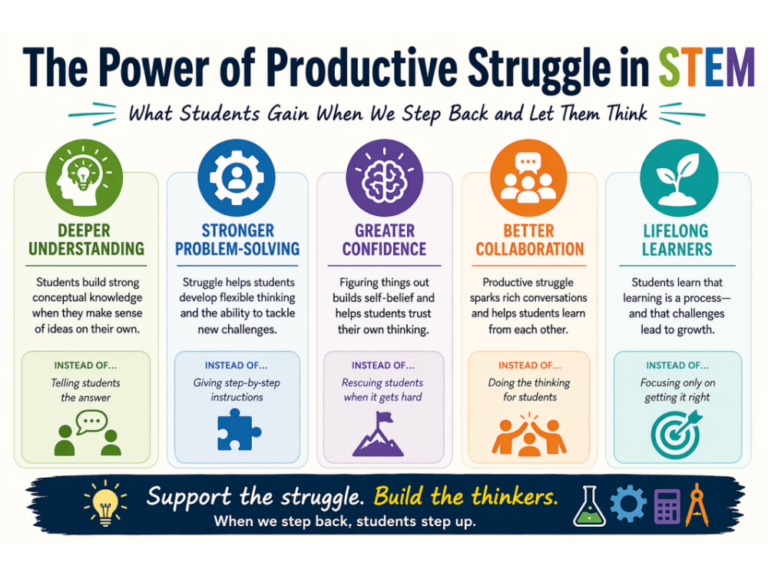
We’ve been trained to value engagement. If students are busy, we assume learning is happening.
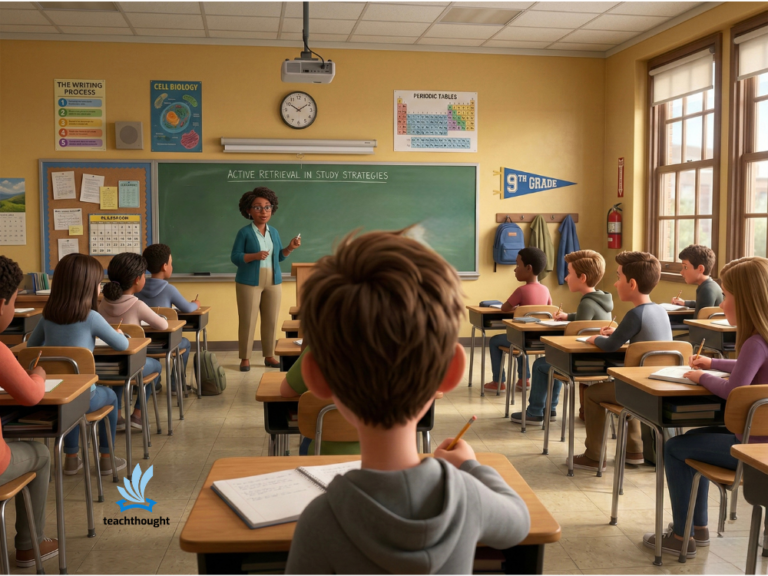
In most classrooms, we rely on visible indicators like grades, accuracy, and finished work to tell us whether learning is happening.
What worked in elementary school often assumes a level of adult scaffolding that middle school systems quietly remove.
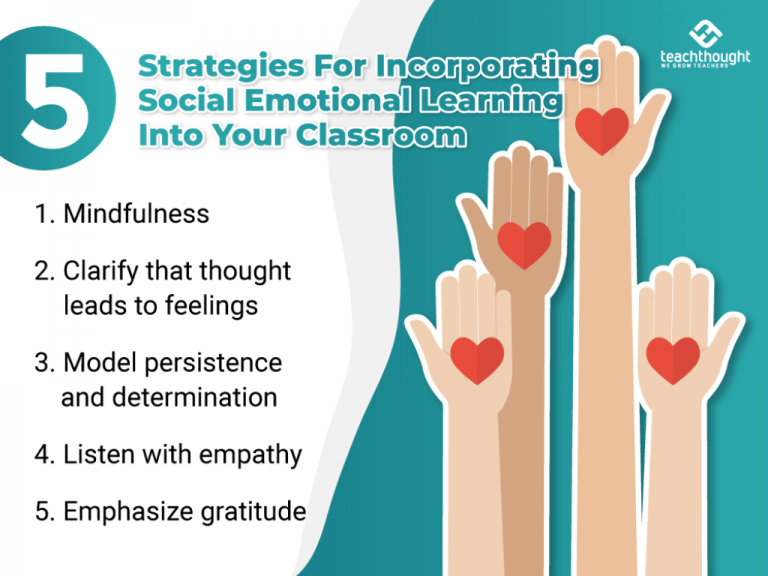
These five strategies social emotional learning strategies will not only benefit students, but can also be beneficial to teachers, too.
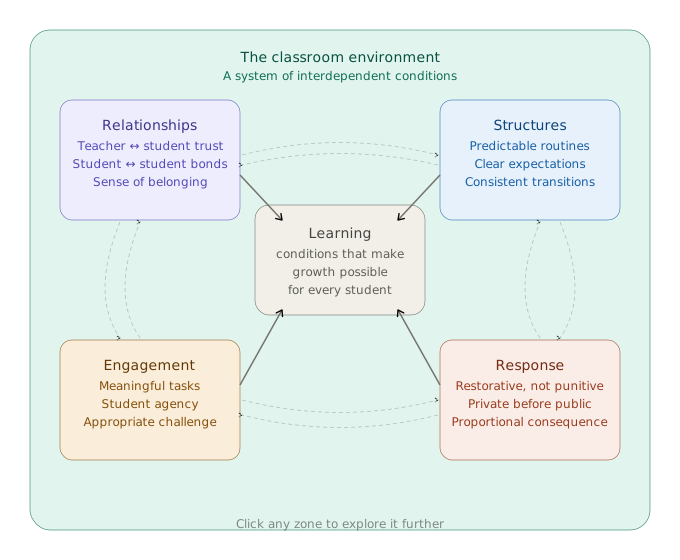
Four research-based classroom management principles” relationships, routines, engagement design, and restorative responses.
Kids want practical information, not platitudes or vague reassurances.
If we want to prepare students, we need to integrate, combine, and cut. Less is more. What’s most important in your curriculum?
These platforms are verified by ESSA standards, and widespread adoption by educators from grade 3 through higher education.
The activities feel productive. There is visible effort and time invested, but recognition is not retrieval.
Learn to recognize and value nonverbal student engagement. From gestures to eye gaze, here are 6 ways students participate without speaking to build safety.

Teachers who see their leaders engaged in the day-to-day operations of the school, whether it’s dealing with a challenging student or covering a class, are more likely to feel supported.
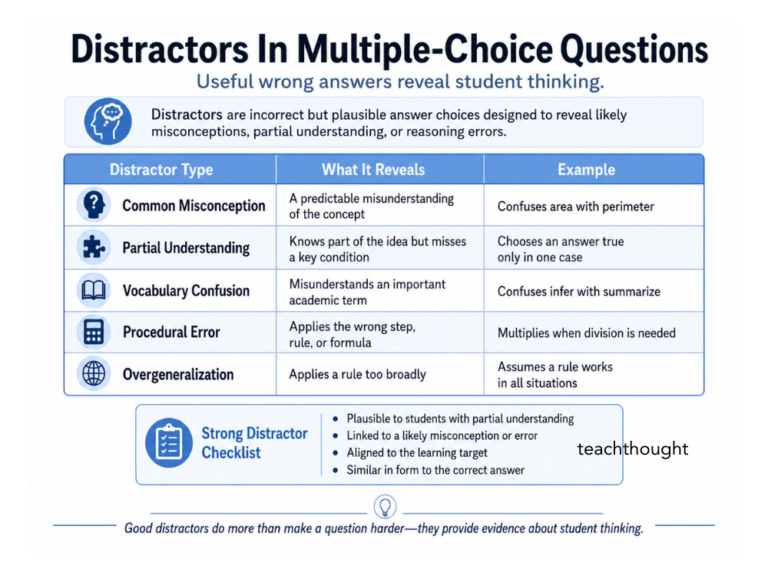
Distractors are the incorrect but plausible answer choices in a multiple-choice question. Strong distractors are written around likely student misconceptions or errors, allowing the teacher to see not only whether a student chose the correct answer, but what kind of misunderstanding may have led them to choose an incorrect one.
Benchmark Assessments, Peer Assessments, and Student-Led Conferences are among other alternatives to report cards in school and the classroom.
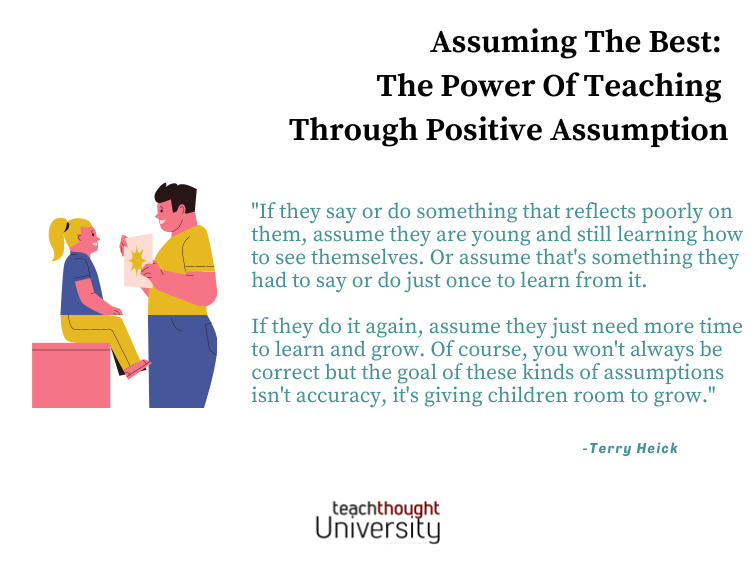
Of course, you won’t always be correct but the goal of these kinds of positive assumptions isn’t accuracy, it’s giving children room to grow.