8 Strategies Your Teaching More Enjoyable This Year
Social-Emotional Teaching is every bit as important as Social-Emotional Learning. Teaching matters and teachers matter

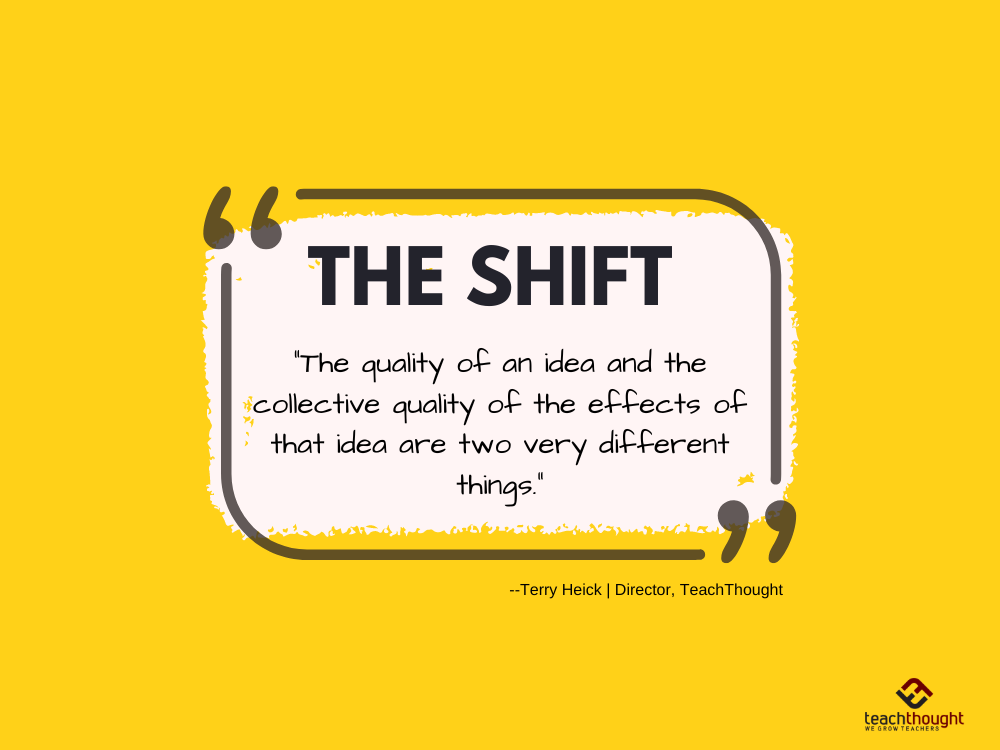
Social-Emotional Teaching is every bit as important as Social-Emotional Learning. Teaching matters and teachers matter

Written by parents, CEOs, teachers, and admin, these best of the best education blogs stand out with their unique style & excellent content.

Grading problems still surfaced, but with a system in place, it was easier to identify what went wrong and communicate why to students.
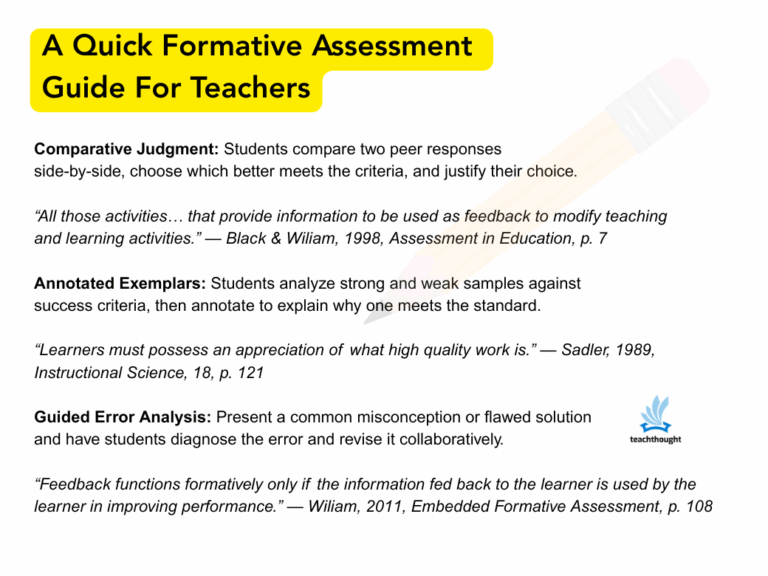
A guide for Formative Assessment: A clear definition, classroom strategies, benefits for using it in the classroom.
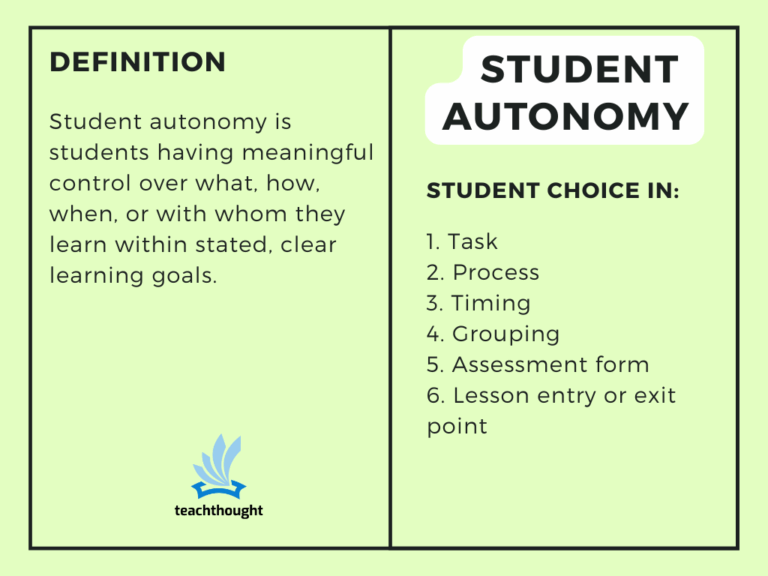
Autonomy is not absence of structure but the opportunity to release more responsibility students.
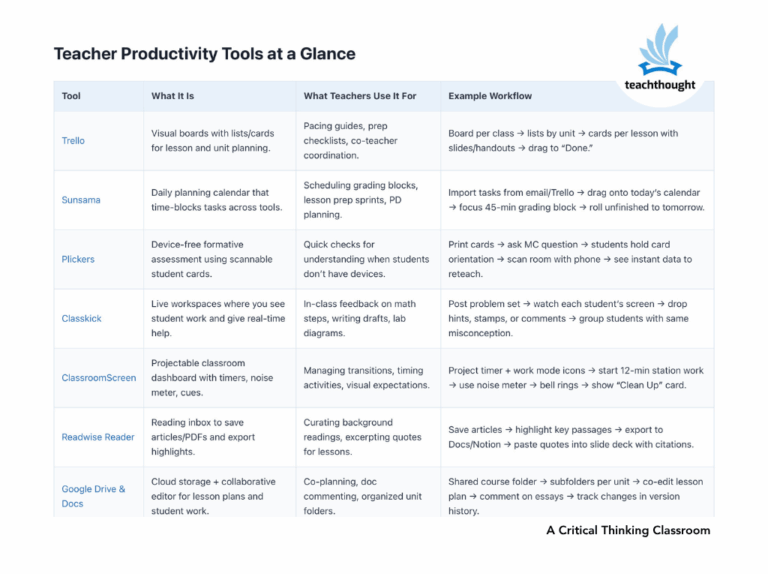
A list of 30 teacher productivity tools that streamline planning, collaboration, grading, and automation. Includes Trello, Notion, Google Docs.
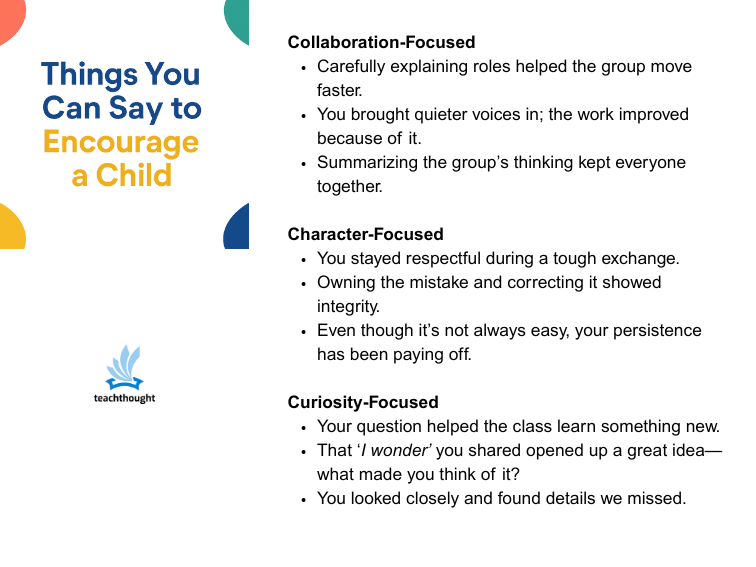
There are many ways to encourage a child but persistent, well-timed, positive messages are among the most powerful.

From translators to worksheets and definitions, here are 30 resources for teaching teaching the English language online.
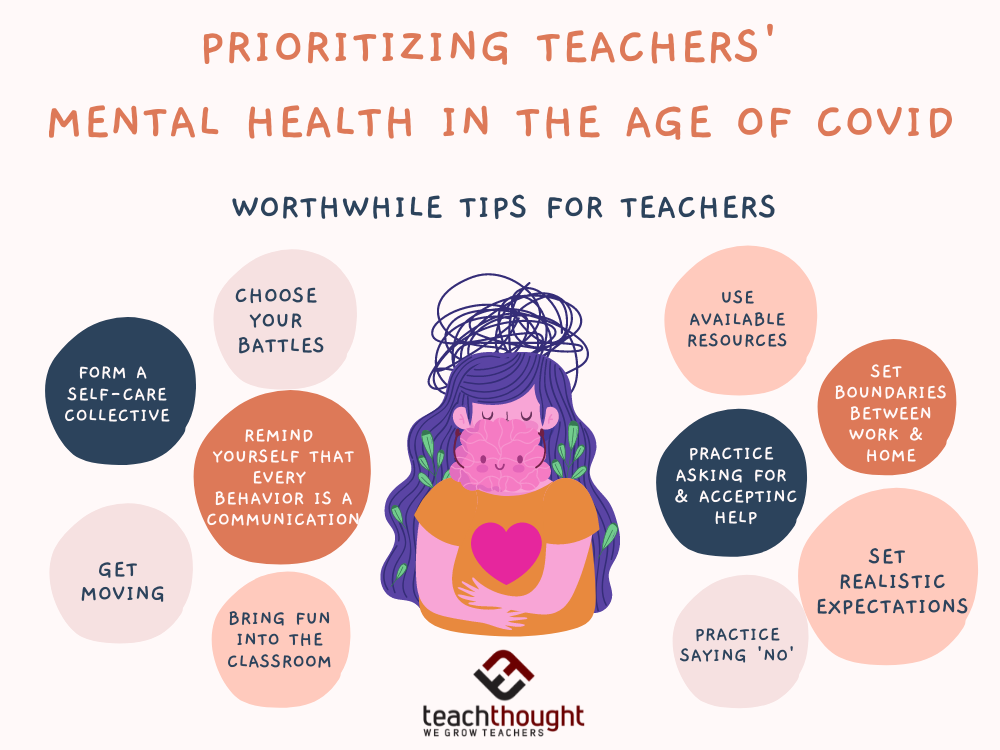
We can’t control everything and apologizing for things out of our control can set unrealistic expectations of teachers.

Curated Design Thinking Resources for Educators A Curated List of Design Thinking Resources for Educators Educators and students at all levels are using design thinking to create solutions for real-world problems. Whether you’re new to the concept or looking for fresh ideas, this updated and curated list features high-quality resources that are free, low-cost, or…
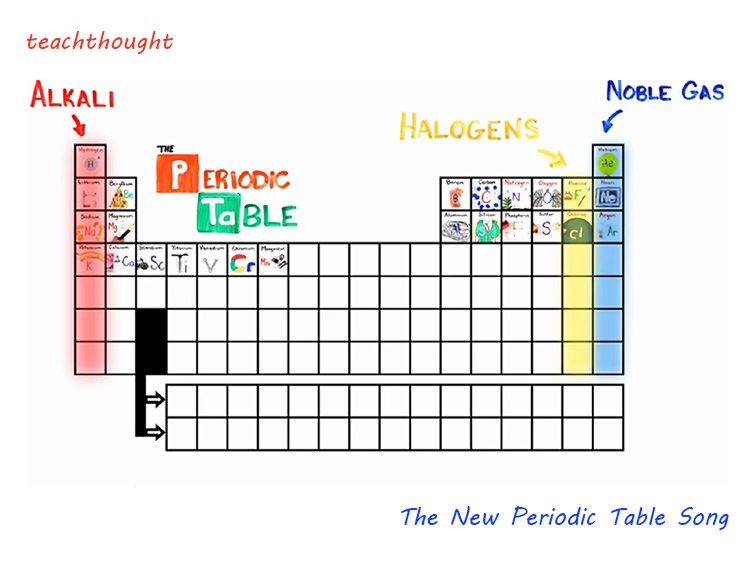
There once was periodic table song whose frenzied pace and extraordinary organization made it seemingly irreplaceable — here’s another!
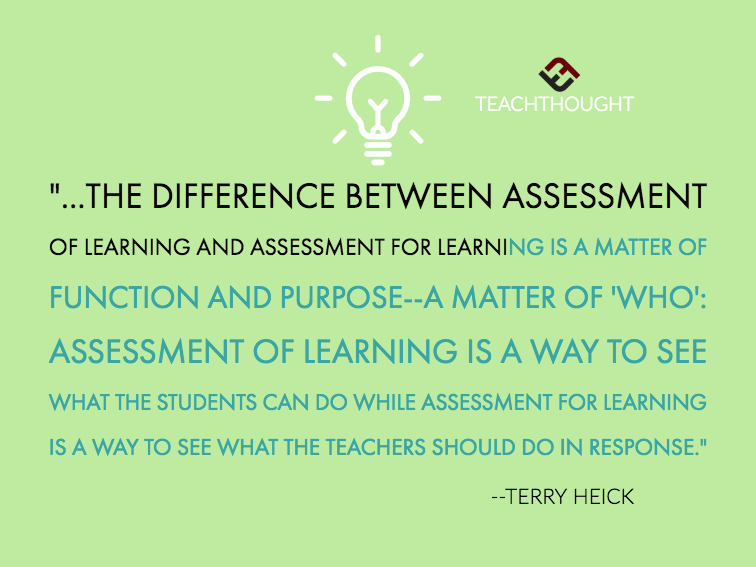
Assessment for learning is commonly referred to as formative assessment–that is, assessment designed to inform instruction.
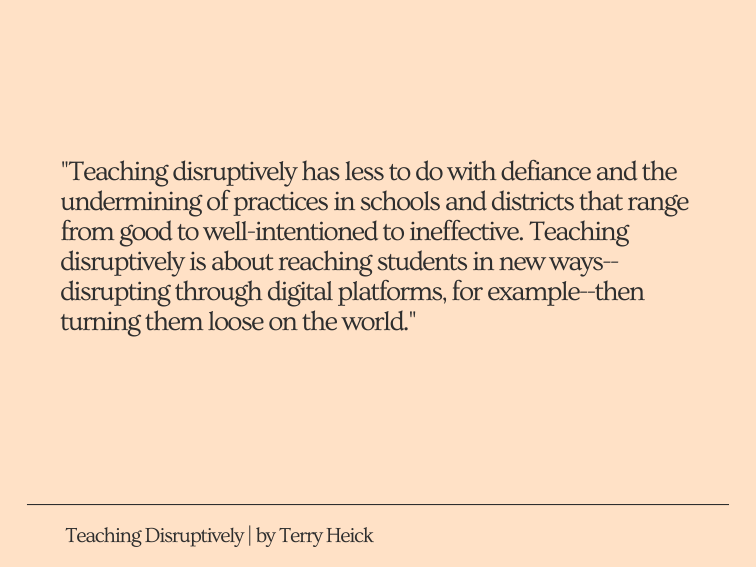
Teaching disruptively helps create learners who ask the right question at the right time for reasons that matter to them.

To use the Gradual Release of Responsibility model, students need to see others using it and who better to model it but you?