6 Types Of Assessment Of Learning
From formative and summative assessment to criterion-referenced and benchmark assessment, each type of assessment has a unique function.
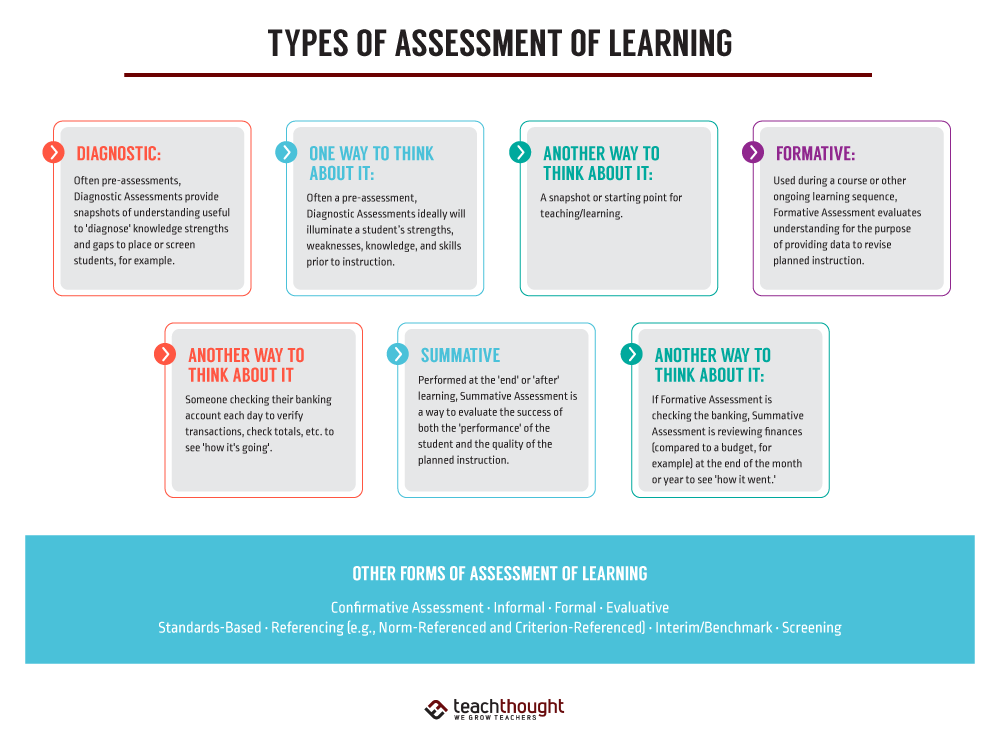
From formative and summative assessment to criterion-referenced and benchmark assessment, each type of assessment has a unique function.

As a strategy for the beginning of class, it’s hard to beat surveys to answer the question, “What’s this got to do with me?”
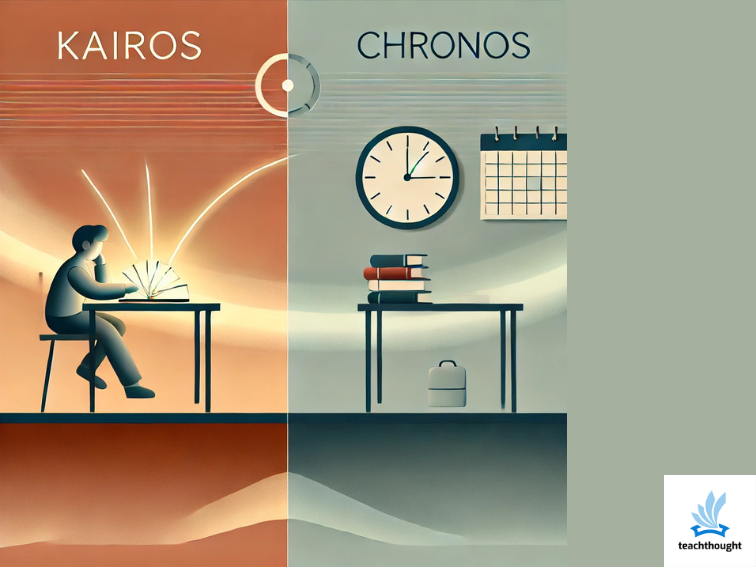
Kairos emphasizes a student’s readiness to learn while Chronos represents chronological, structured time in education.
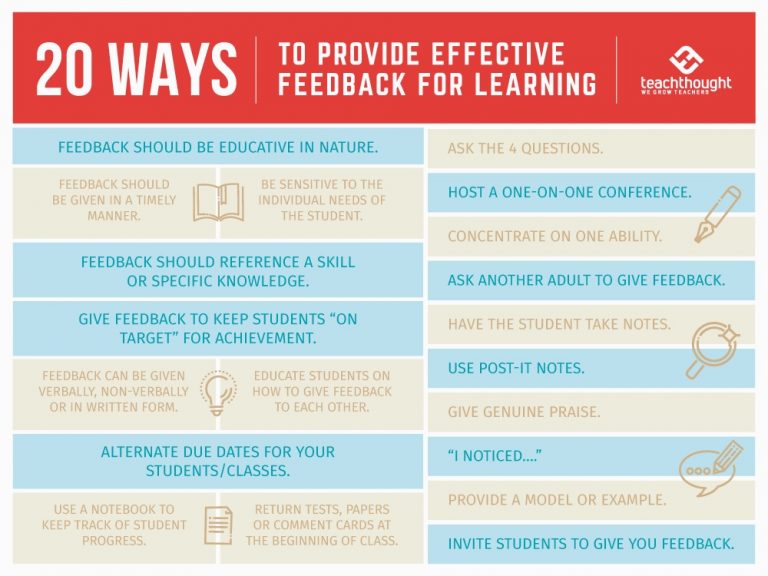
One way to provide effective feedback for learning is a ‘feedback sandwich’ to structure your feedback: Compliment, Correct, Compliment.
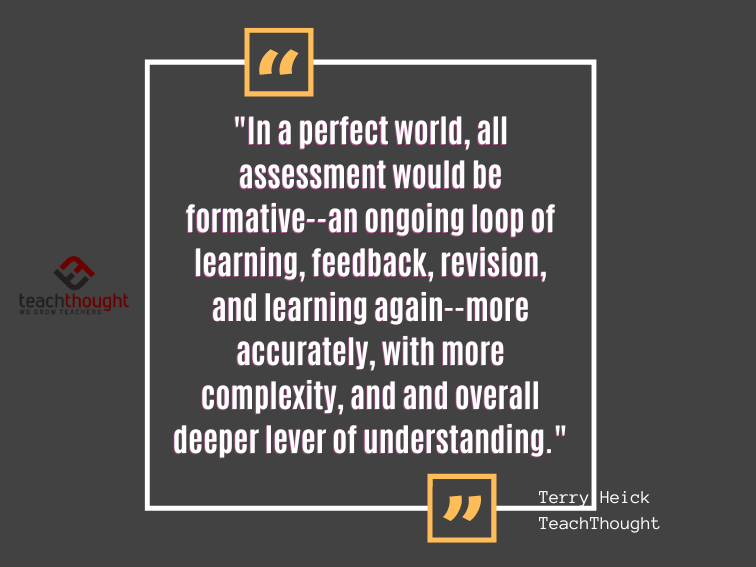
In a perfect world, all assessment would be formative–an ongoing loop of learning, feedback, revision, and learning again.
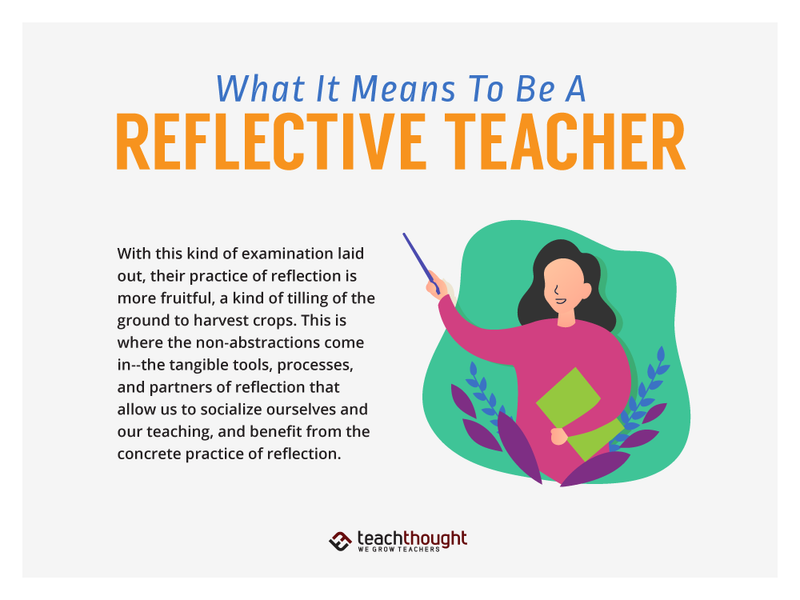
Reflection is a fundamental tenet of learning; and therefore, a fundamental part of teaching. Here’s what it means to be a reflective teacher.
‘Education is not the filling of a pot but the lighting of a fire.’ –W.B. Yeats
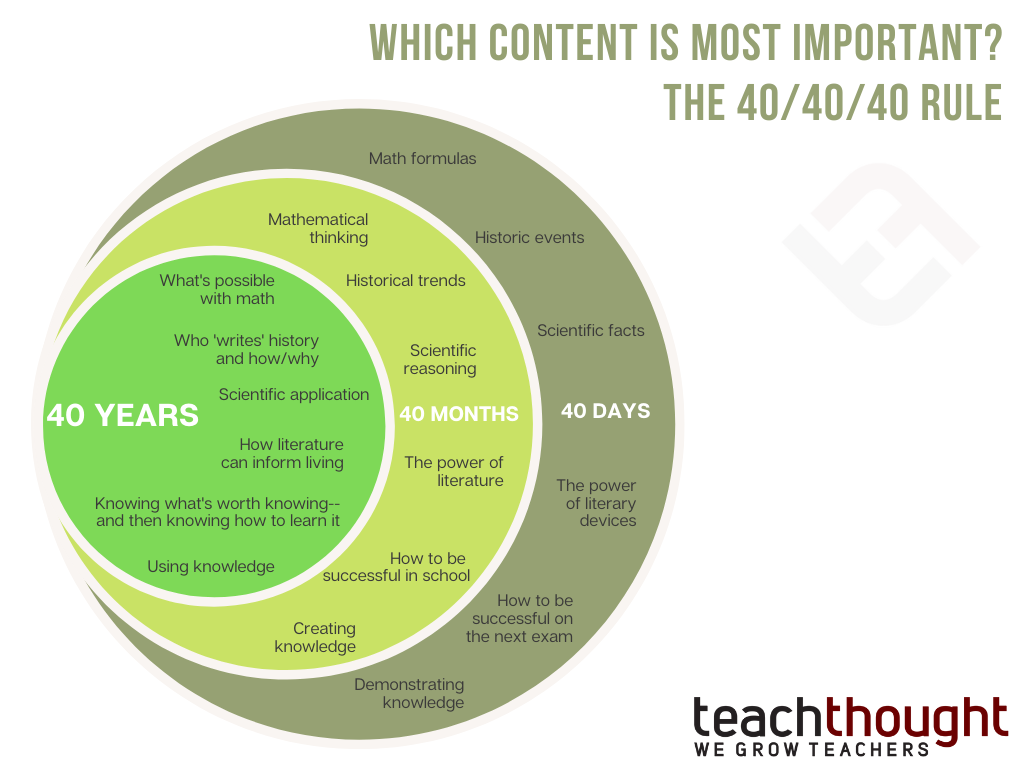
The 40/40/40 rule: What’s important that students understand for the next 40 days, for the next 40 months, for the next 40 years?

It saddens me that the conversation has turned to unions and stress-related health sabbaticals for many teachers.
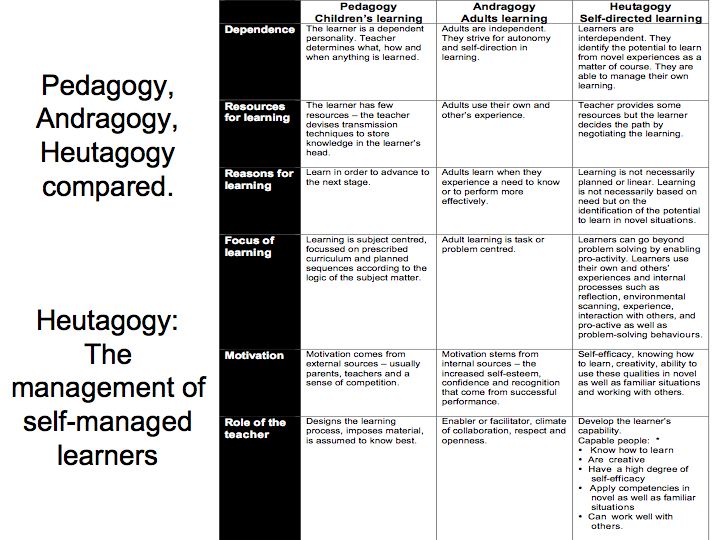
The difference between pedagogy, andragogy, and heutagogy has to do with purposes and roles–being taught or teaching yourself.
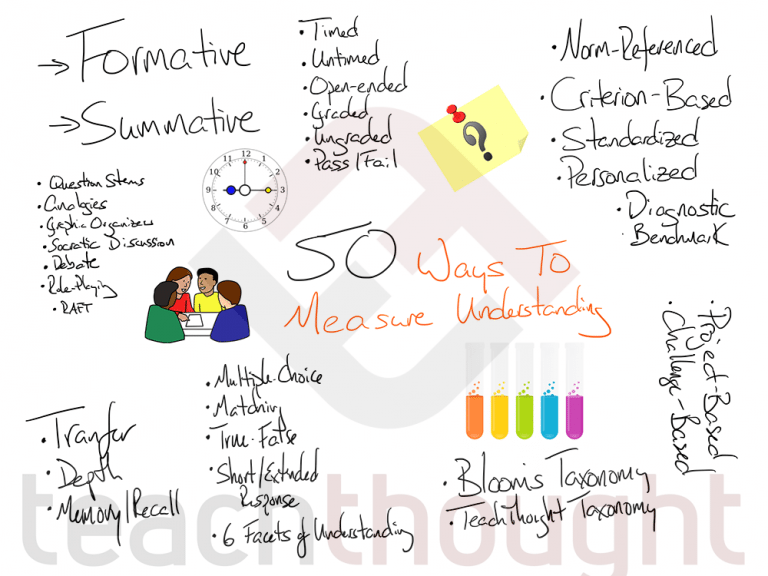
It’s difficult to teach if it’s unclear what students actually understand–and multiple-choice tests aren’t enough. Here are 50 alternatives.
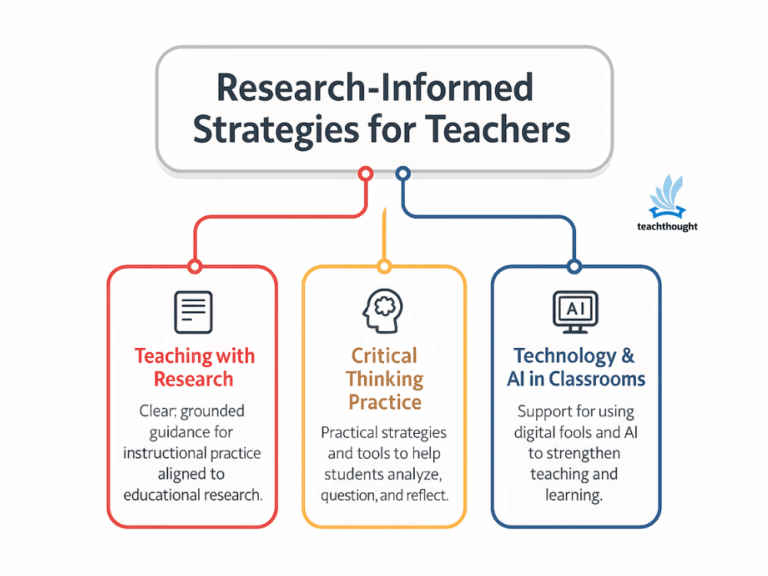
Examples of quality rubrics and scoring guides aren’t as easy to find as you’d think.
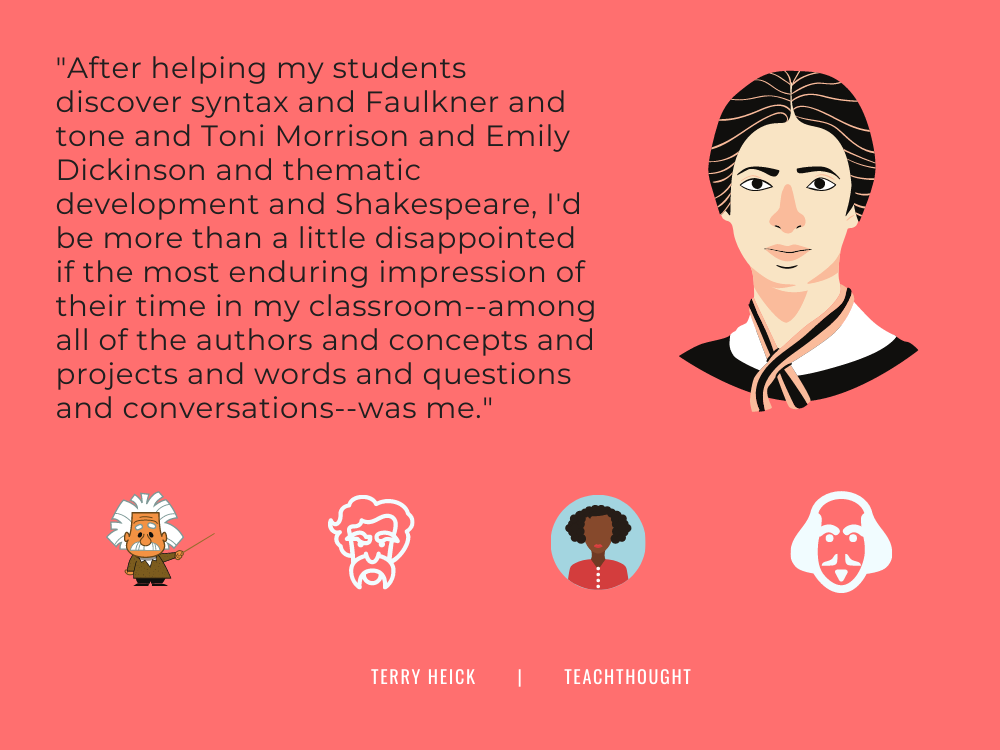
I’d be a little disappointed if the most enduring impression of a student’s time in my classroom was a mental image of me.
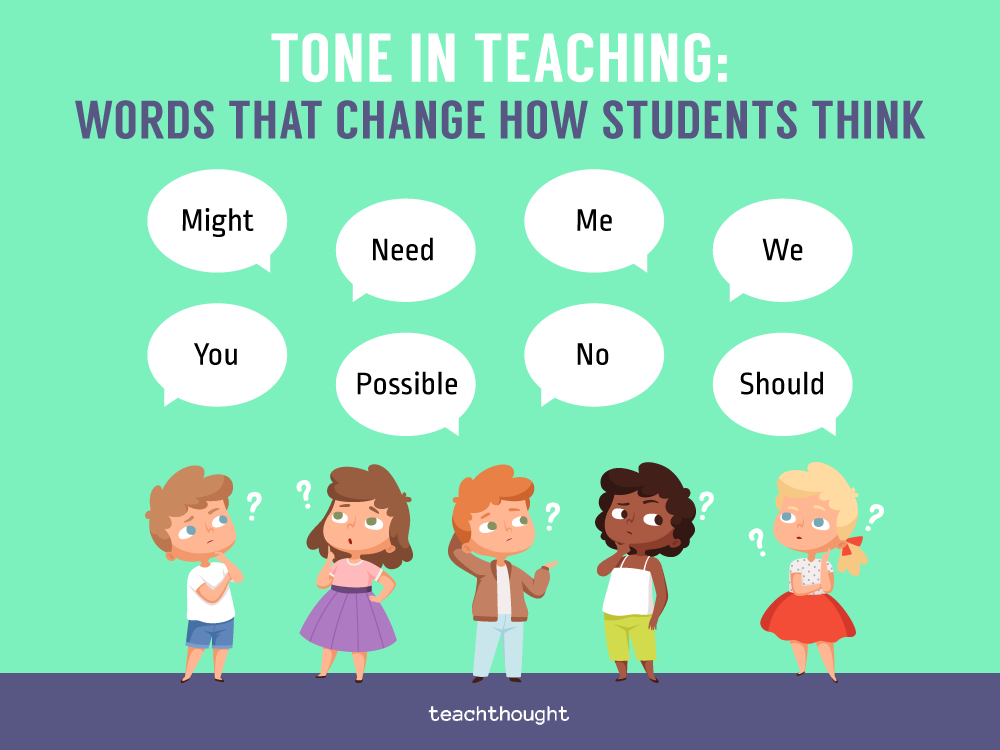
Tone affects how students see themselves and their role in the learning process. The words you use can have a lasting impact.