The Best Source Of Education Research Is Your Classroom
Education research is great, but it has nothing on what you are able to see every day within your classroom.

Education research is great, but it has nothing on what you are able to see every day within your classroom.
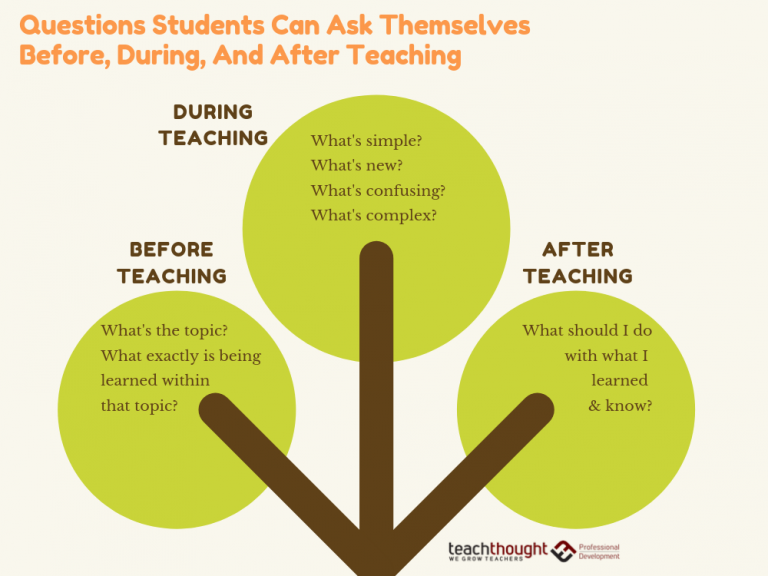
We’re sharing 75 questions students can ask themselves that can guide their thinking and awareness before, during, and after your teaching.
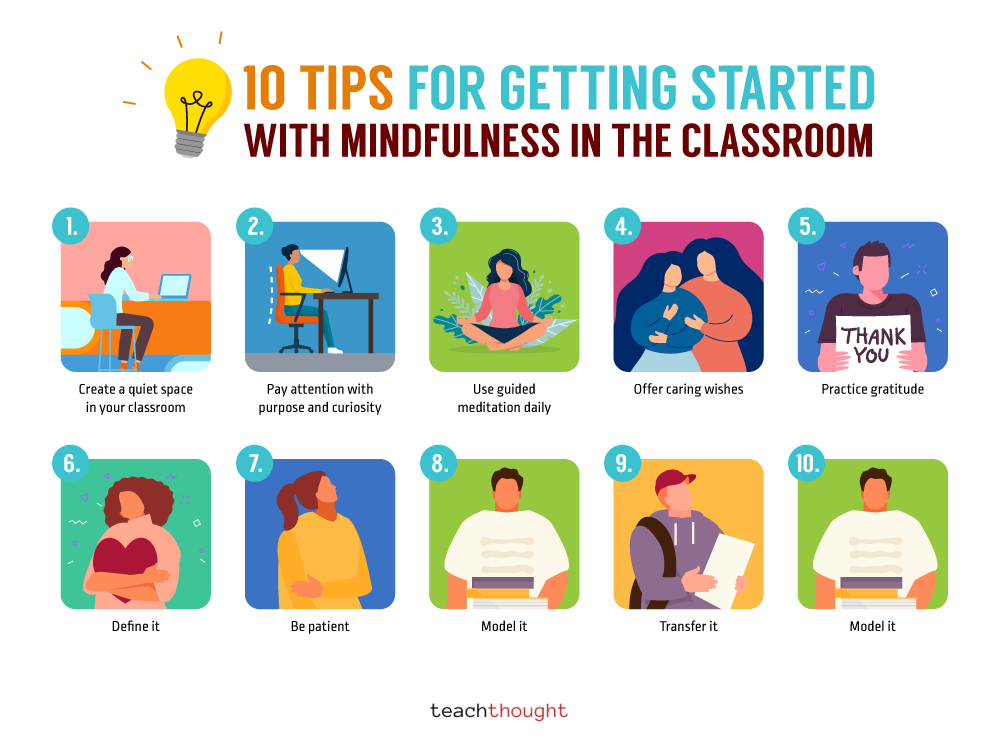
Lisa Thomas Prince and Lori Gustafson offer the following ten tips for teaching mindfulness in the classroom at any grade level.

Getting feedback from your students can be an eye-opening experience. Course evaluation templates through Google Forms make it easy to get.
Some of the best lesson planning tools and templates for K–20 in 2025 include AI planners, collaborative platforms, and printable templates.
Do students like going to school here? Do teachers like teaching here? Here are 30 questions teachers can ask at their next job interview.
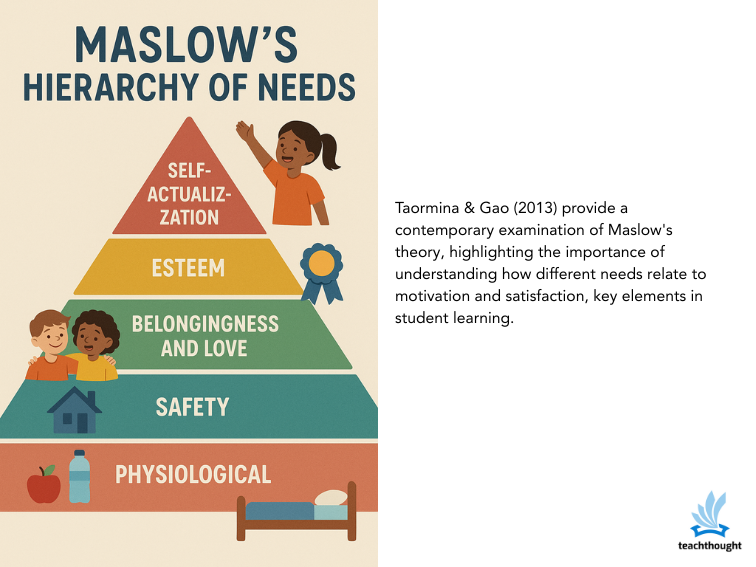
Maslow’s Hierarchy of Needs explores the idea that Individuals must satisfy lower-level needs before they can adequately focus on higher-level ones.
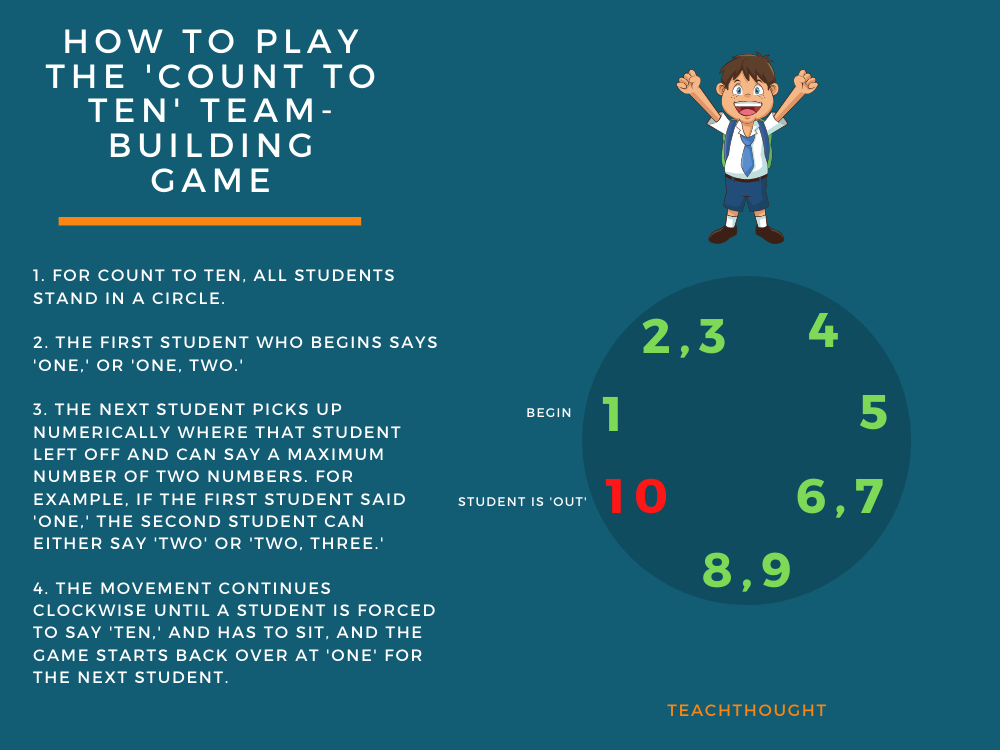
Understanding how to play the ‘count to 10’ team-building game is about rules, timing, and sequence. Engaged students pick it up quickly.
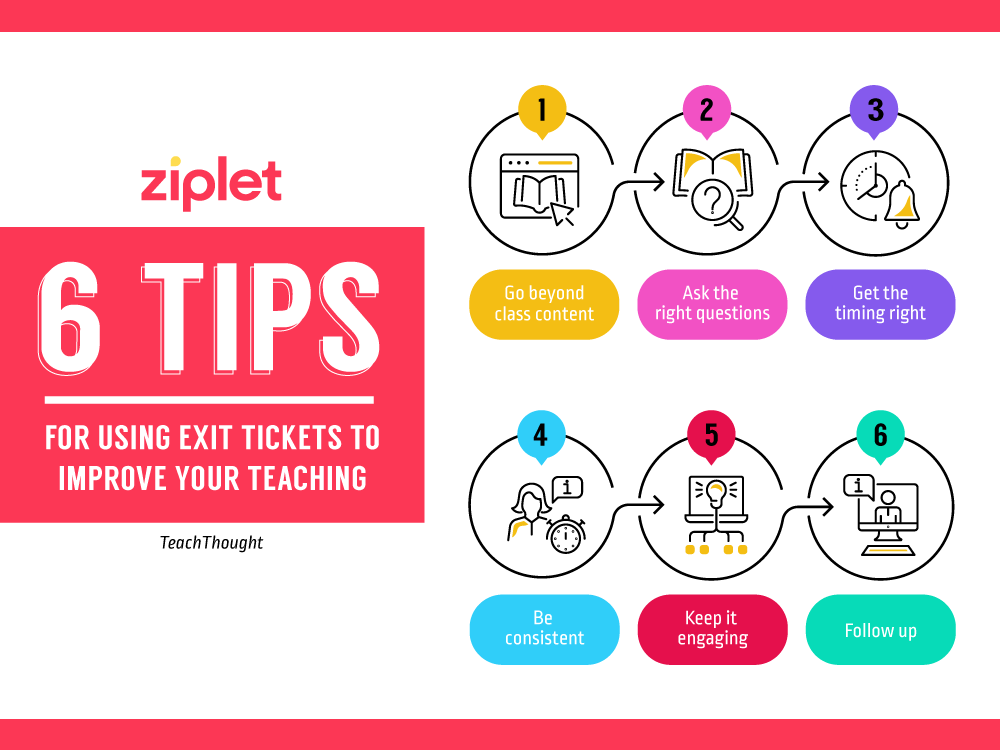
Exit tickets can clarify student proficiency but can be used for more than just on-the-fly formative assessment.
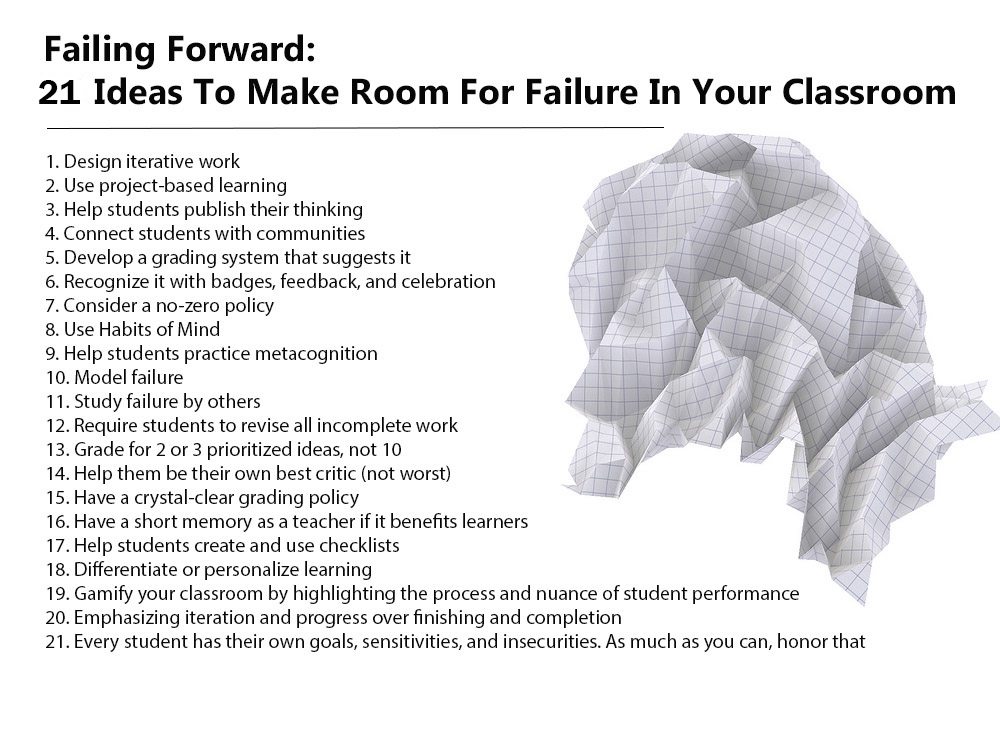
An example of ‘failing forward’: “Your first two drafts didn’t work so well, huh? What can you take from each of them–what’s salvageable?”
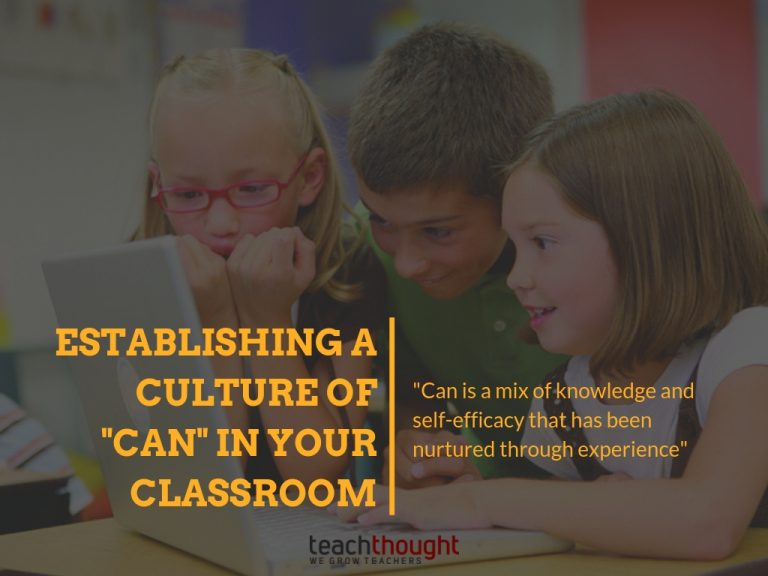
it’s important to realize that a ‘culture’ is comprised of tangible factors (students) and intangible factors (curiosity), and ever-present.
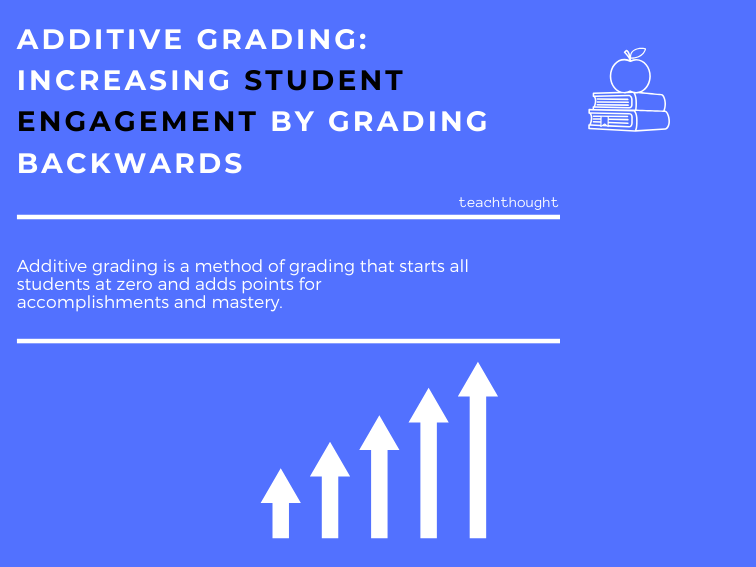
Additive grading is method of grading that starts all students at zero and adds points for accomplishments and mastery.
Classroom management is as much about instructional design and relationships as it is rules and discipline.
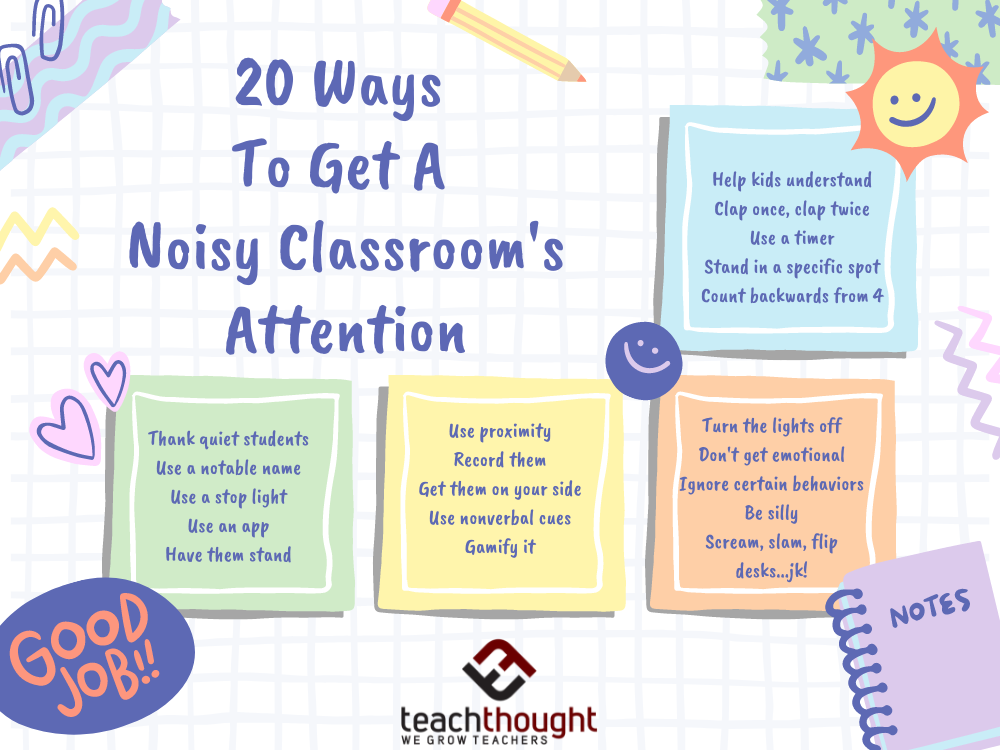
Stand at the front of the room and say out loud, “Clap once if you hear me, clap twice if you hear me,” while modeling the clap.