52 Resources For Becoming A Better Teacher
Teachers may spend their days imparting knowledge to others, but that doesn’t mean they should stop learning themselves.

Teachers may spend their days imparting knowledge to others, but that doesn’t mean they should stop learning themselves.
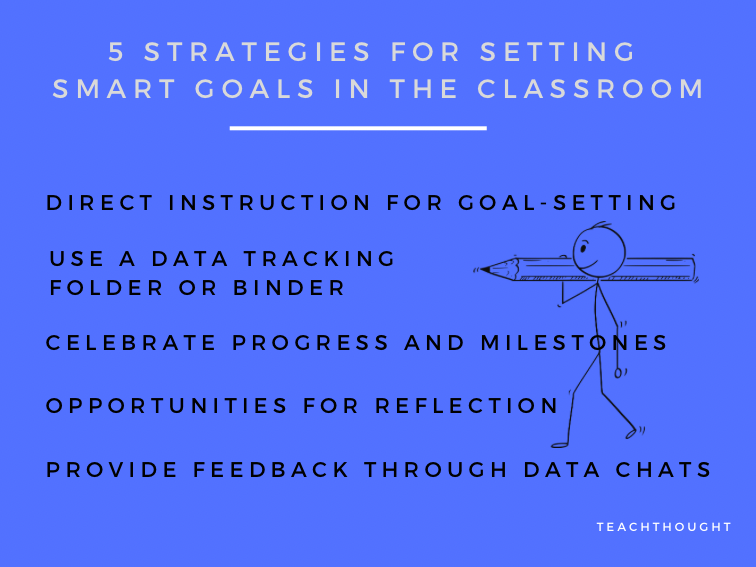
By setting SMART goals, students and teachers can determine action steps to help them achieve their goals.
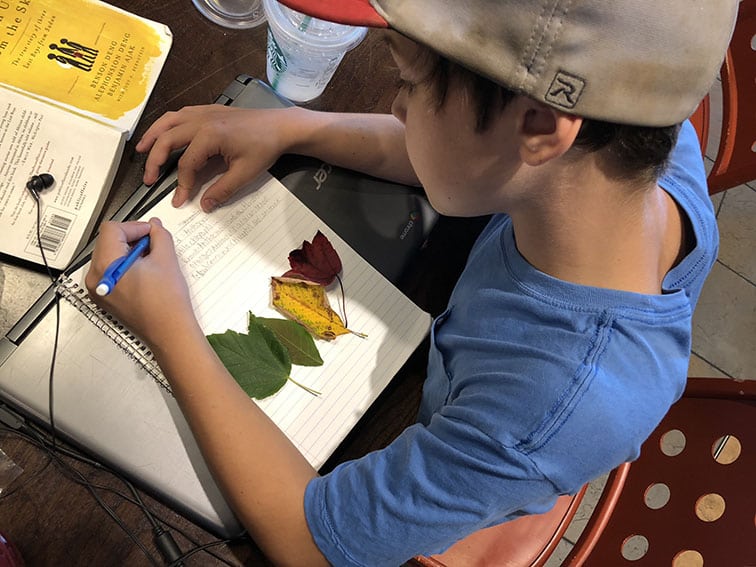
You are handed a classroom full of students who are excited to be back but not so enthusiastic to study. This is an opportunity!
Team-Building games for the first day of school include Green Door, I never…, Me too!, Fact or Fiction, and Count to Ten.
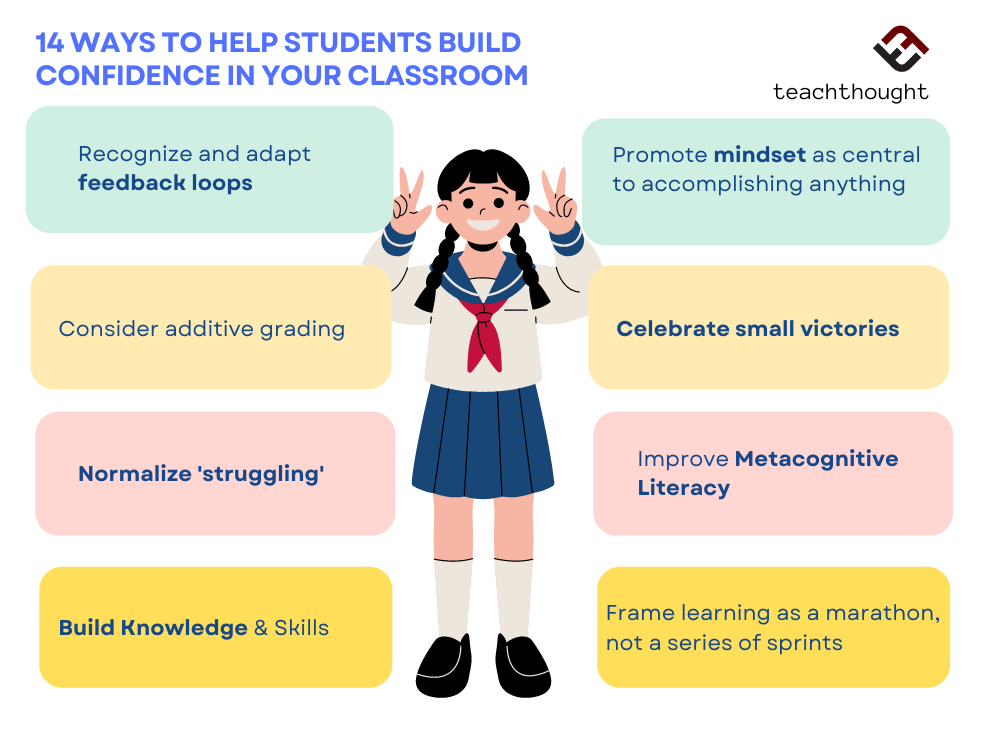
‘Believing in students’ isn’t enough–they have to have sufficient knowledge or experience with ideas and skills to ‘do well in school.’
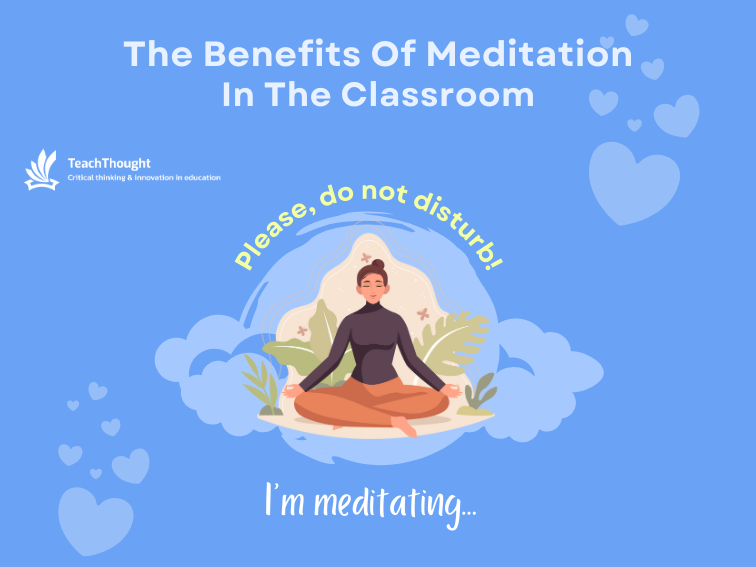
Benefits of meditation in the classroom include reduced stress, improved concentration, and emotional regulation.
In this example of rigor-based differentiation, notice how the students’ results are similar, but the process and scaffolding are different.
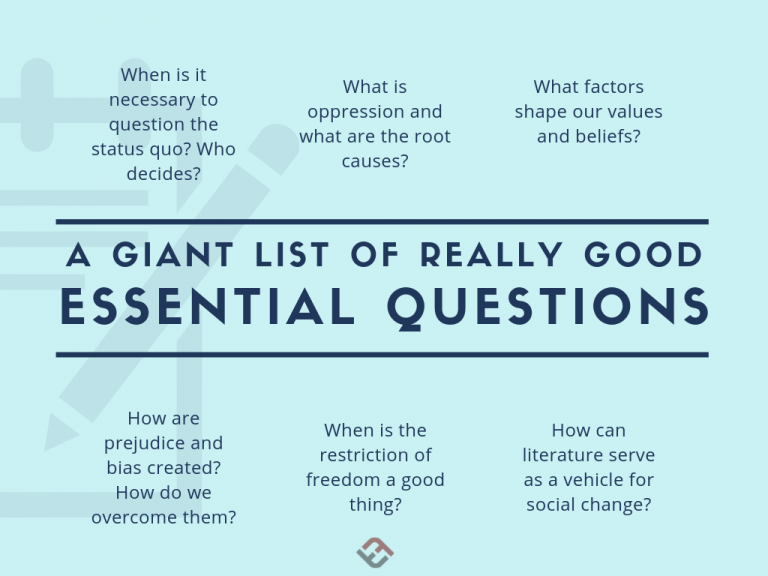
Essential Questions are thought-provoking and open-ended questions that serve as the core of a lesson or unit in a curriculum.
If we truly want a better world, we can’t continue to mirror the worst parts of that world into our classrooms.
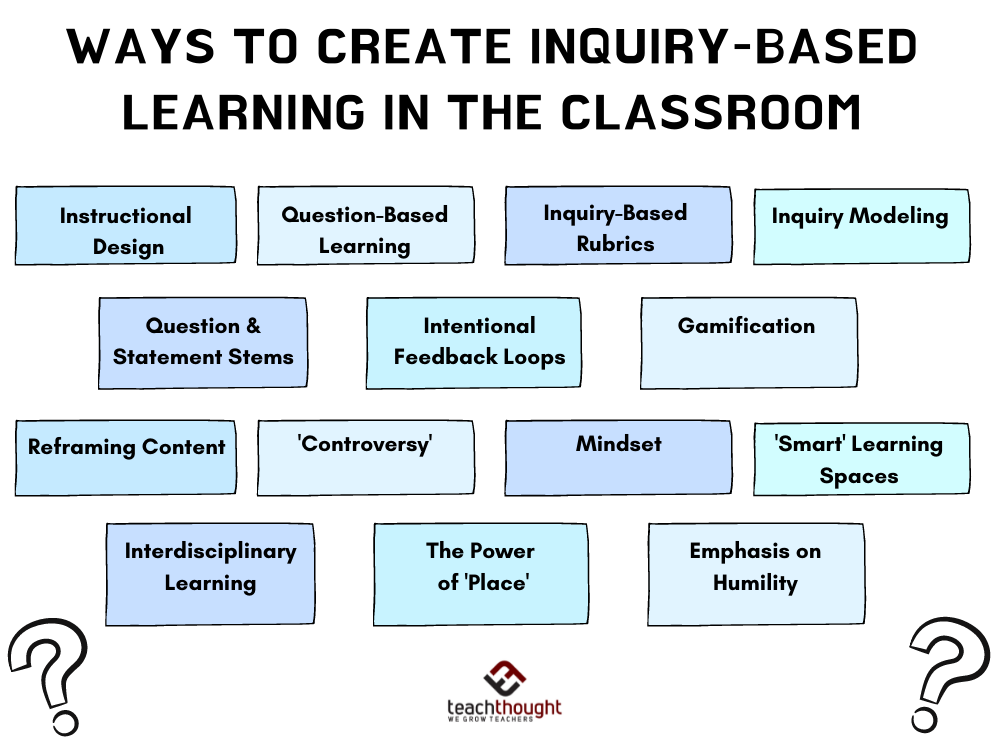
One obvious way to promote inquiry learning in your classroom is to design lessons and units that benefit from, promote, or require it.
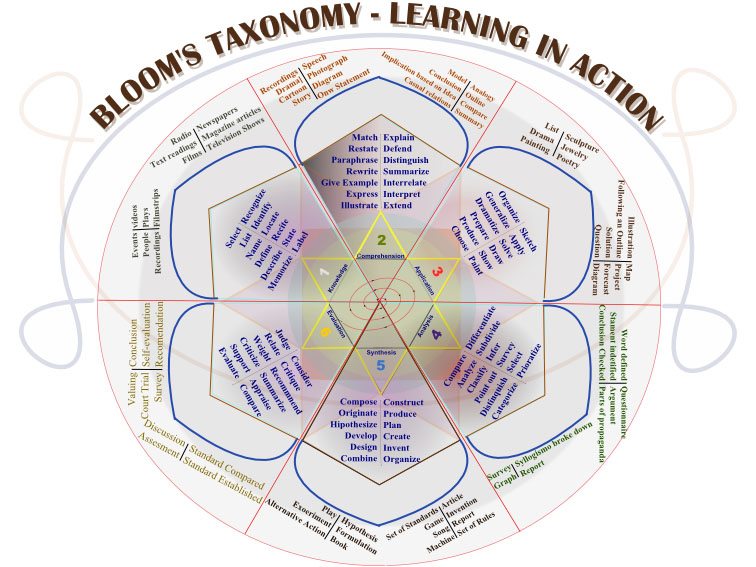
In this list, we’ve collected posters, apps, definitions, apps, tools, videos and strategies and more to help teachers use Bloom’s Taxonomy.
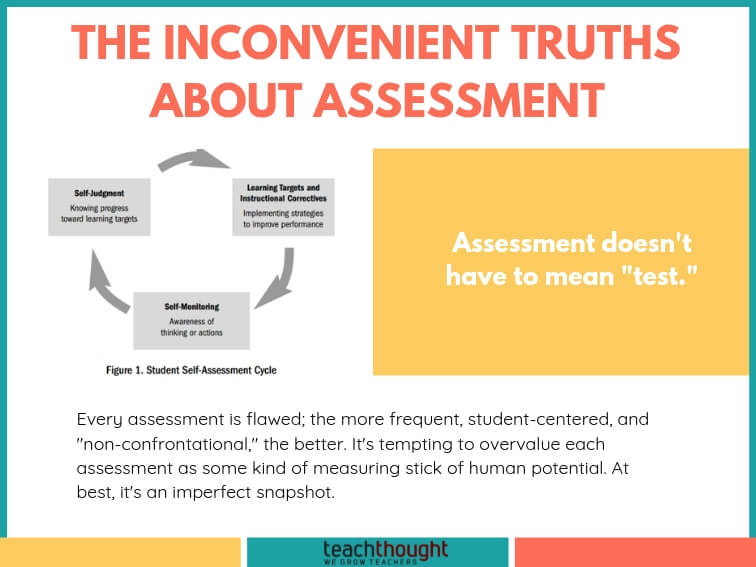
It’s an extraordinary amount of work to design precise and personalized assessments that illuminate pathways forward for individual students.
Because despite our noble intentions and the fact we’re increasingly called on to perform miracles, we’re teachers, after all, not saints.
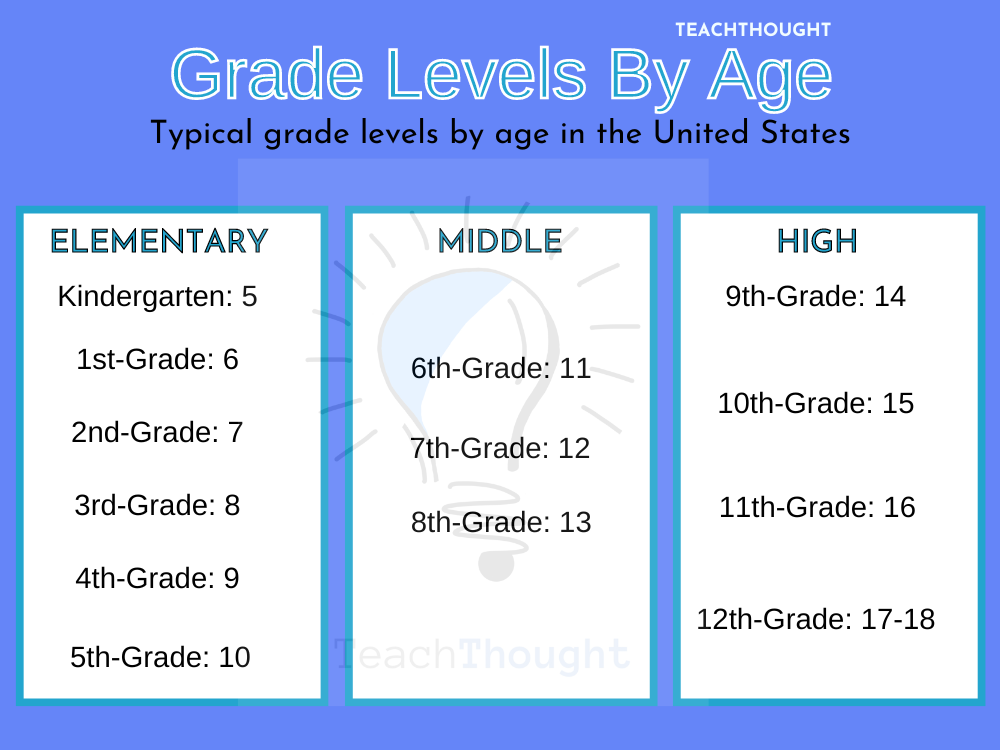
What grade should an 8-year-old be in? How old should a high school freshman be? Or more broadly, what are the grade levels by age?