
15 Activities For Substitute Teachers
Being a substitute teacher is a challenge. From team-building games to 20 questions, here are 15 activities for substitue teachers.
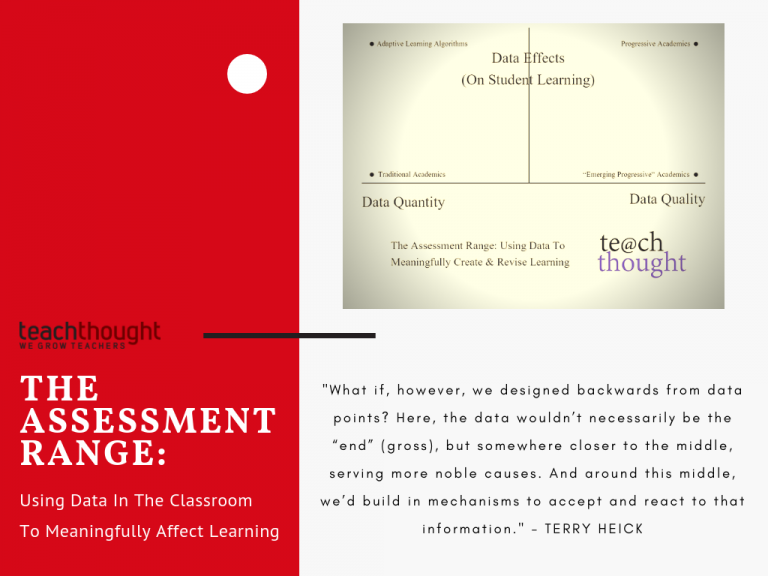
How can you use data to improve your teaching? If you don’t already have a plan for the data before giving the assessment, you’re already behind.
Poor responses to data or simply not having enough time to plan are two possible reasons your students are struggling.
Responsibilities of teaching can keep you quite busy, so for those with limited time, here are the top free curriculum to get you started.
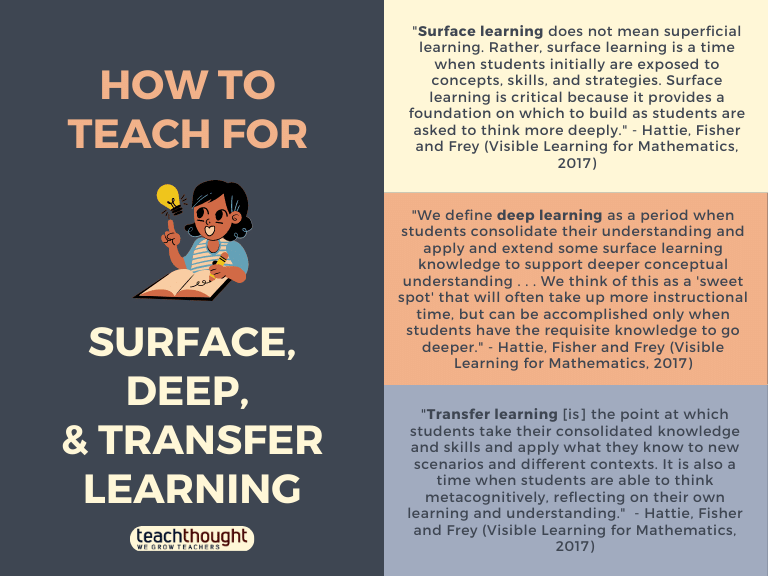
John Hattie’s body of work suggests that surface learning is the foundation for deeper learning, transfer learning is crucial for success in the real world, and deeper learning is facilitated through inquiry teaching.
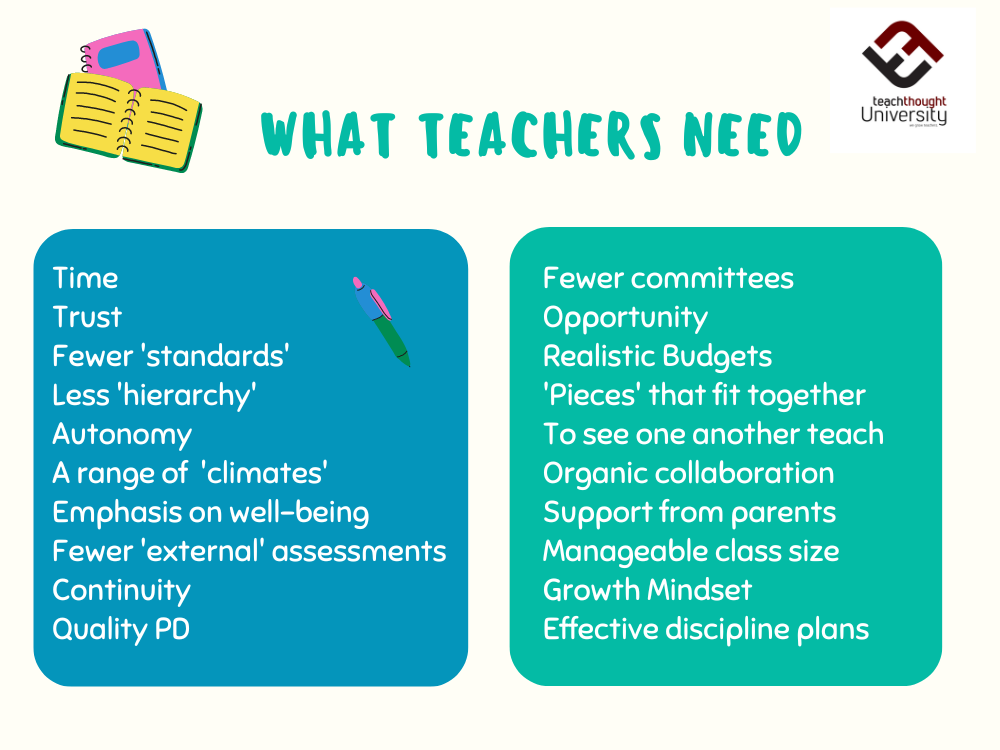
While schools should center children in purpose, tone, structure, function, etc., what about teachers? What do they need?
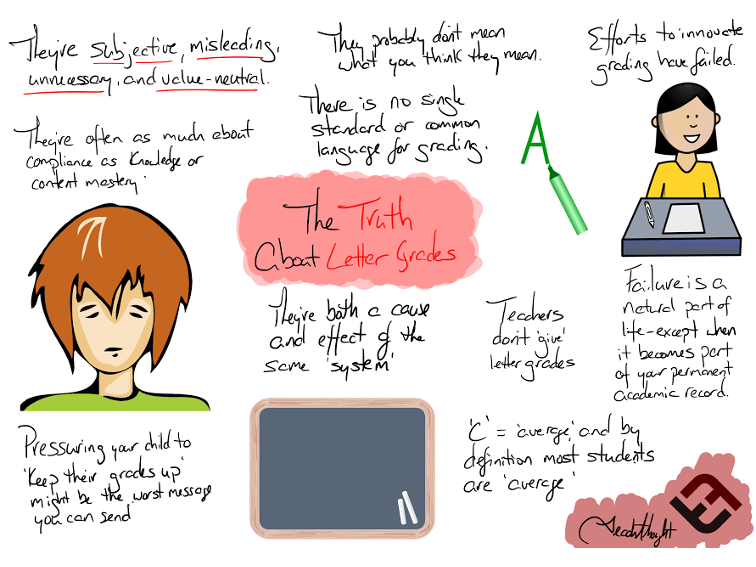
Letter grades don’t mean what you think they mean. In fact, they can fail to communicate important truths about your child’s learning.
There are many ways to differentiate instruction, from flexible grouping to multiple assessments and improving student choice.
Pairing Teachers To Improve Professional Development contributed by Dawn Casey-Rowe, Social Studies Teacher Professional development isn’t something that many teachers look forward to. By thinking about activities that engage teachers and bring motivation back into professional learning, schools make leaps and bounds in building a community that uses its own expertise to become stronger and…
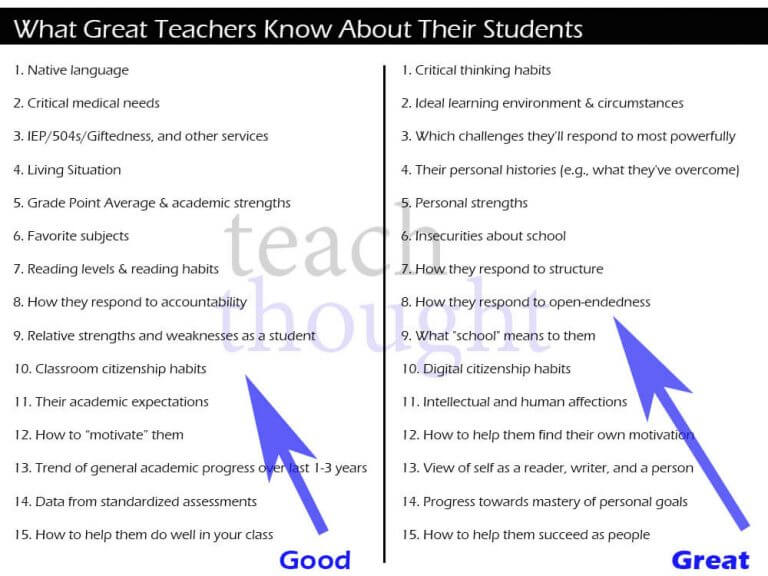
Most learning profiles are quick glances of academic data. There’s nothing wrong with this. They are useful, but they are also limited.
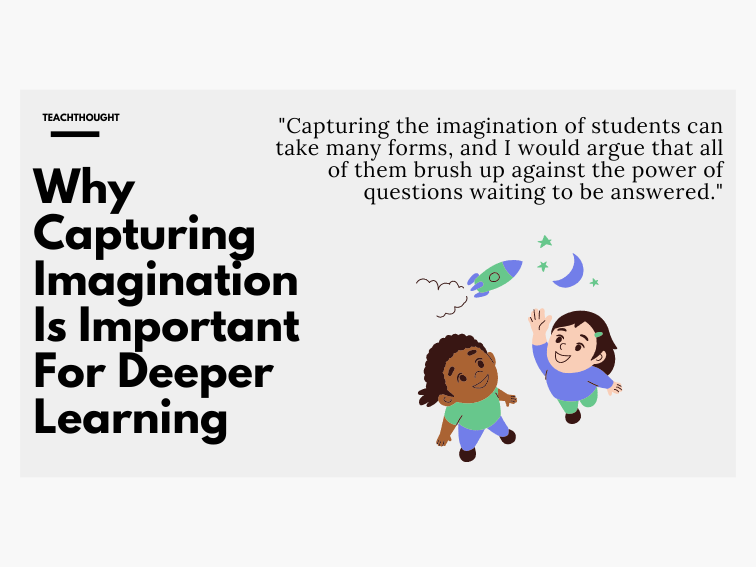
Getting students to learn more deeply requires their cognitive engagement, and that rarely comes without them being interested.
What is Diagnostic Teaching? Diagnostic teaching is a step-by-step, intentional process for pinpointing exactly why a student is struggling.
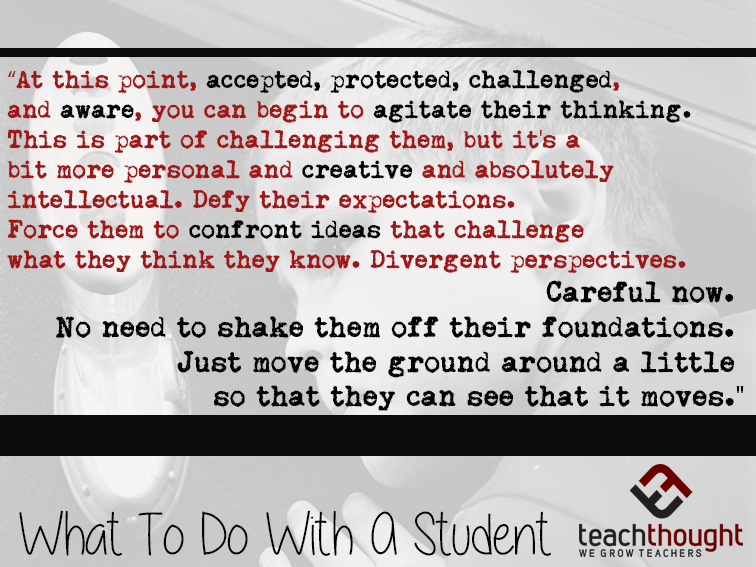
At this point, accepted, protected, challenged, and aware, you can begin to agitate their thinking.
Students may attempt to disguise their plagiarism by using complex vocabulary or terminology inconsistent with their usual writing ability.