10 Signs Of Plagiarism Every Teacher Should Know
Students may attempt to disguise their plagiarism by using complex vocabulary or terminology inconsistent with their usual writing ability.


Students may attempt to disguise their plagiarism by using complex vocabulary or terminology inconsistent with their usual writing ability.
Direct instruction is the explicit teaching of objectives while project-based learning is more passive, ongoing, and self-directed.
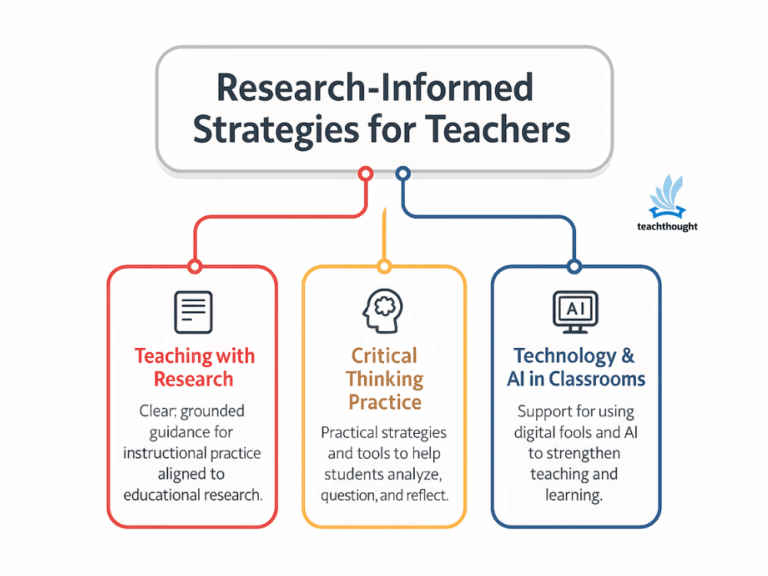
While ‘being cool’ isn’t necessary for effective pedagogy, there is an undeniable performative component to teaching.
Students need access to lower-level information to then use in higher-level thinking that requires them to synthesize disparate perspectives.

This planning template for project-based learning in the elementary school classroom includes both a blank and completed example.
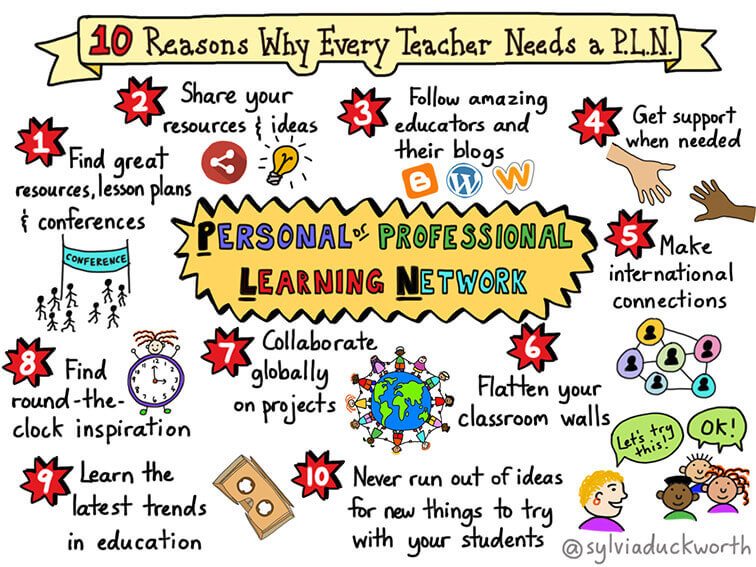
A personal learning network is a group of people you connect with to learn from through their ideas, questions, backgrounds, and references.
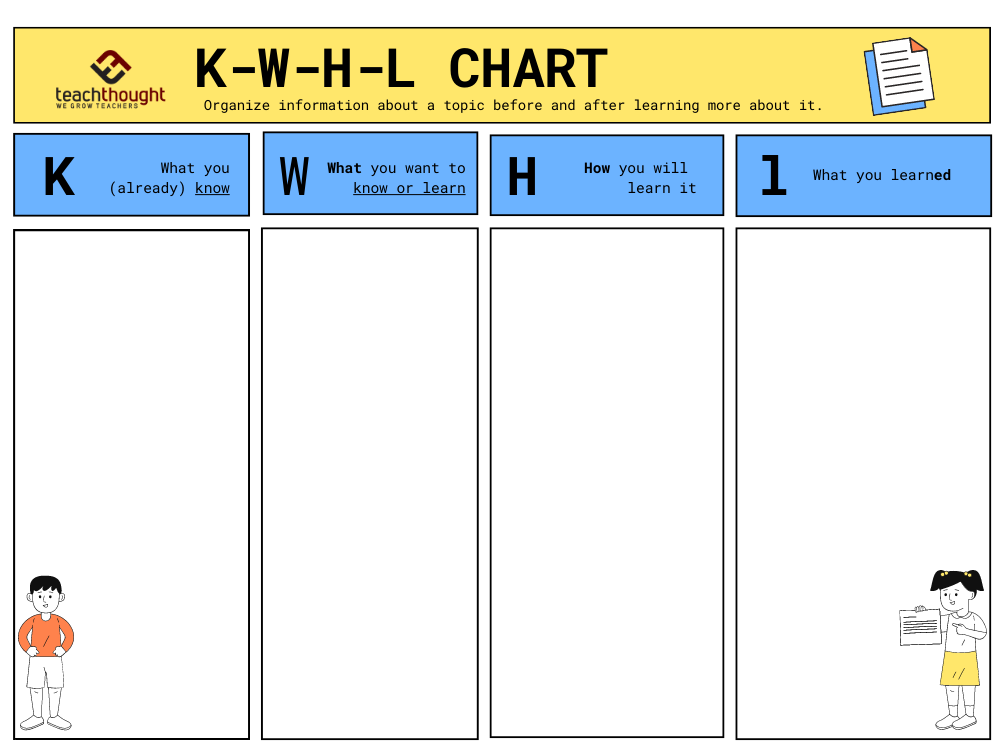
A KWHL chart is a variation of a KWL graphic organizer that adds ‘How’ to the predictive and reflective process.
Deeper learning work presents opportunities for students to wrestle with concepts, ideas, and knowledge in a culture of inquiry.
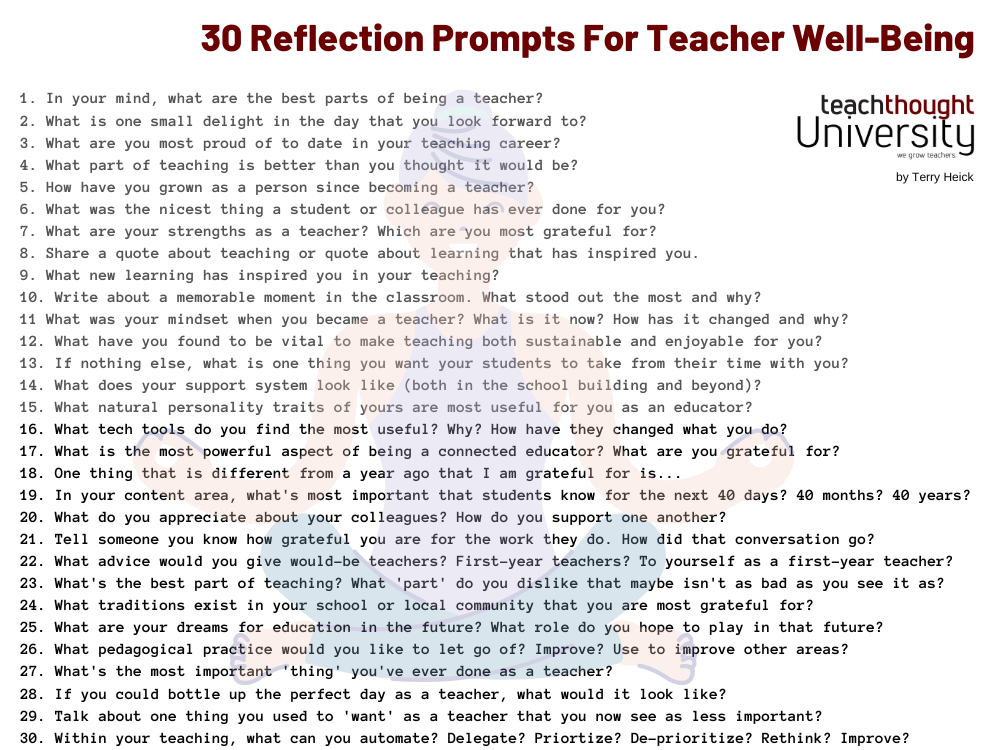
The following metacognitive prompts can help teachers reflect on the full picture of being an educator, including their well-being.
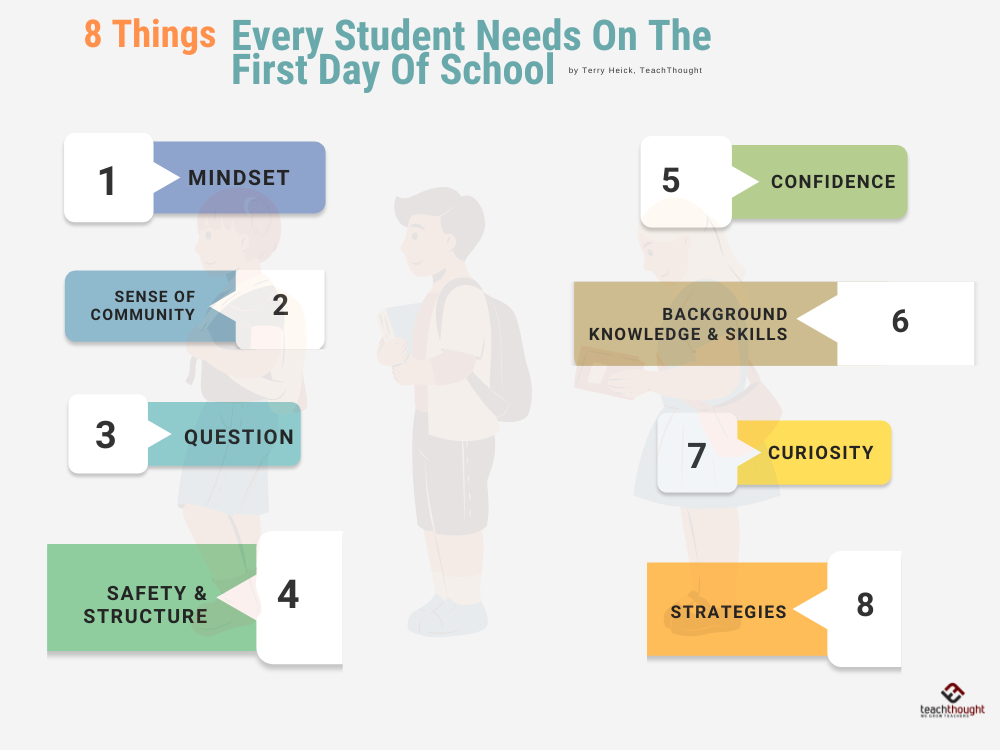
Everyone needs somebody, and the first day of school is one of those times. It is comforting to find a familiar face in an unfamiliar room.
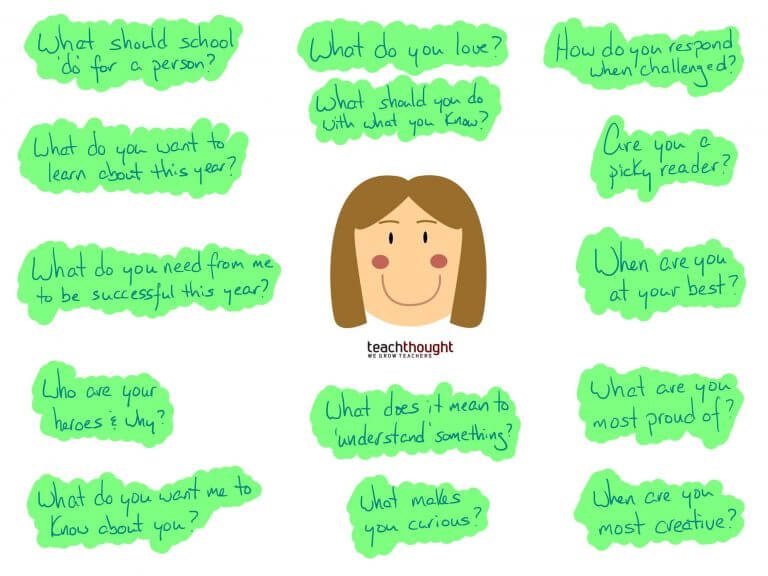
Here are 12 questions to ask students on the first day of school, including: “What do you need from me to be successful this year?”
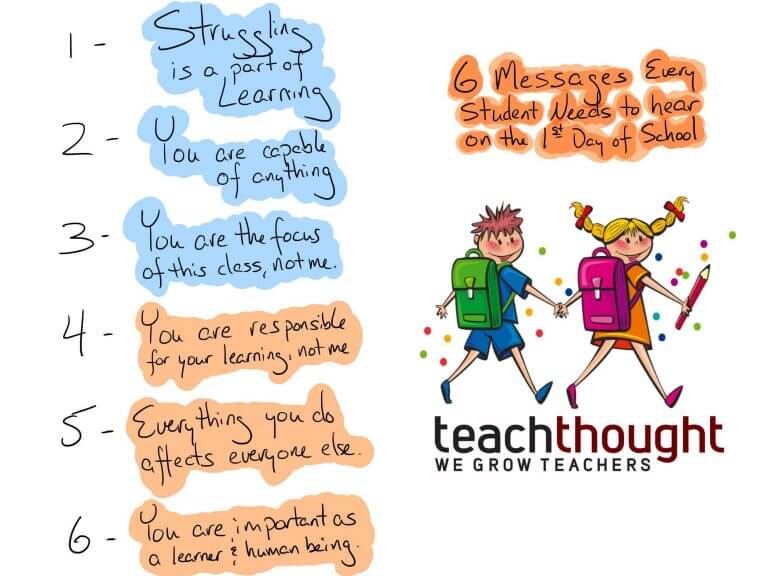
“Everything you do–good or ‘bad’–affects everyone else in the room. That means everything you do matters because you matter.”
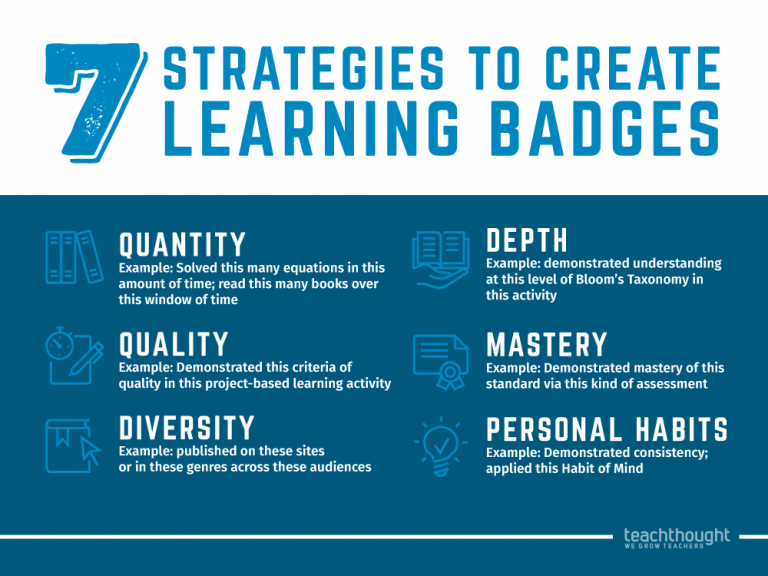
The effect of well-designed learning badges is a kind of encouragement mechanic that helps students see their own progress.
Ask yourself if teaching is good for you. Healthy. Sustainable. What you want to do and be. A lot has changed in education. A lot.