8 Ways To Improve How Schools Relate To Communities
You can’t be a great doctor if you don’t serve patients–and it’s hard to be a great teacher if you don’t serve students and communities.

You can’t be a great doctor if you don’t serve patients–and it’s hard to be a great teacher if you don’t serve students and communities.
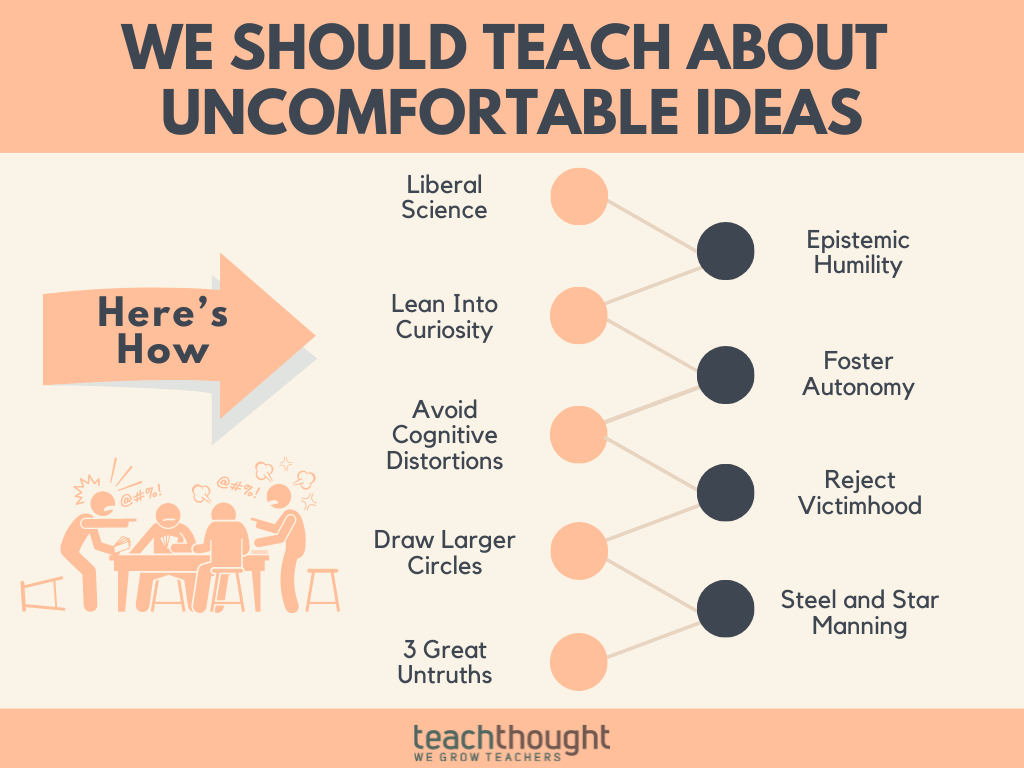
We can striving to remain true to the ideals of liberal science and the cascading norms of conversation using an inquiry stance.
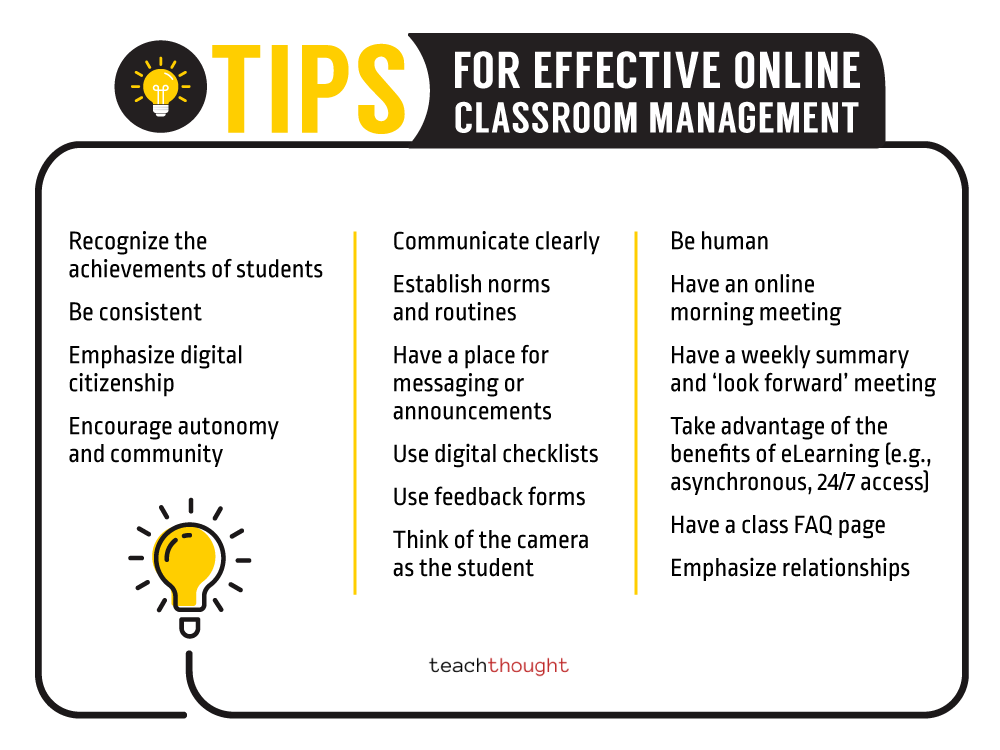
Effective online classroom management mirrors effective in-person management, both benefiting from norms, feedback, and routines.
How can you create a brain-friendly classroom? By reducing stress, creating positive associations, and promoting feedback loops.
What Are 3 Simple Strategies For Smarter Curriculum Mapping? by Terry Heick The school year isn’t a series of sprints, but the way you forge your curriculum can make it feel that way. The most common way of structuring how you teach is by first assembling standards into units, then those units into lessons. You…
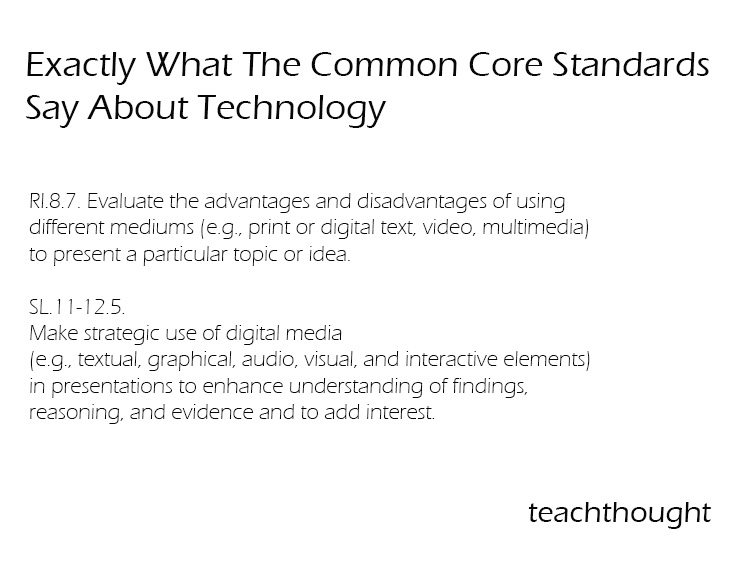
The standards don’t just suggest novel technology use as a way to ‘engage students’ but rather requires teachers to make complex decisions about that tech.
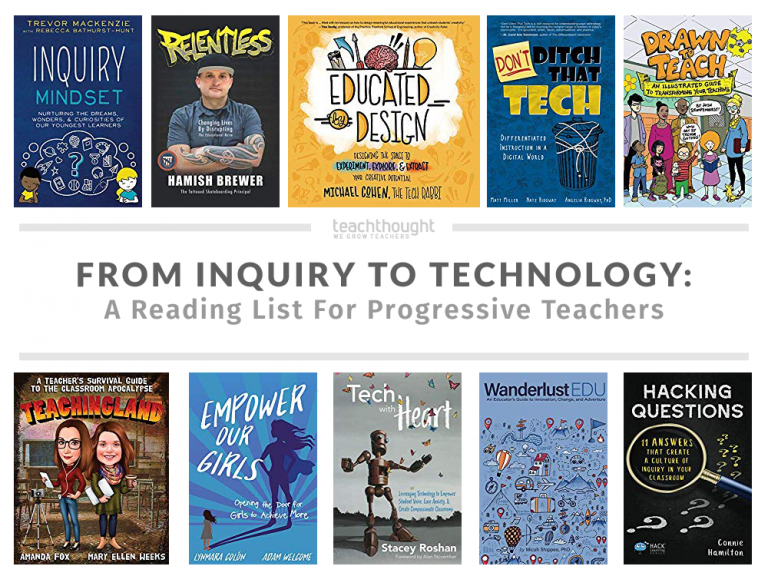
From understanding to poverty to critical thinking to assessment, here is a reading list of books for all teachers.
False dichotomies about inquiry teaching advanced by critics are detrimental to the students and society that so desperately need it.
Upgrading for me means a clean, fresh start. It’s about assessing what’s out there, removing what’s outdated, and investing in the future.
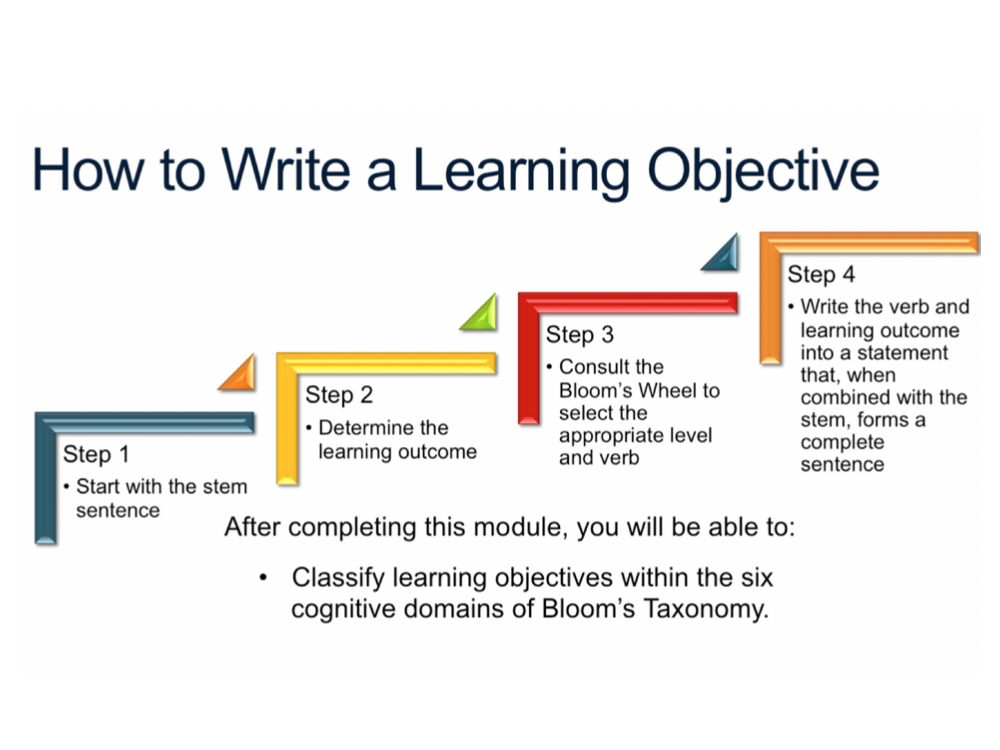
Used correctly, Bloom’s Taxonomy can help you to write lesson objectives aligned with specific levels of cognitive complexity.
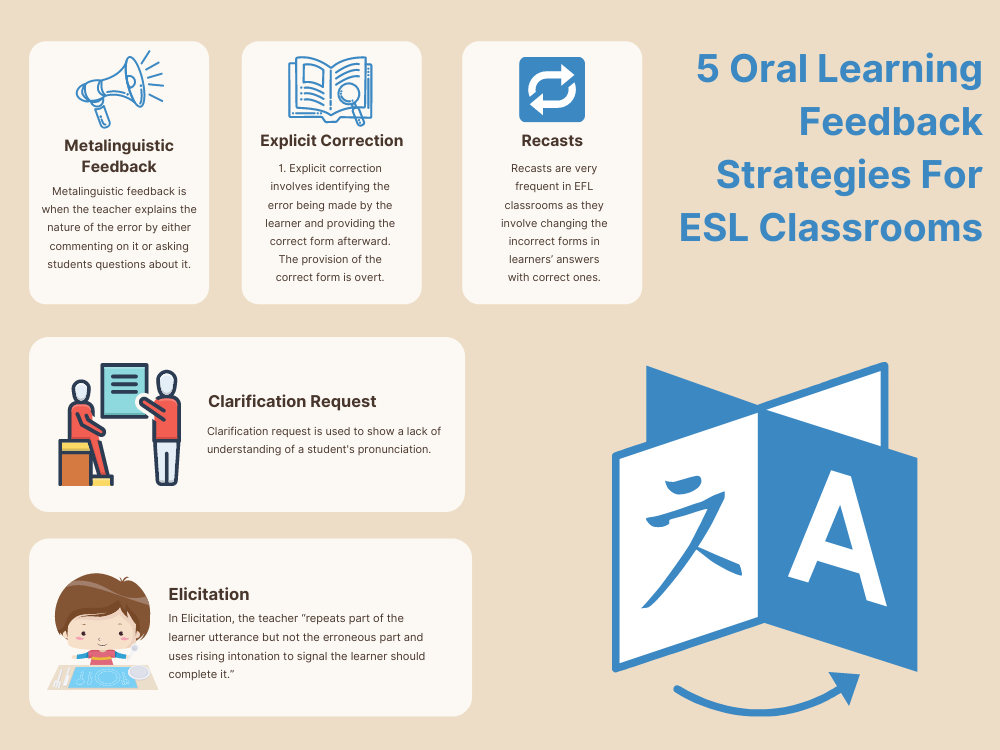
Recasts are very frequent in ESL classrooms as they involve changing the incorrect forms in learners’ answers with correct ones.
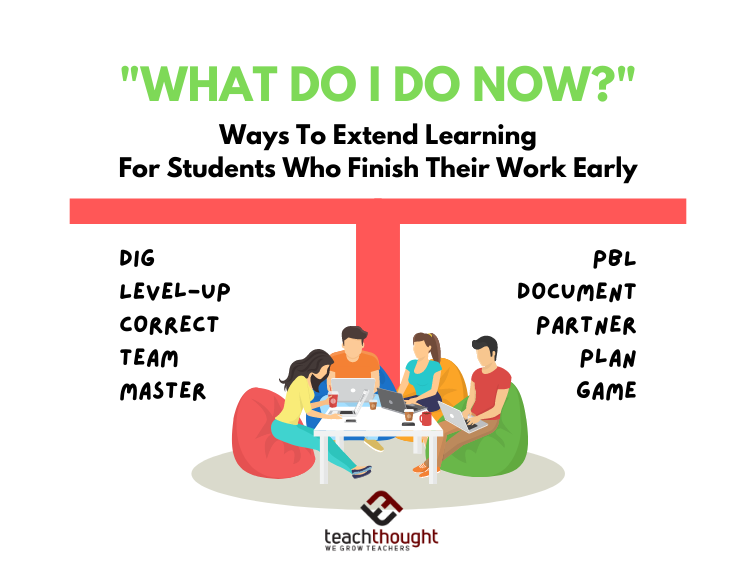
When students finish early, help them by naturally funneling them toward extending and improving the work they’ve already done.
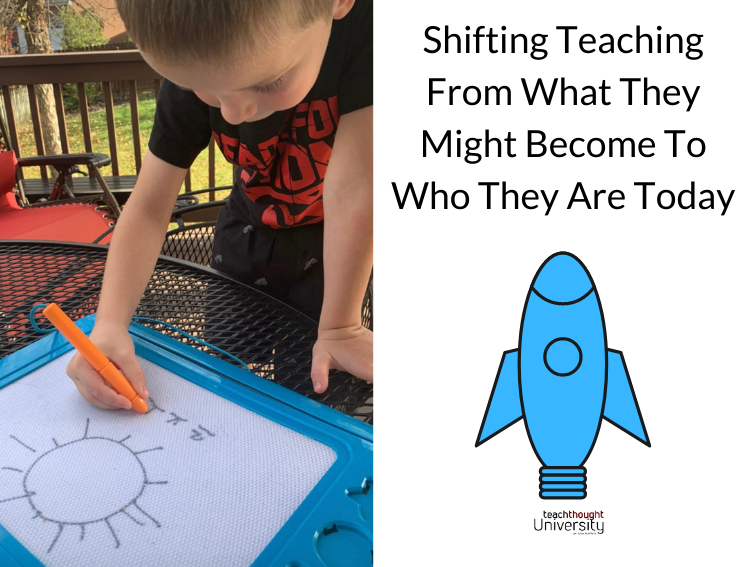
I shifted my teaching from what my students might ‘become’ in the future to who they are and what they need today.
To what things do we as teachers in classrooms tend to be blind? Where should we look to better understand what is happening in our class?