4 Principles Of Digital Literacy
In the 21st century, new literacies are emerging and digital media forms allow communication to be more nuanced than ever before.

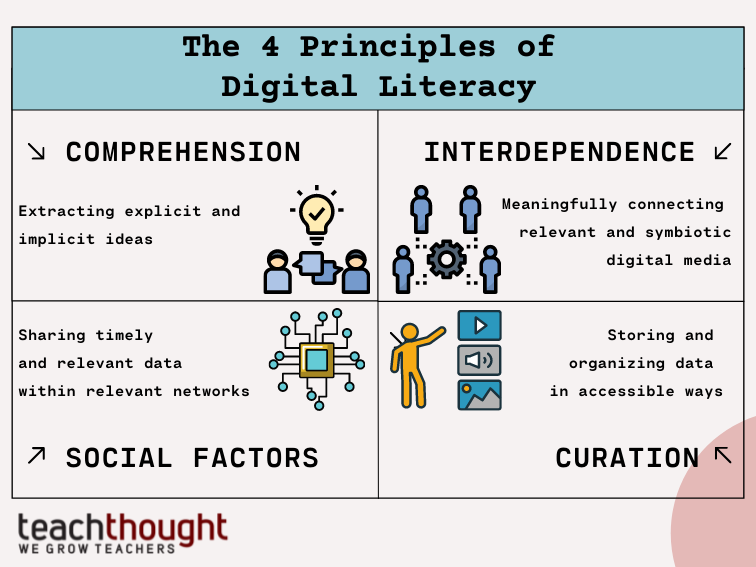
In the 21st century, new literacies are emerging and digital media forms allow communication to be more nuanced than ever before.
It’d be easy to think of the Library of Congress as a stodgy old place full of dusty and antiquated resources. That perception would be wrong. The Library of Congress adds about 10,000 items to its collections every day, and has over 150 million resources overall. Among the resources? Sheet Music Maps Lesson Plans Manuscripts…
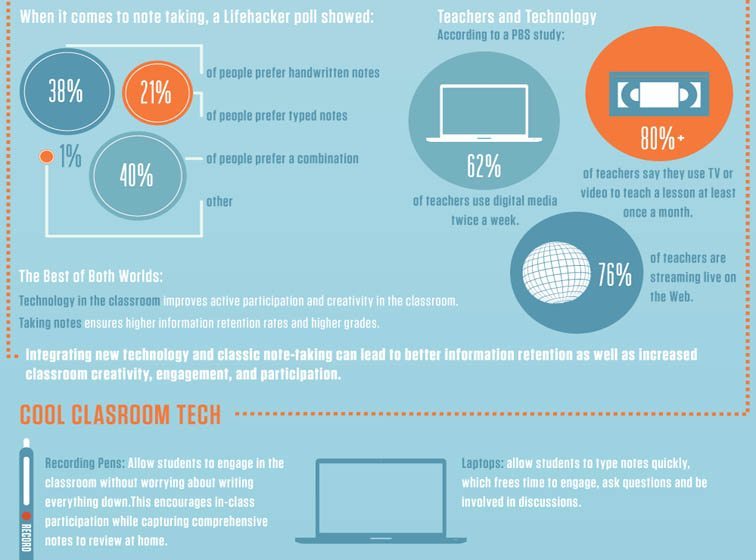
Notetaking In The Digital Classroom: A Blended Learning Approach Note-taking is part-and-parcel to the academic learning experience. Often during lecture, but also experiments, interviews, and field research, understanding what’s important and recording it for future reference is central to the learning process–curation before we called it that. So it may come as a surprise that…
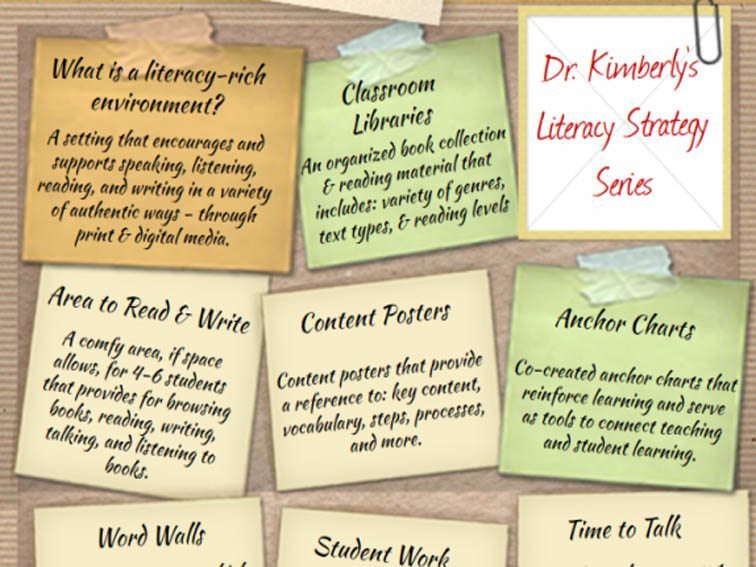
Literacy-rich environments have a significant impact on what goes on in the classroom and set the stage for interactions with genres.
The shift to digital instruction, preparations for state online assessment, and a new crop of writing apps is adding energy to ELA.
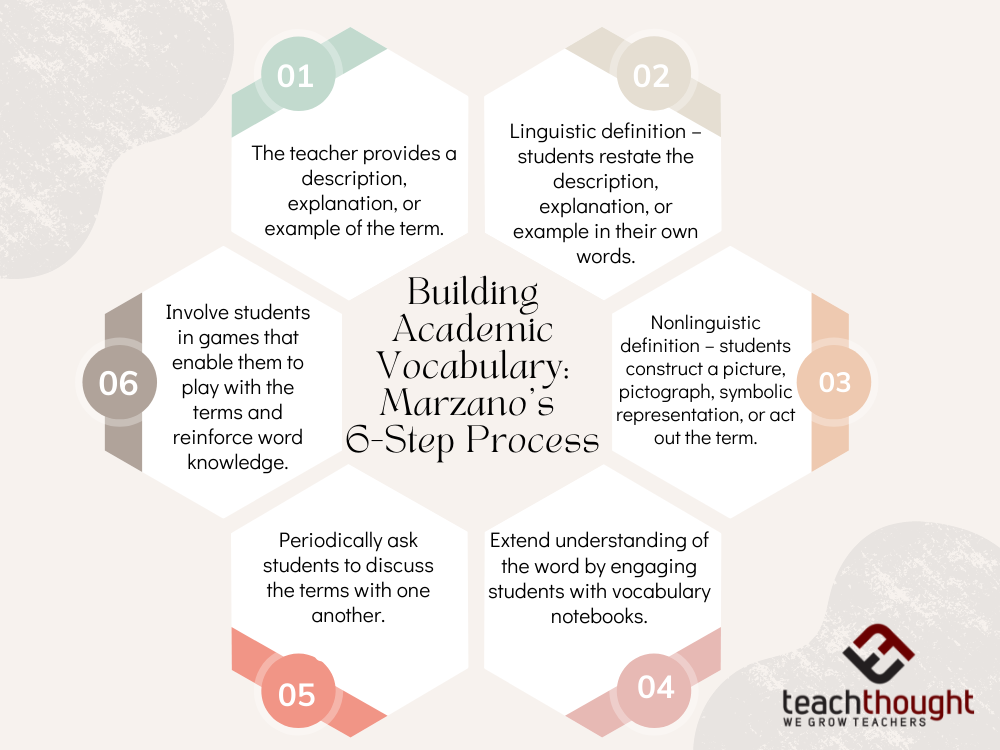
In this post, Marzano laid out a 6-step process for building academic vocabulary, including direct instruction and playing with words.
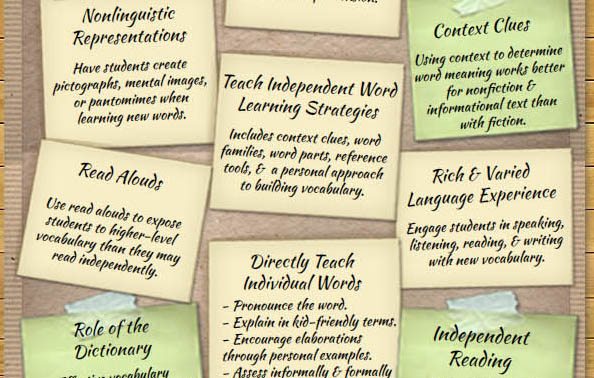
Effective vocabulary instruction across grade levels and content areas is key.
Have you ever wondered what English sounds like to a non-English speaker? This video gives an interesting example.
The teaching of reading and writing has long been viewed as the “job” of English teachers, though success across content areas depends heavily on reading and writing fluency. One of the stronger messages of the K-12 Common Core academic standards is that the “burden” of literacy should be spread across content areas–that teaching reading and…
The brute force of social media, combined with the incredible access to–and engaging nature of–digital media like video games, videos, and film–are undoubtedly impacting the way students learn. The very nature–in duration, tone, form, and nuance–of the media they consume hasn’t just “changed” (which implies a single change) but is in a constant state of…
The future library system won’t disappear soon, but rather, blossom into something in congruence with today’s myriad informational demands.
Promoting reading, writing, and other academic subjects stands as crucial to keeping humanity from wrecking itself before it checks itself.
While complaints about ‘kids today’ are nothing new, the current writing crisis is supported by more than sentiment.
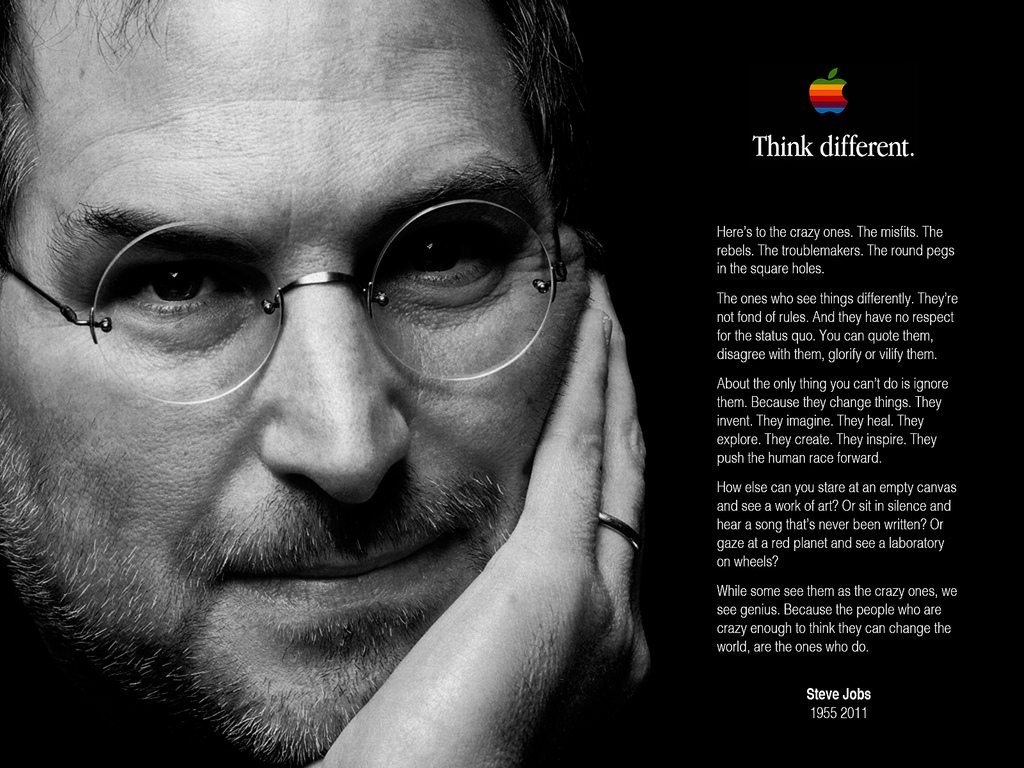
In the world of tech, education, and culture, thinking differently is at worst a path to revelation, at best, the way to spectacular change.