5 Strategies For Creating A Genius Mindset In Students
Genius requires one to reject convention in pursuit of something special through a mix of intelligence, creativity, mindset, and perseverance.

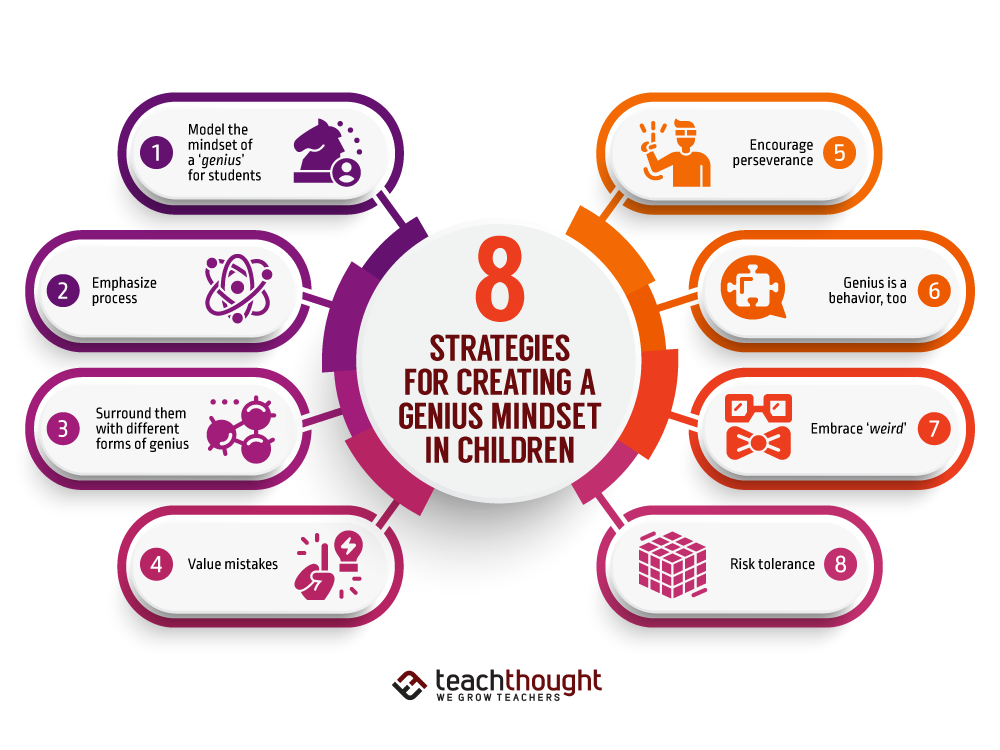
Genius requires one to reject convention in pursuit of something special through a mix of intelligence, creativity, mindset, and perseverance.
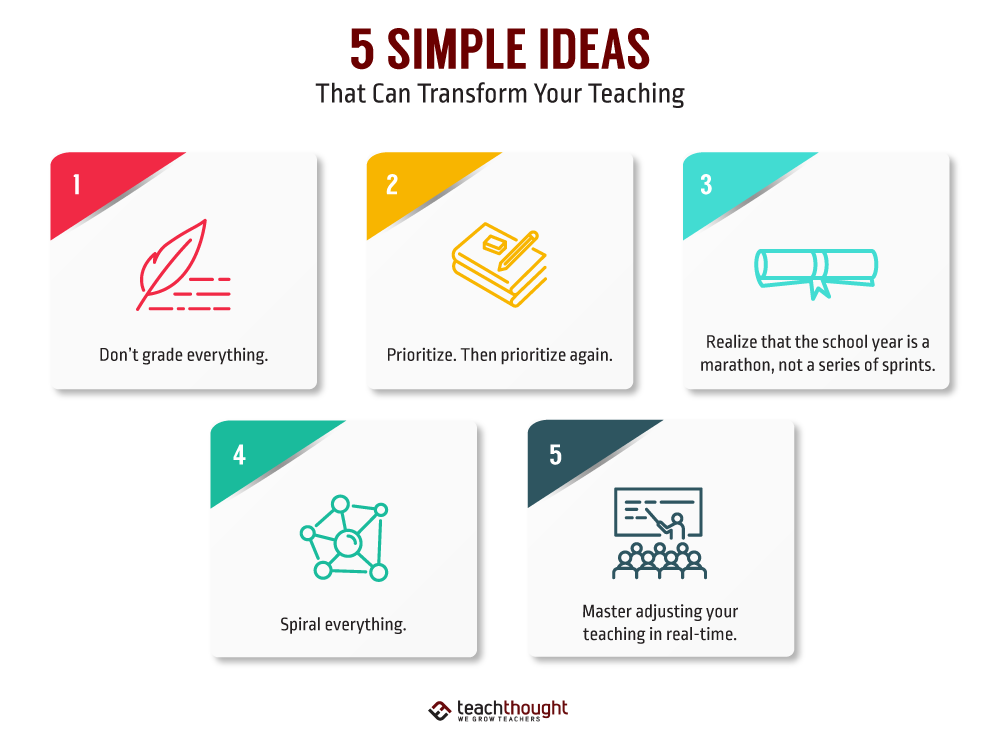
The school year is a marathon, not a series of sprints. You have longer than you think to help students learn by transforming your teaching.
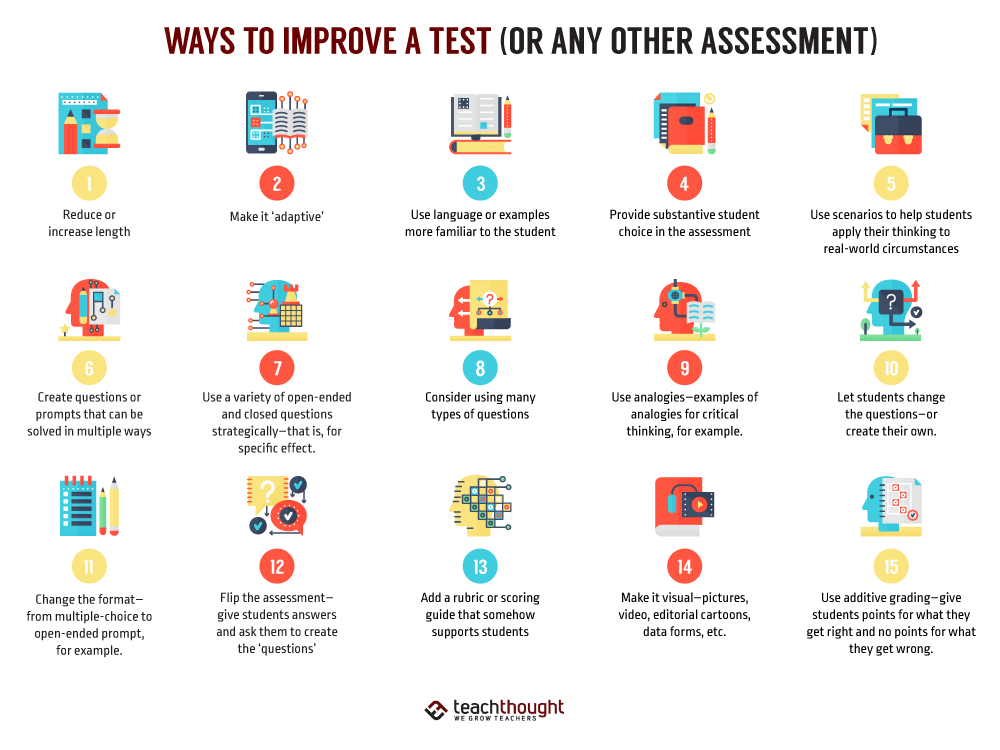
From making it adaptive to changing the form, timing, language, or structure of the assessment, here are 20 ways to improve a test.
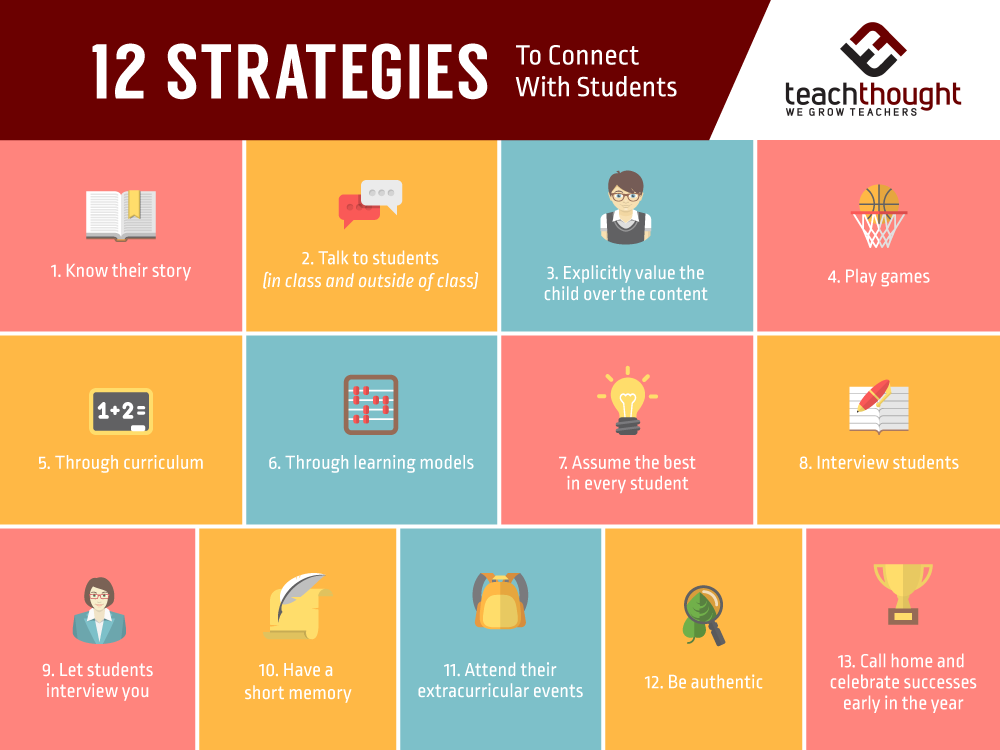
Student engagement is one of the most fundamental requirements of learning. Without an engaged mind, everything else is futile.
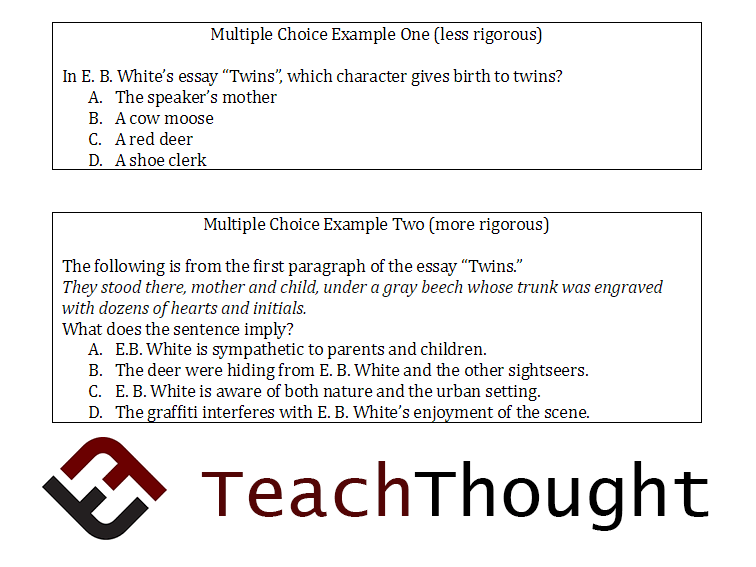
Does the multiple choice question require a passage or graphic? Does it provide students with the best opportunity to ‘show what they know’?
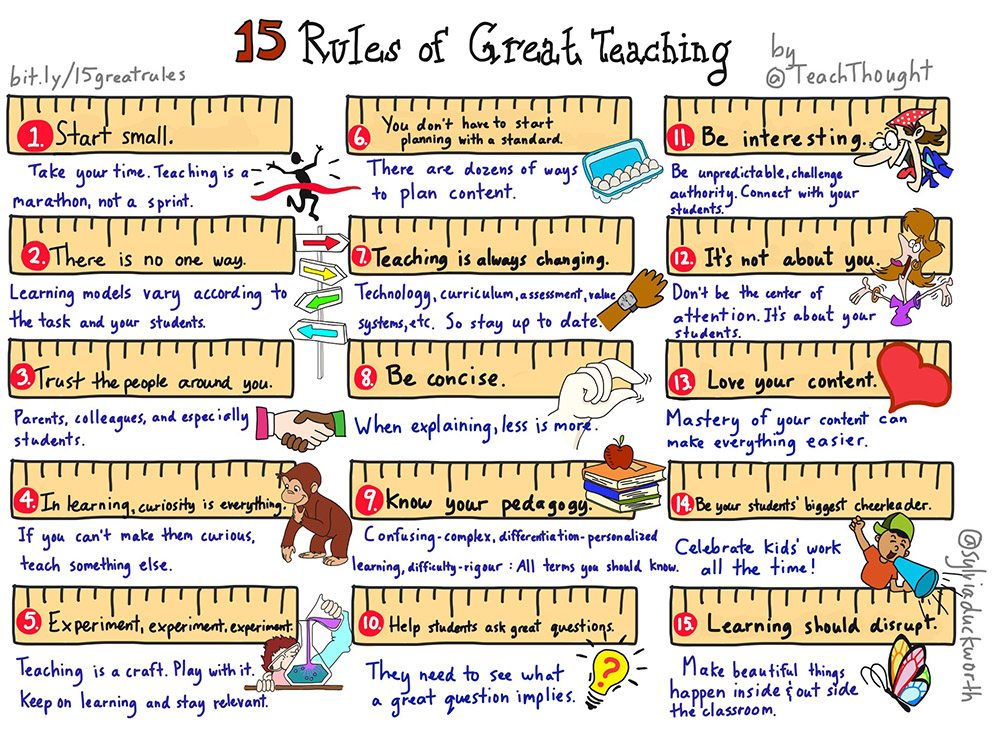
Good teachers seek engaged students. Great teachers–somehow, someway–find out what makes students click, and use it.
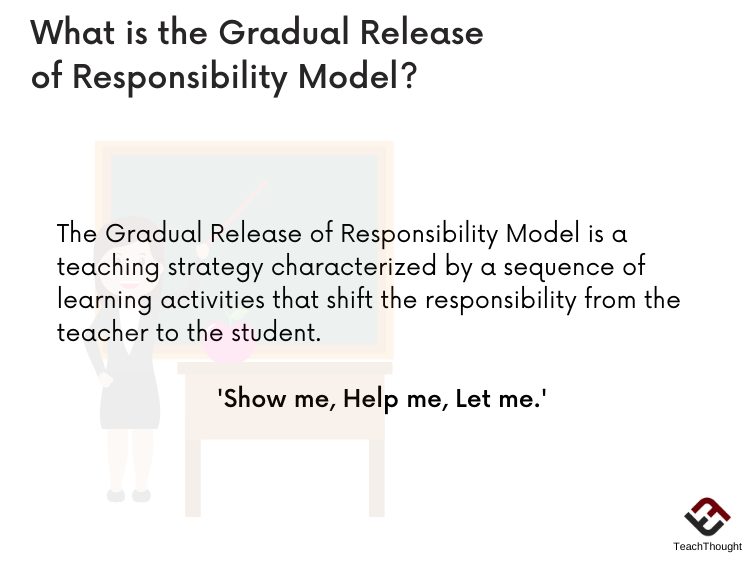
Gradual Release of Responsibility is a strategy characterized by a sequence of learning activities that shift responsibility to the student.
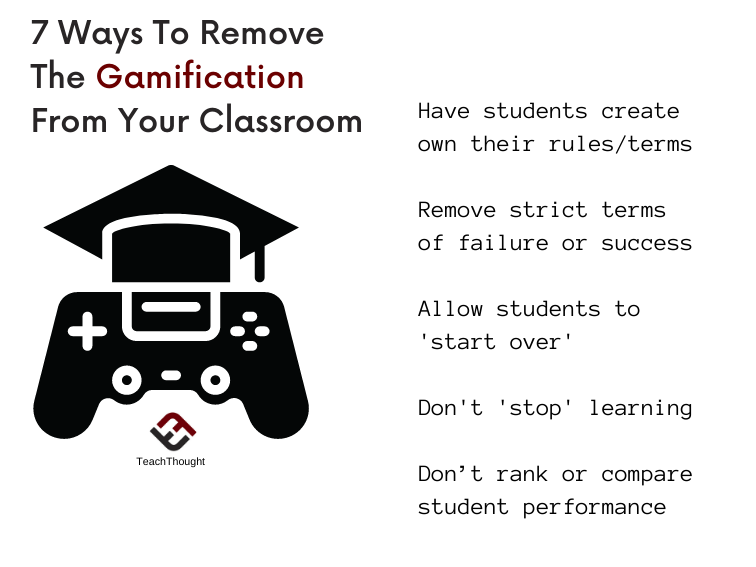
If you want to be more aware of what gamification, these examples may be useful if for nothing else than to be more intentional in using it.
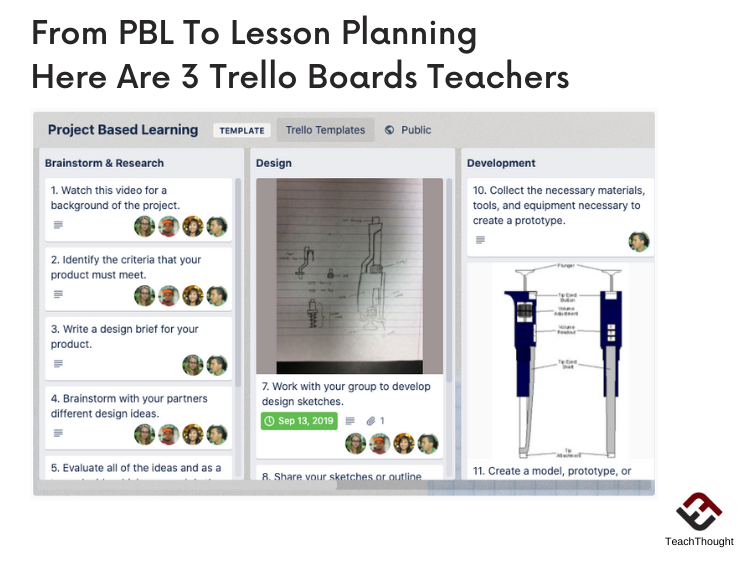
While we’d love to create a few templates of our own, here five of our favorite Trello boards for teachers we’ve found.
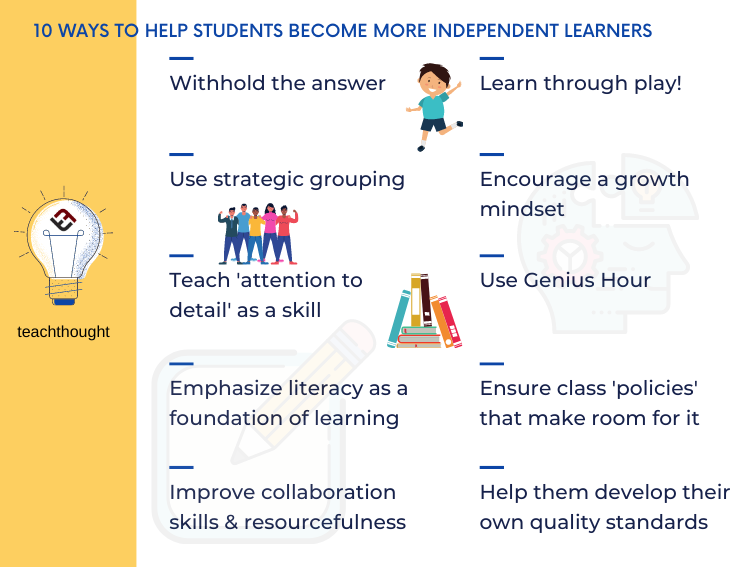
A teacher’s most important duty is to empower their students. Here are ways to help students to become more independent.
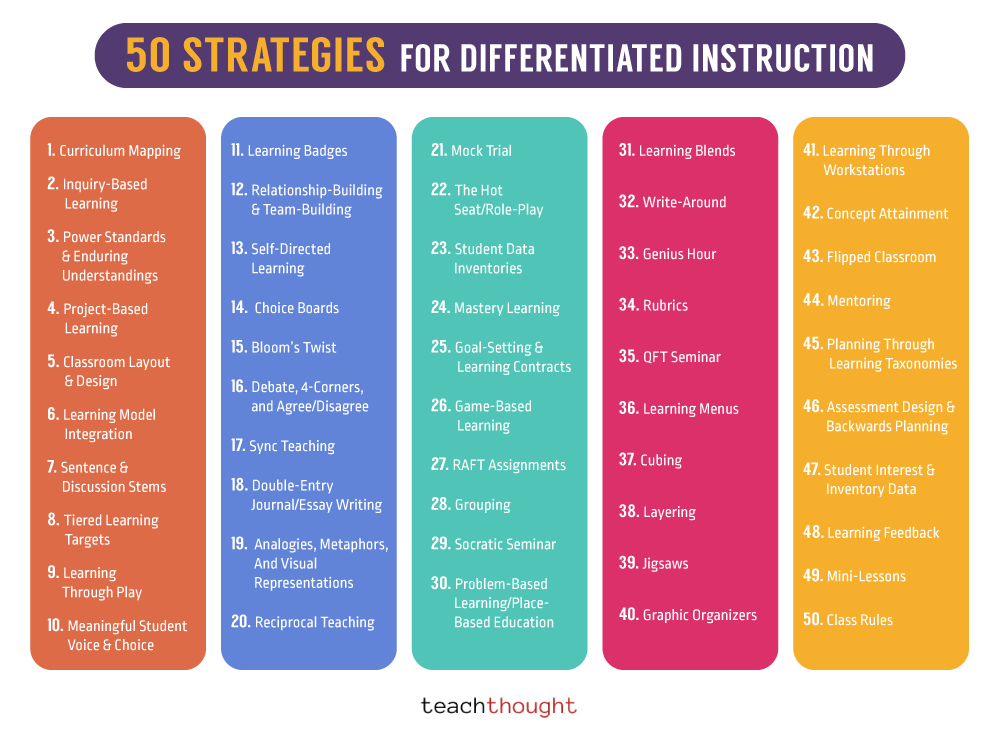
Differentiation is a rational approach to meeting the needs of students but actually making it happen in the classroom can be a challenge.
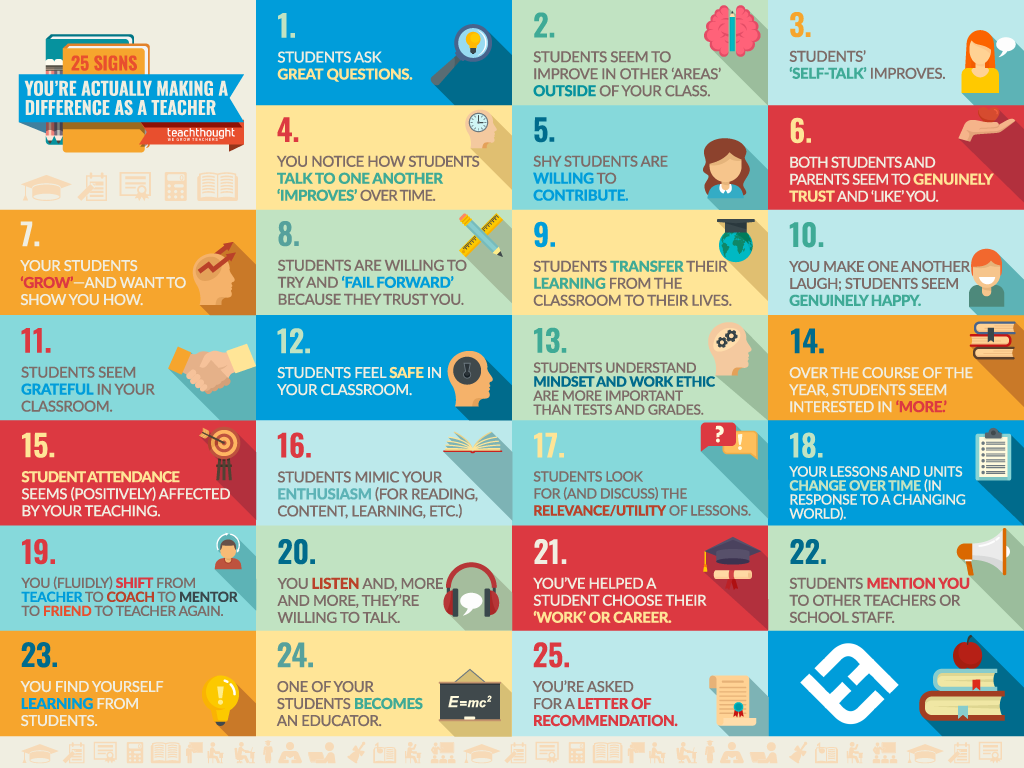
Teachers are given bar graphs on tests to show if they’re actually making a difference but there are other data points you should consider.
Help students understand that ‘help’ is the norm in the creative, scientific, and professional world. Asking for help is OK and necessary.
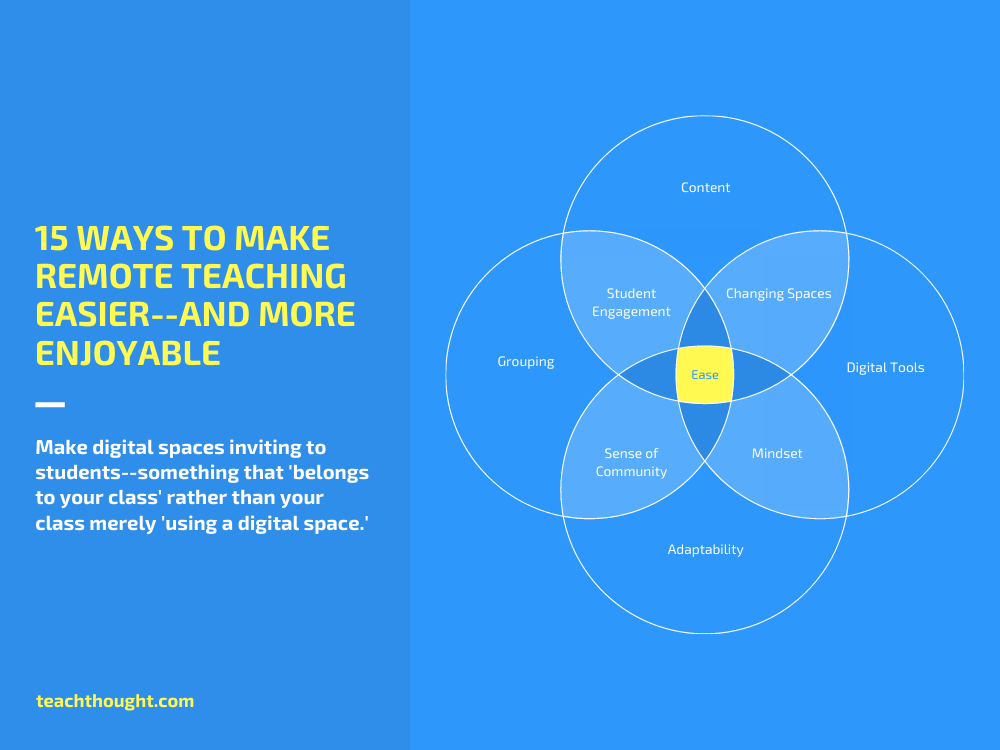
Make digital spaces inviting to students–something that ‘belongs to your class’ rather than your class merely ‘using a digital space.’