9 Ways To Help Students Learn Through Their Mistakes
There are different kinds of mistakes: careless mistakes, systematic mistakes, misconceptions, etc. Students need help understanding this.

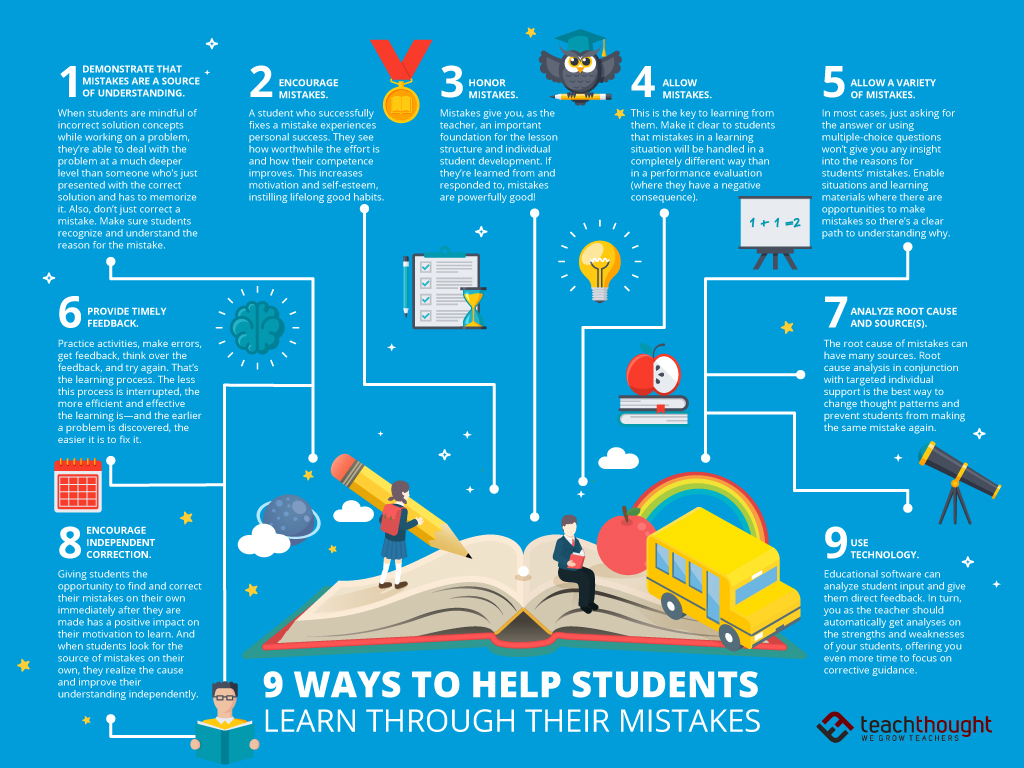
There are different kinds of mistakes: careless mistakes, systematic mistakes, misconceptions, etc. Students need help understanding this.
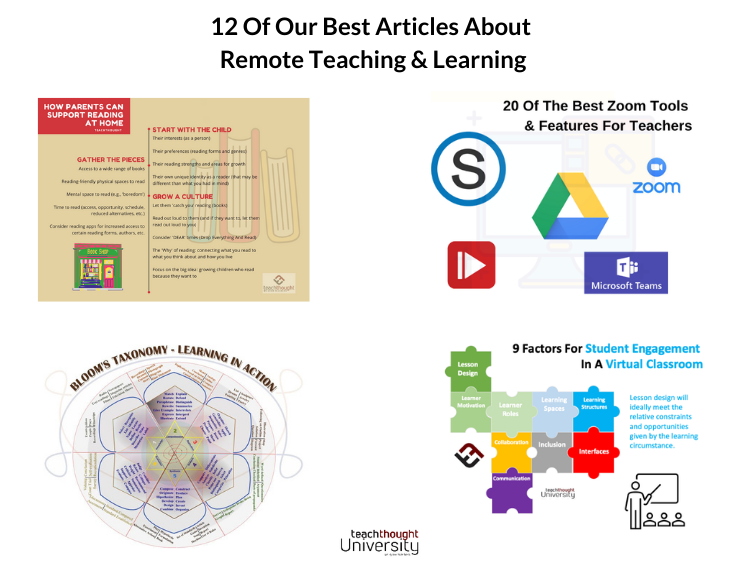
From Zoom tools to types of blended learning to principles of student engagement, here are 12 articles about remote teaching and learning.
Reflection is important in teaching — it prompts investigation of values, beliefs, & biases as teachers work to engage & transform students.
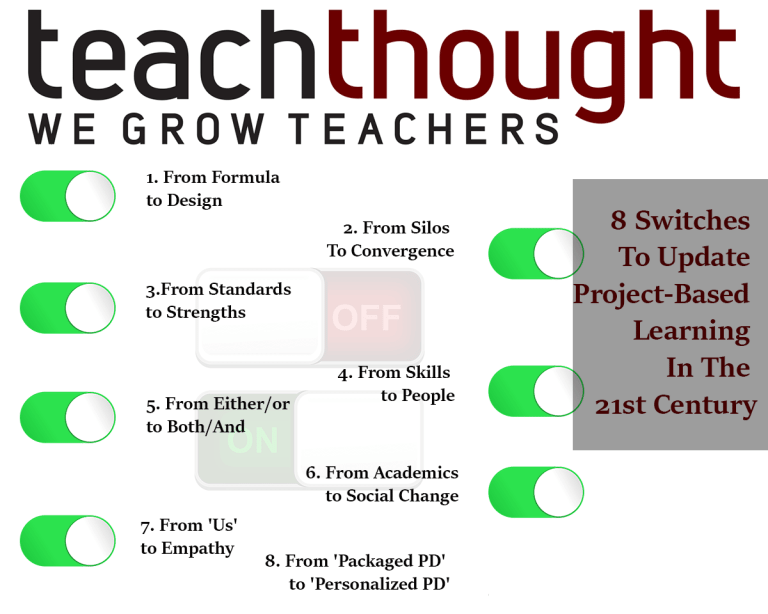
PBL is a service-oriented form of instruction — here are 8 project-based learning switches you can make for 21st century learning.
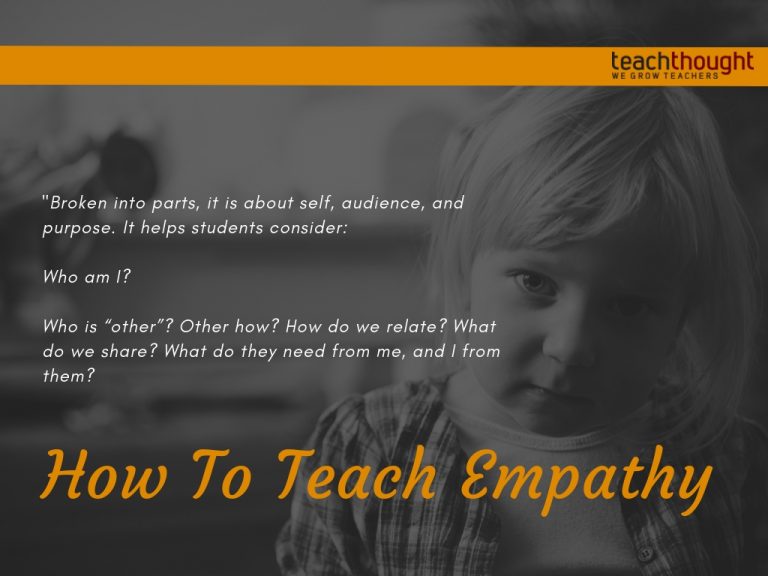
Want to teach students empathy? Start by helping students themselves not, “How am I unique?” but rather “How are we the same?”
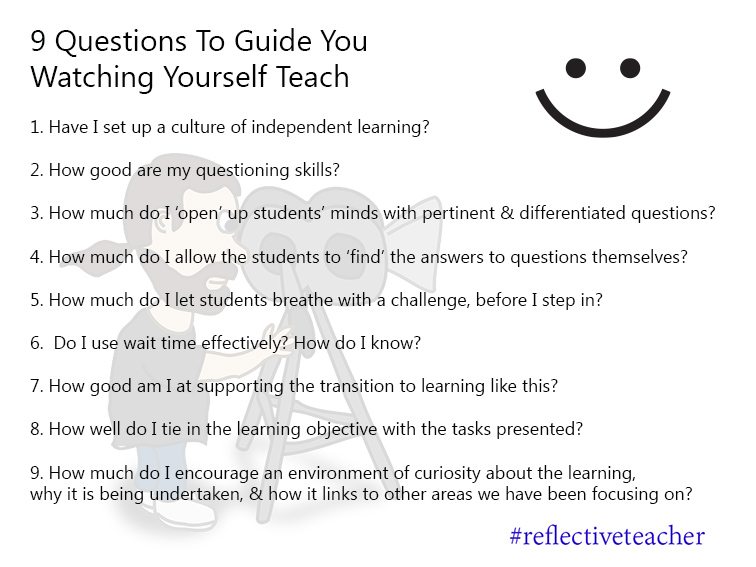
Video your teaching to see what really happens in your classroom. Then, reflect critically on your teaching with these 9 questions.
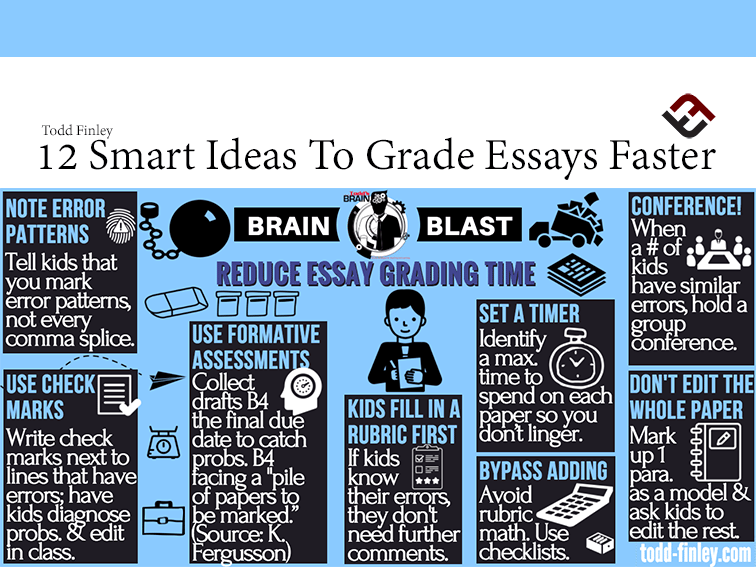
Grading essays can be extremely time-consuming. Here are 12 smart–and simple–ideas to grade essays faster.
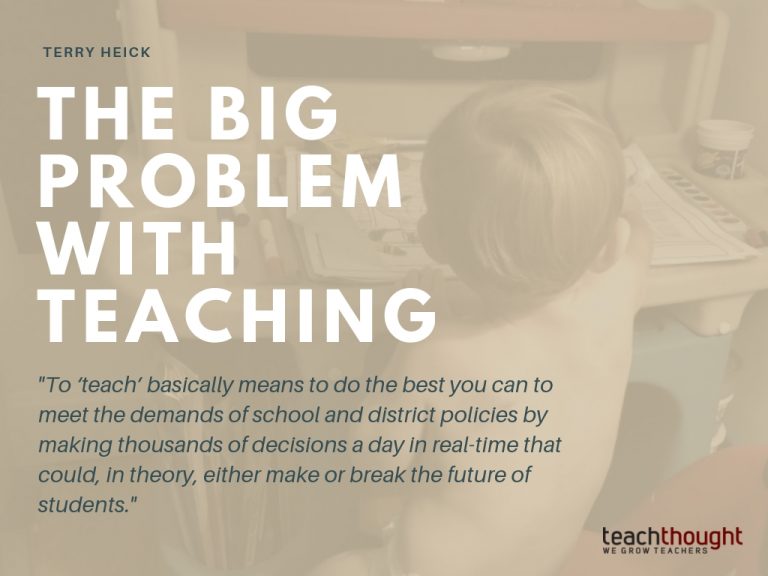
Good teaching is addicting–a kind of magic. It’s also unsustainable by the standards we’ve created for schools and teachers.
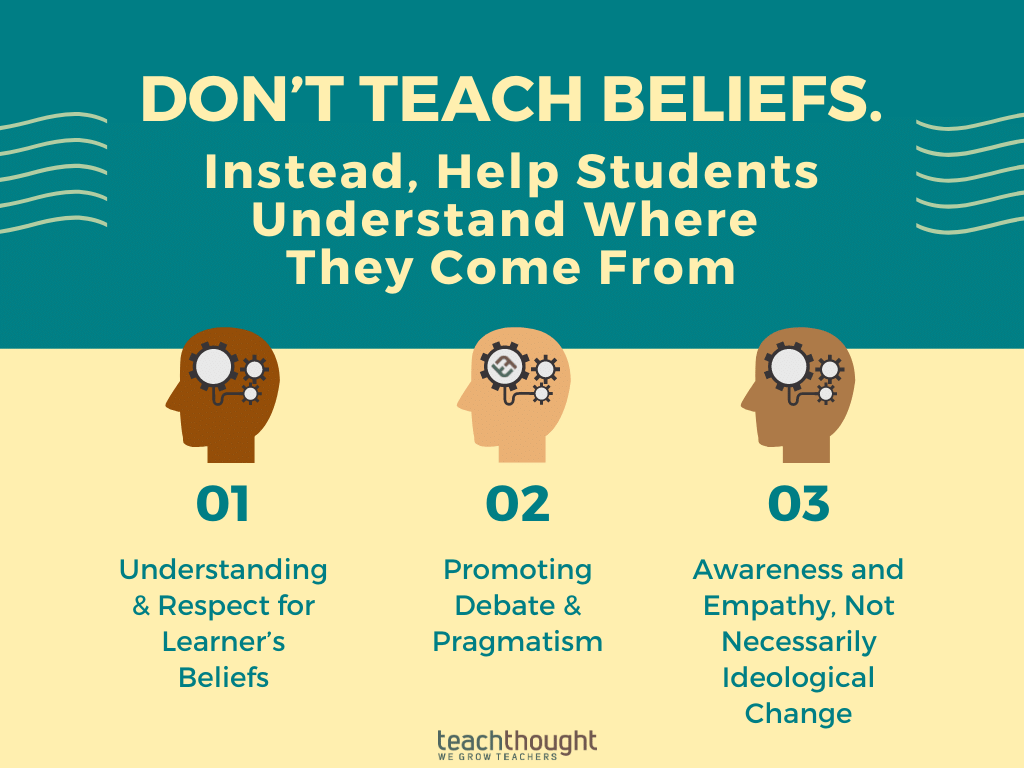
In helping students understand empathy, teachers give award learners the influence they have always held, but maybe didn’t realize.
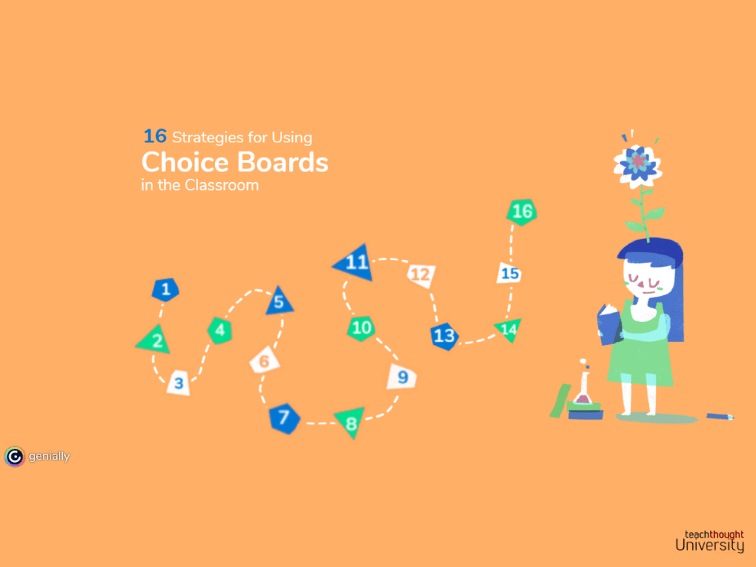
Strategies for creating digital choice boards include starting simply, adding audio or video content, and using learning taxonomies.
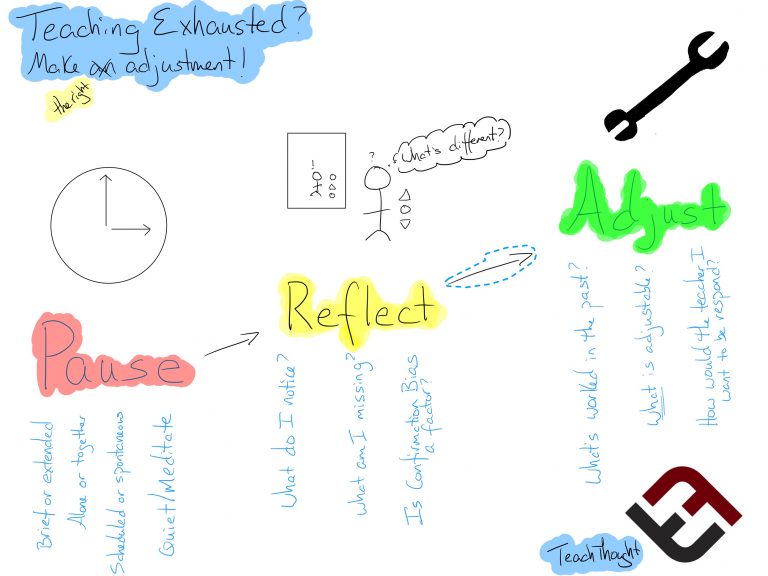
It took a few days for me to really shake off the effects of that week, and knowing my classroom was making me feel bad was an awful feeling.
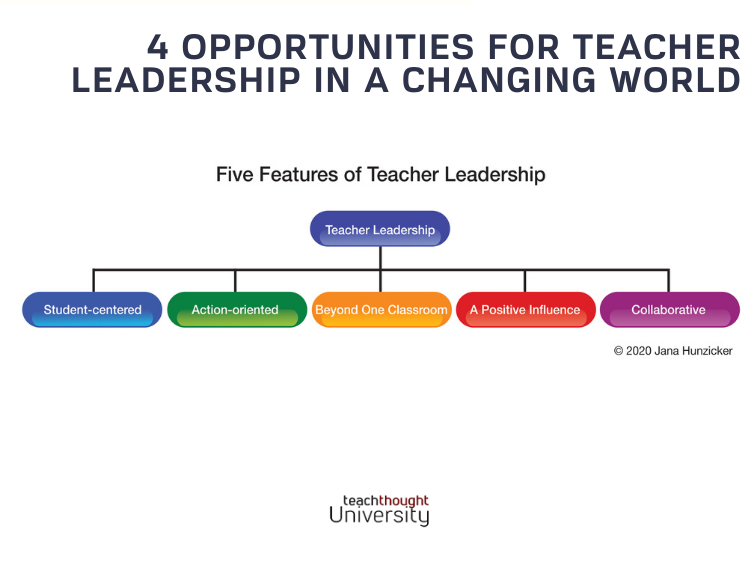
In a rapidly changing world, schools and districts have a chance to embrace significant and lasting change in ways never before possible.
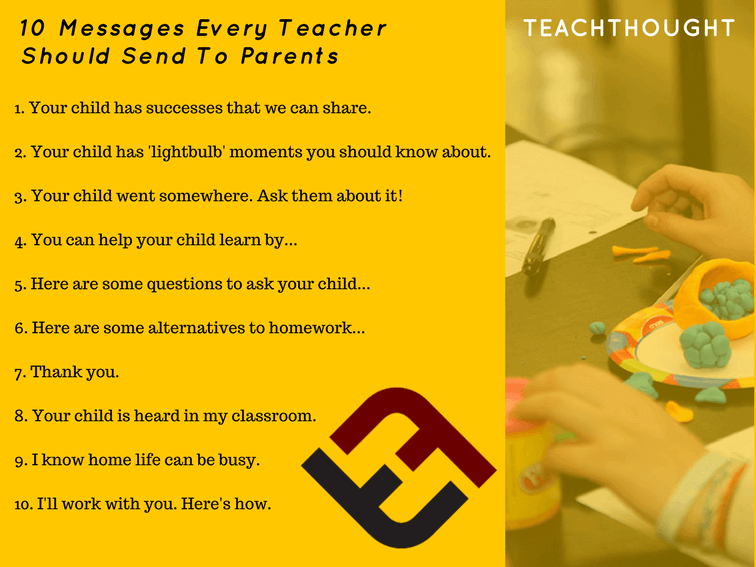
Recognizing parents’ challenges can turn things around for a troubled family and transform child’s behavior and performance at school.
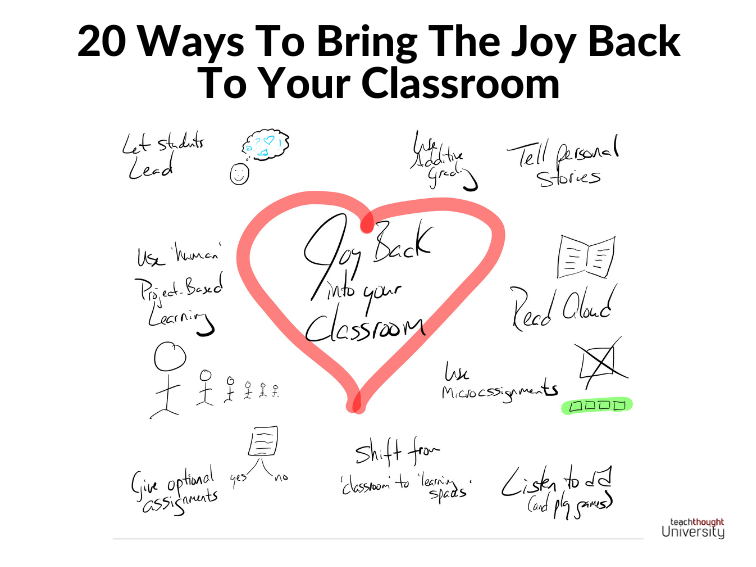
The potential for new learning spaces and dynamics represents an opportunity for a different kind of resonance–and hopefully, joy.