How Technology Changed Teaching And Learning
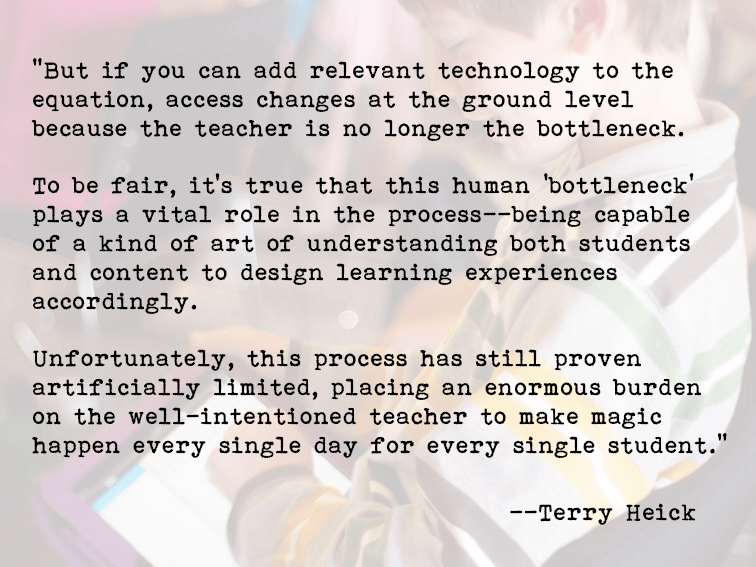
Challenges with privacy, cost, and using new tools in old learning models can make things worse for teachers and students, not better.

Challenges with privacy, cost, and using new tools in old learning models can make things worse for teachers and students, not better.
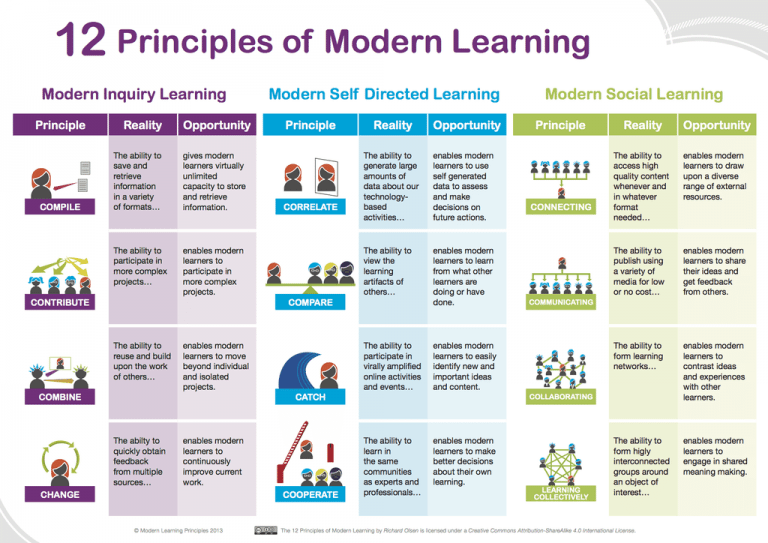
One principle of modern learning is Opportunity, which enables modern learners to use self-generated data to assess and make decisions on future actions.
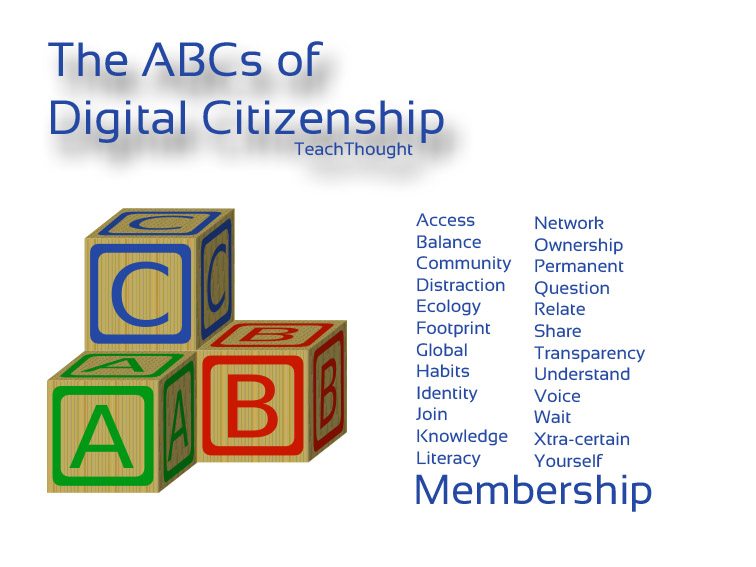
Here are the ABCs of digital citizenship, framed in an alpha blocks format. We’ve bolded those that focused on actions of the students.
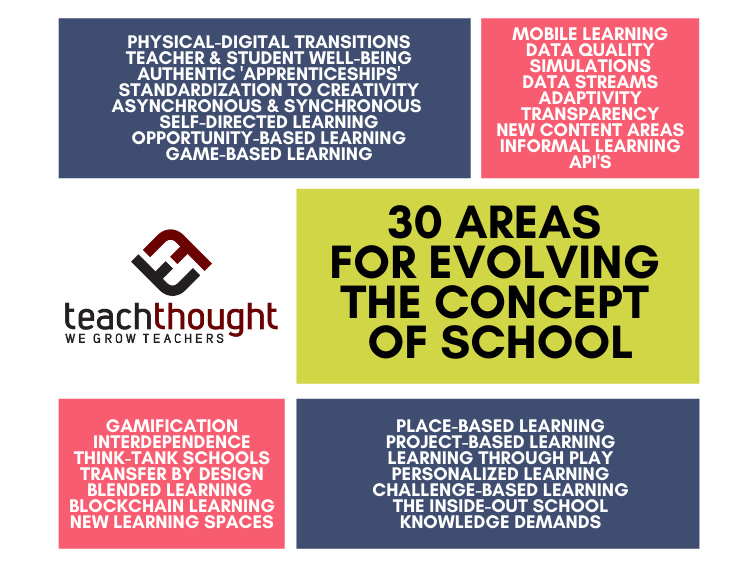
One idea for evolving school? Well-being-focused systems of teaching and learning that emphasize reasoning and cognitive behavior.
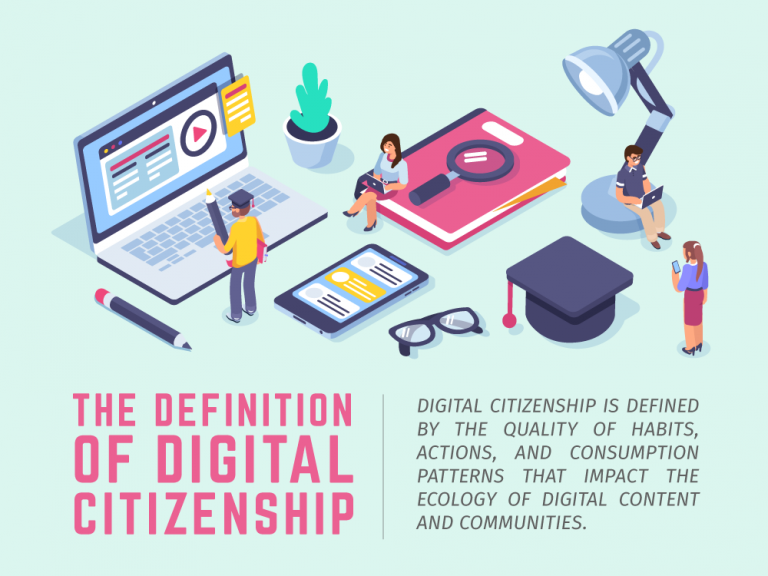
Digital Citizenship is the quality of habits, actions, and consumption patterns that impact the ecology of digital content and communities.
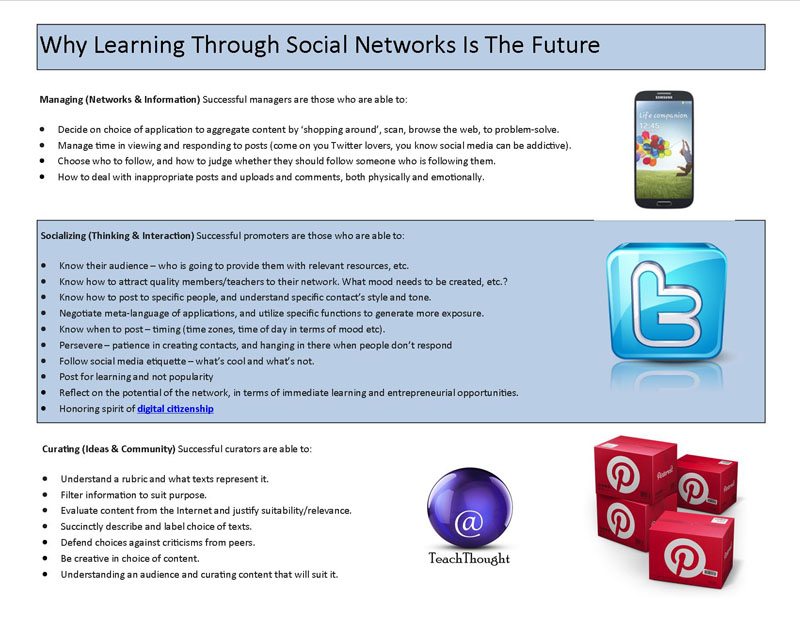
The ultimate perk of learning through social networks is creation of independent learners who can adapt to changing contexts.
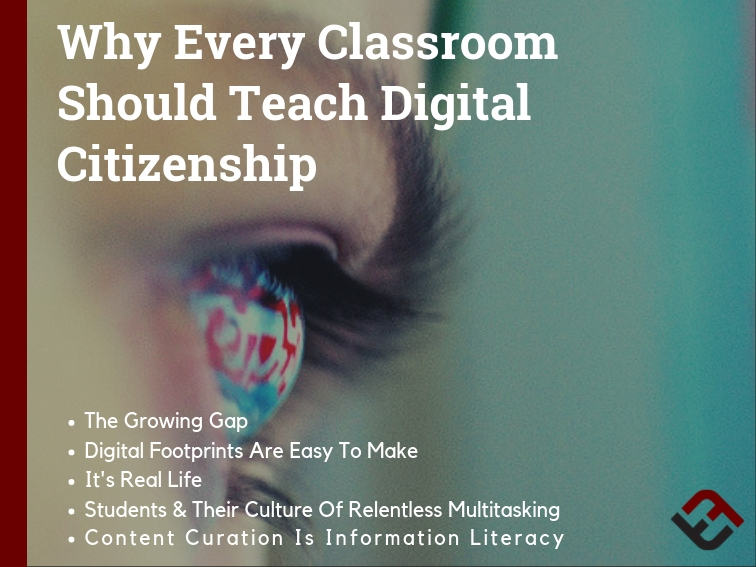
When you teach digital citizenship to students, you can help to create a positive school culture that supports safe, responsible tech use.
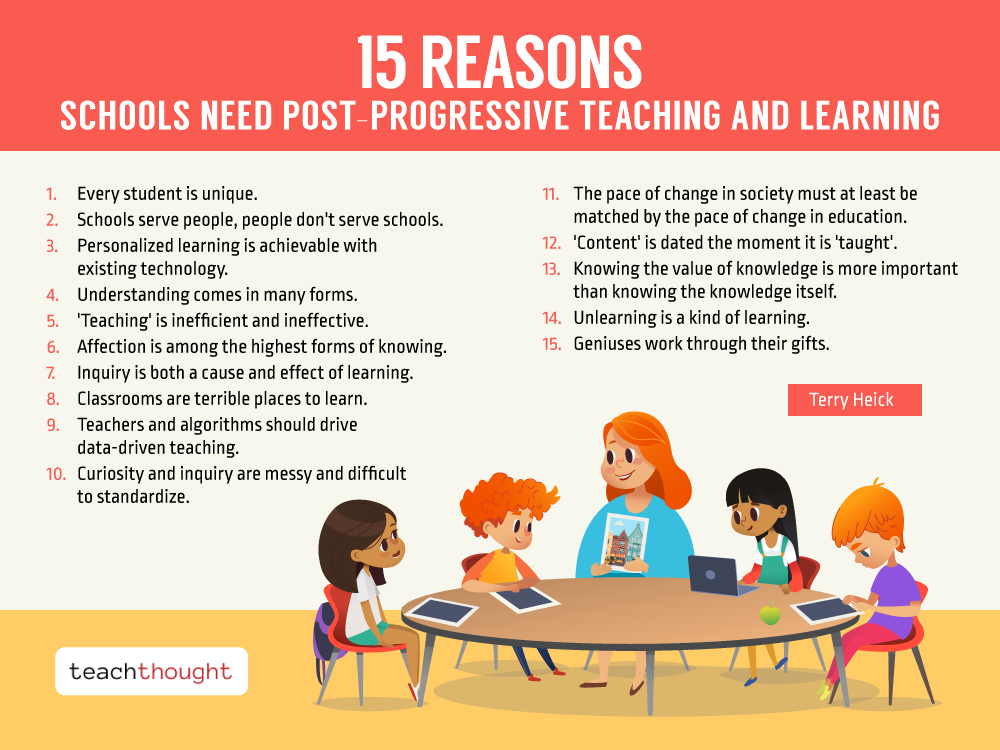
Teachers are guides and coaches and content experts. A ‘post-progressive’ teacher would be empowered, not replaced.
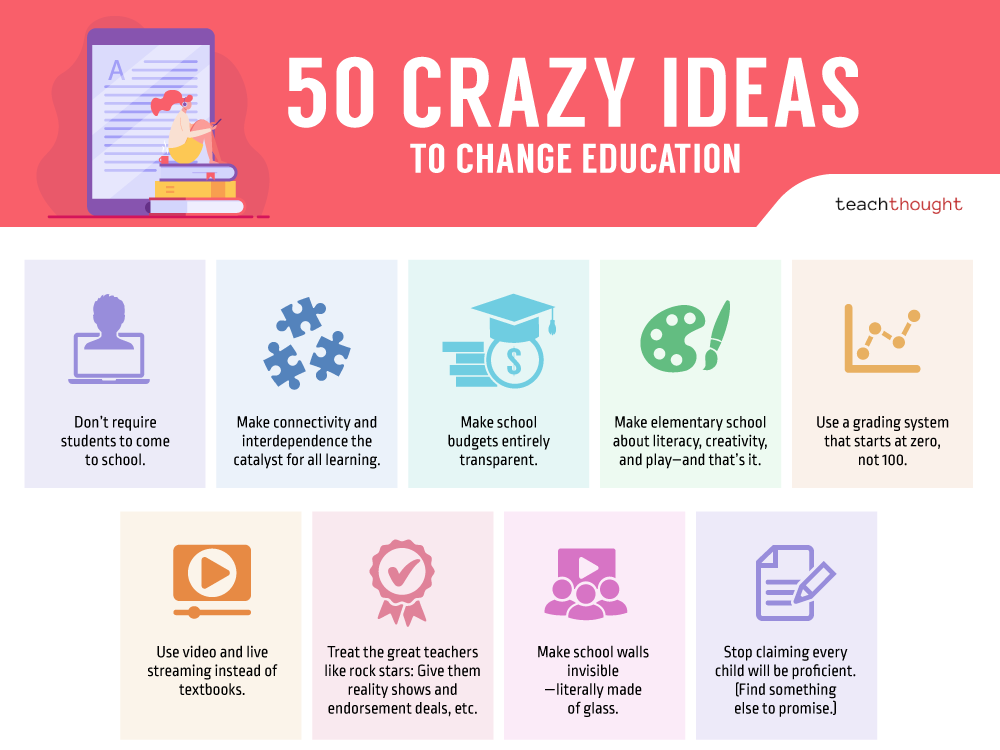
Make any politician voting on legislation have to qualify for that right to vote by spending a certain number of hours in the classroom.
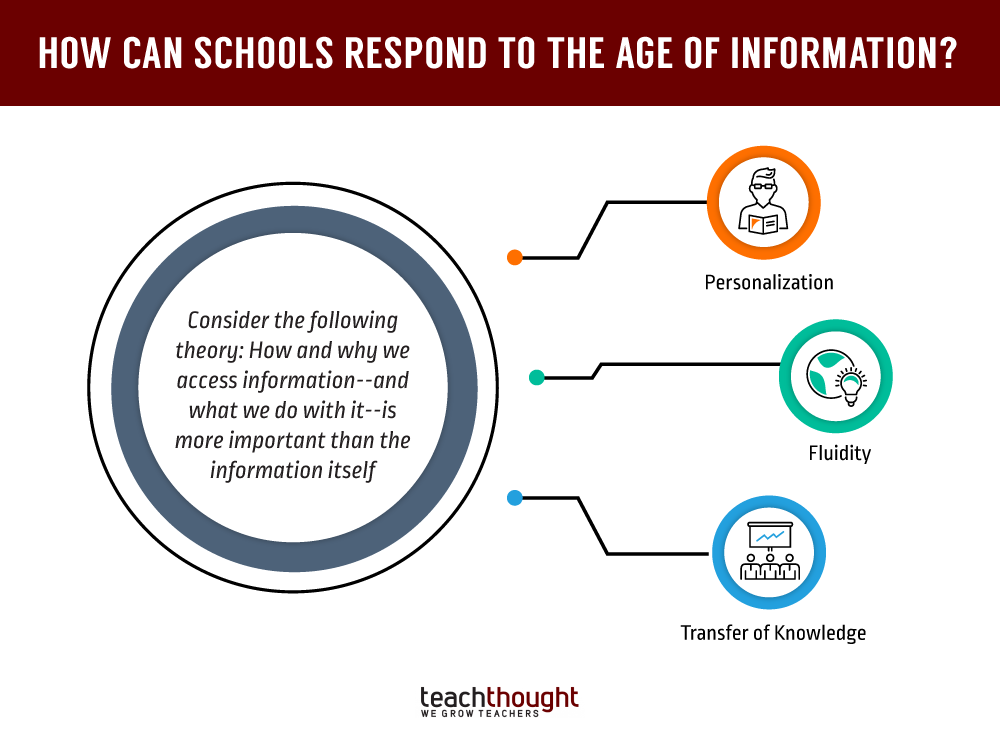
In the Age of Information, data has moved from singular places (here and there) to infinitely plural realities.
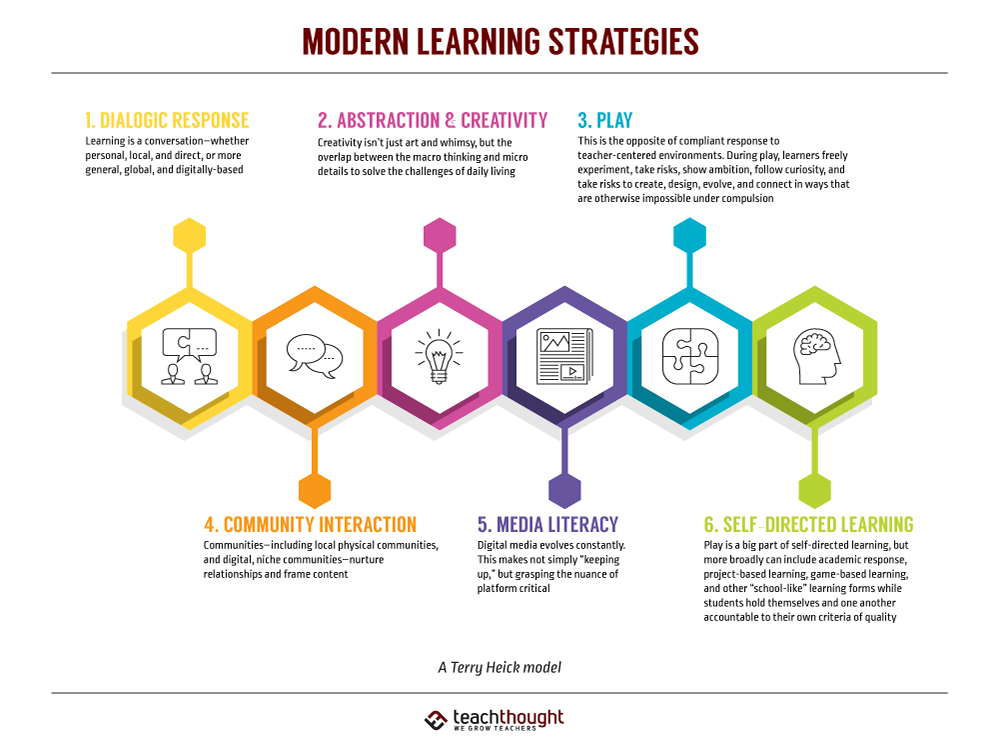
Learning channels’ refer to the unique pathways students most naturally–and powerfully–use to develop skills and understanding.
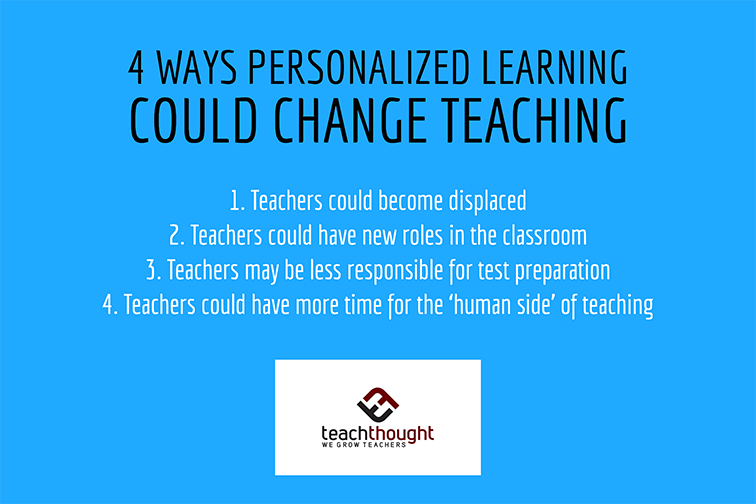
Personalized learning applied in systemic ways could liberate teachers to reinvent their content and improve student engagement.
Education is both tired of change, and evaporating without it. Here are ways to future-proof your teaching to ‘evolve smarter,’ not ‘harder.’
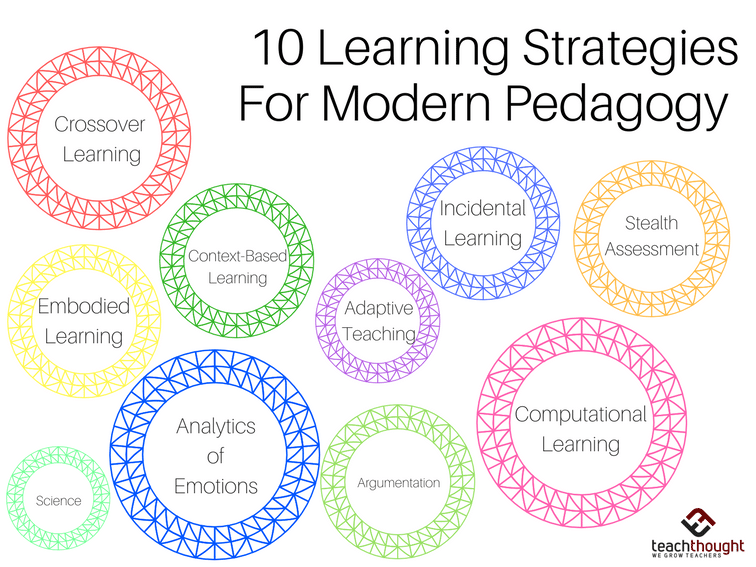
Learning strategies for modern pedagogy include crossover learning, computational thinking, and learning through argumentation.