The Benefits Of Using Technology In Learning
While technology opens new horizons, adapting to this is more challenging. What are the benefits of technology in learning and education?


While technology opens new horizons, adapting to this is more challenging. What are the benefits of technology in learning and education?
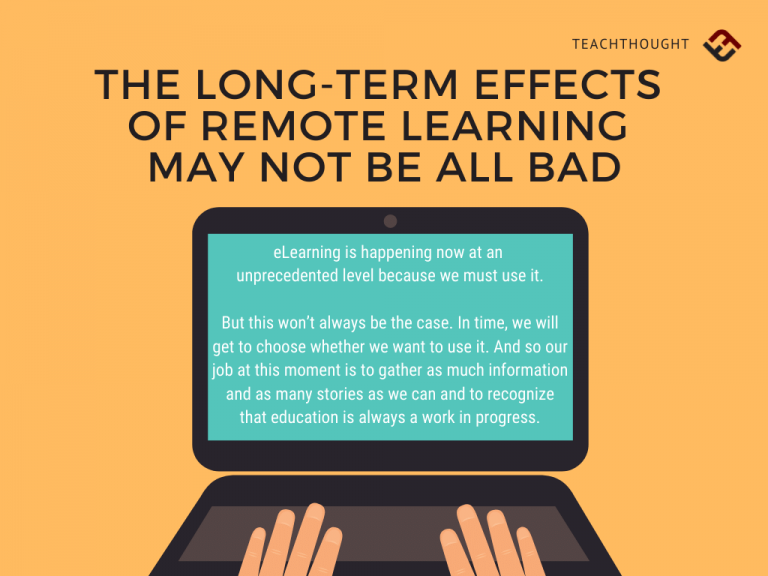
Effects of remote learning include new technological skills and resources, and helping students charge of their own education.

This Augmented and Virtual Reality framework explores Extended Reality, a term used to describe AR, VR, and realities on the spectrum.

From Station Rotation and Mastery-Based Learning to the Flipped Classroom, let’s take a look at the most common types of Blended Learning.
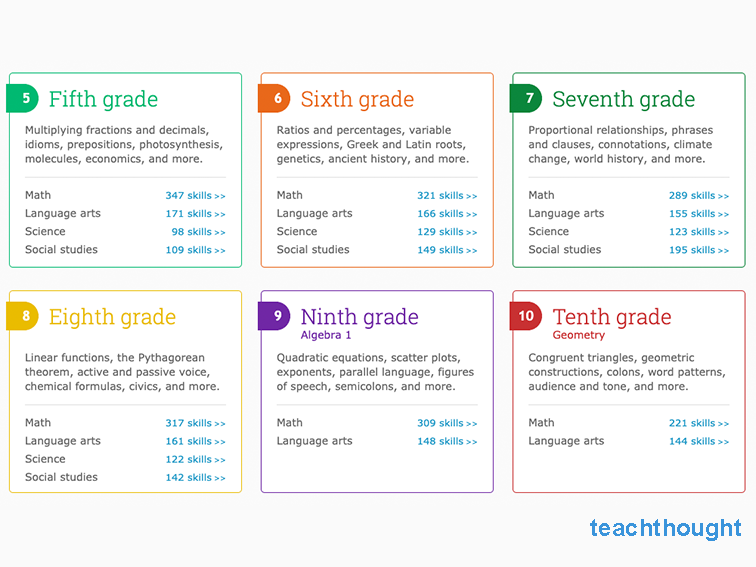
IXL is a personalized learning platform used by over 400,000 teachers worldwide. Here are 8 ways to use IXL in the classroom.
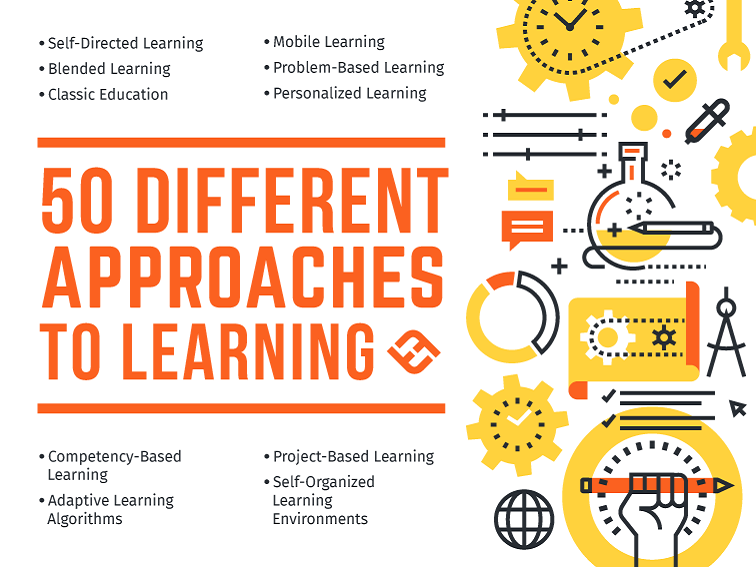
What if a class consisted of words that led to information that whirled into blended realms of creativity set up just for students, created by students?

Deeper Learning is a set of student outcomes that includes mastery of essential academic content, thinking critically, and solving complex problems.
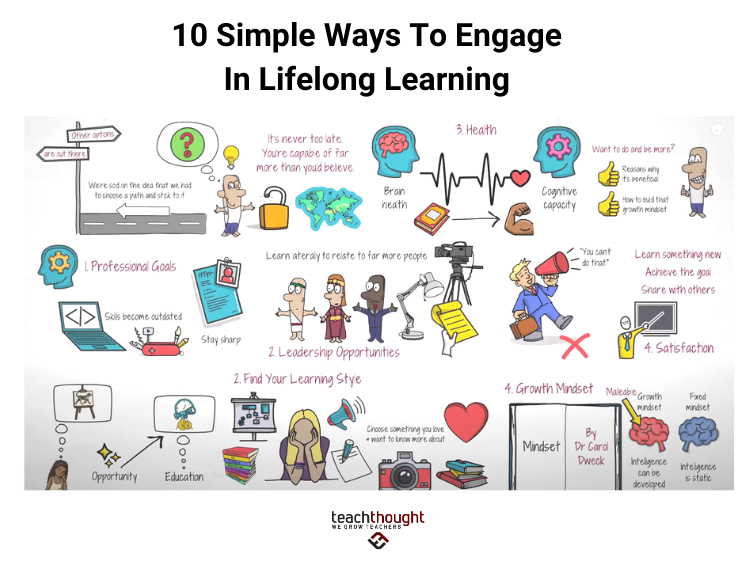
Lifelong learning preserves an individual’s desire to obtain new knowledge outside of the formal education system.
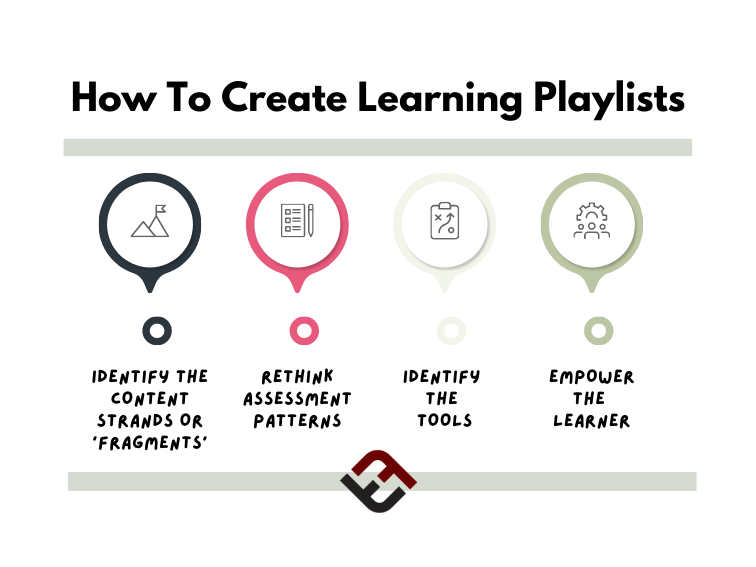
Each learner has access to content and tools to consume content in an order that is within their unique ZPD and cultural schema.
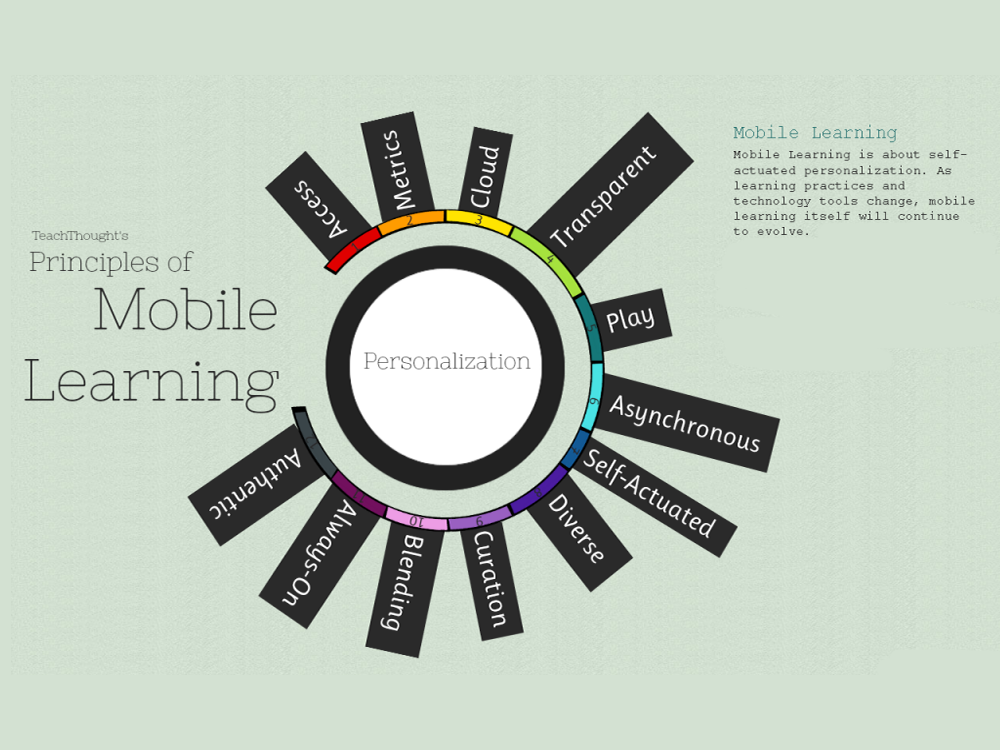
A mobile learning environment is about access to content, peers, experts, artifacts, credible sources, and thinking on relevant topics.
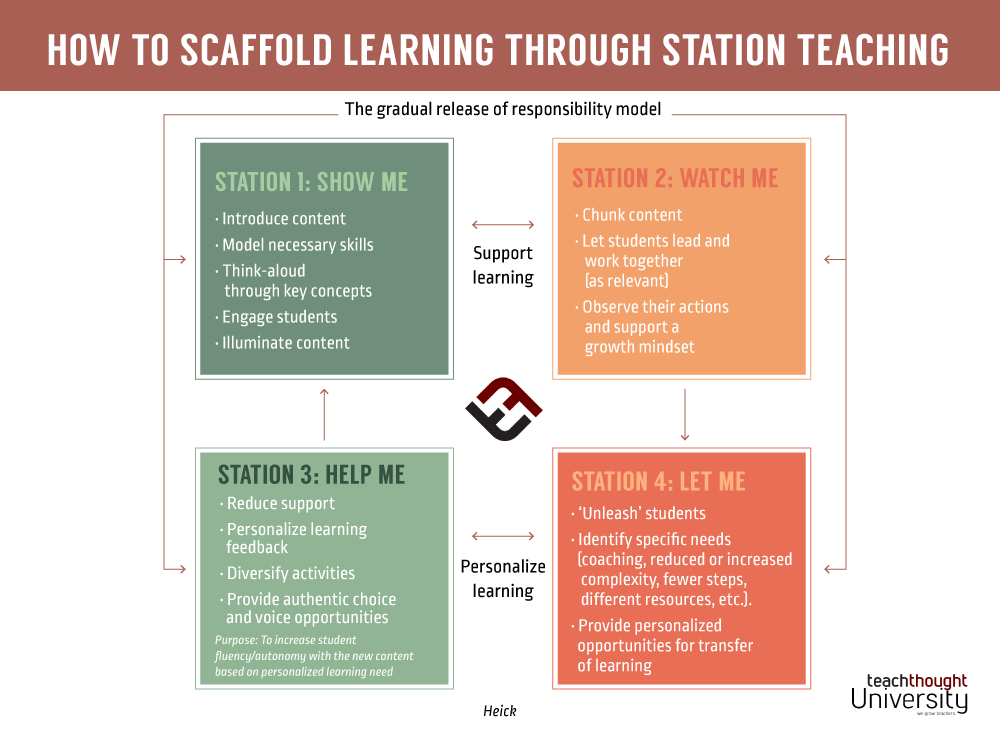
When it comes to scaffolding learning, the gradual release of responsibility model is a fantastic way to get started.
As teachers, we are models for these behaviors. A blended, digitally enhanced classroom is a platform on which we can promote our objectives.

Here are 5 different tools and strategies to help students connect, collaborate, and create more in the classroom.
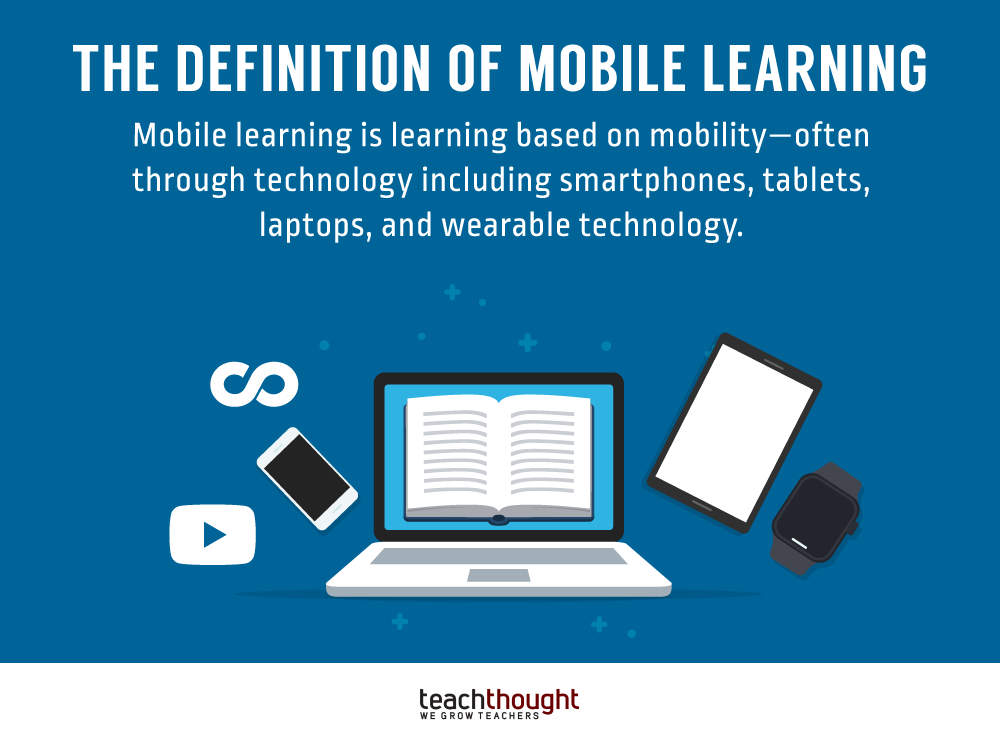
While often characterized by technology, mobile learning is learning characterized by the need and ability of the learner to be mobile.