A Common Language: 30 Public Education Terms Defined
In any field, knowing what a colleague means when they use a word is critical. Here are definitions for 30 common public education terms.


In any field, knowing what a colleague means when they use a word is critical. Here are definitions for 30 common public education terms.

Quality assessments seek to learn: what knowledge will I gain about my students’ mastery levels of standards by their answers to questions?

A good start toward engaging students is to meet the student on their own terms using ideas, evidence, and language credible to them.

Using the right question at the right time can not evaluate understanding but can help students think about what they think.
Why Teaching Introverts Is Different by Terry Heick As education seeks to improve itself, the focus has been on data, research, and curriculum. The stuff teachers use. There is precious little discussion on the human elements of learning unless you’re discussing isolated movements such as social-emotional learning or whole-child trends. While admirable, these “movements” are…

Student Grouping is a key ingredient in learning. When students are able to verbalize ideas & listen to one another they will learn more.

Homework can be useful to help students learning, but isn’t always the best strategy. Here are alternatives to homework: a chart for teachers.

When digital textbooks were introduced, they the wave of the future and experts thought we’d see them become the standard.

The students’ strengths–and your trust–are two tools that can help you form a relationship when working with challenging students.

What works in education and how do we know? What do we know an idea is ‘good’? Letter grades? Test performance? Graduation Rates?

From The Classroom To Your PLN: 10 Collaboration Tips For 21st Century Teachers by Terry Heick Summer is a make-it-or-break-it time for educators. The non-stop, brutal schedule that is a school year starts with all the finesse of trampling elephants, and doesn’t relent for the next nine months (not coincidentally, the same amount of time…

If you’ve ever wondered what an 8th-grade student from over a century ago was expected to know, wonder no more.
Without guidance to critically think about digital footprints, persona, and audience, it’s no surprise to see students ‘make mistakes’ on social media.
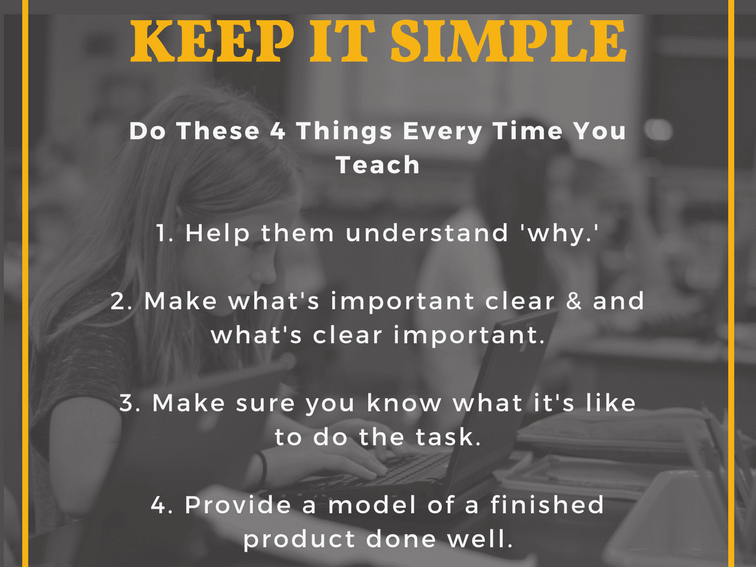
There are unpredictable ways your lesson can trigger a wound. Teachers can reduce those sudden reactions by providing directions in 4 ways.