Active Listening Strategies For Charismatic Student Conversations
As teachers incorporate collaborative learning in their lesson plans, it is critical that they model active listening to their students.

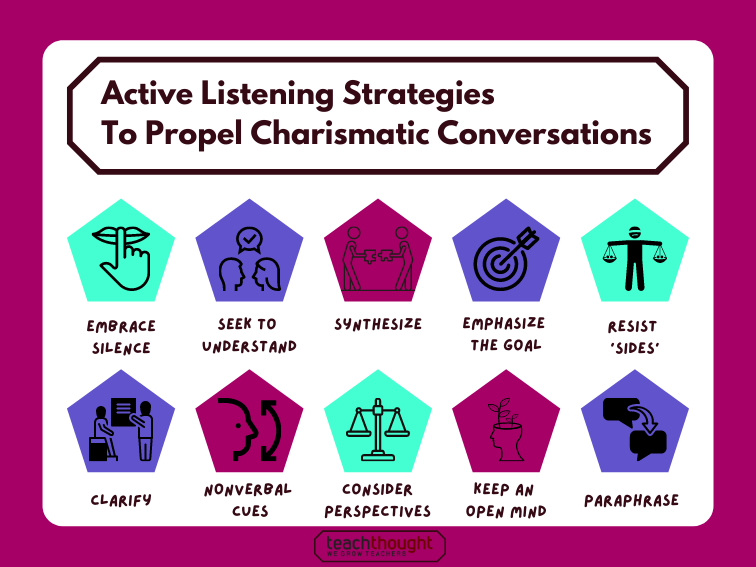
As teachers incorporate collaborative learning in their lesson plans, it is critical that they model active listening to their students.
Interactive teaching strategies improve students’ communication skills, teamwork, critical thinking, problem solving, and decision-making.
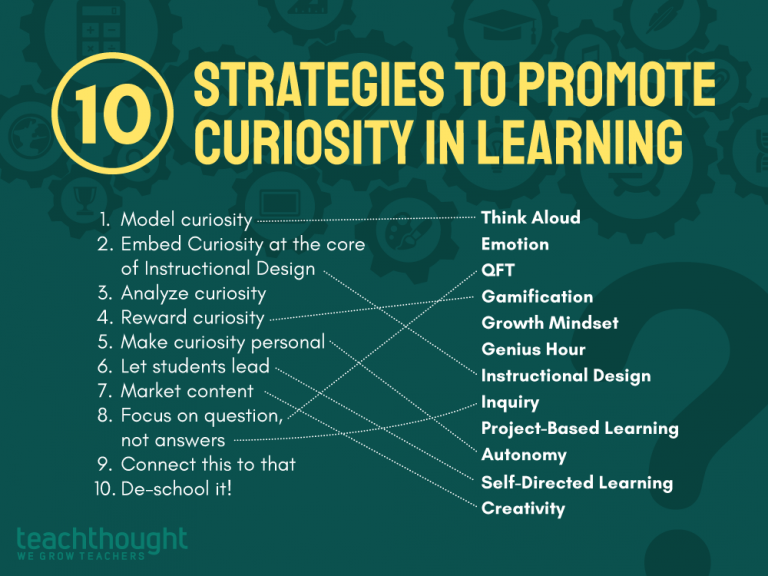
Questions are indicators of engagement and curiosity in learning. Just as usefully, they are evidence for what a student understands.
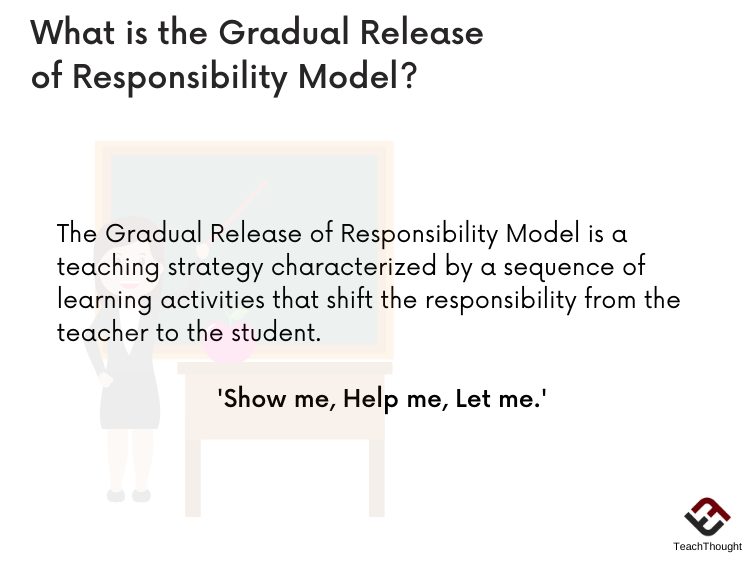
Gradual Release of Responsibility is a strategy characterized by a sequence of learning activities that shift responsibility to the student.
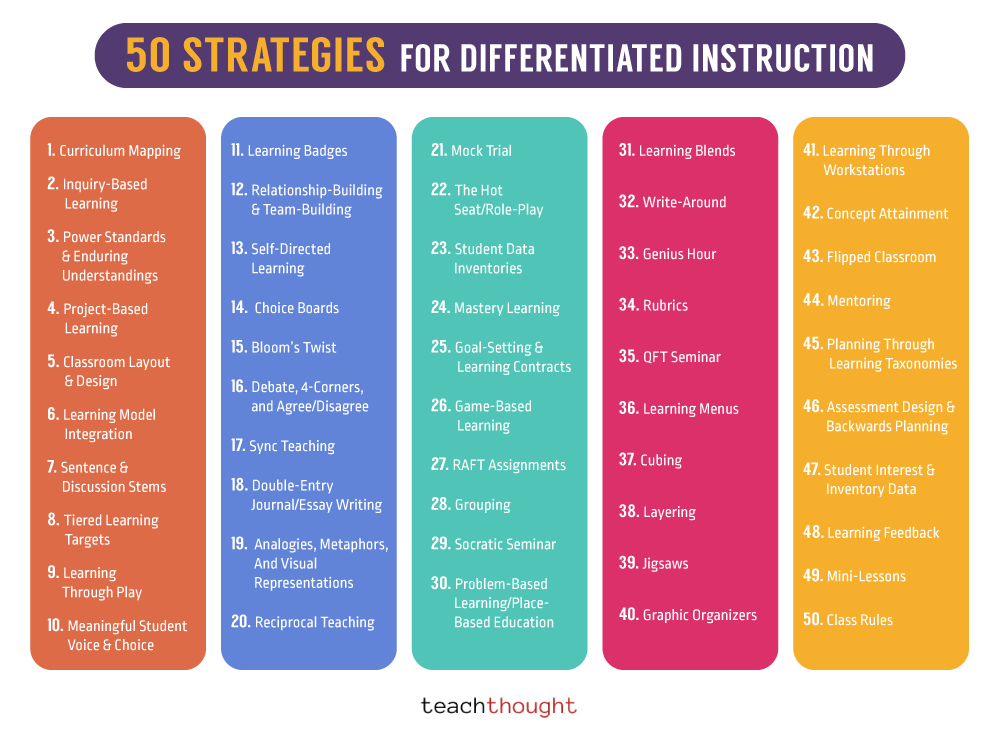
Differentiation is a rational approach to meeting the needs of students but actually making it happen in the classroom can be a challenge.
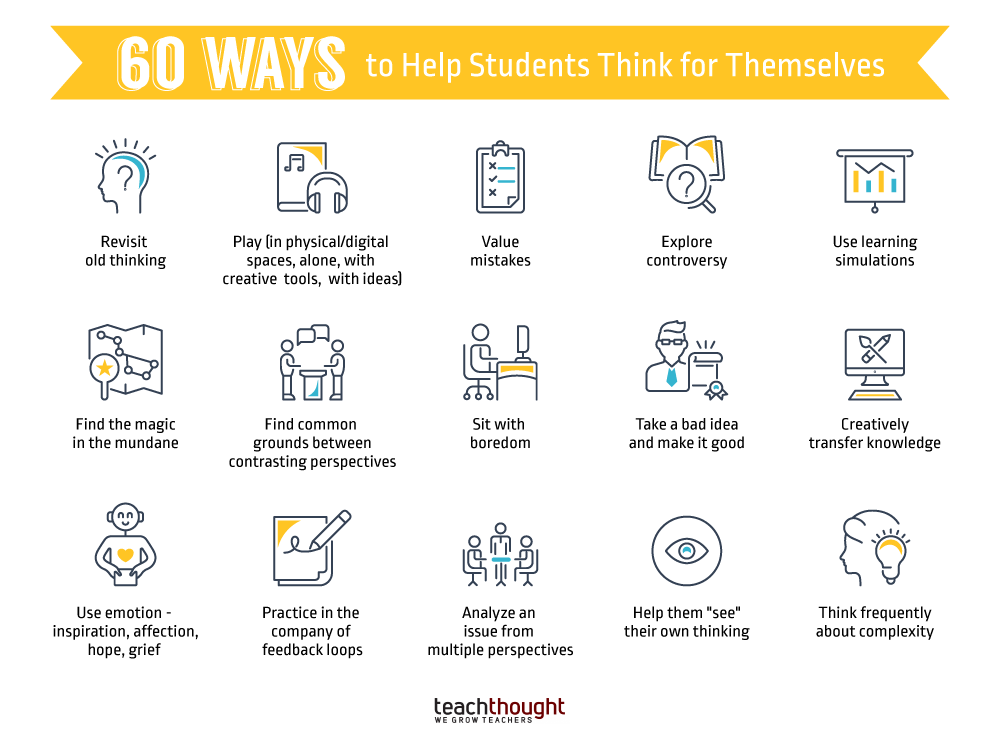
There are many ways to help students think for themselves. Guide them to dynamic spaces characterized by people, thought, and creativity.
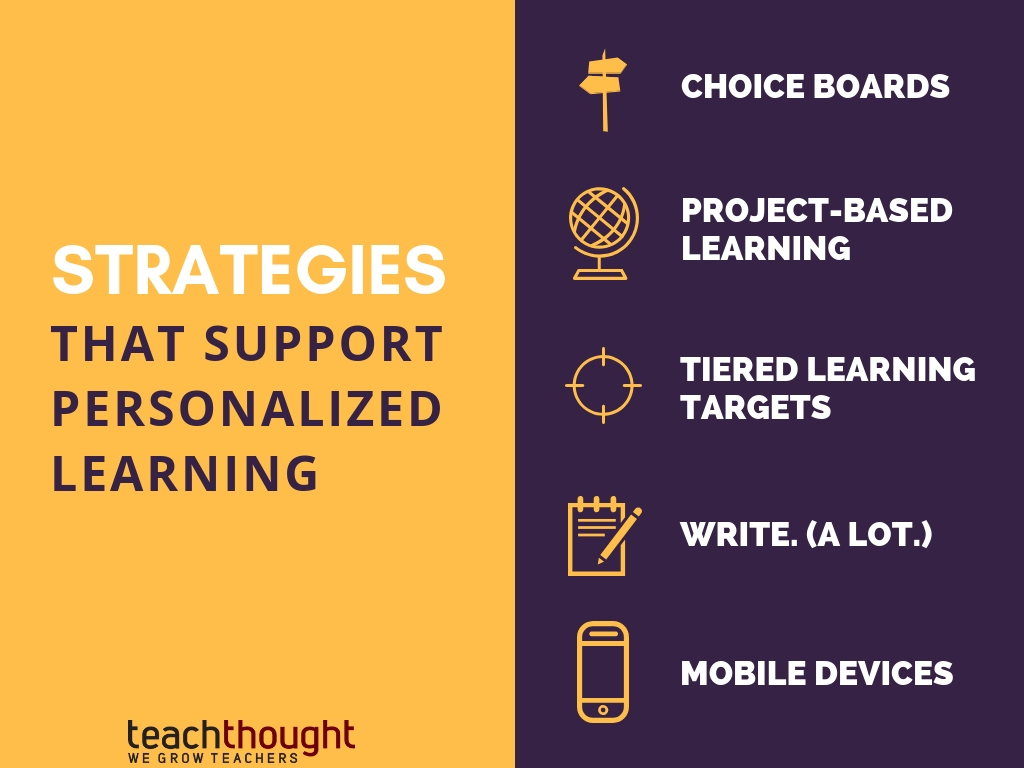
A choice board is a simple personalized learning tool that provides scaffolding, tiering, use of Bloom’s, multiple learning styles, and more.
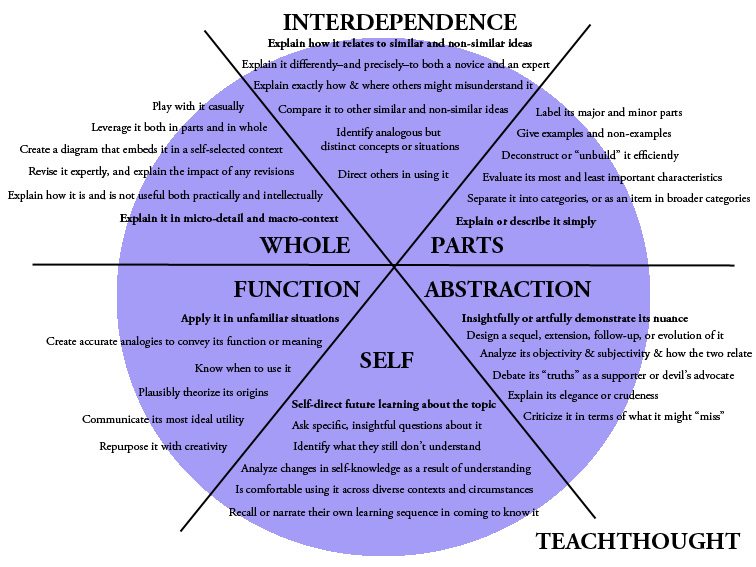
A good question can open minds, shift paradigms, and force the uncomfortable but transformational cognitive dissonance that can help create thinkers.
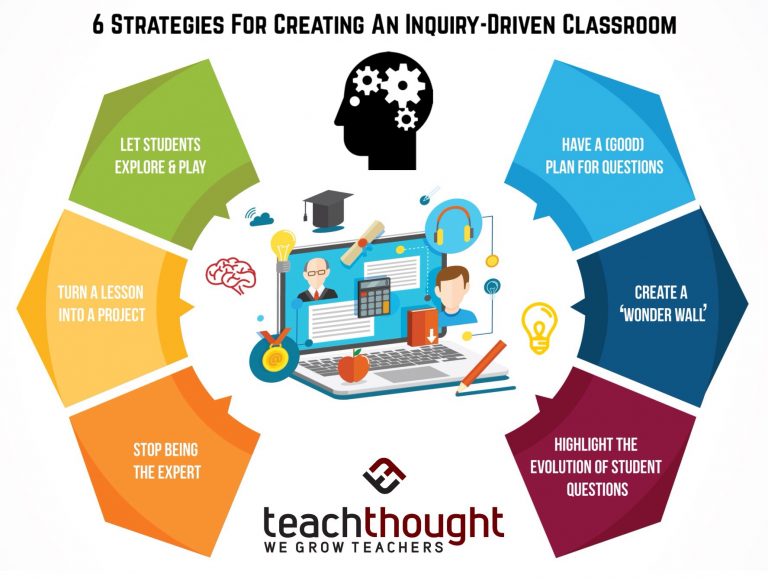
Curiosity is a powerful catalyst for learning and using inquiry-based learning can leverage potential. Here are 6 strategies for your classroom.
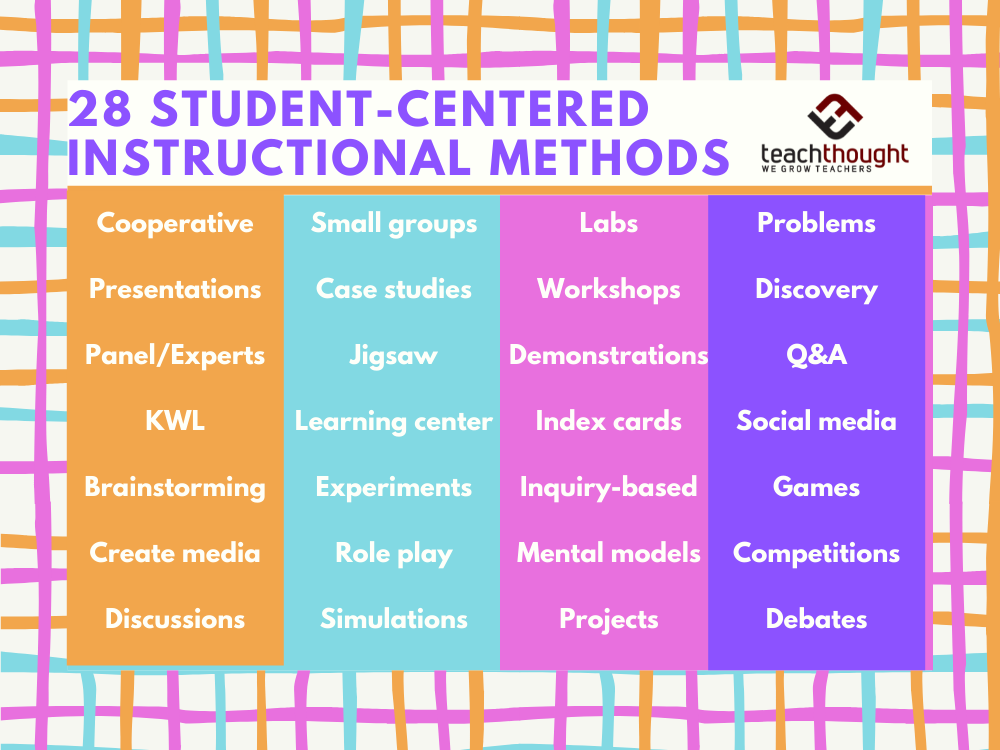
Student-centered teaching is teaching designed for the student. Done well, it can disarm some of the more intimidating parts of academia.
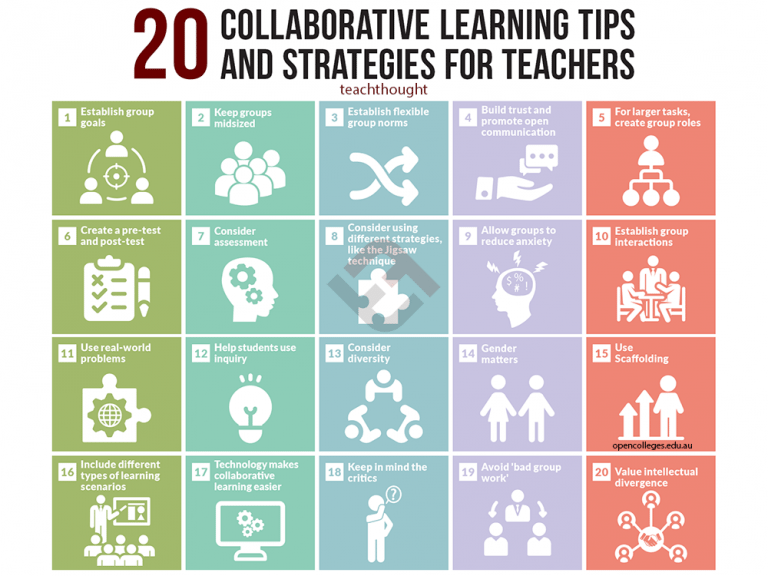
By definition, learning is social in nature. Using different mediums, whether it be books, discussions, technology, we study and make meaning together.
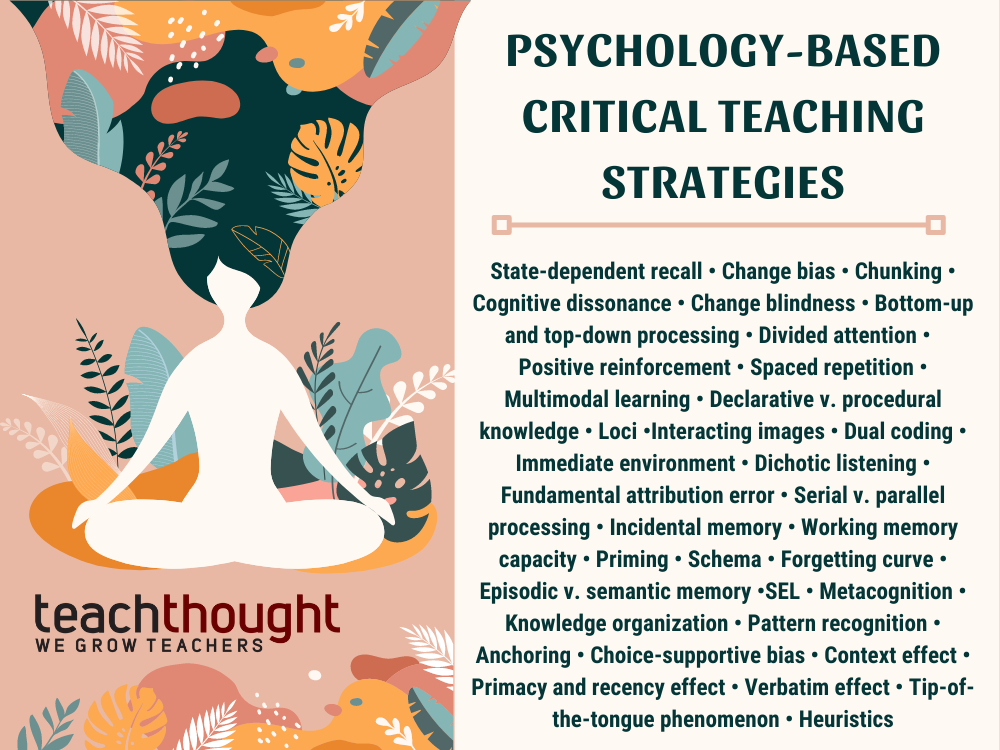
State-Dependent Recall: It is easiest to recall information when you are in a state similar to the one in which you initially learned the material.

To get the best work from a student, they need to create their own standards for quality academic work–ideally alongside you, as a teacher.
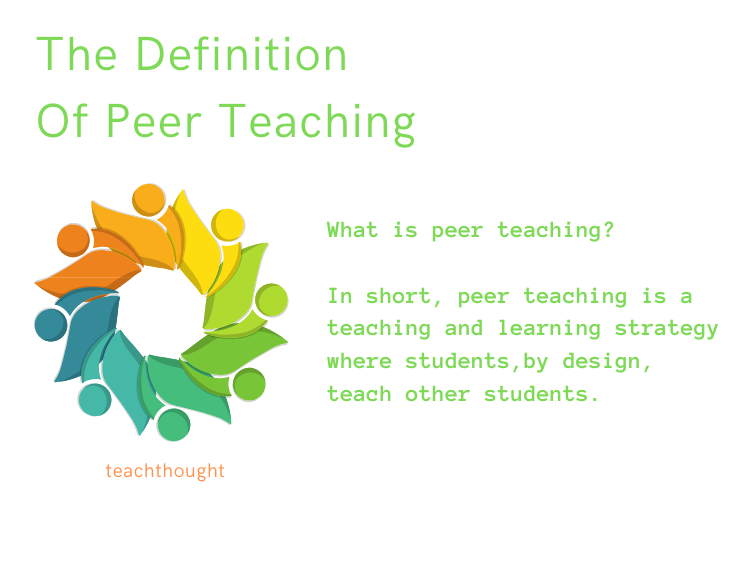
Peer teaching occurs when students, by design, teach other students.