30 Universal Strategies For Critical Learning
From making an observation and drawing a conclusion to forming and improving a question, here are 27 strategies for critical learning.

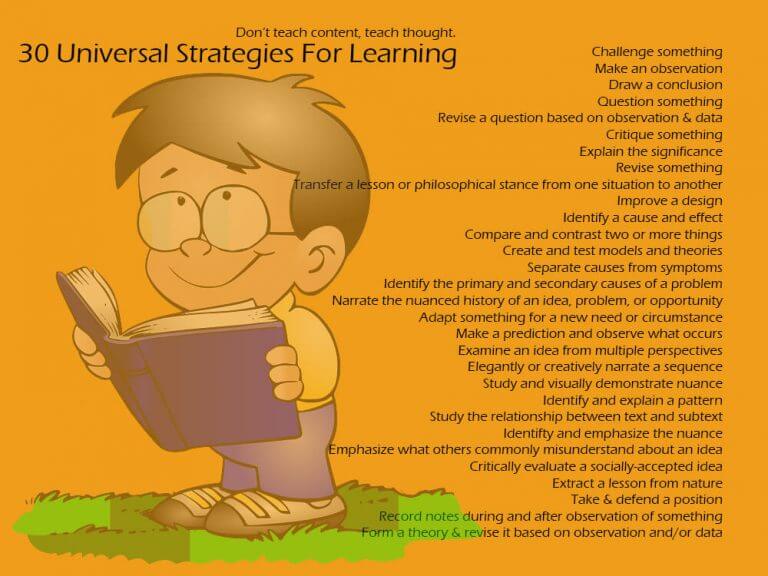
From making an observation and drawing a conclusion to forming and improving a question, here are 27 strategies for critical learning.
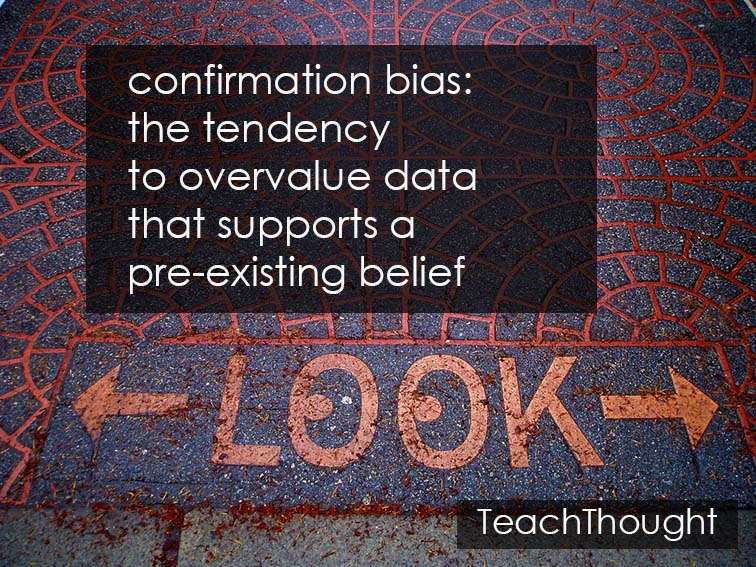
What is confirmation bias? Broadly speaking, confirmation bias is the tendency of people to overvalue data that supports their own beliefs.
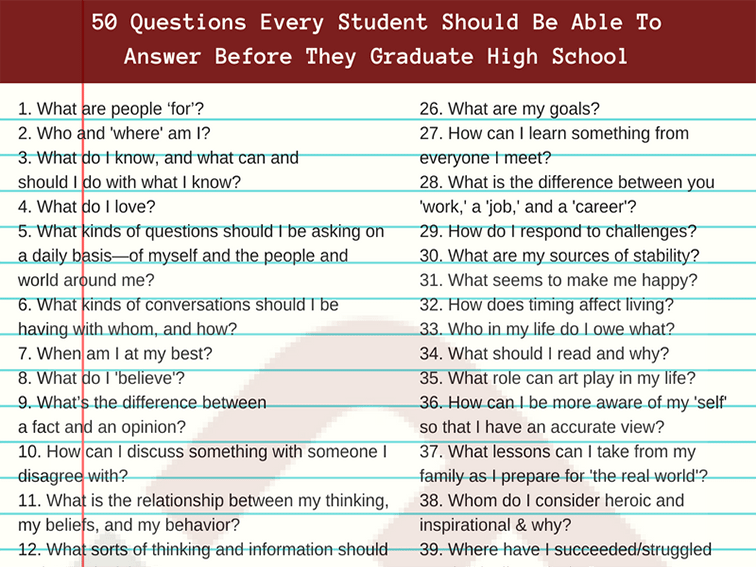
When should I lead and when should I follow? When should I talk and when should I listen–and what is the role of each in understanding?
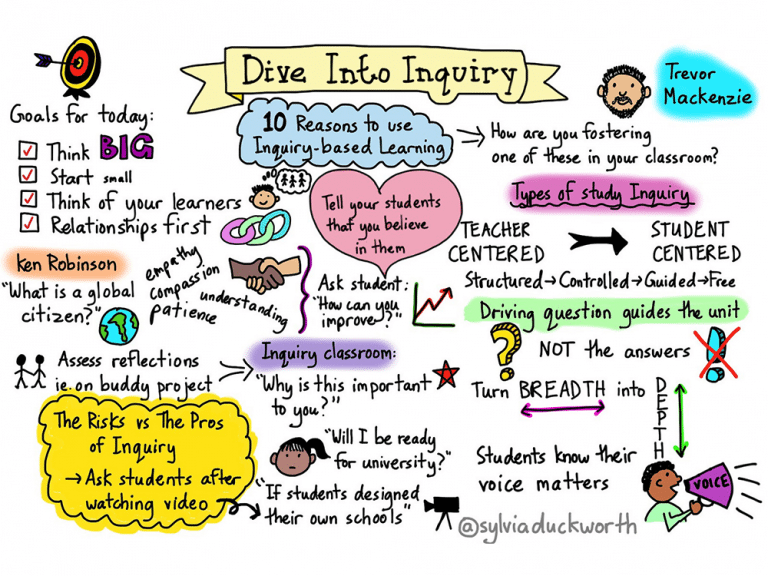
Much like project-based learning, there are many reasons to use inquiry-based learning in your classroom–starting with creativity and personalization.
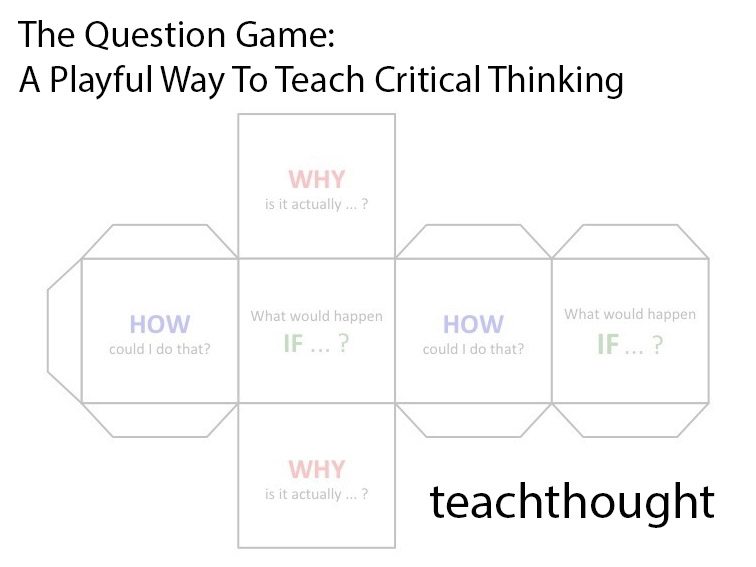
What’s The Question Game? A playful way to help students learn to ask the right question at the right time–with a paper cube.
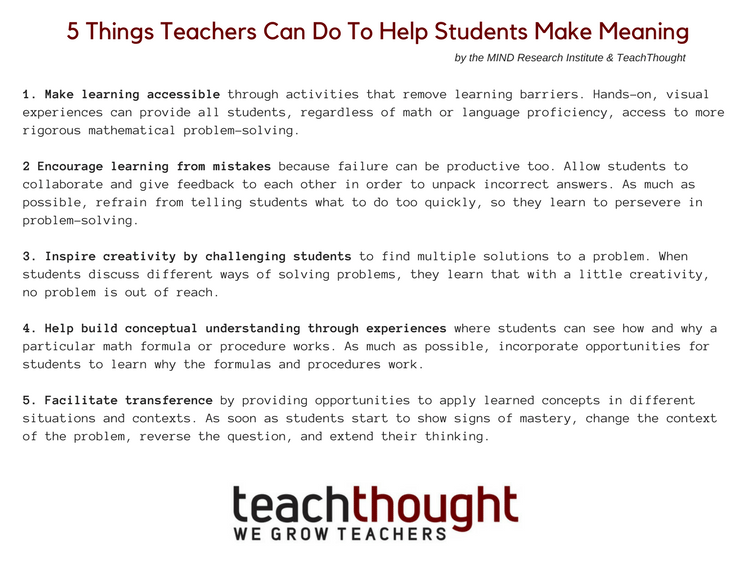
5 Things Teachers Can Do To Help Students Make Meaning contributed by Kelsey Skaggs, MIND Research Institute Rigor gets a bad reputation. It’s that thing that makes life difficult and uncomfortable. Apply it to a person and they can be seen as inflexible or unyielding. However, bring a certain type of rigor into the classroom and…
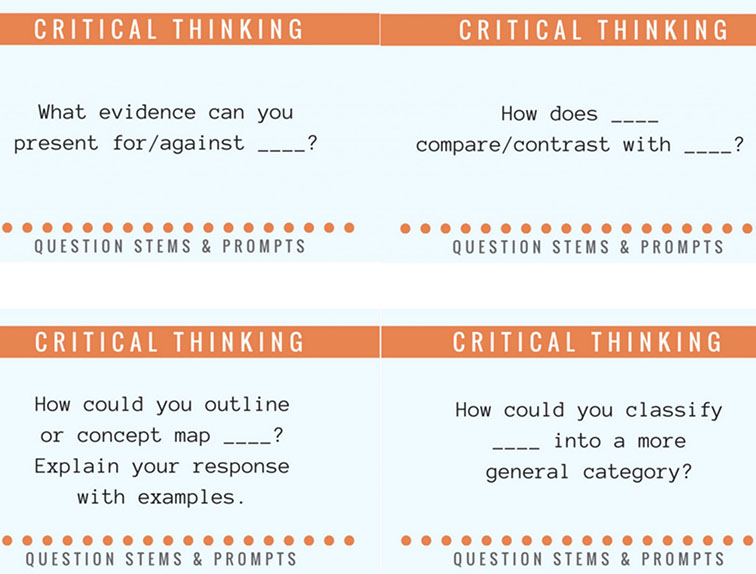
Using the right question at the right time can not evaluate understanding but can help students think about what they think.
Critical thinking questions include, ‘Why is this important? What are the causes and effects of this? How do we know if this is true?”
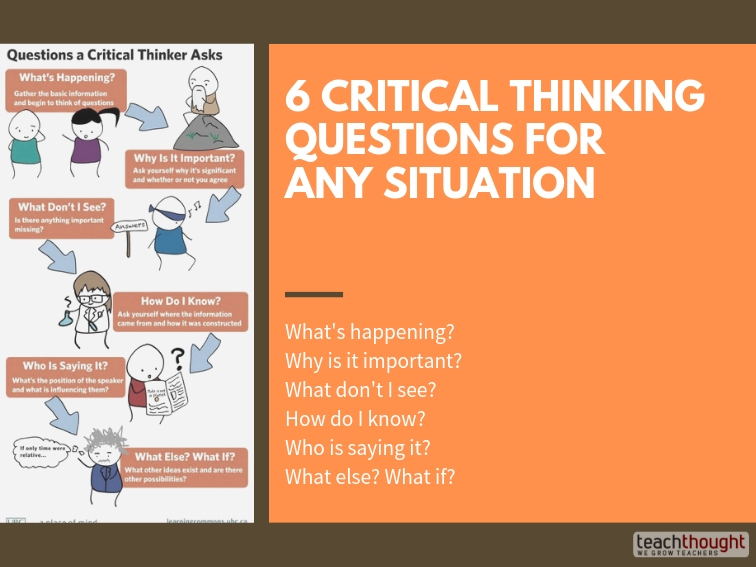
Critical thinking questions depend on what’s being ‘thought about,’ but one universal example includes, ‘How do I know what I think I know?’
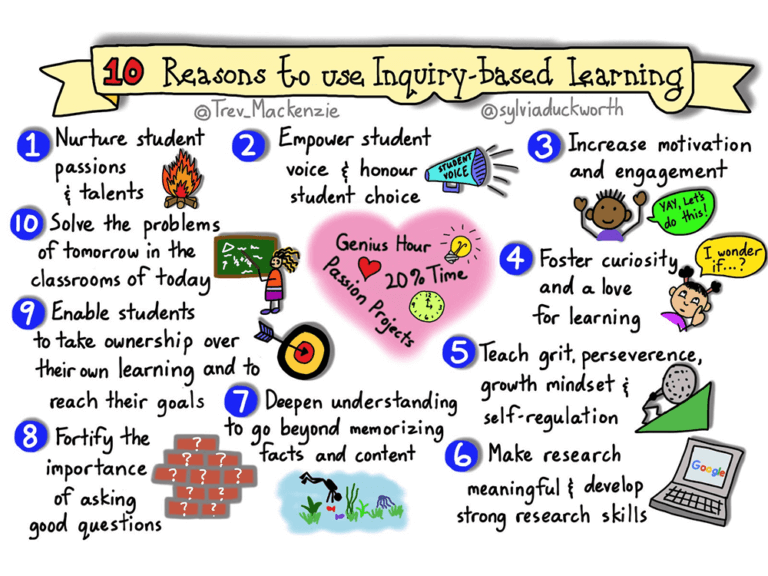
Among the benefits of inquiry-based learning, requiring the student to take an active role in the process may be the most significant.

Every school is a think tank. Every school, by design, opens it doors to the brightest developing minds a community has to offer.
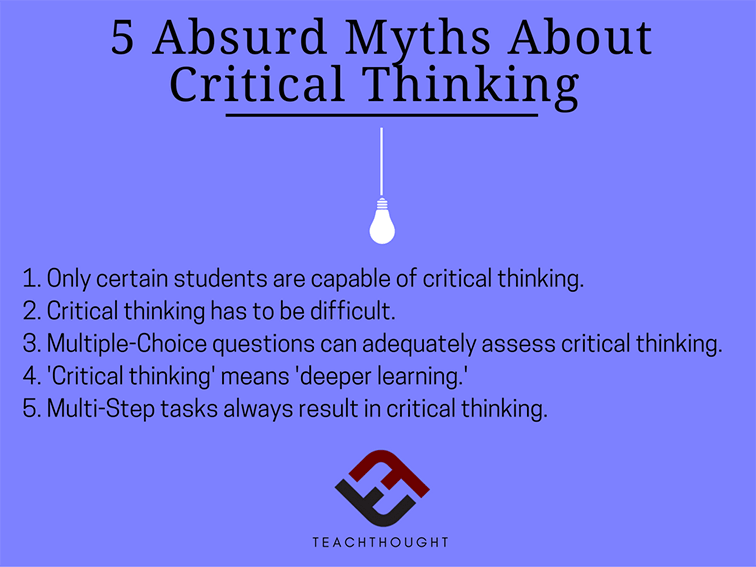
Complexities involved with teaching & assessing critical thinking have led to misconceptions about what it is and how to incorporate it.

Can You Cultivate Critical Thinking With Infographics? contributed by Latasha Doyle One of the most difficult aspects of teaching is ensuring that your students are actually evaluating the information, rather than just regurgitating it back to you. Critical thinking skills are incorporated into nearly every lesson plan now, especially with the implementation of Common Core…

The purpose of ‘The 5 Elements of Effective Thinking’ is to identify repeatable thinking strategies for success.