What Type of Planner Is Best for Your Students?
Weekly and monthly view options, to-do lists, and priority sections can help students manage their time and responsibilities.

Weekly and monthly view options, to-do lists, and priority sections can help students manage their time and responsibilities.

Discover how digital storytelling boosts focus, structure, and research habits, guiding learners smoothly from lively online narratives to confident, well-structured academic writing success.
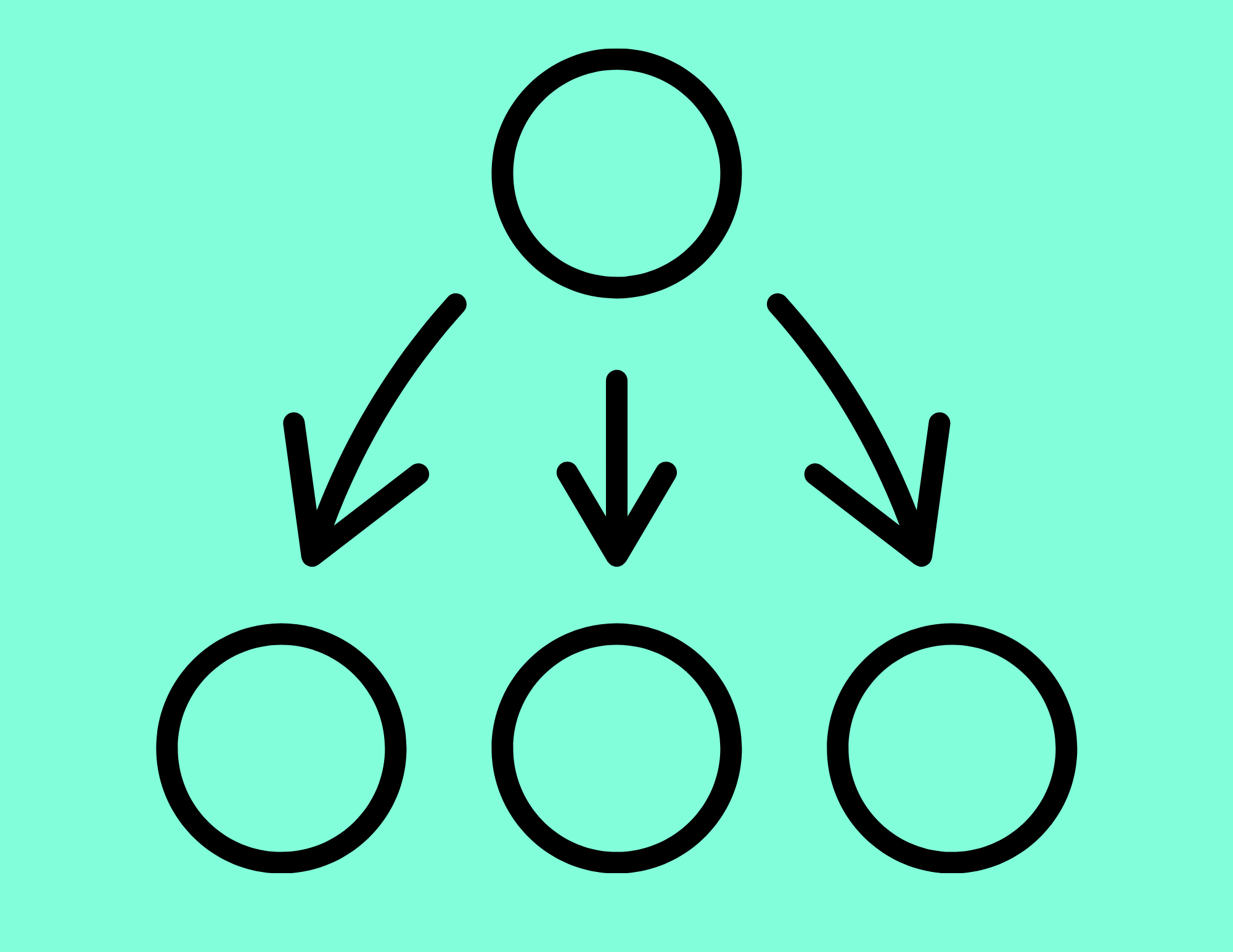
Learn step-by-step strategies to set goals, design activities, manage time, and use feedback for an organized teaching learning process that boosts student engagement and success.

Before diving into specific degree options, it’s helpful to pause and consider what you actually want from a counseling career.
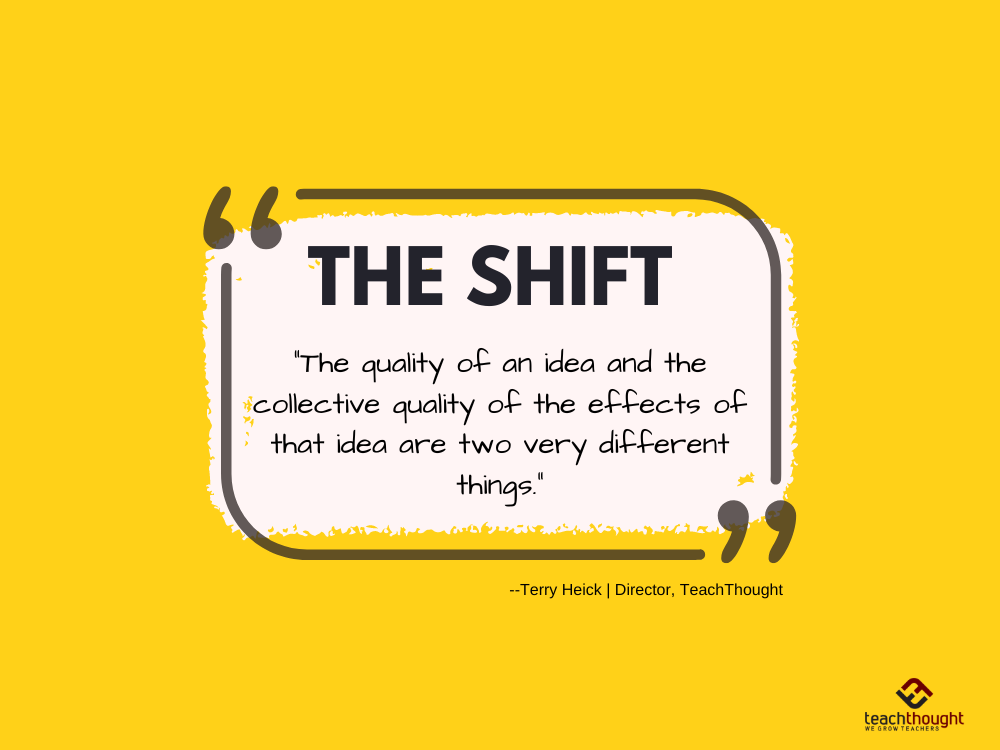
The quality of an idea and the collective quality of the effects of that idea are two very different things.
Rub a needle with a magnet, float it on a leaf in water, and watch it align north-south. Explore magnetism and navigation!
In this talk, she underscores the need for scalable, stigma-free digital platforms that can teach, support, and connect young people dealing with mental health challenges.
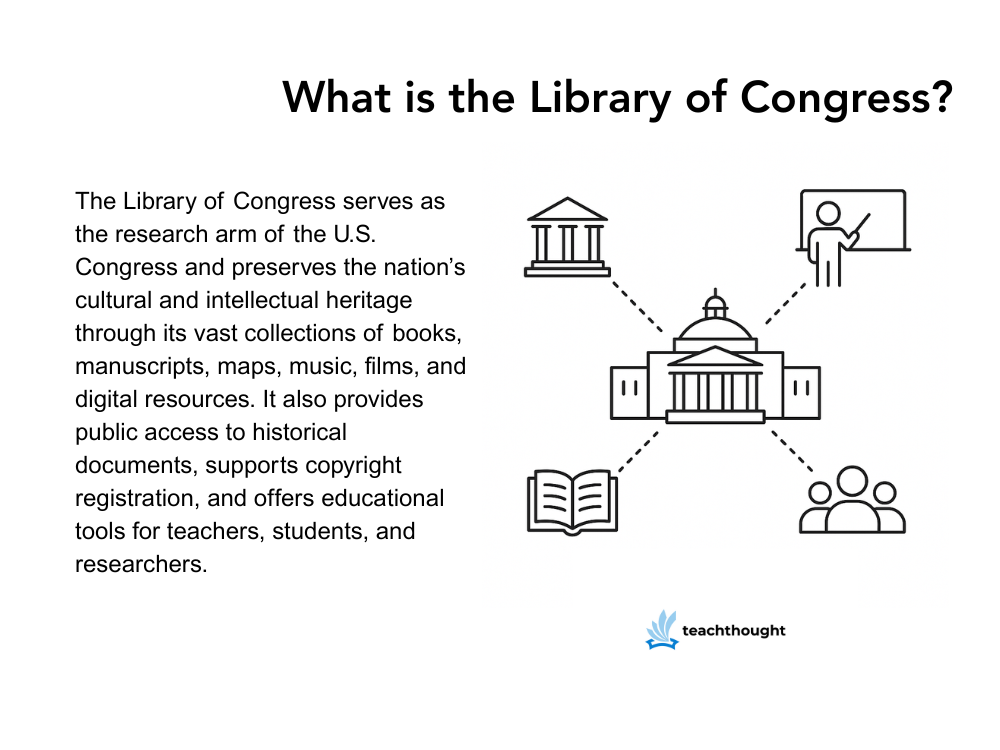
The Library of Congress is the research arm of Congress and preserves U.S. cultural and intellectual history while offering public access to archives, copyright services, and educational resources.

Financial pressure is real challenge for today’s students. It affects how they learn, how they feel, and ultimately what they’re able to achieve in the classroom.
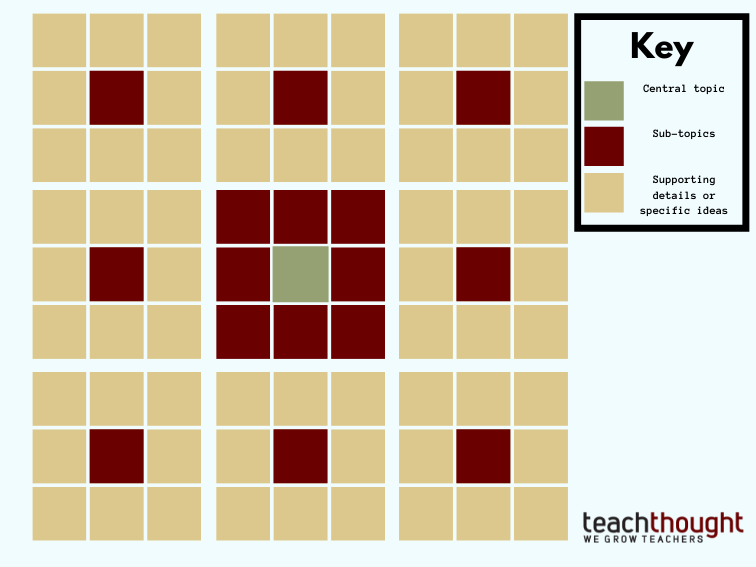
Discover essential academic skills—from reading and time management to digital literacy—that every first-year college student can master for higher grades, less stress, and long-term success.
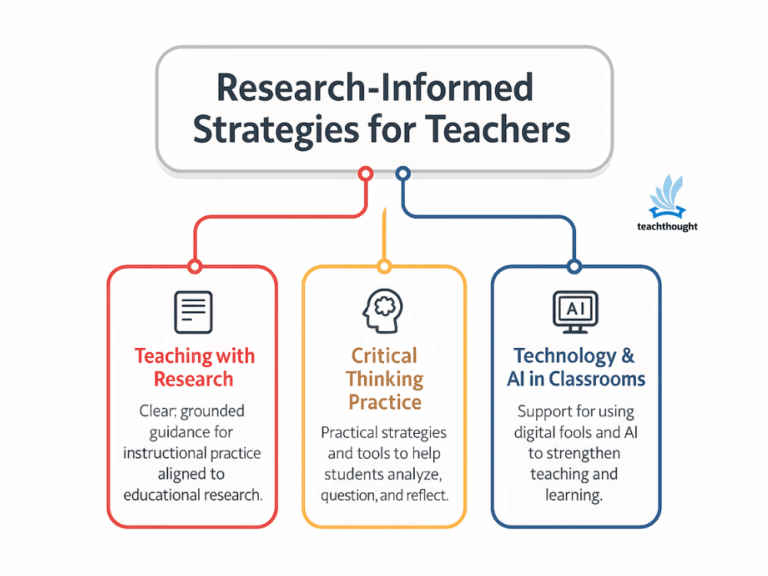
Going online is a standard part of a modern educator’s toolkit.
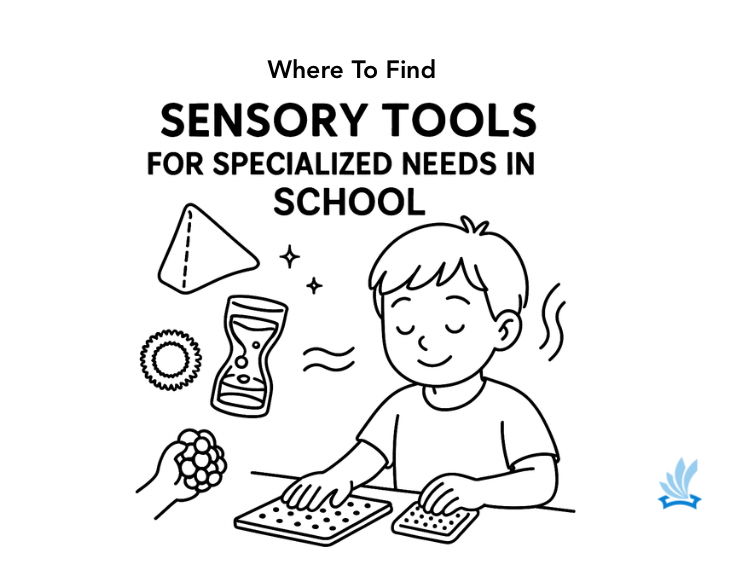
From tactile walls to temperature and calming lighting, everything must be purposeful and inclusive in a sensory.
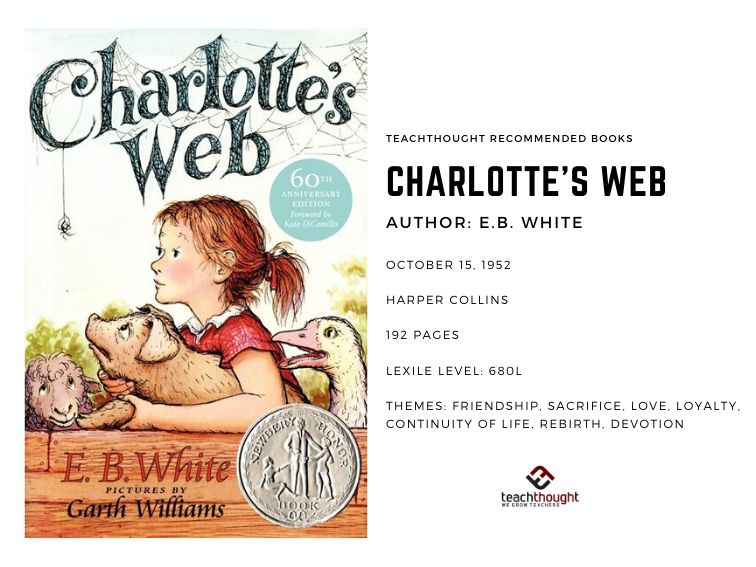
Charlotte’s Web is a book about a pig, a spider, and a girl on a farm wrestling with themes of friendship, sacrifice, death, and rebirth.
Brains grow with use, just like muscles. Scientists call this neuroplasticity.