4 Essential Rules Of 21st-Century Learning
The rules of 21st century learning focus on collaboration, relevant context, societal integration, and student-centered instruction.

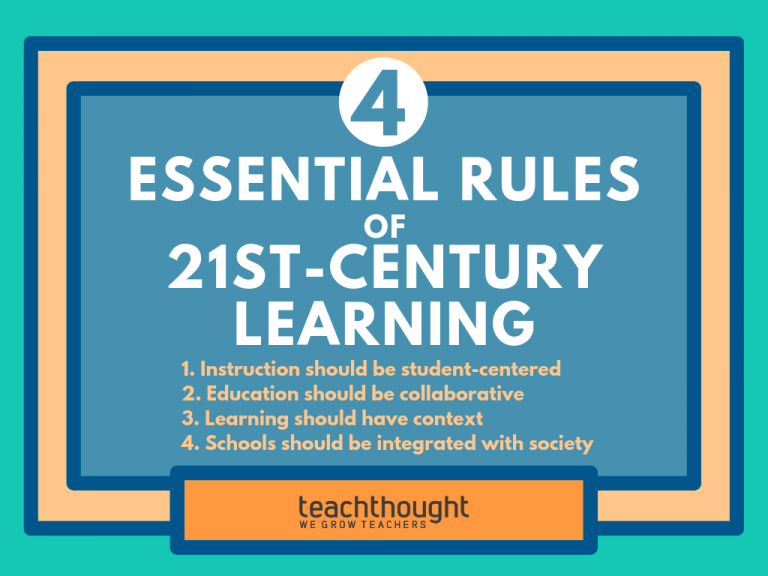
The rules of 21st century learning focus on collaboration, relevant context, societal integration, and student-centered instruction.
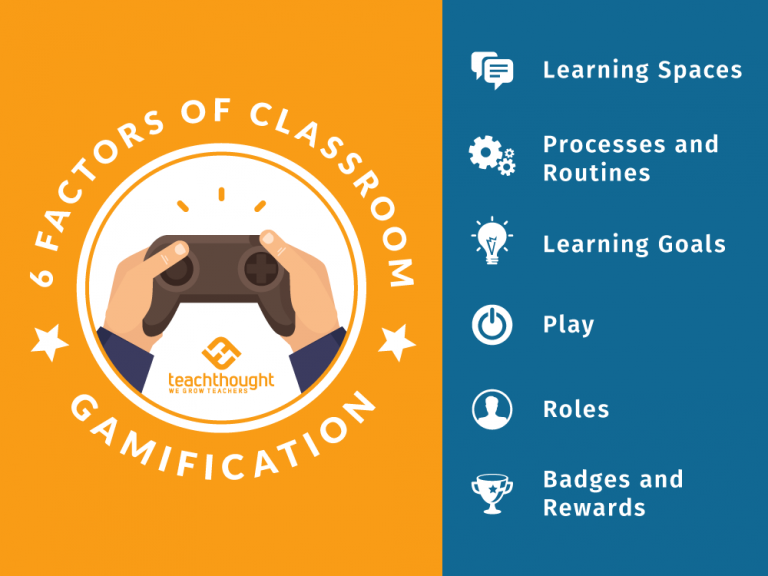
As a student, I got to learn more about the power of ‘gamifying’ something, and what effect it had on learners.
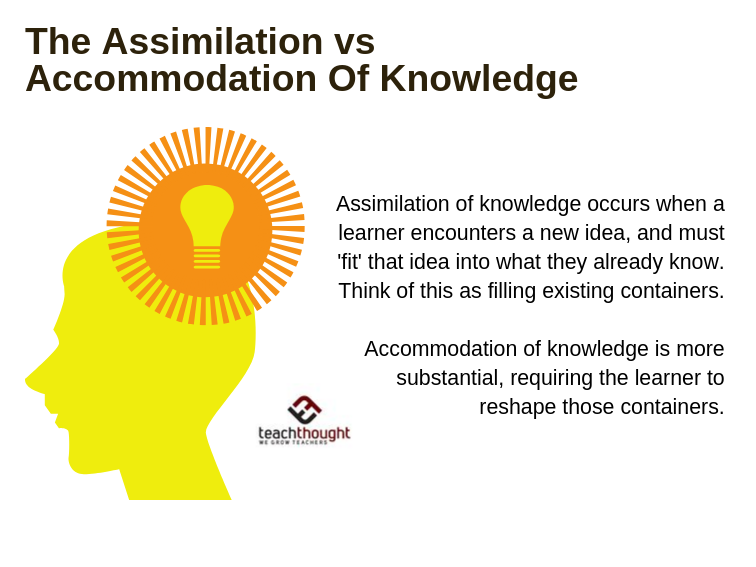
Piaget was interested in how children organize data, settling on 2 fundamental responses stimuli: assimilation & accommodation of knowledge.
How does the memory work in learning? The more times an action is repeated, the more dendrites grow and interconnect.
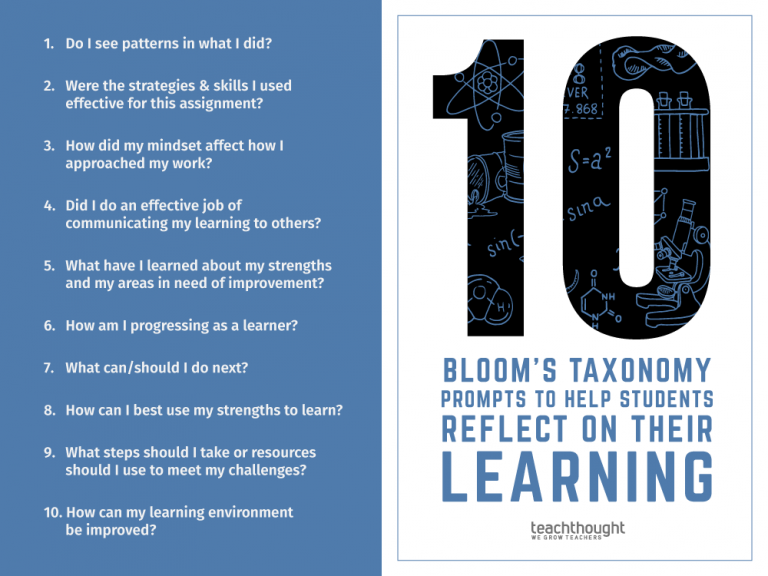
Metacognitive prompts can help students reflect on learning by illuminating exactly what their mind is doing during the learning process.
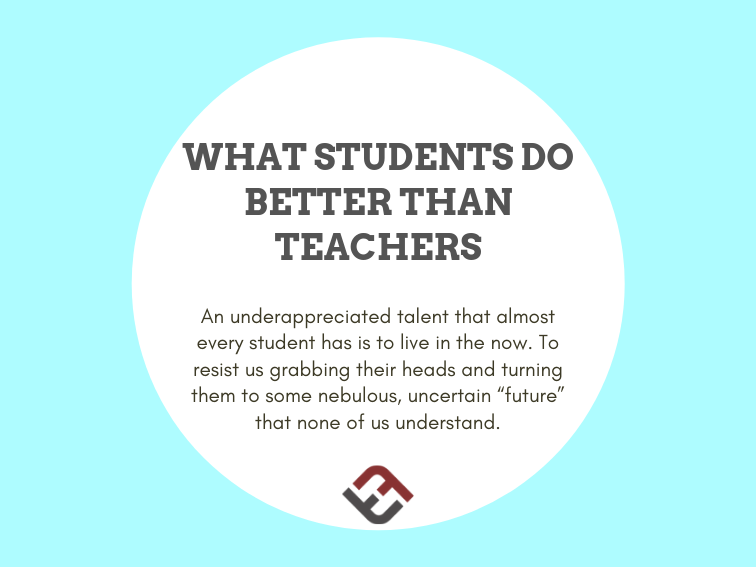
Getting students to ‘think about their future’ turns into a lecture about bills and ‘life’; we project our insecurities and failures on them.

The usefulness of student data is generally proportional to the frequency with which it’s collected. Here are eight sources of formative assessment data.
Deeper Learning is a set of student outcomes that includes mastery of essential academic content, thinking critically, and solving complex problems.
When joy and comfort are absent, students’ brains are distanced from effective information processing and long-term memory storage.
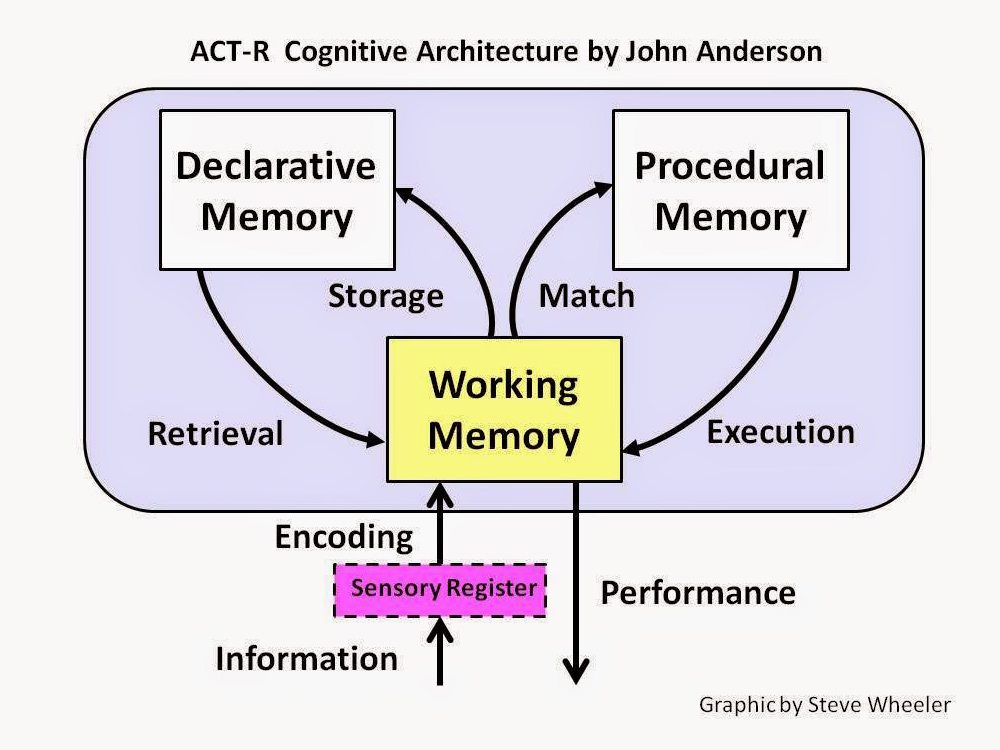
ACT-R is a way of specifying how the brain itself is organized in a way that enables individual processing modules to produce cognition.
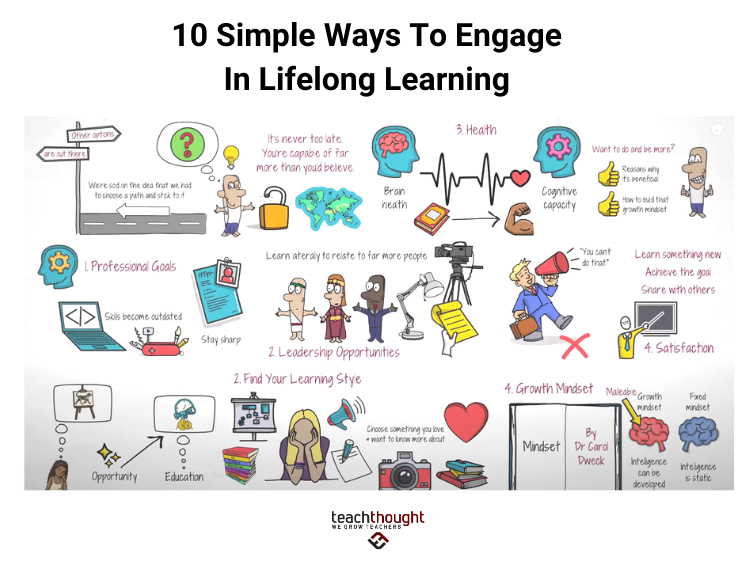
Lifelong learning preserves an individual’s desire to obtain new knowledge outside of the formal education system.
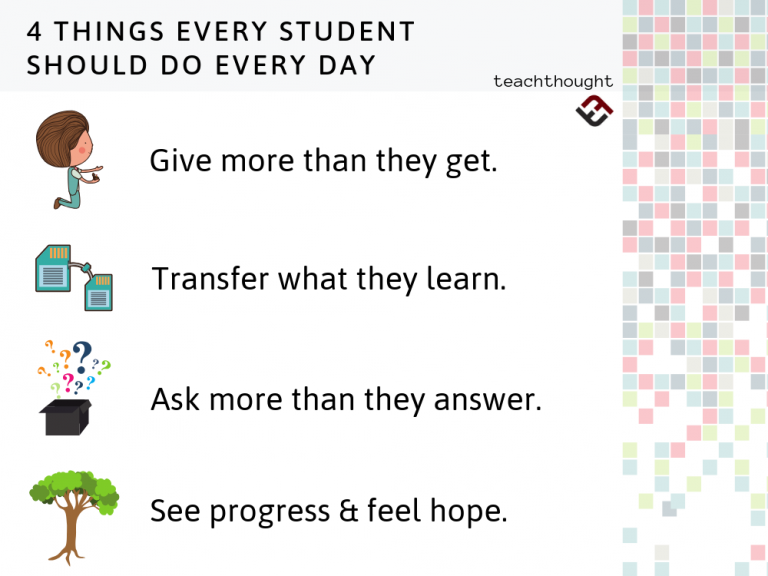
From asking questions to feeling a sense of progress, here’s a quick list of things that every student should do every day.
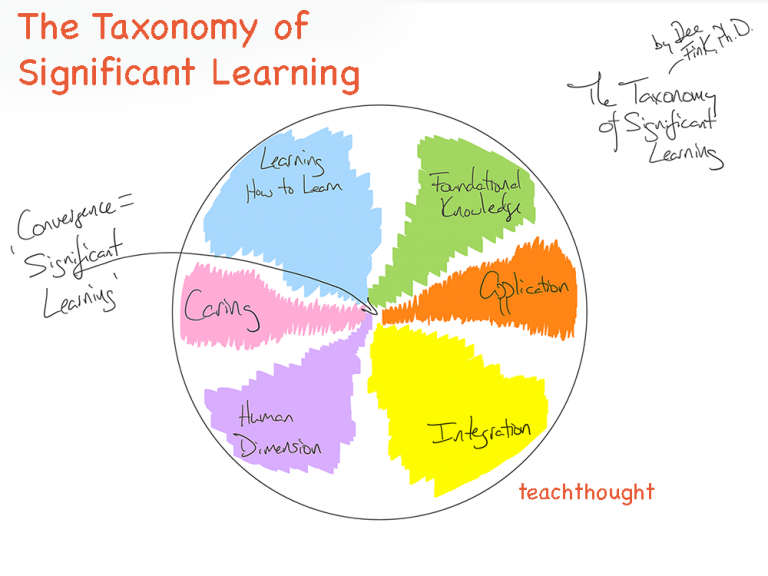
The Taxonomy Of Significant Learning is useful for making design considerations for student learning experiences.
Somehow, the idea that one student learns best by listening and another while doing jumping jacks has come to define learning styles.