10 Reasons Students Aren’t Using Digital Textbooks
When digital textbooks were introduced, they the wave of the future and experts thought we’d see them become the standard.


When digital textbooks were introduced, they the wave of the future and experts thought we’d see them become the standard.
From affording choice to anchoring year-long discussion of certain themes, here are strategies for teaching literature in the 21st century.
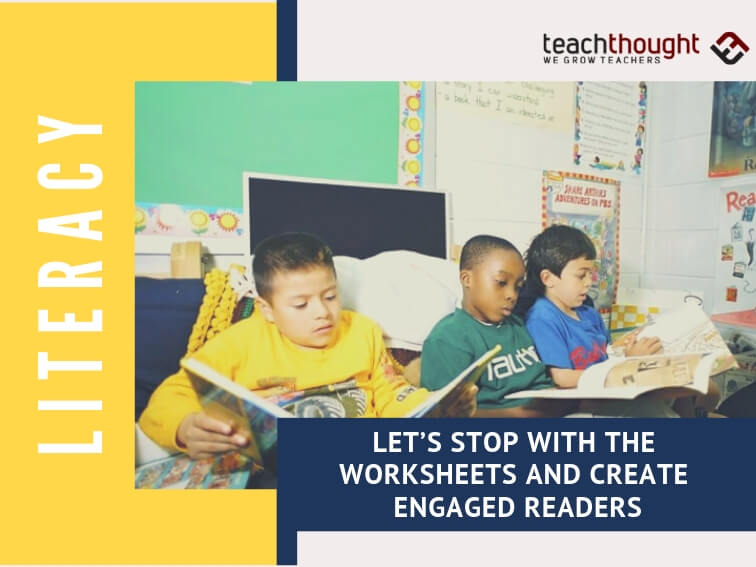
Let’s make room in the curriculum for engaged readers to read in the company of other readers, because it’s important to do so together.
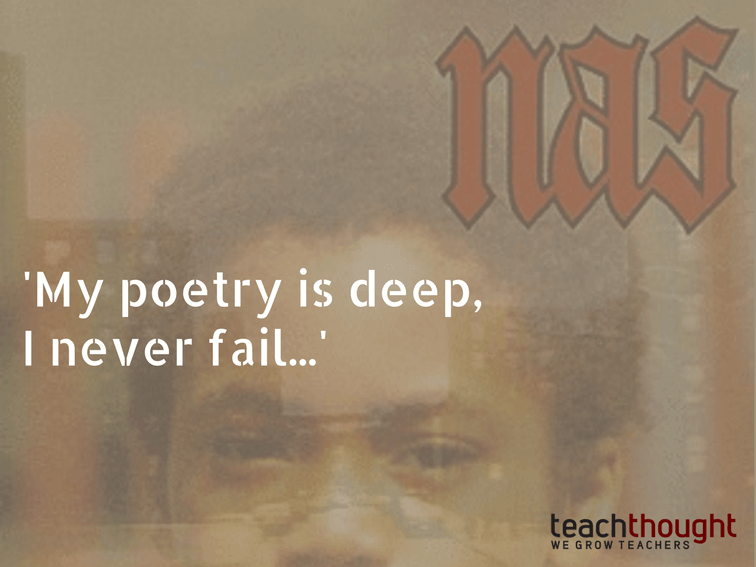
Nas explores ‘It Ain’t Hard To Tell,’ a track of ranging similes and metaphors with a pace that required 50+ plays before you could begin to appreciate it,
Poetry gets a bad rap for being too dense and pretentious. Try these strategies to help students who hate poetry warm up to its magic.
Online writing tools that provide automated feedback give students more opportunities to practice their writing.
Equipping students with the right tools and providing them with the proper support can set struggling readers up for success.
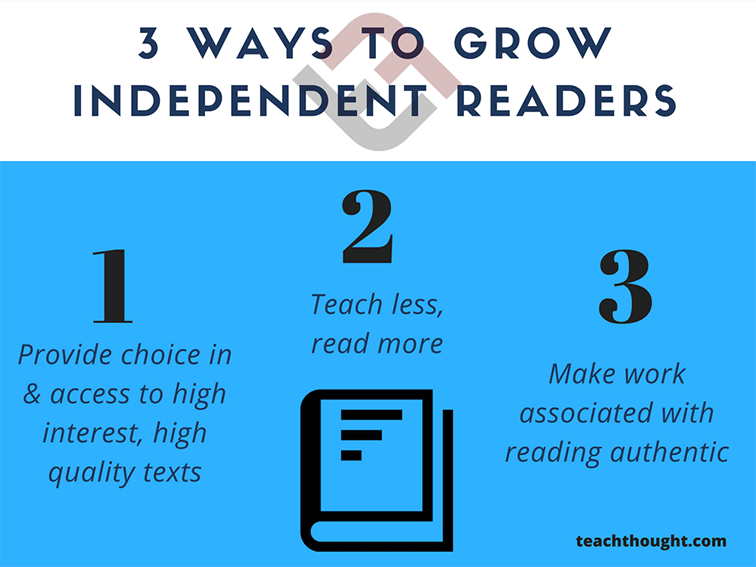
These suggestions offer possibilities to bring back a love for reading. The outcomes can lead to lifelong, independent readers.
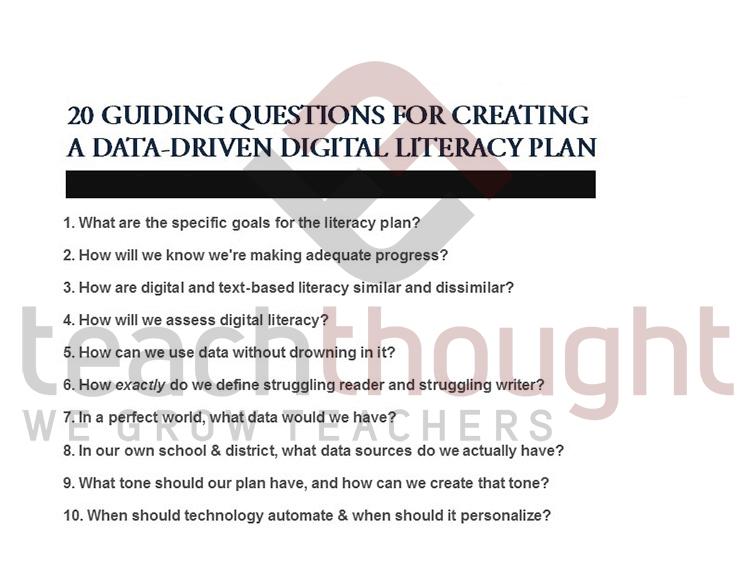
Digital literacy is emerging as a genuine concern in education as technology competes with traditional texts for student attention.
Here are a few books on style, grammar, and how to keep your audience engaged that are sure to ignite your writing inspiration.
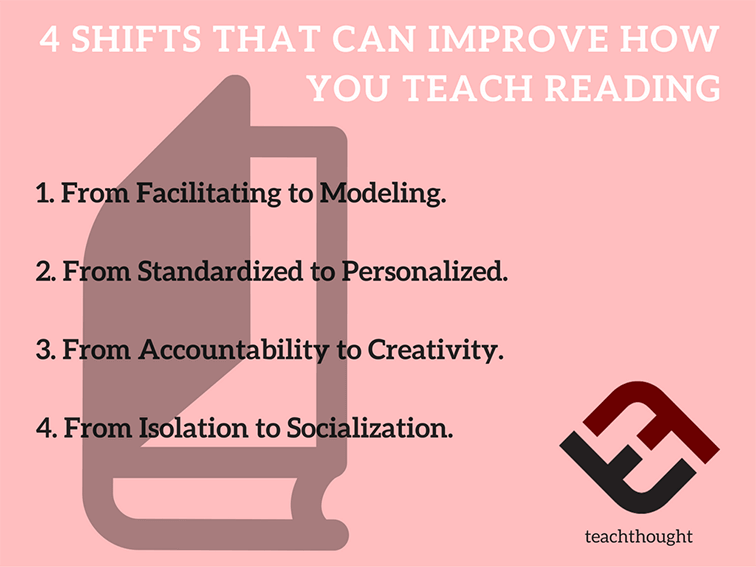
Reflecting on my years in the classroom, a few things come to mind that I wish I had done a differently to be more effective.
The Text Reduction Strategy can improve reading comprehension by reducing a text to distill it to its essence: theme, thesis, main ideas.
Close-reading is an active process characterized by questioning, adjusting reading rate, judgement thinking, and dozens of other strategies.
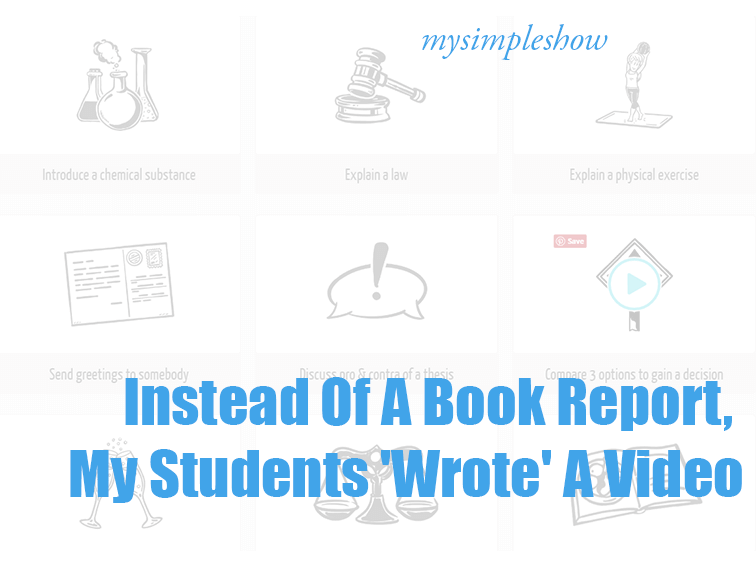
My students were overjoyed when I shared this new tool that enabled them to work more interactively with their book reports.