How A Simple Checklist Can Improve Learning
Used effectively, checklists can improve learning by helping students develop awareness processes, goals, and priorities.


Used effectively, checklists can improve learning by helping students develop awareness processes, goals, and priorities.
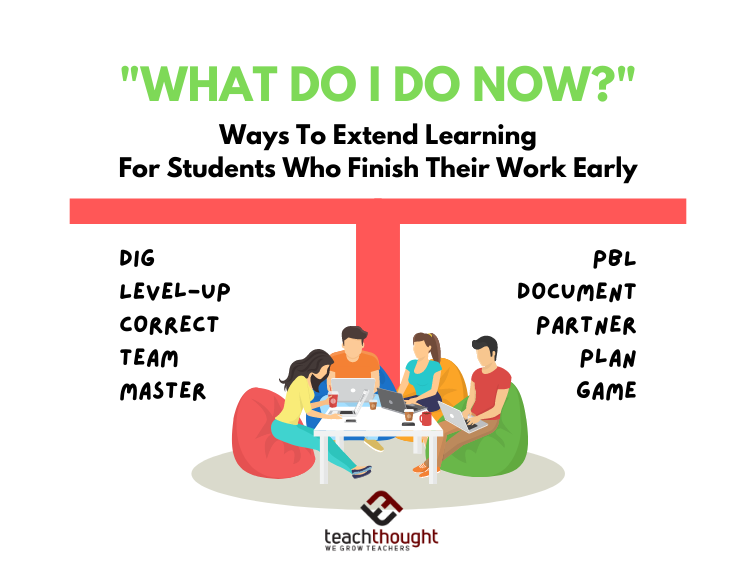
When students finish early, help them by naturally funneling them toward extending and improving the work they’ve already done.
One could reasonably cite the complexity of constructivist teaching and learning as a reason to default to more traditional teaching methods.

From levels of student engagement to additive grading to remote teaching, here are 10 of our most popular articles about student engagement.
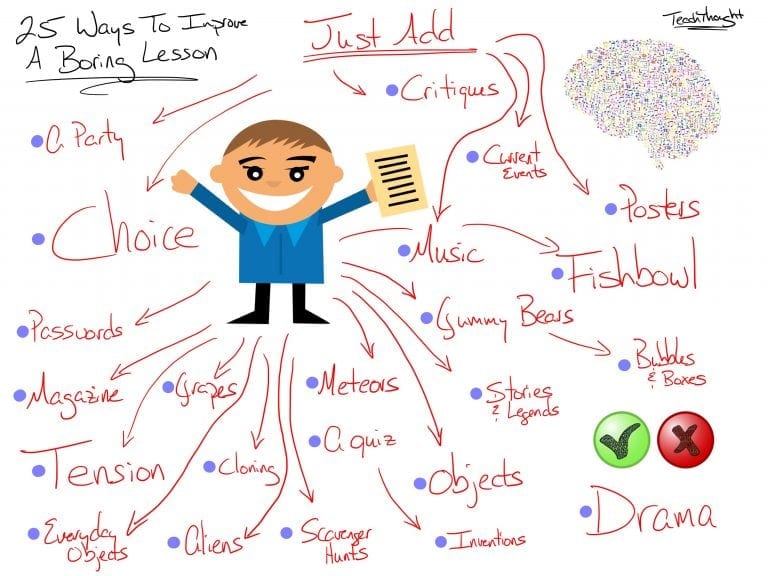
Here are 25 quick tricks to improve a boring lesson so that students stay interested and engaged in the learning environment.
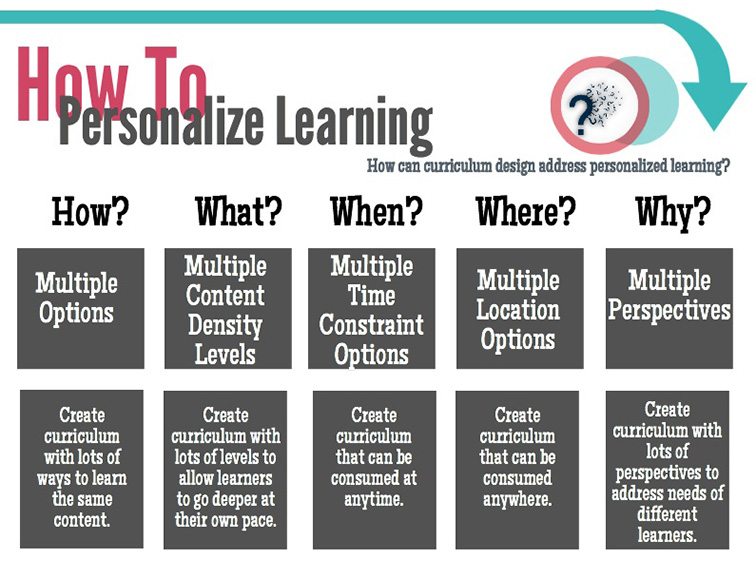
In this graphic, Mia MacMeekin frames the idea of personalized learning around the who/what/where/why/when series of questions.
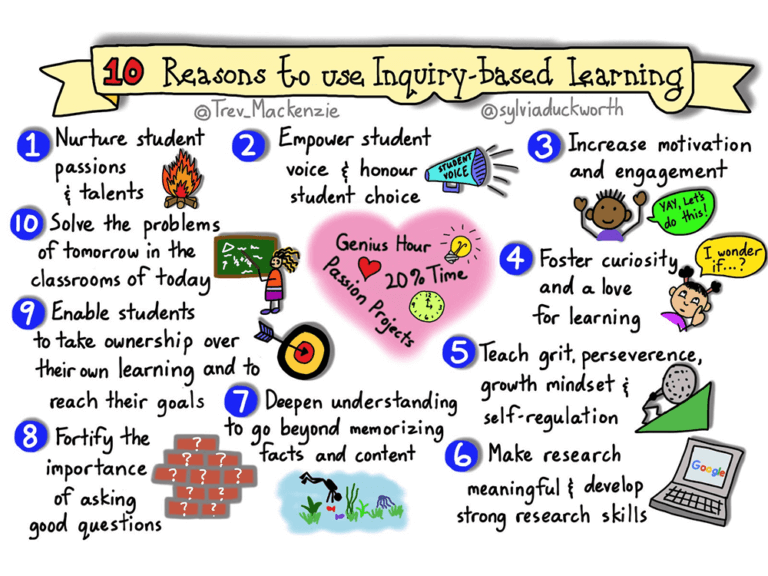
Among the benefits of inquiry-based learning, requiring the student to take an active role in the process may be the most significant.
TeachThought Thinking Habits Framework Critical Reasoning and Judgment for every student. Twelve repeatable practices for better questions, clearer reasoning, and more thoughtful judgment. Explore the habits → Explore by topic. 01 Critical Thinking 02 PBL 03 Assessment 04 Literacy 05 Pedagogy 06 Technology 07 Dictionary 08 Thinking Habits Essential guides. Assessment A Quick Formative Assessment…
The TeachThought Thinking Habits Framework. Repeatable, teachable practices for inquiry, reasoning, and self-regulation. SHOW THE HABIT IN THE WORK STUDENT ANALYSIS RESEARCH FOUNDATION Why these practices belong in the classroom The framework is a practical synthesis, not a claim that one study produced these twelve habits. These studies support explicit language for thinking, direct critical-thinking…
Quiet Depression: Understanding Emotional Flatness A short, practical course for capable adults who keep functioning on the outside while feeling muted, distant, or emotionally flat on the inside. Quiet depression does not always look like collapse. It can look like getting through the day, answering the emails, caring for others, and doing what has to…
Online Course Quiet Depression Learn to recognize the subtle form of depression marked by numbness, flatness, disconnection, and the feeling of being ‘fine’ but not fully alive. This course is designed to help you understand quiet depression as a pattern of emotional dimming rather than obvious collapse. It explores how people can continue working, caring,…
Online Course Rest That Restores Learn why ordinary rest often does not feel restorative, and how to begin recovering in ways your mind and body can actually use. This course is designed to help you understand the difference between stopping, escaping, collapsing, and genuinely restoring. It offers a structured way to examine fatigue, depletion, overstimulation,…
Online Course Returning to Yourself Learn how to rebuild contact with your own needs, values, limits, preferences, and inner life. This course is designed to help you notice where you have become distant from yourself through responsibility, adaptation, pressure, caregiving, performance, or long-term emotional suppression. It offers a structured way to begin returning to yourself…
TeachThought Courses Mental Health Courses Short, focused learning experiences designed to help adults better understand patterns. Beneath anxiety, depletion, emotional flatness, over-responsibility, and self-loss, these courses help you begin making practical shifts in how you respond. 01 Calming The Always-On Mind Learn why your mind stays alert and how to begin quieting the overload. Recognize…
Notifications
