Research-Based Classroom Management Strategies
Four research-based classroom management principles” relationships, routines, engagement design, and restorative responses.

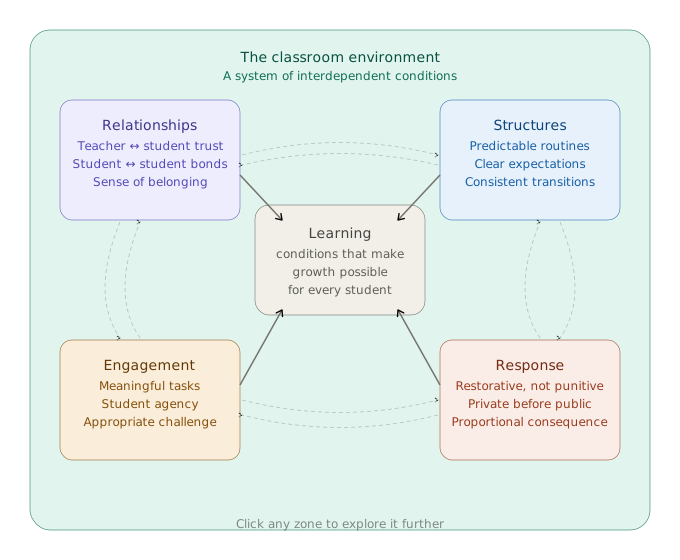
Four research-based classroom management principles” relationships, routines, engagement design, and restorative responses.
Classroom management involves both proactive and reactive moves—planning ahead to prevent issues and responding calmly when they arise. Effective teaching blends both. Proactive vs. Reactive Management Proactive Management Reactive Management Establishes routines and clear expectations before class begins Addresses behavior respectfully after it occurs Prevents confusion through structure and predictability Restores focus without embarrassment or…
Classroom Management Terms Dictionary – Classroom Management Terms Classroom Management Terms Key practices, routines, and strategies that create a productive learning environment 1. Behavior Management Definition: The strategies, interventions, and systems teachers use to prevent and respond to student misbehavior. Classroom Example: A teacher uses proximity, praise, and redirection to manage off-task behavior during group…
Classroom management is as much about instructional design and relationships as it is rules and discipline.
In lieu of obvious similarities, teaching a language, requires largely the same teaching skills as any other subject.
One of the biggest struggles facing new teachers in education is figuring out how to effectively manage a classroom.
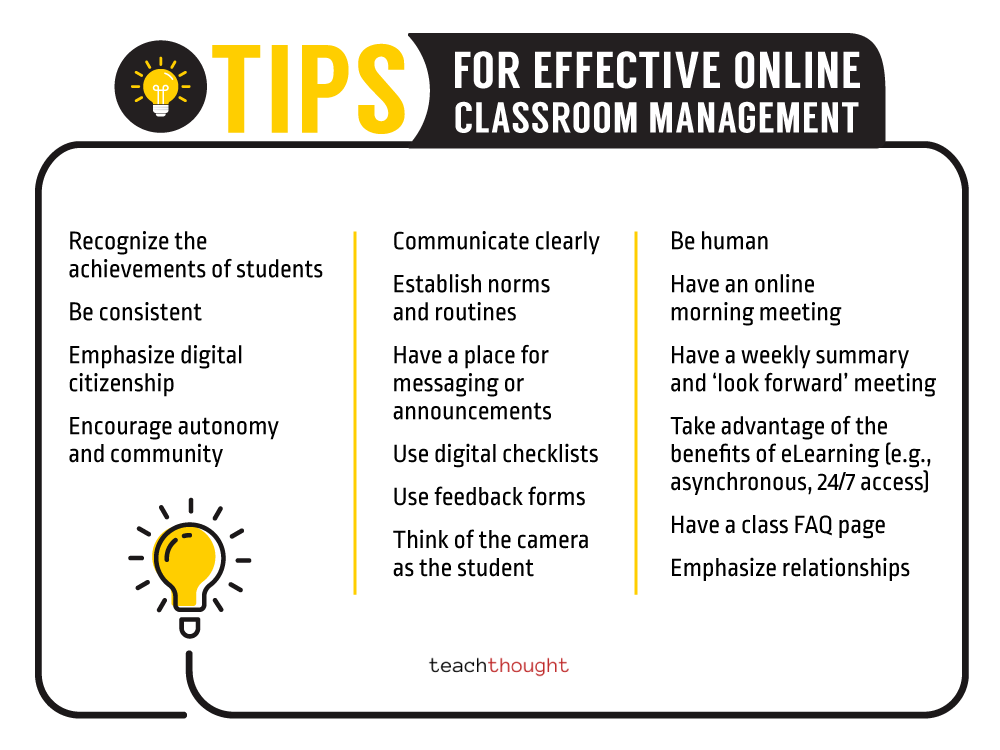
Effective online classroom management mirrors effective in-person management, both benefiting from norms, feedback, and routines.
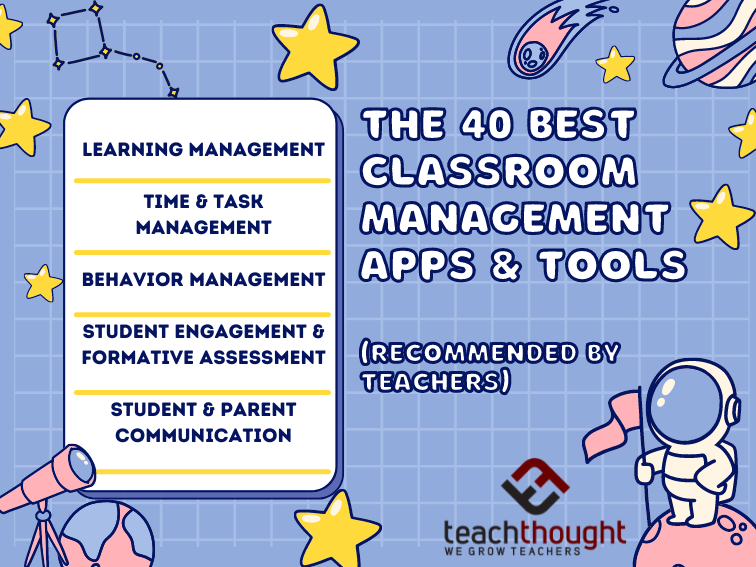
We’ve compiled a list of the 40 best classroom management apps and tools, recommended by experienced teachers.
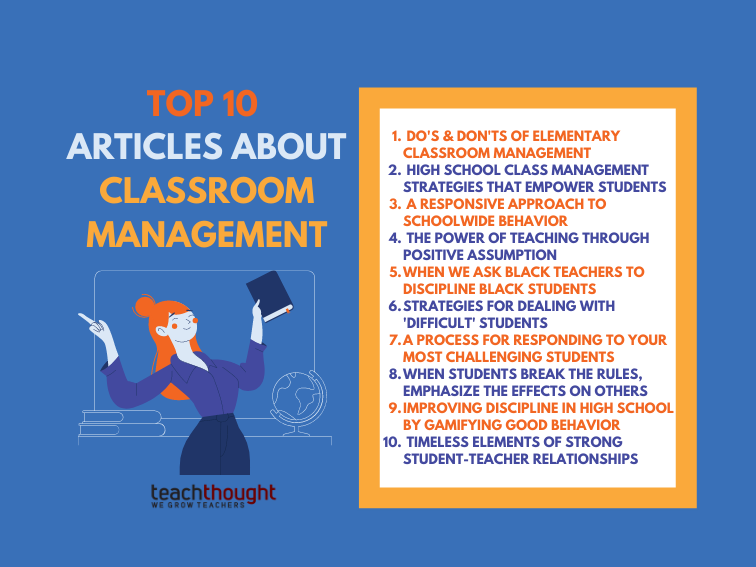
We’ve compiled our best articles on classroom management for novice & experienced teachers to refresh their skills & reframe their thinking.
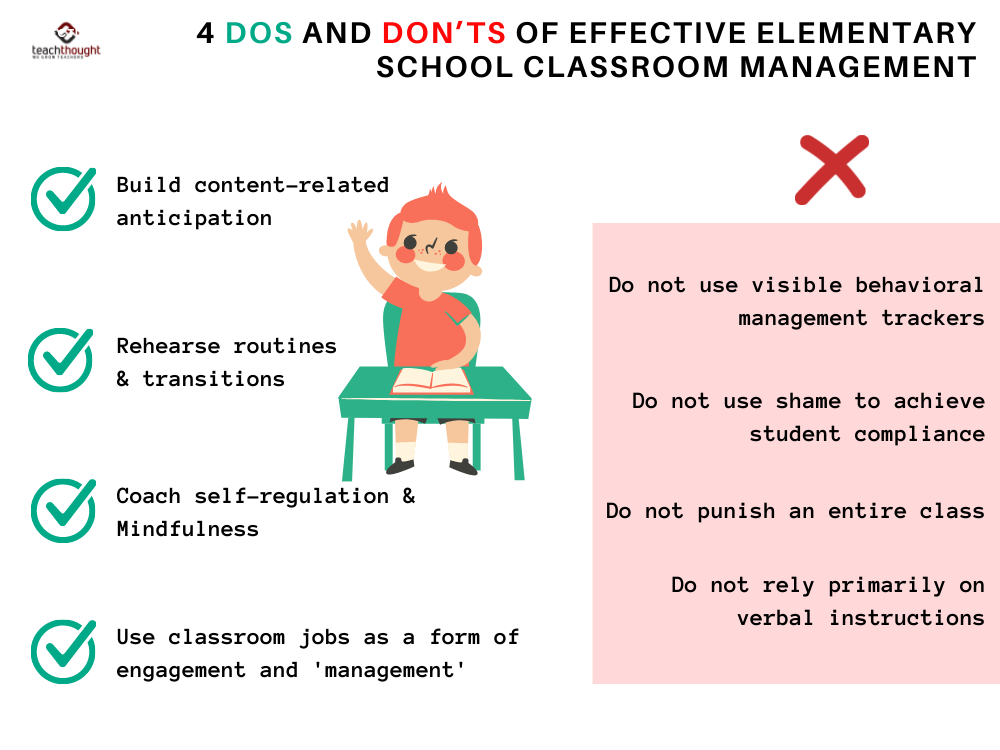
Effective elementary classroom management involves maintaining a balance between promoting convergent and divergent thinking and behavior.
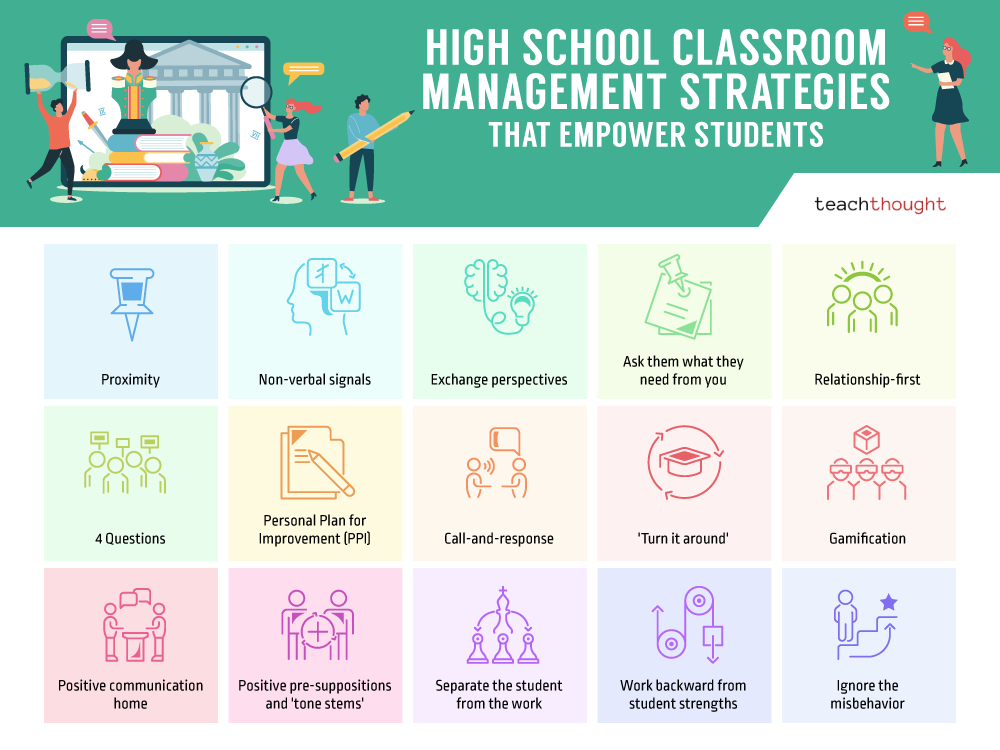
These high school classroom management strategies stem from the belief that students respond well to positive reinforcement.
What is the one classroom management strategy that works every time? Build strong relationships with every student, every day.
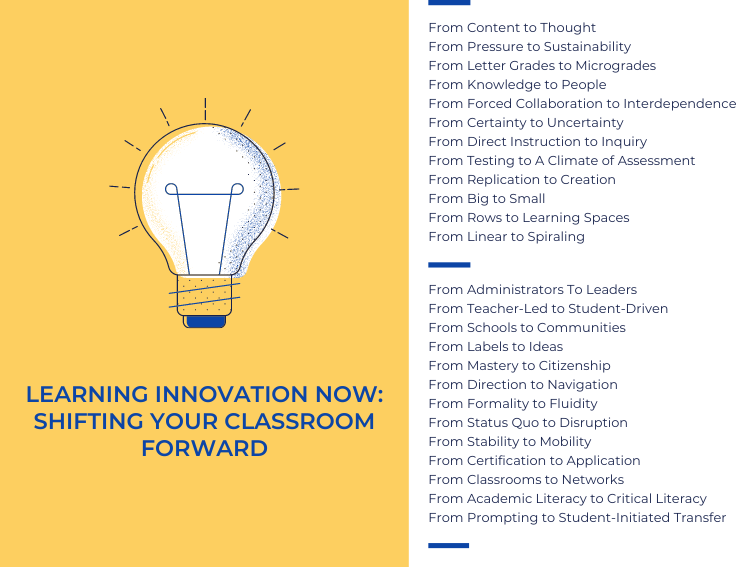
From content to thought, linear learning to spiral learning, and grading to micrograding, here are possible characteristics of an innovative classroom.

Reliable ways to refocus students and begin instruction smoothly. Calm attention cues, transparent routines, and grade-band examples teachers can use right away.