On Student Engagement: How To Be As Interesting As A Video Game
One student engagement strategy is to offer diverse pathways through content–pathways students would have to ‘unlock’ to progress.


One student engagement strategy is to offer diverse pathways through content–pathways students would have to ‘unlock’ to progress.
Games can serve as platforms for lessons in math, science or just about anything — even if they weren’t designed to be educational.
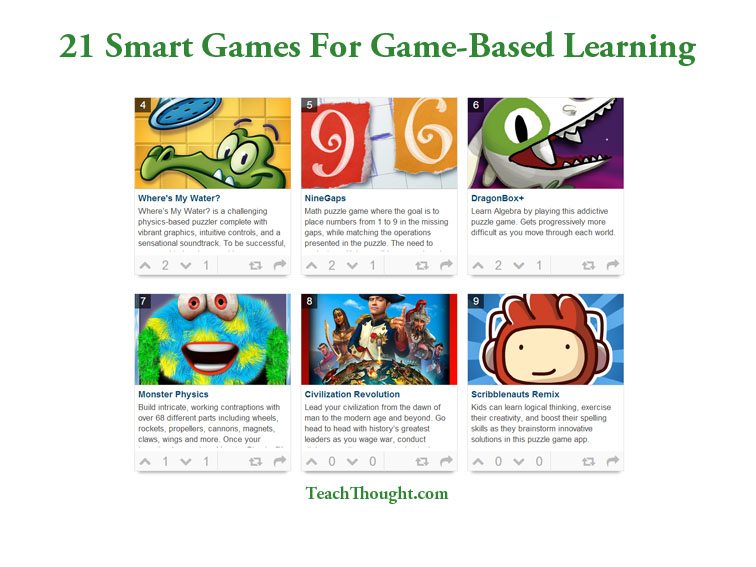
Good candidates for game-based learning games include Portal 2, Civilization VI, Democracy 4, and Assassin’s Creed Museum Tour.
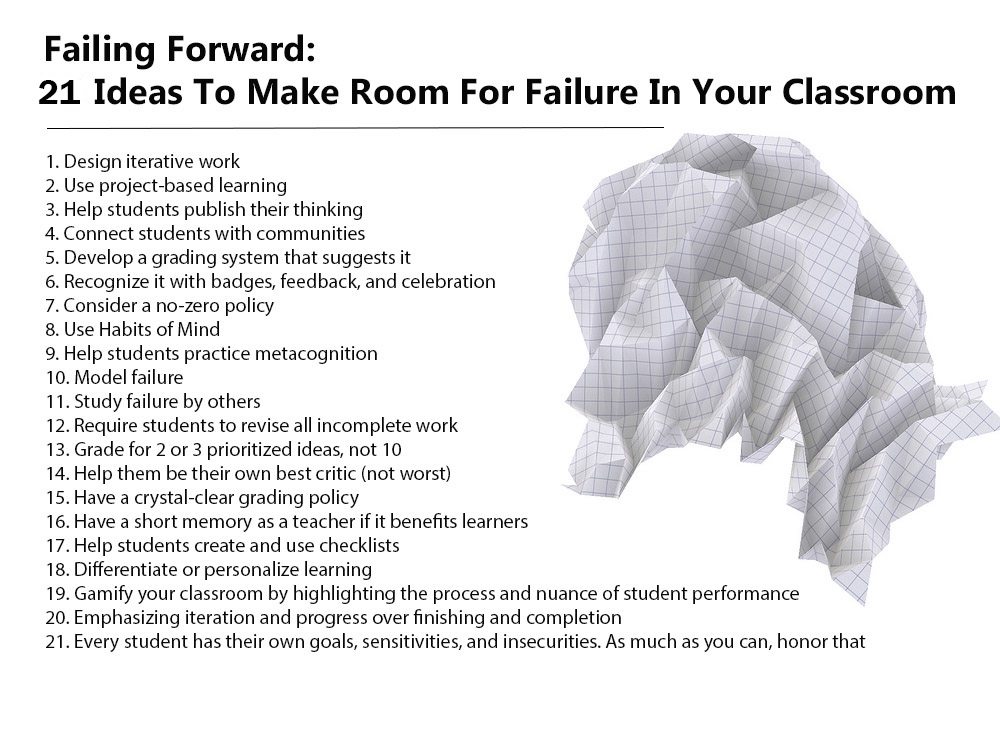
An example of ‘failing forward’: “Your first two drafts didn’t work so well, huh? What can you take from each of them–what’s salvageable?”

When choosing the right platform, it’s essential to consider factors such as structured lessons, interactive features, and access to native speakers.
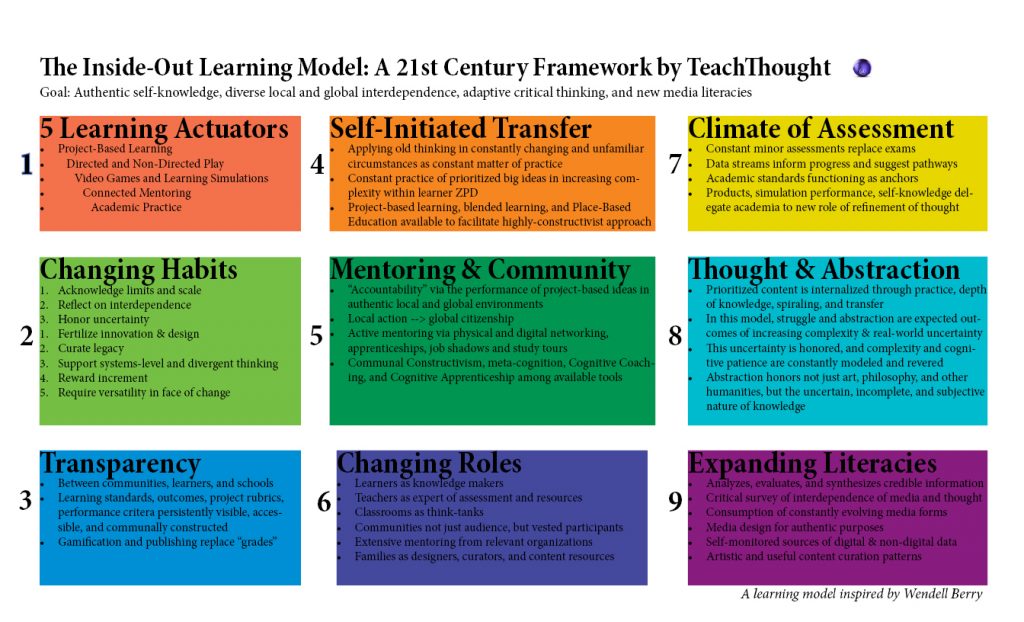
A micro-goal of the ‘Inside-Out’ School is a new kind of ‘intelligence’ where the macro-effect is healthier communities and citizenship.
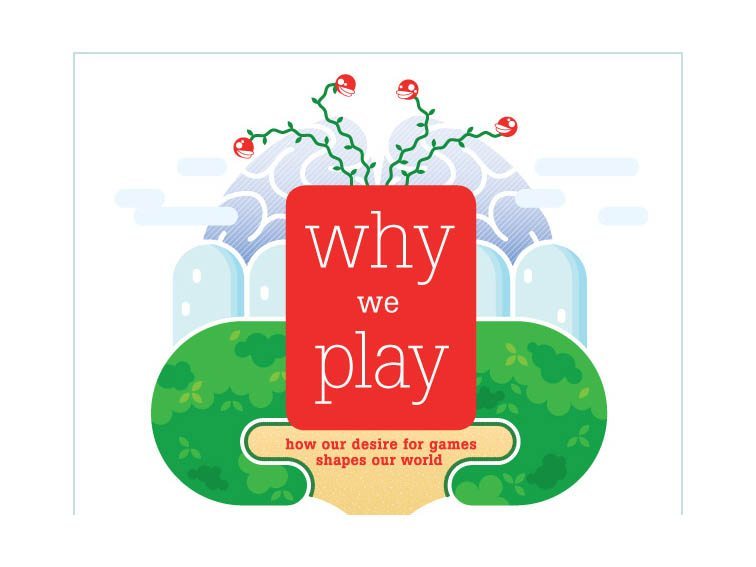
Gamers often throw around ‘escapism’ when talking about their hobby, but this is a hollow explanation for what motivates us to play games.
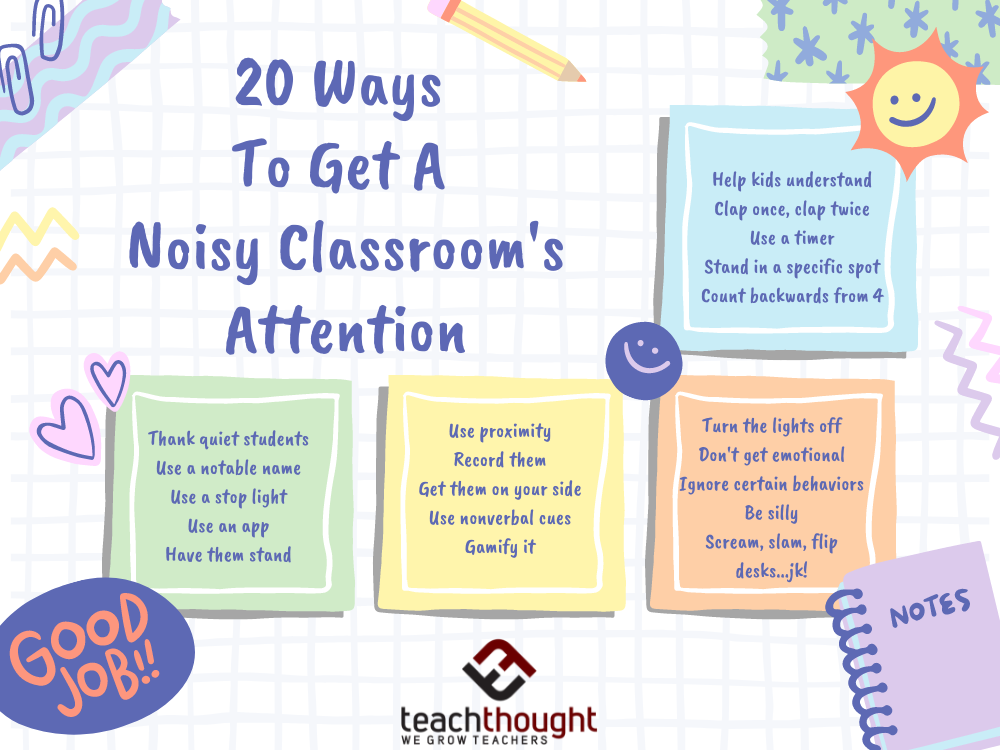
Stand at the front of the room and say out loud, “Clap once if you hear me, clap twice if you hear me,” while modeling the clap.
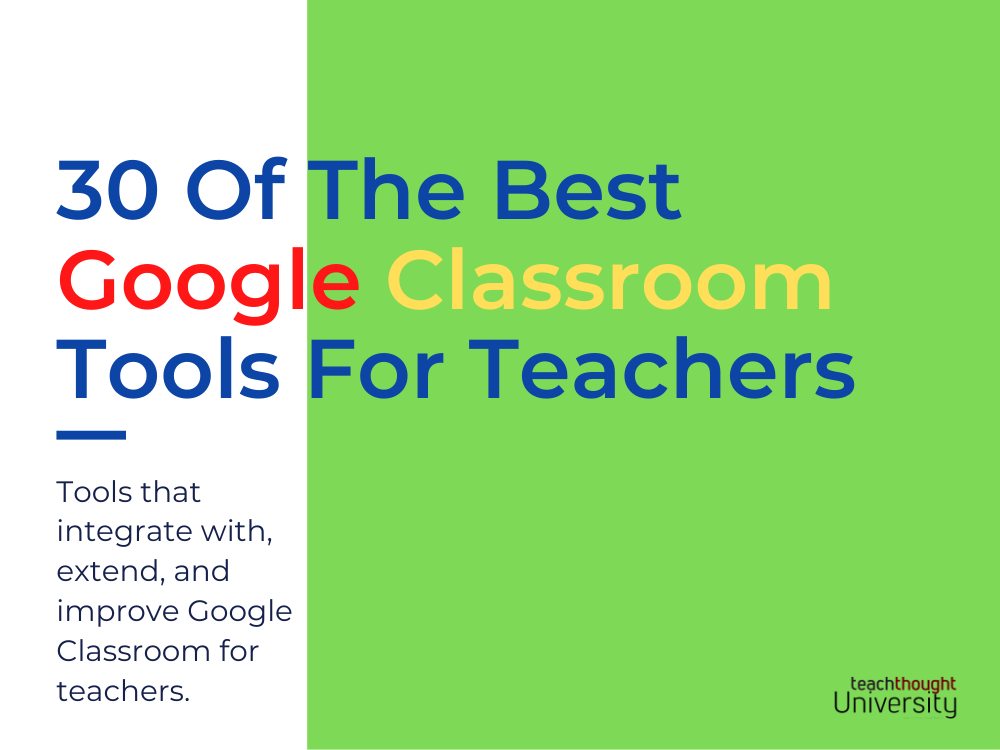
Here are 30 of the best teaching tools that integrate with and otherwise extend and improve Google Classroom.
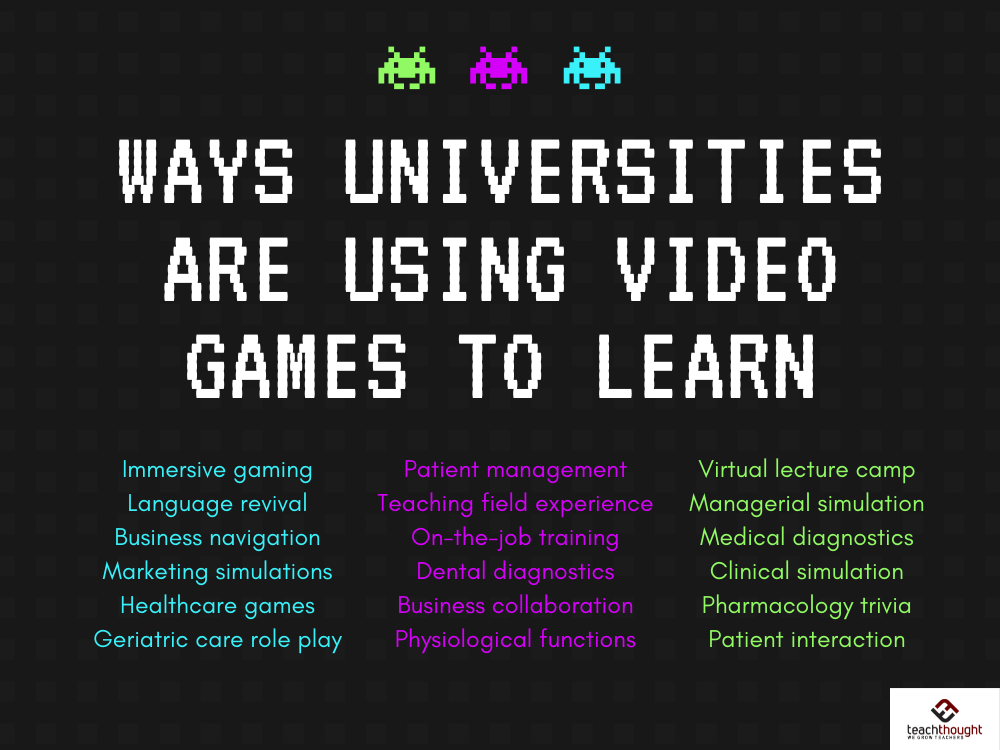
From simulations to role-playing, here are just a few of the ways universities are using video games to learn.
Duolingo is a language-learning platform that provides language and vocabulary practice and online courses in multiple languages.
It’s never really over, and rather than maddening, this is indicative of a trend seemingly encouraged by the digital universe we all duck our heads into each day.
You are handed a classroom full of students who are excited to be back but not so enthusiastic to study. This is an opportunity!

Education has long gone beyond acquiring knowledge to acquiring skills using EdTech tools