Digital Learning Is Just Different
Digital learning is different than non-digital learning from the moment an experience starts. It’s not better or worse–just different.

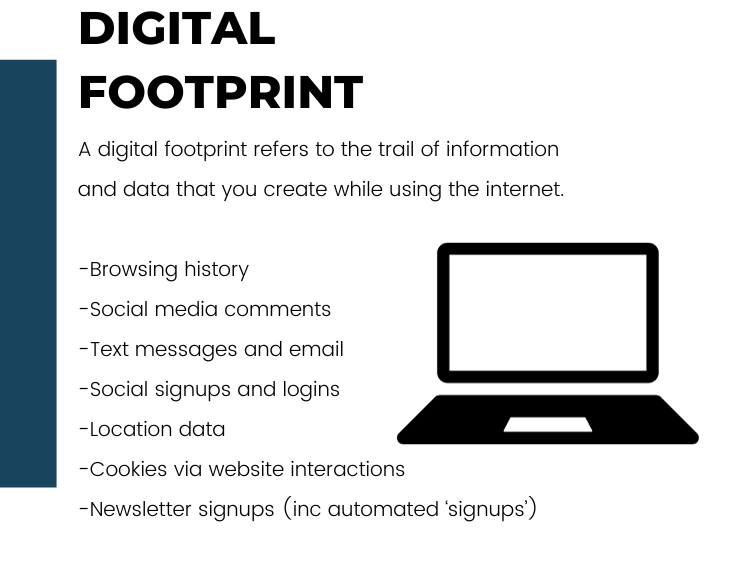
Digital learning is different than non-digital learning from the moment an experience starts. It’s not better or worse–just different.
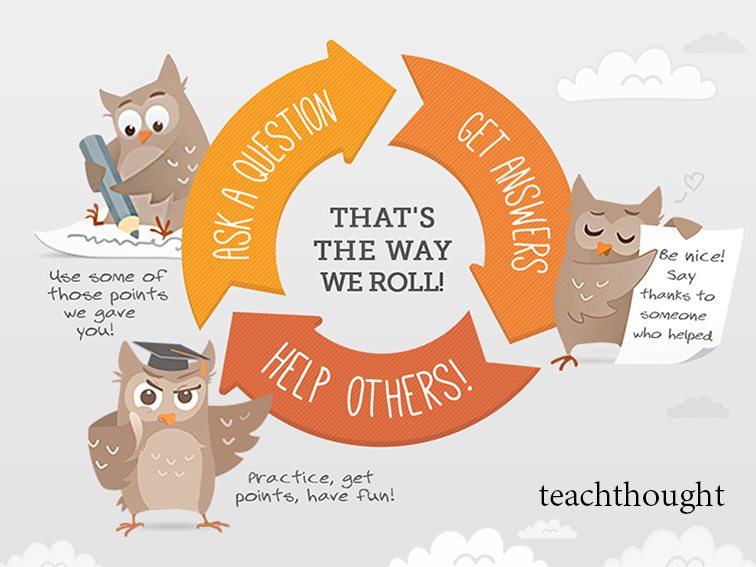
Thanks to gamification on networks like Khan Academy, students can enjoy solving problems as they gain ranks and compete with one another.
This presentation from Steven Wheeler explores changes in technology and education, including gamification, AR, and mobile learning.
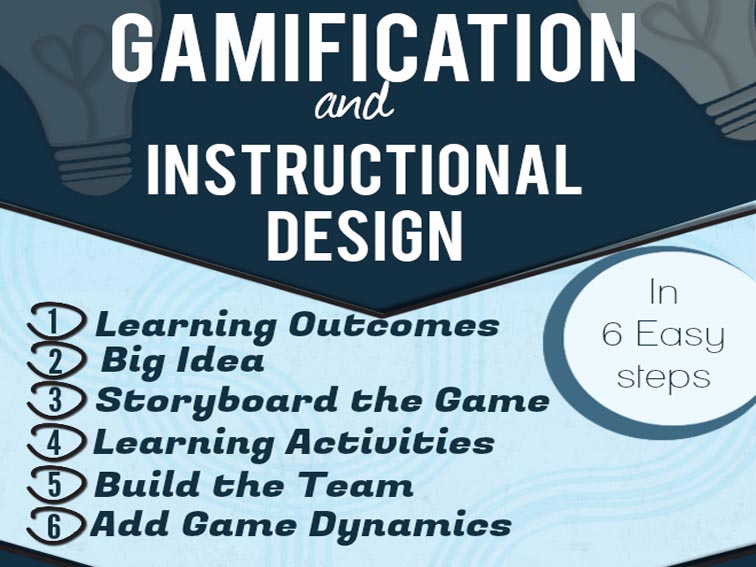
Rather than “gamifying” a unit, Mia MacMeekin’s graphic promotes building a unit centered around a game and featuring game-like mechanics.

A collection of teacher-recommended tools to make learning fun, engaging, and interactive in your classroom.
by Judy Willis and Terry Heick Like killer bees, the Common Core Standards have been coming for what seems like decades now, and with a similar tone of doom and despair. (Or hope and interest, depending on your perspective.) Most of the adjustments discussed are focused on curriculum and technology, but there is the matter…
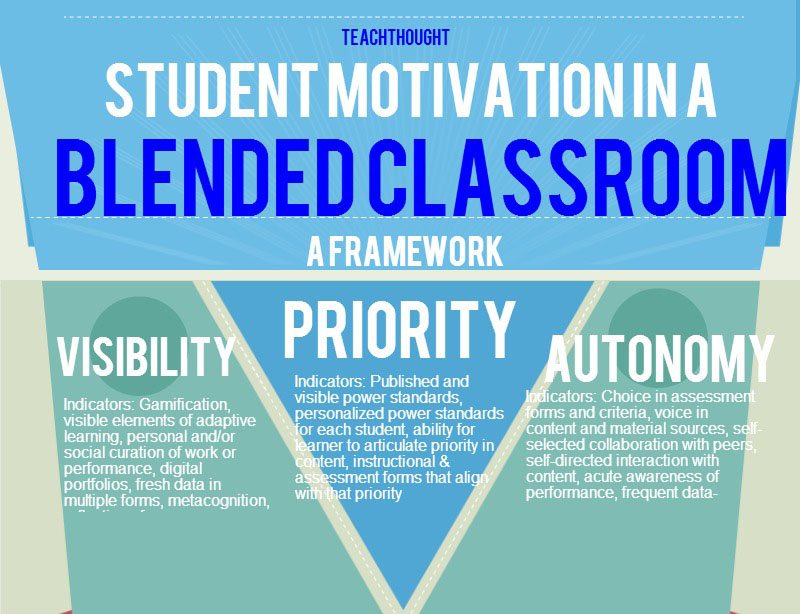
…Nonetheless, the above framework can help support the teacher in a blended classroom in promoting student motivation
How Are Digital Platforms Disrupting Learning? by Terry Heick Media is becoming increasingly digitized, and we learn through, among other processes, consumption of media. It makes sense then that digital platforms just might be changing the way learning happens. A “platform” can be defined as an app, a website, an eLearning environment, or a collaboratively…
Textbooks can be excellent sources of information, but for far too many students, they are brutally awful sources of learning.
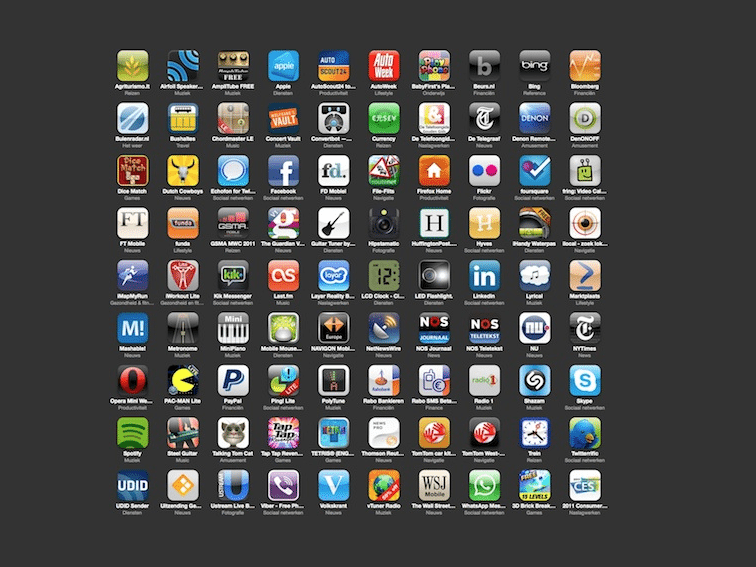
While an educational app may be “fun”, there’s a good chance that it is a net detriment to a student’s learning progress.
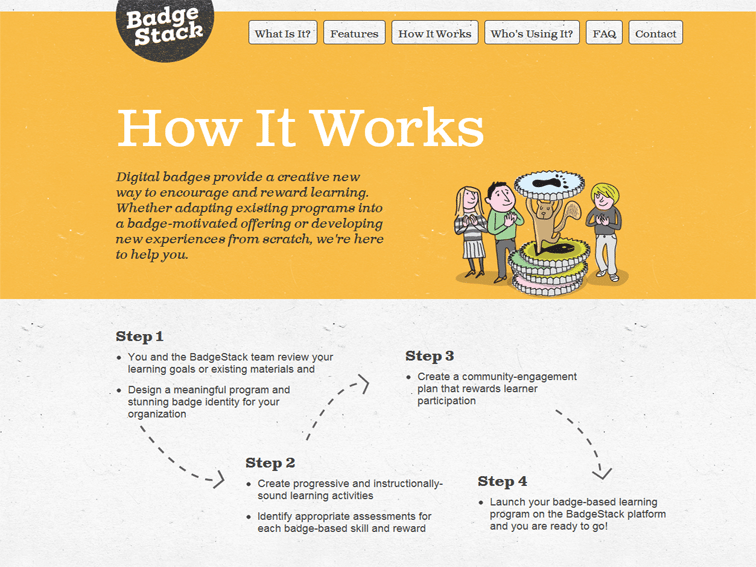
What Is Badgestack? Whether you call them microcredentials, trophies, or badges, the idea of documenting progress and making trends visible is becoming increasingly popular across increasingly diverse digital platforms. While this approach fits naturally into literal games, “gamifying” a system that isn’t first a game is a new approach that dovetails nicely into elements of…
The premise behind games is that they allow players to experience simulations that can elicit the responses in the brain as actually doing the activity.
Traditional goals—(winning)—are replaced by a self-selected, self-paced, and even artistic expression of the interaction with the game.