12 Mistakes Schools Make When Introducing The Next Big Thing
Well-meaning local change agents and schools continue to make mistakes in how Understanding by Design (UbD) is implemented.


Well-meaning local change agents and schools continue to make mistakes in how Understanding by Design (UbD) is implemented.

Depth of Knowledge frameworks can be useful for planning curriculum, designing assessments, or making judgments about student reading, writing, and math.
Want To Transform Education? Start In Your Classroom. by Terry Heick If it’s a standards-based, outcomes-based, institutionally-centered (and nationally participative) game we want, you’d be hard-pressed to find a better combination than Understanding by Design units (i.e., Wiggins) anchored around power standards (e.g., Strong, Silver, Perini, Dufour) that are then delivered through differentiated instruction (i.e.,…

For starters, less is more. As you design curriculum and instruction, give students just enough to get them going, then get out of their way.

There are many forms of performance tasks: short and long constructed response, drawings and videos, interview.
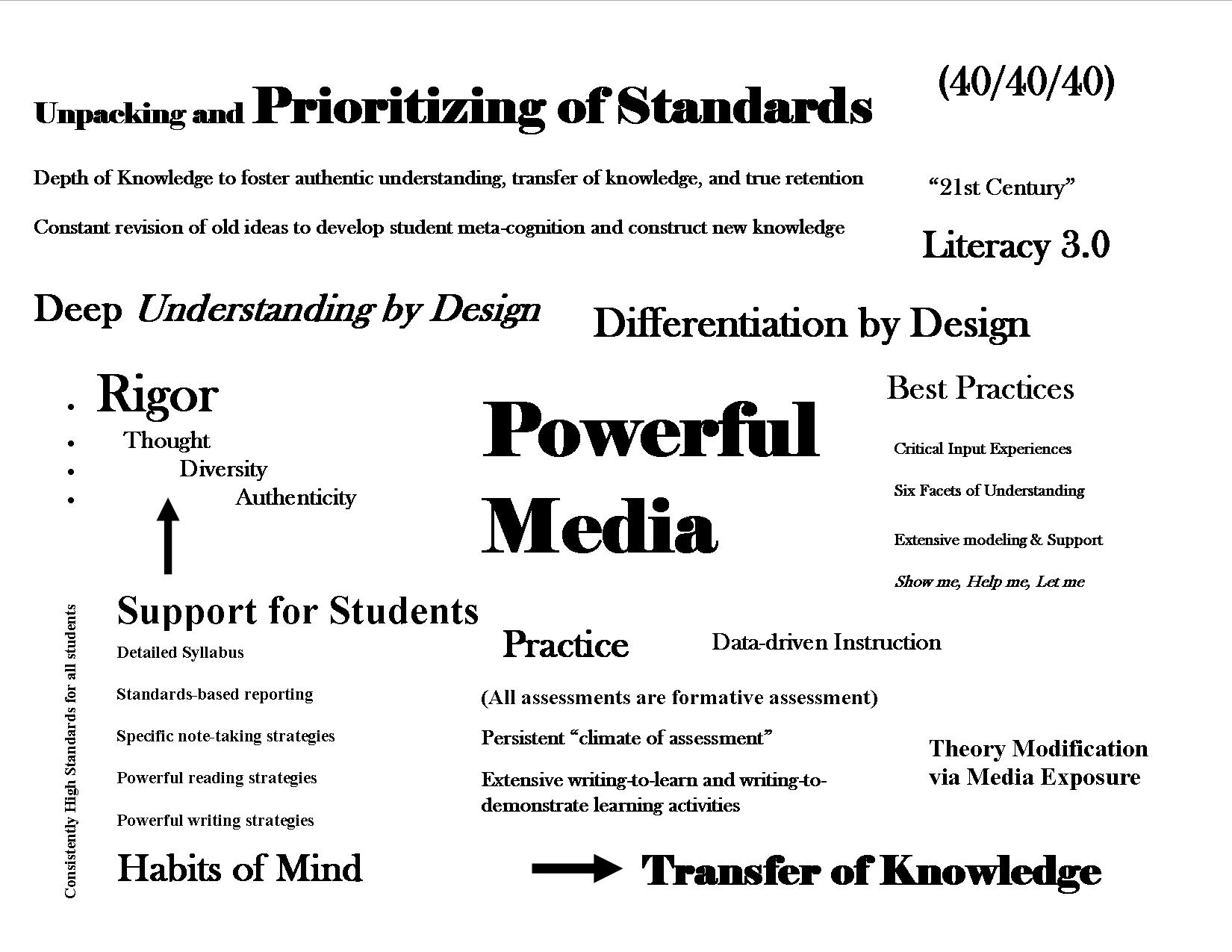
Everything I Knew My Second Year Of Teaching My 2nd year of teaching, my head was swimming. I had just gotten back from an ASCD conference–with a Marzano pre-conference and a heavy dose of Understanding by Design, Tomlinson’s ideas on differentiation, and some sessions on literacy. In spite of all of the great information I…
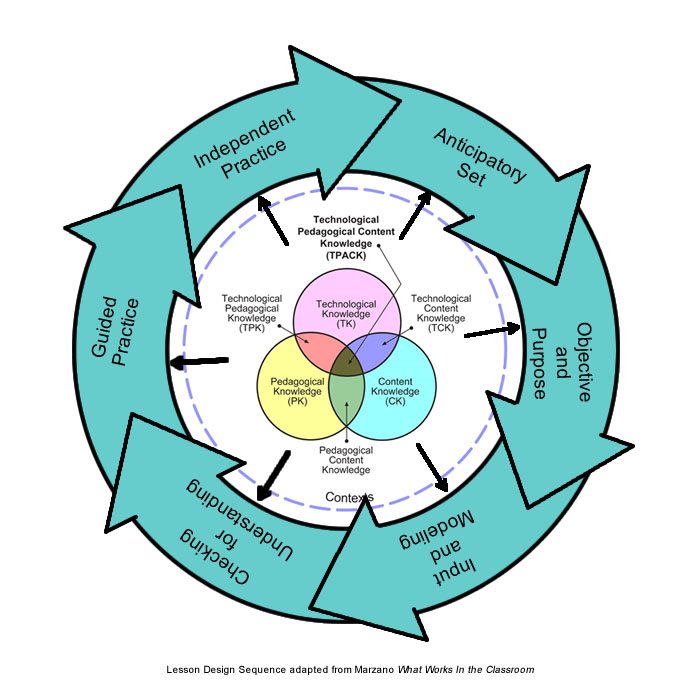
This basic lesson design closely follows the gradual release of responsibility model and has been used as a template for decades in schools.
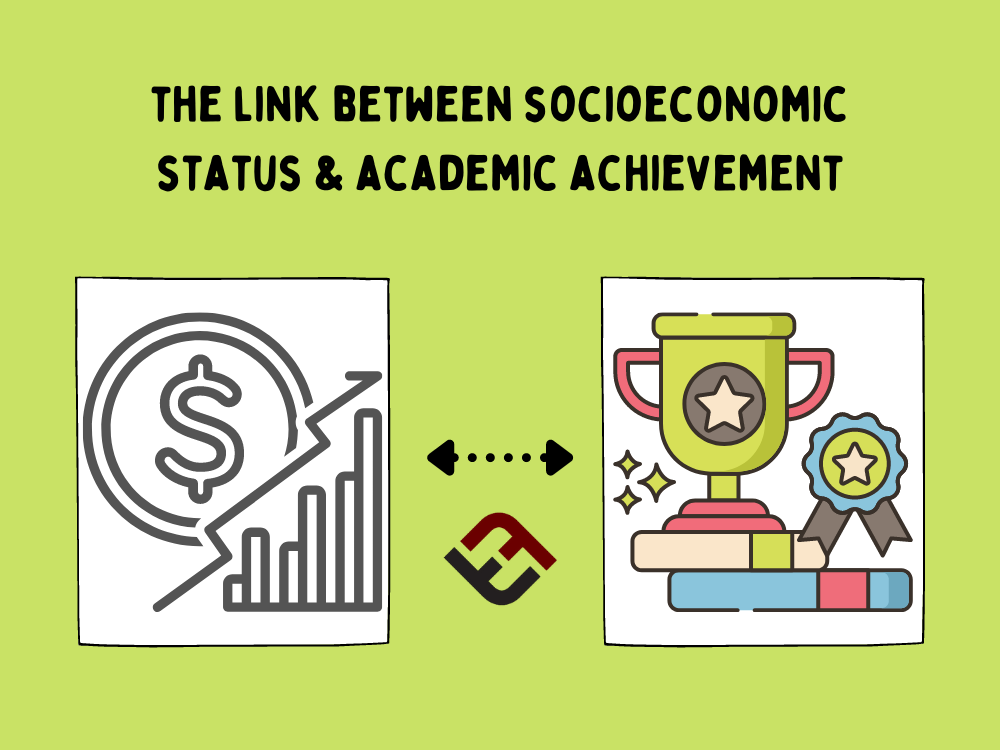
We know the link between a child’s socioeconomic status and school achievement is real, it is a very tight link that has existed for decades.
Instructional templates can keep key design questions that get lost in typical planning at the center, prioritizing engagement over content.
Who could argue with the idea that formative assessment is a good thing?