11 Underlying Assumptions Of Digital Literacy
In understanding the shift from literacy to digital literacy, it may help to take a look at the underlying assumptions of digital literacy.


In understanding the shift from literacy to digital literacy, it may help to take a look at the underlying assumptions of digital literacy.

Instead of asking, ‘How can we slow their loss of academic progress?” we might ask instead, “What do children need over summer break?”

Slowing the ‘summer slide’ through daily reading, writing, and ‘playing’ supports children in developing learning habits that endure.

One student engagement strategy is to offer diverse pathways through content–pathways students would have to ‘unlock’ to progress.

While screen time certainly matters, focusing only on time is like developing a literacy program that focuses only on ‘minutes read.’

The definition of Combination Learning is learning through the flexible combination of two or more learning components.

If you want to be more aware of what gamification, these examples may be useful if for nothing else than to be more intentional in using it.

There are many ways to help students think for themselves. Guide them to dynamic spaces characterized by people, thought, and creativity.
How Does Daydreaming Improve Thinking? The student’s eyes drift to the classroom window and the teacher’s voice fades from consciousness. The daydream begins. It’s a familiar scene, one we have likely both experienced as students and struggled against in our students as teachers. But daydreaming is not what it might seem. Recent research in psychology…

The shift toward a fluid, formless, socialized nature of information, thought, and belief is a not a small one.
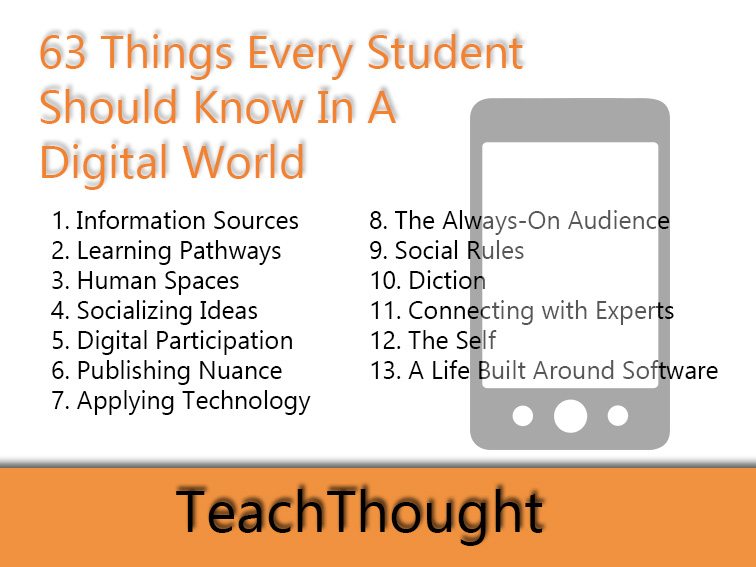
In an increasingly digital world, the things a student needs to know are indeed changing–sometimes drastically.

Some readers may think they dislike the process of reading but everyone loves ideas–and reading is a wonderful strategy to find them.

What motivates students? More specifically, what motivates them to be engaged at school to master the objective you’ve chosen for them?
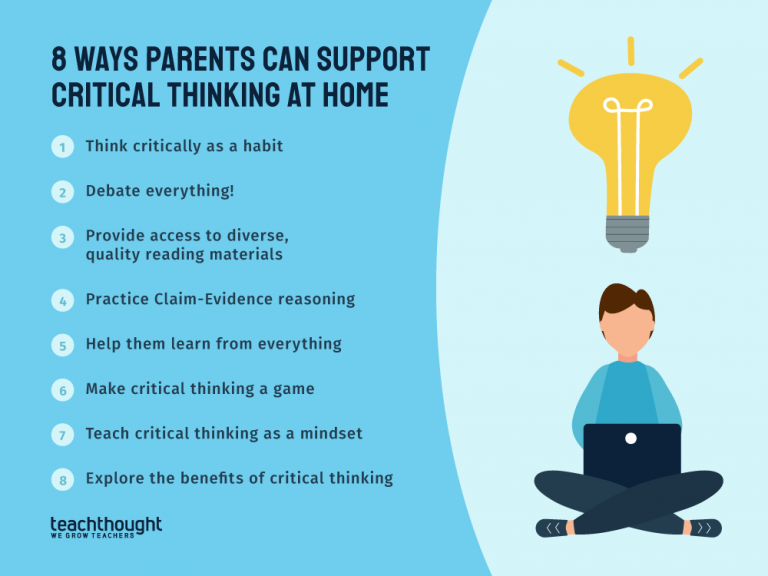
Practicing critical thinking at home–in their ‘native environment’–is a useful strategy to build their cognitive muscles.