5 Strategies For Better Teacher Professional Development
Just as a teacher has to create conditions that support and encourage student success, school districts have to support teachers’ PD.

Just as a teacher has to create conditions that support and encourage student success, school districts have to support teachers’ PD.
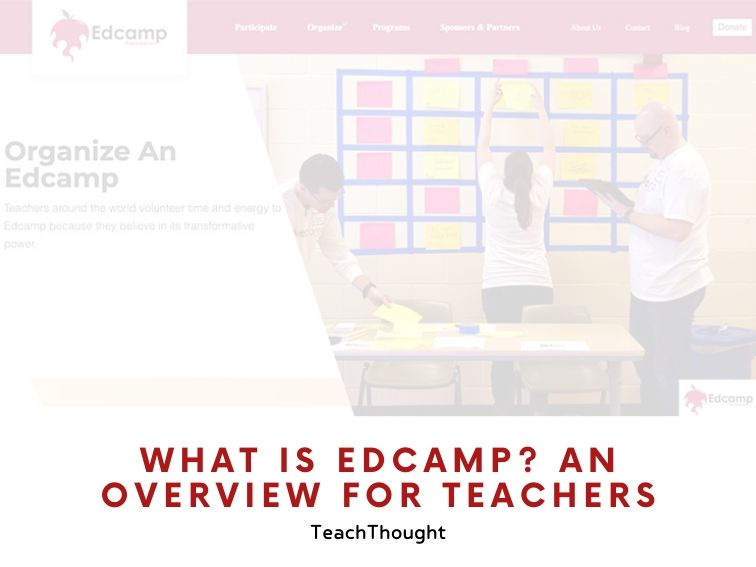
Edcamp is a participant-driven approach to PD. The result is a teacher-centered, ‘bottom-up’ approach to teacher improvement.
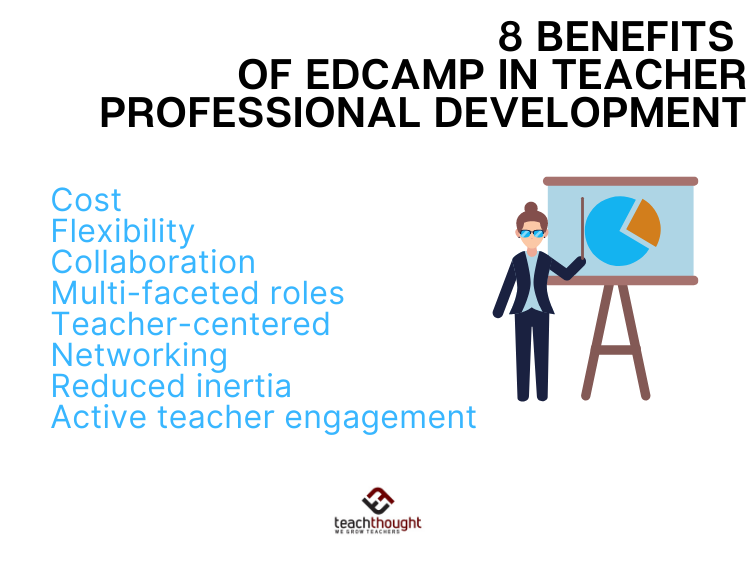
Because topics and format are largely flexible in Edcamp, the result is an event that feels ‘teacher-centered’ versus institutionally-focused.
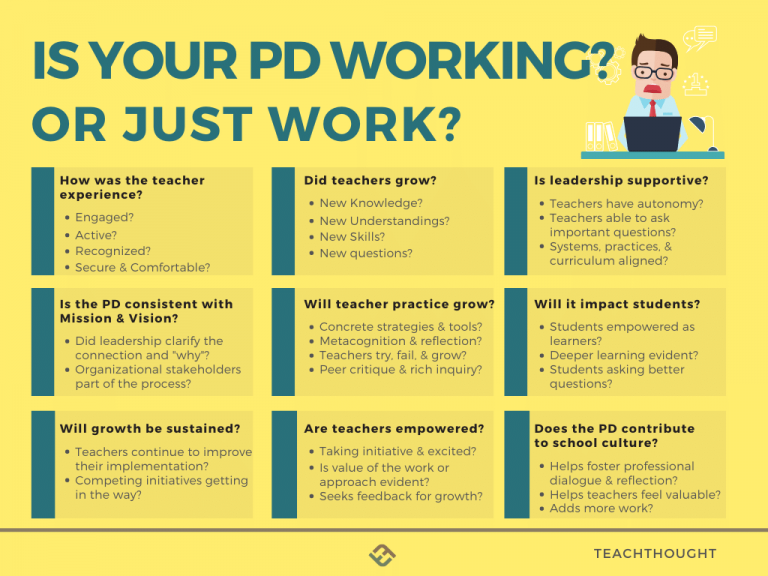
Teachers are passionate about helping their students and improving their craft. But PD doesn’t always feel particularly helpful.
Mediocre teaching loiters around the lower levels of Bloom’s taxonomy. A culture of ongoing inquiry can change that.
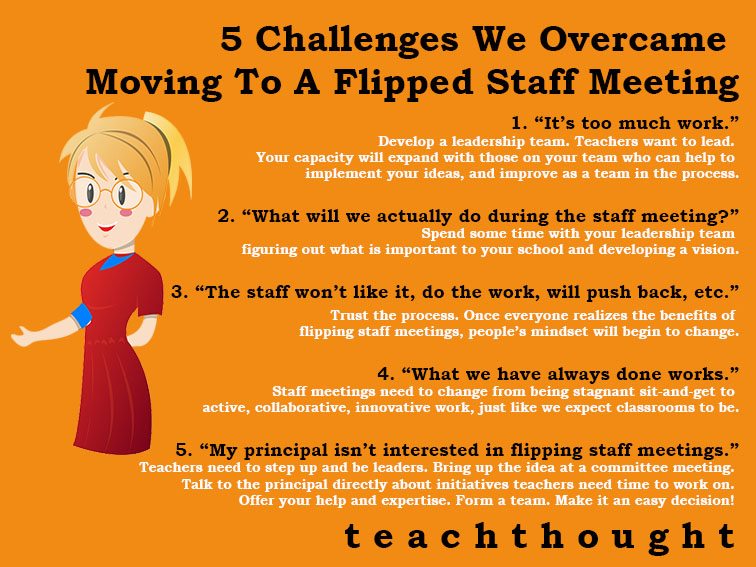
One of the best aspects of being able to flip meetings is giving freedom, choice, and leadership opportunities to the teachers themselves.

Why do we create school mission statements alongside the planets & stars, then insist on data and strategies grounded in research & reality?
Some teachers still have trouble showing vulnerability–especially if they feel unable to keep up with the incredible demands of teaching.
Hosting a workshop with teachers is only the first step to take in implementing a school-wide PBL plan for students.
Want alternatives to teacher staff meetings? Try empowering small groups for quicker, more personalized and adaptive meetings.

So many trends in learning are repackaged approaches teachers have seen before, and when that trend appears different, its results are not.

While the goal of a school isn’t ‘to make teachers happy,’ a school full of ‘happy’ teachers can change the world.

In this infographic, Mia MacMeekin offers 27 ways to make your next staff meeting more interesting—and engaging—for teachers.
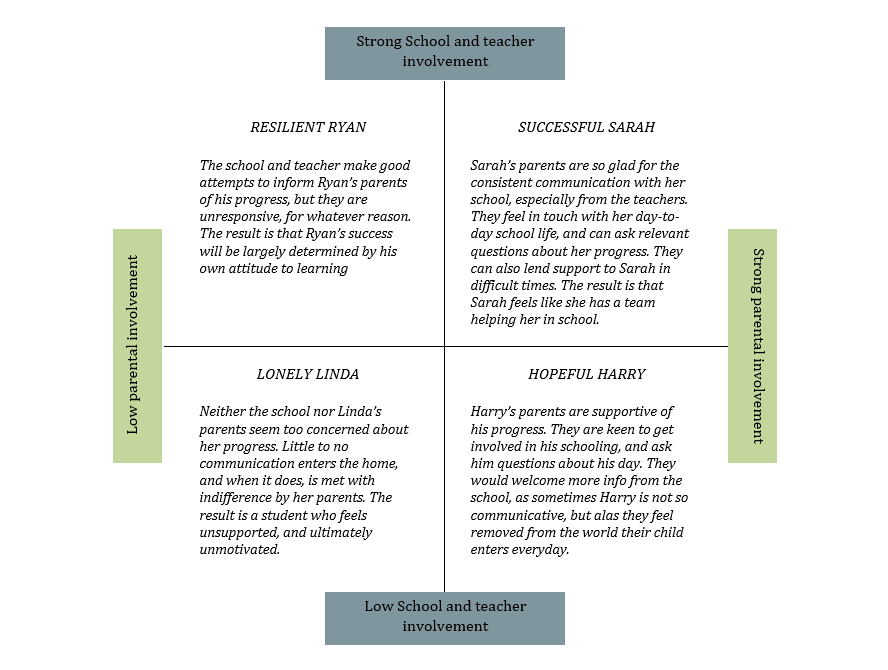
Everyone agrees that parental involvement in student learning is important, and in fact a key factor in their success.