The Access Model: A 1:1 Framework For Teaching With Technology
The Access Model is a framework to provide guidance to curriculum designers, teachers, etc. in designing 1:1 teaching and learning resources.

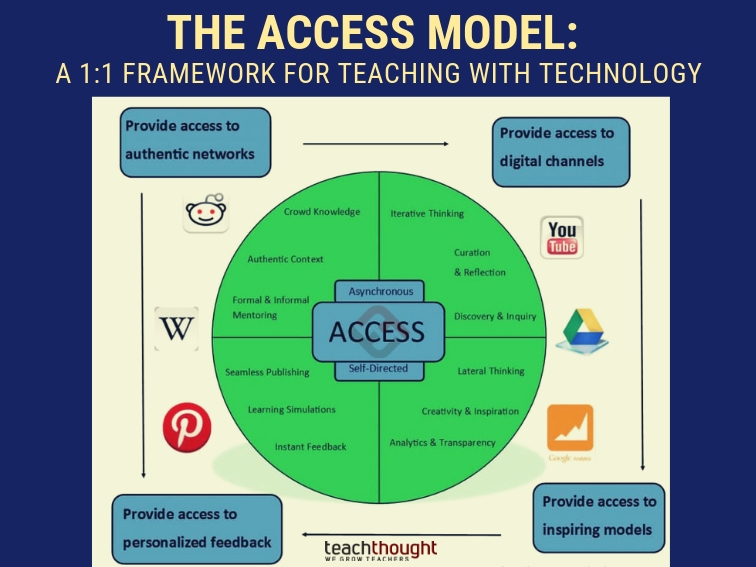
The Access Model is a framework to provide guidance to curriculum designers, teachers, etc. in designing 1:1 teaching and learning resources.
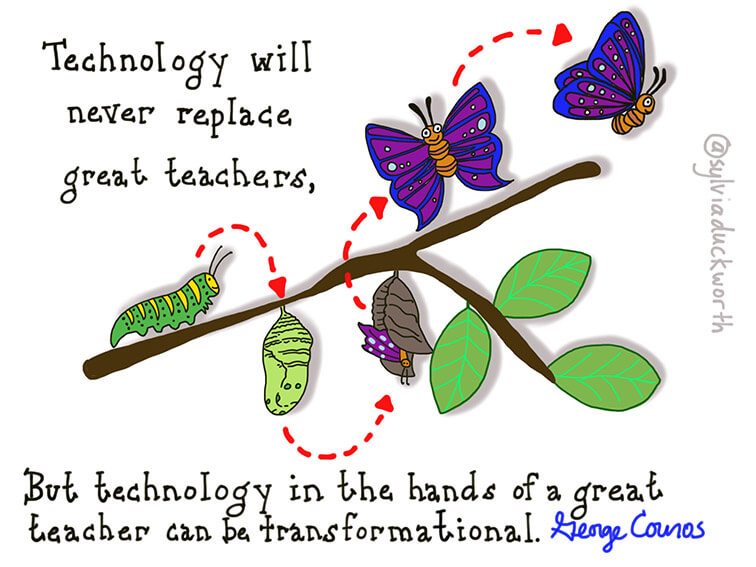
Technology alone won’t have the capacity to improve education unless it’s woven into a holistic vision that meets urgent objectives.
Learning trends aren’t about preparation, but mitigation. We need to stop chasing students and start leading them, instead.
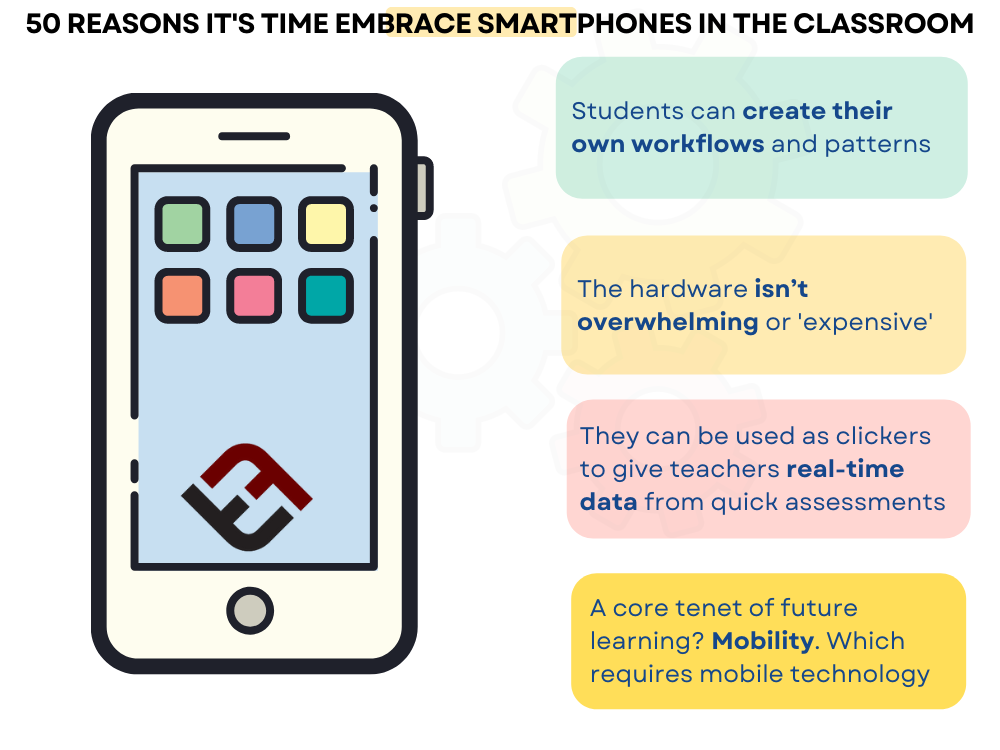
33. Students can have choice in terms of apps, platforms, social channels, assessment style, and so on. Smartphones can support this.
When We Don’t Cultivate Our Most Gifted Students by Brad McDonell When I was in primary school it was recognized that I finished my schoolwork quickly. The school was well prepared for high achievers, and once a week a small group of us would be shipped off to a special class to challenge our minds….
How Does Technology Change Teaching And Learning? by Terry Heick This post was originally published in 2014 and most recently updated in 2020 A little bit of technology doesn’t change much. It can make things a little easier by automating them. It could make a lesson here or there gee-wiz flashy, or even engage hesitant…
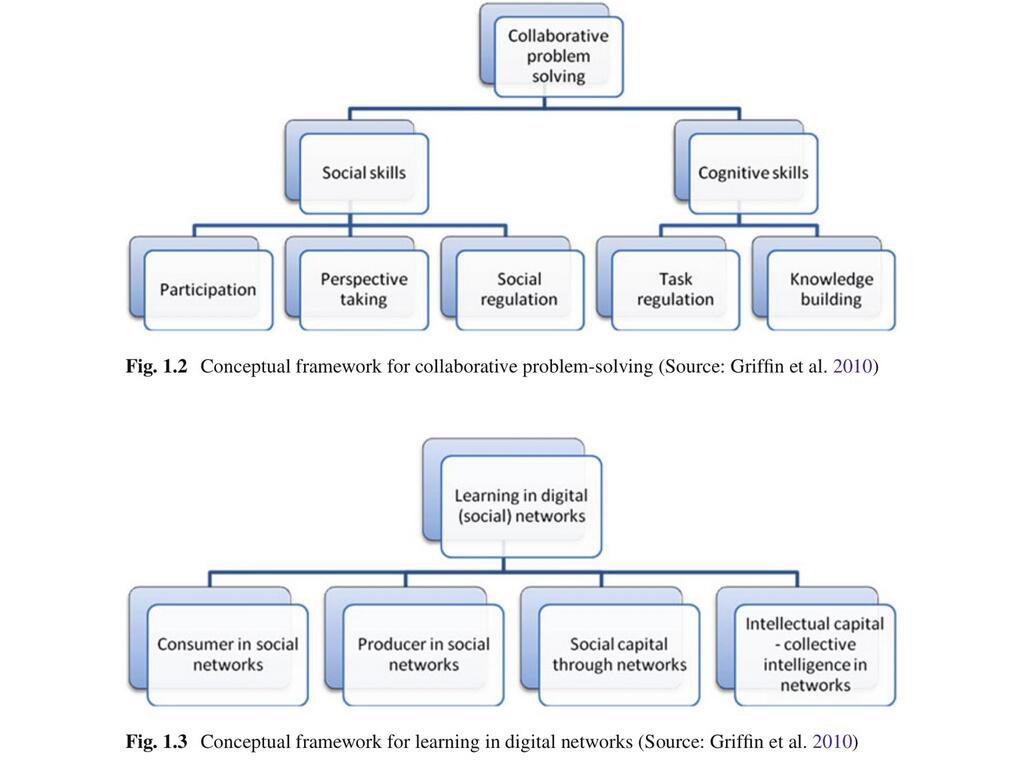
Consider the ‘collaborative problem-solving’ framework to guide your design of project-based learning or learning in digital networks.
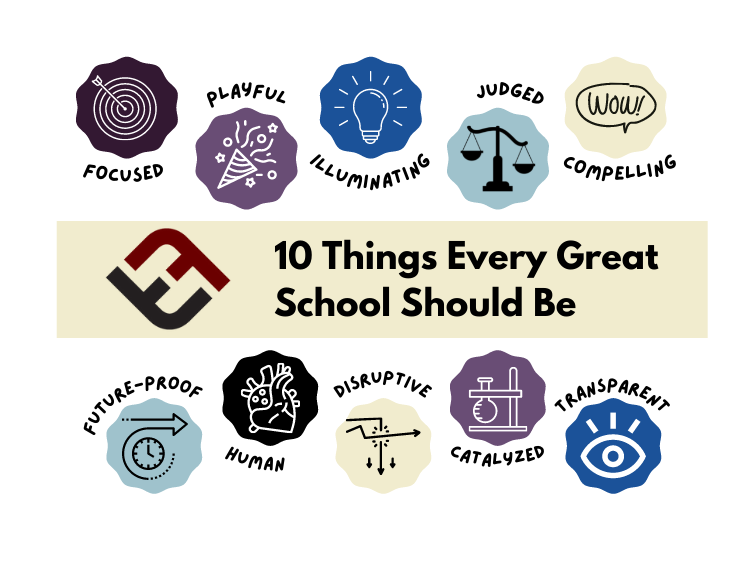
Every great school should not be ‘accountable,’ but rather ‘judged’ by the inclinations, tendencies, habits, and behavior of its students.

In planned learning experiences, there is a beginning and an end, and rather than an entirely logical reality dictated by the nature of school, it could be a problem.
We should be cautious not to view learners as little widgets in an education machine that wheezes and chuffs and spits out educated learners.

Here’s a quick thought for you: Today is an opportunity. Today is your chance. Not some day generally or metaphorically. Today.
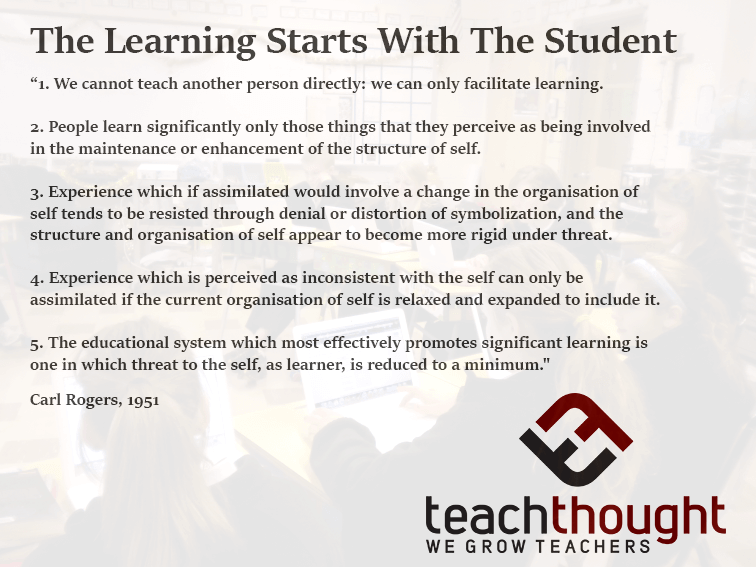
Carl Rogers’ five statements about learning begin with the premise that all learning starts with the student.
Innovative schools connect with the outside world, view students as people, design creative learning spaces & encourage critical thinking.
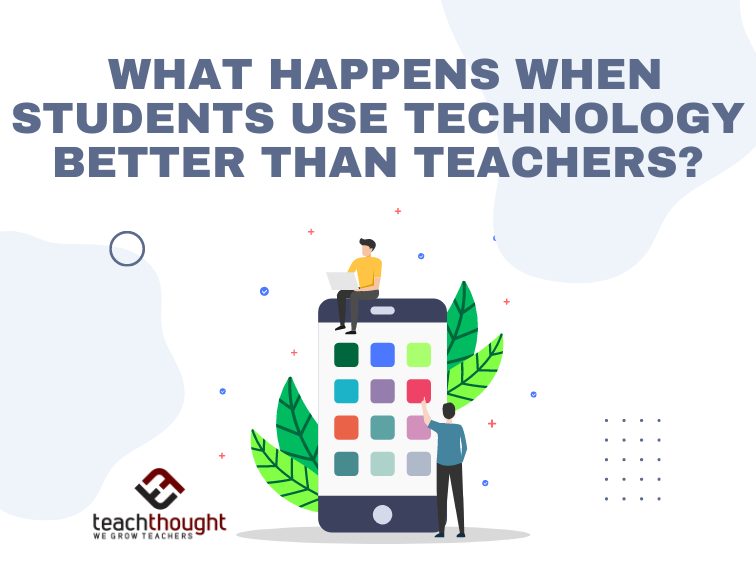
Truth be told, students are geniuses with technology. Born hackers. And of course they are better than teachers. They’re digital natives.