Reading Response Questions That Work With Most Texts
Students needed to see what a ‘quality’ reading response looked like. Once these questions were demystified a bit, it was all downhill.

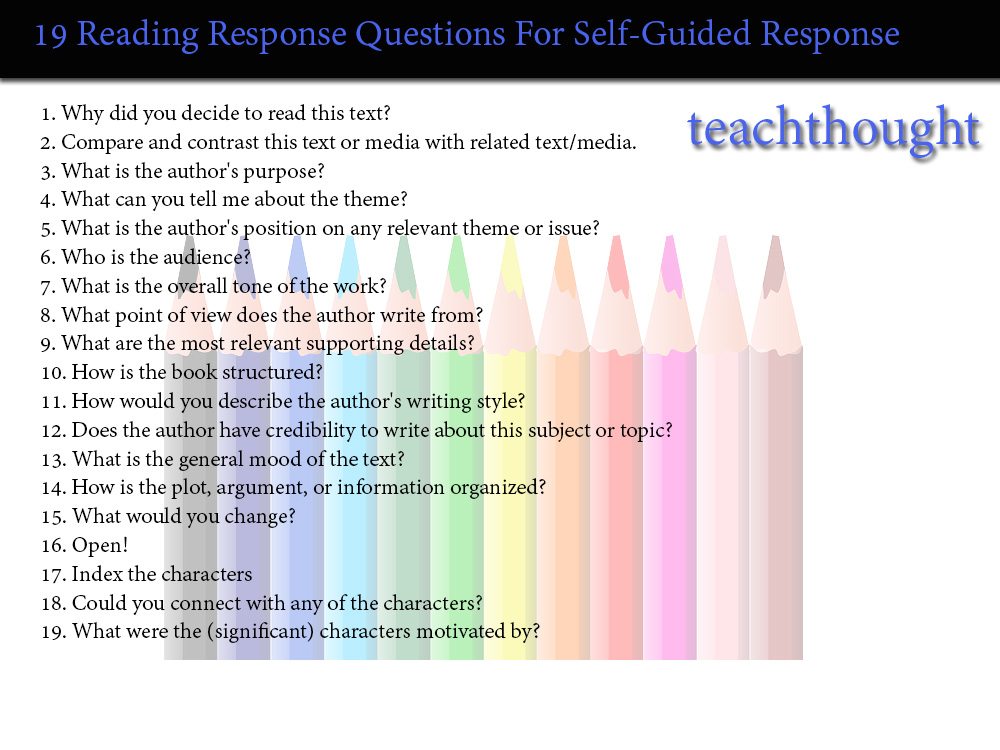
Students needed to see what a ‘quality’ reading response looked like. Once these questions were demystified a bit, it was all downhill.
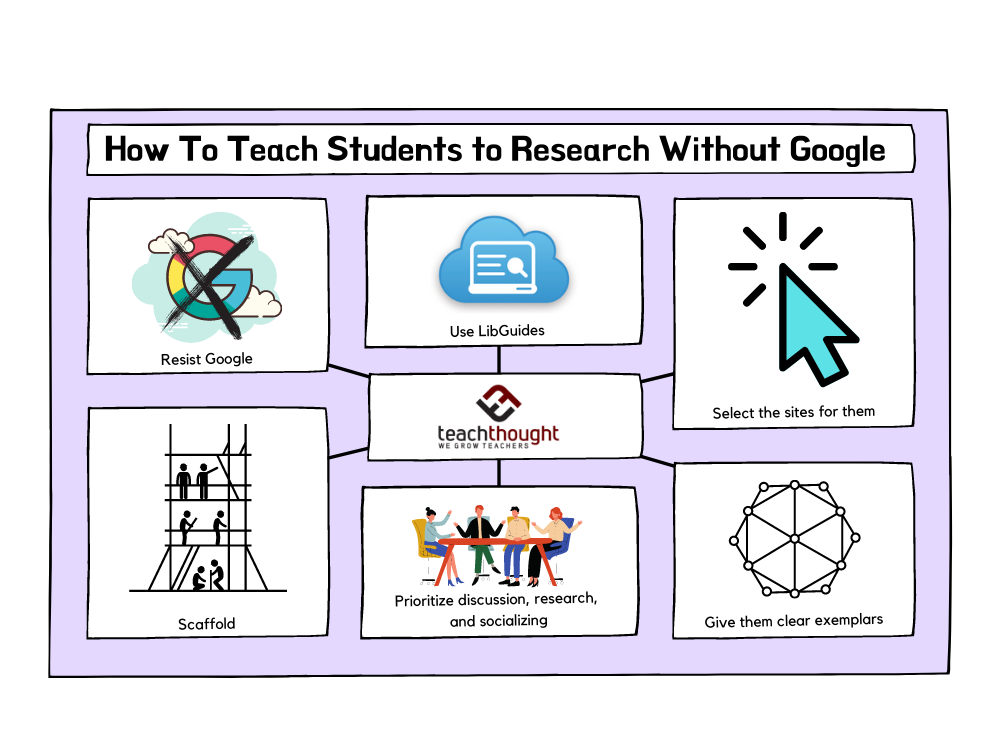
Scaffolding, encouraging discussion, modeling exemplars — here are a few ways to teach students how to research without Google.
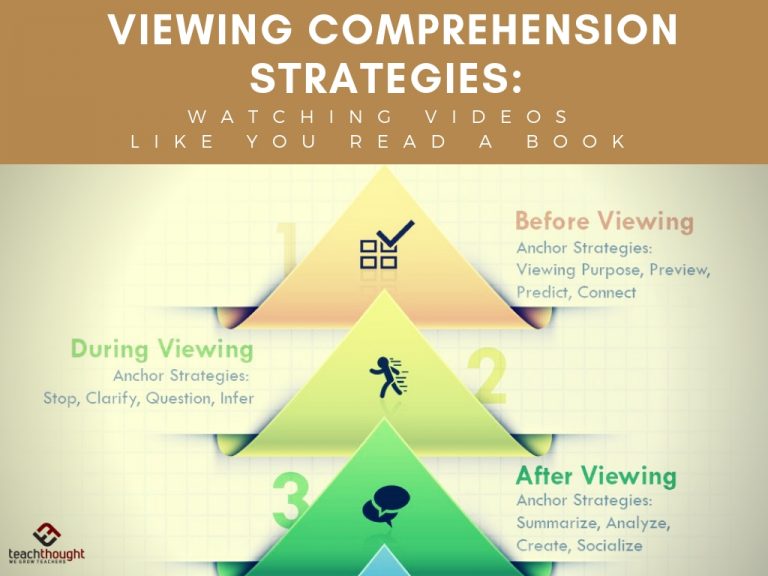
Video is a pedagogical goldmine. What ‘viewing comprehension strategies’ can students use during and after watching videos in class?
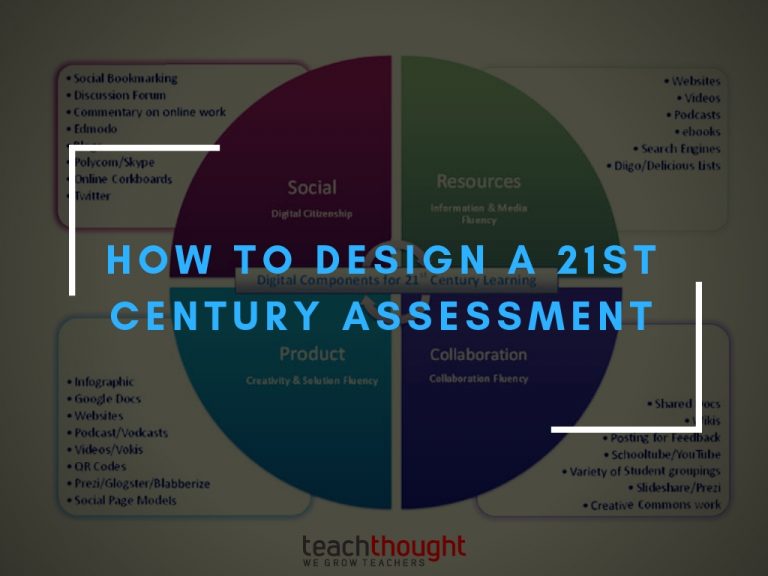
21st century assessment design involves using digital tools, collaborating with others, performance tasks, and more.
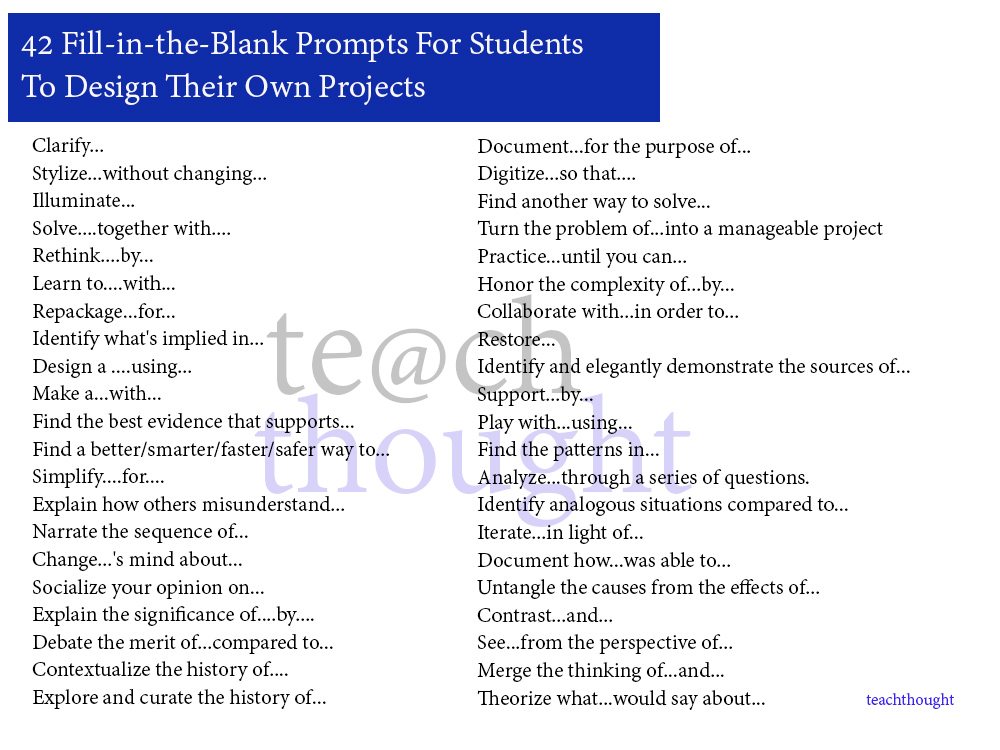
When helping students design projects, I provide these kinds of prompts to help students see how texts, apps, and more can all work together.
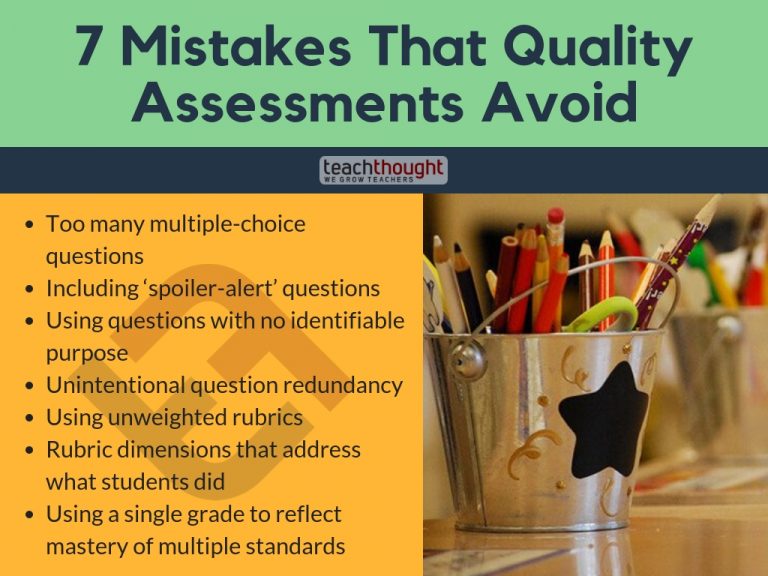
Quality assessments seek to learn: what knowledge will I gain about my students’ mastery levels of standards by their answers to questions?
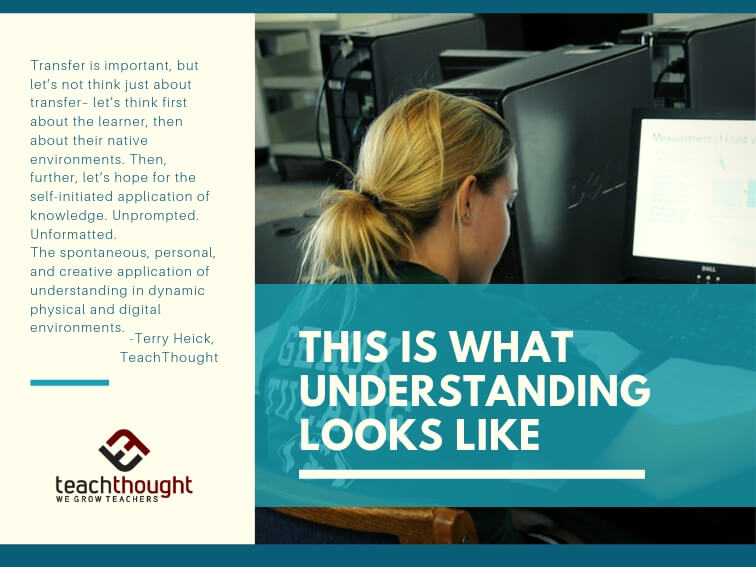
Understanding promotes the spontaneous, personal, and creative application of understanding in dynamic physical and digital environments.
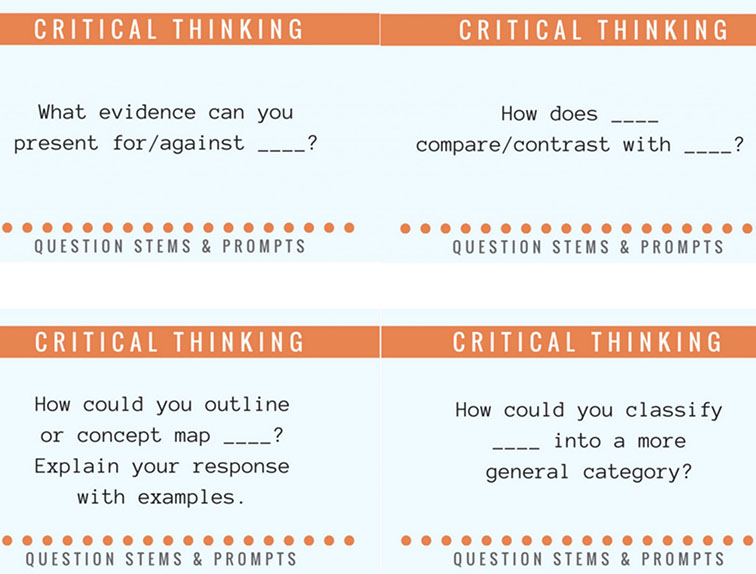
Using the right question at the right time can not evaluate understanding but can help students think about what they think.
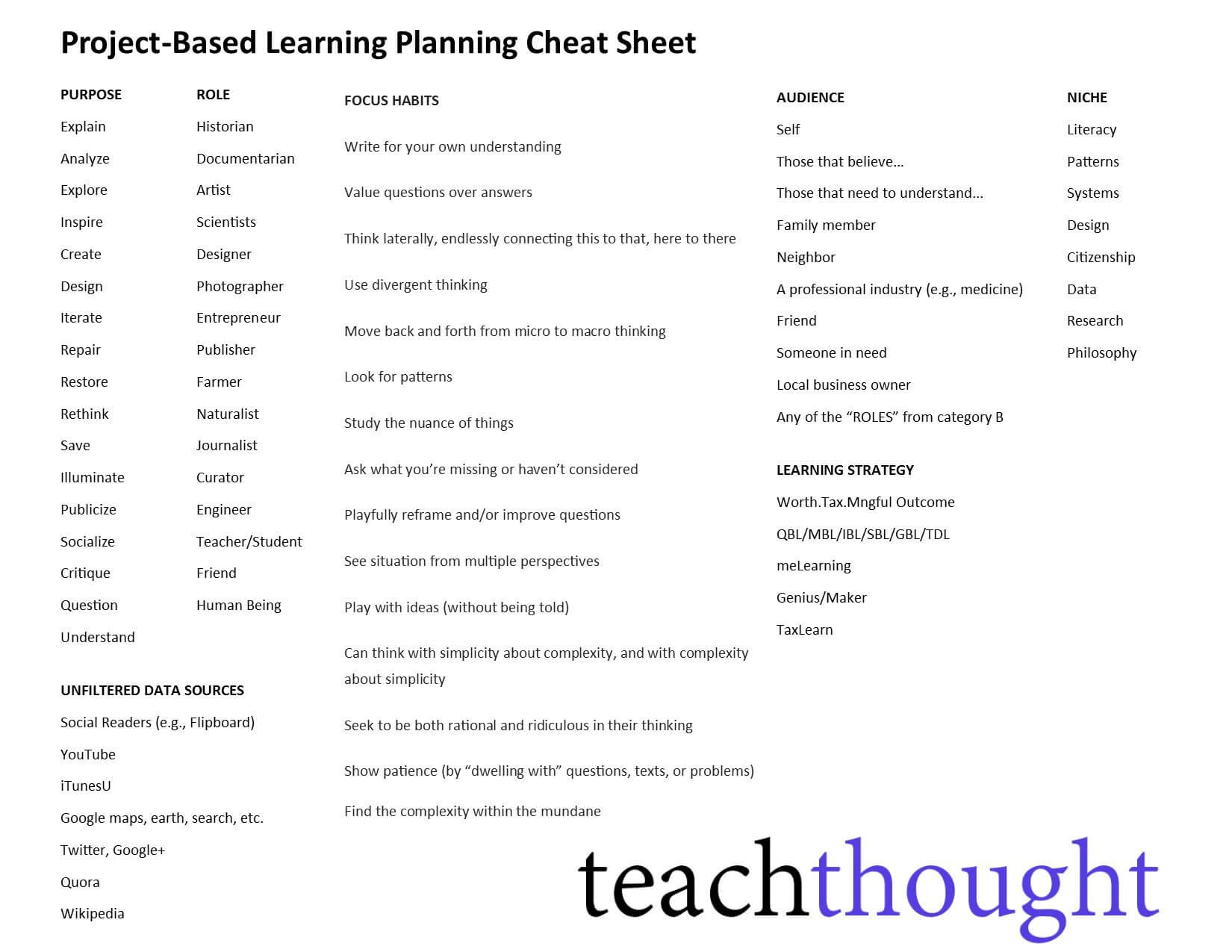
The function of this image is to help get your own creative juices going to decide what’s most important when designing authentic PBL units.
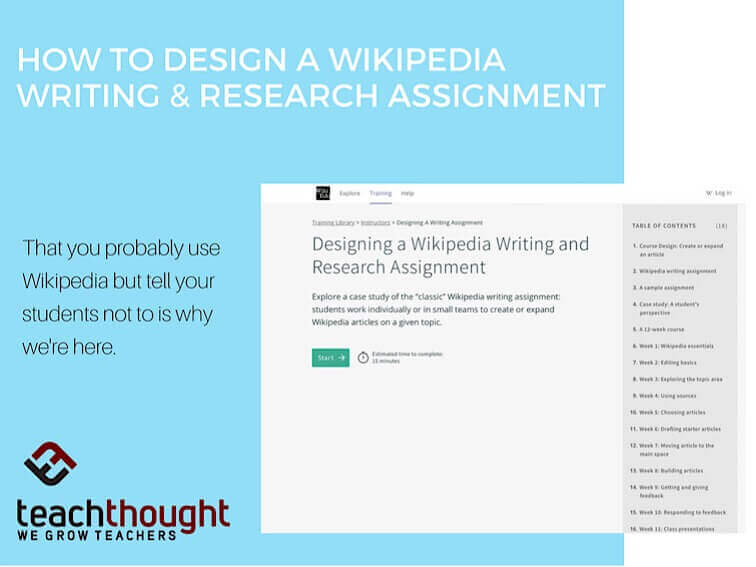
The idea of actually using Wikipedia to explicitly teach research for an entire unit is less common than its use for researching credibility.
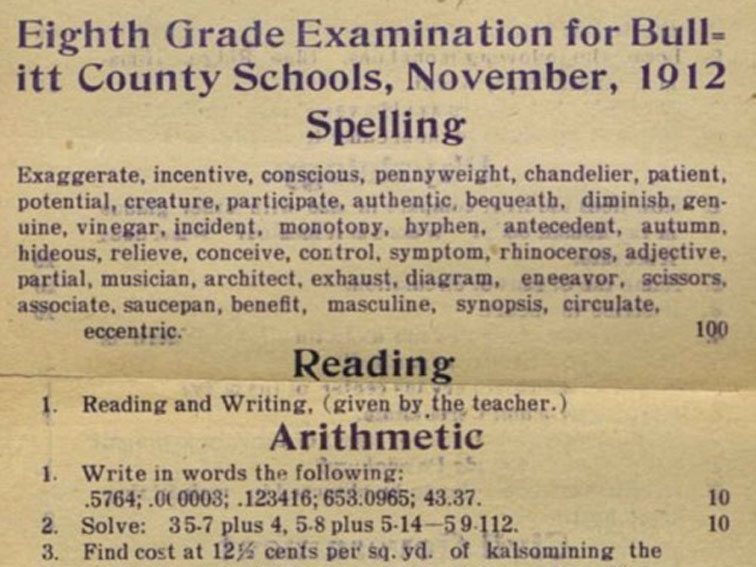
If you’ve ever wondered what an 8th-grade student from over a century ago was expected to know, wonder no more.
Without guidance to critically think about digital footprints, persona, and audience, it’s no surprise to see students ‘make mistakes’ on social media.
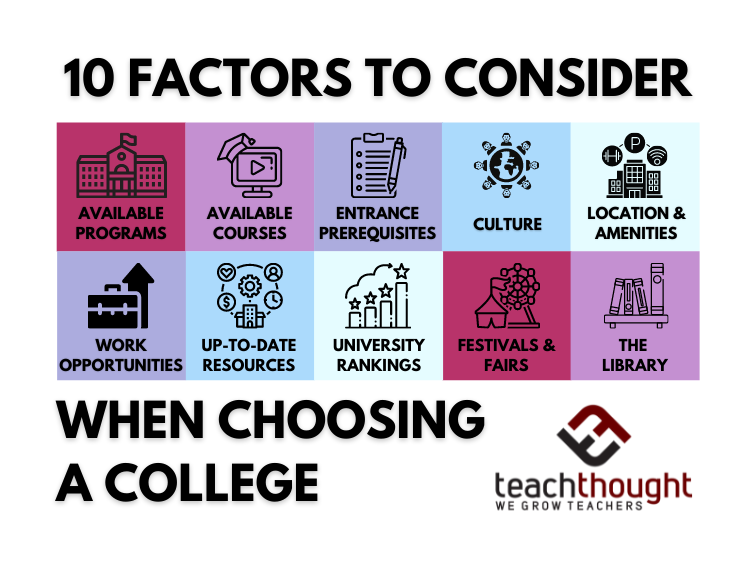
Choosing a college for study can be a taxing experience and which criteria you should consider and value isn’t always clear.
As teachers move forward with conversations in a Trump America, here are ways they can help students talk about the 2016 election.