A Useful Framework For Transparency In Education
The most significant benefit of transparency in education is the ability to see ‘what’s happening’ in the classroom and respond accordingly.
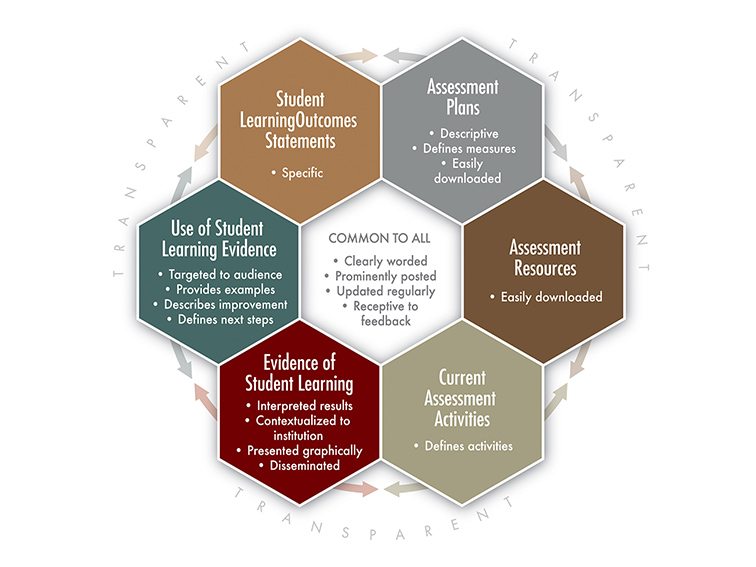
The most significant benefit of transparency in education is the ability to see ‘what’s happening’ in the classroom and respond accordingly.
Myth: Those who can’t, teach. Truth: No one can fully understand how difficult good teaching is until they personally experiences it.
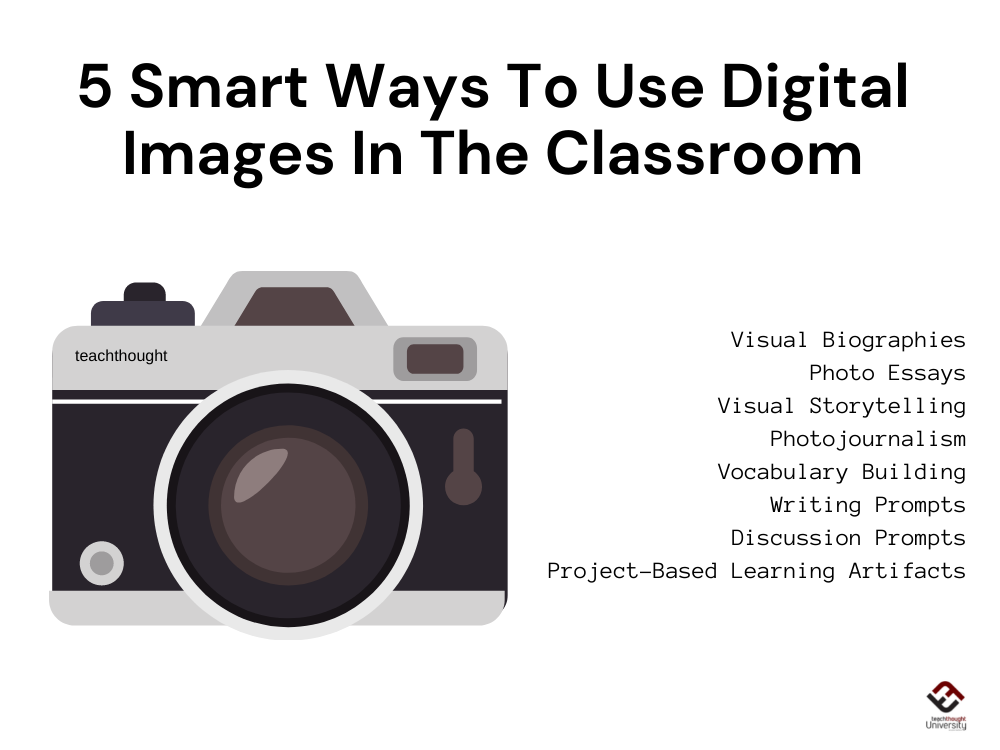
In any course, images can be a useful tool for students to build on vocabulary while also providing examples for concept attainment.
Laboratory neuroscience research cannot be proof of what will happen in a classroom or with any one student.
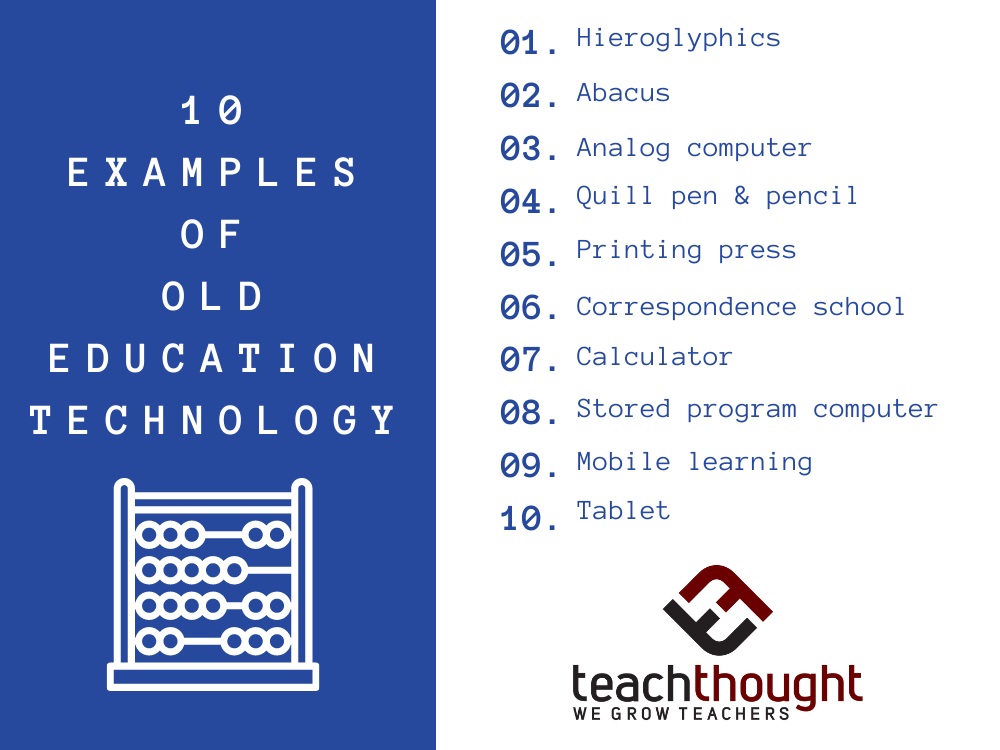
Here are some examples of old education technology that have paved the way for the edtech of today, from the abacus to the very first tablet.
What, in fact, do you do when you read challenging text? What do you do when you do not understand on first pass?
Vocabulary is a matter of meaning and degrees of meaning, which means it cannot be the ‘job’ of a single content area or teacher.
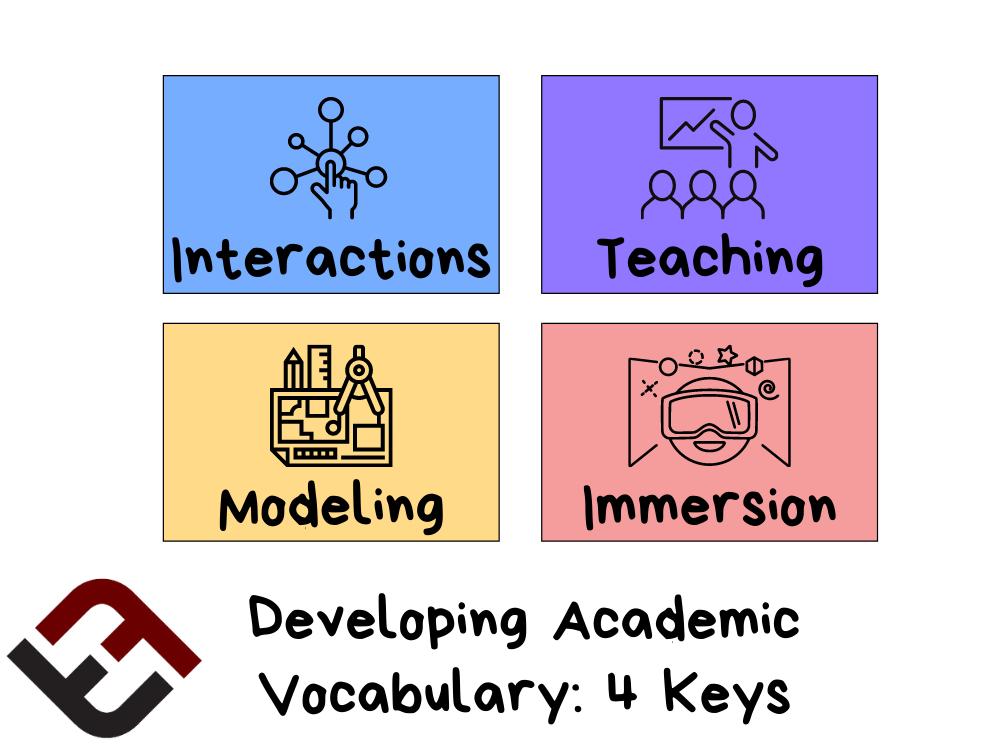
Direct Instruction, Modeling, Immersion, and Varied Interactions are four of the many keys to developing academic vocabulary in students.
Here is a simple question that, asked with the right tone, can provide a lifeline to any student in any context.What do you think?
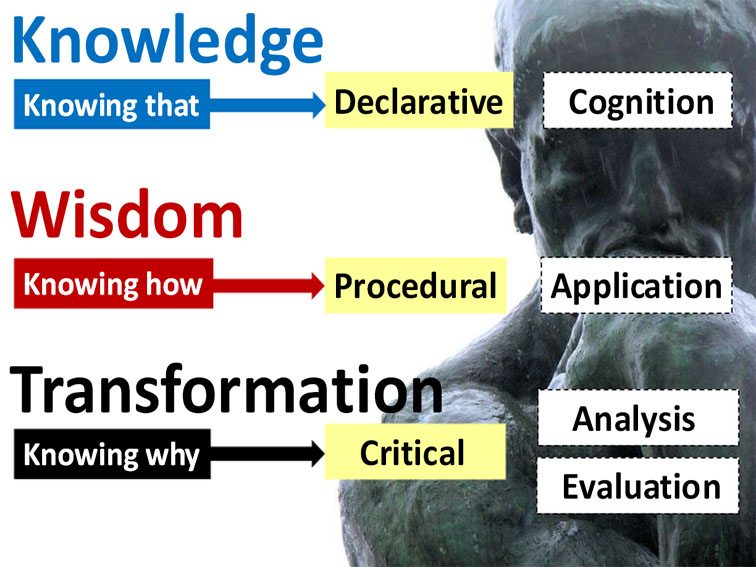
Learning is changing–becoming more entrepreneurial than directly didactic. That is, more learner-centered and than teacher-controlled.
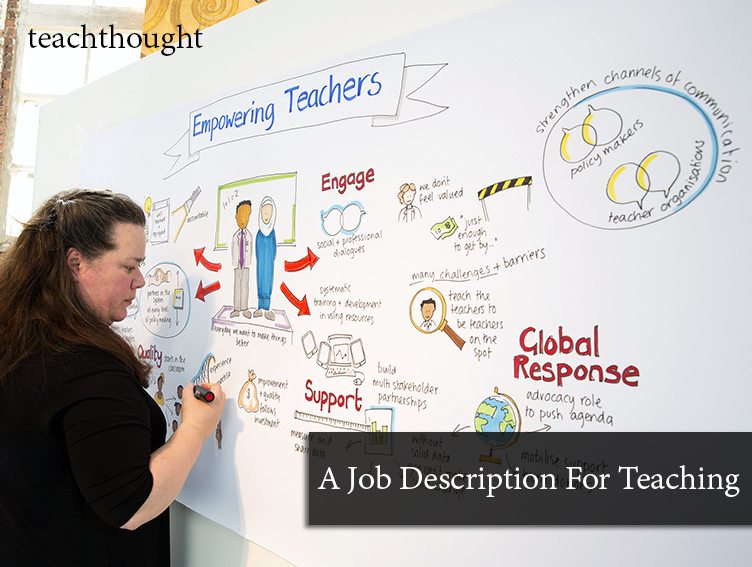
What am I expected to cause in students? What am I supposed to accomplish? Whatever the answer, that’s my job.
VoiceThread is a digital conversational platform that uses video, audio, or chat to create threaded conversations for learning.
Ideally, a curriculum works with selected academic standards to frame optimal learning experiences that result in student growth.