Here’s What Students Do Better Than Teachers
Getting students to ‘think about their future’ turns into a lecture about bills and ‘life’; we project our insecurities and failures on them.

Getting students to ‘think about their future’ turns into a lecture about bills and ‘life’; we project our insecurities and failures on them.
‘Not knowing’ is clumsy, precise label for the starting point of learning. Teaching is, at least in part, establishing the need to know.
Whether or not they’re accurate, how you’re perceived–and how your school, grade level, content area, and course are thought of–matters.
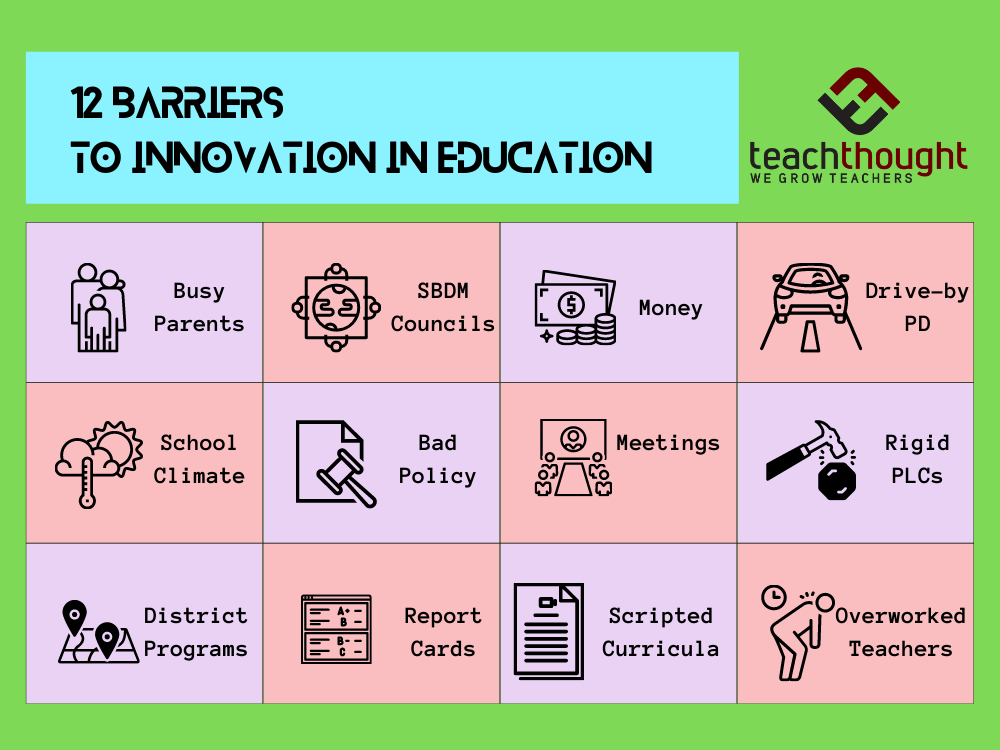
While funding one of several barriers to innovation in education, failures of communication and imagination might be more significant.
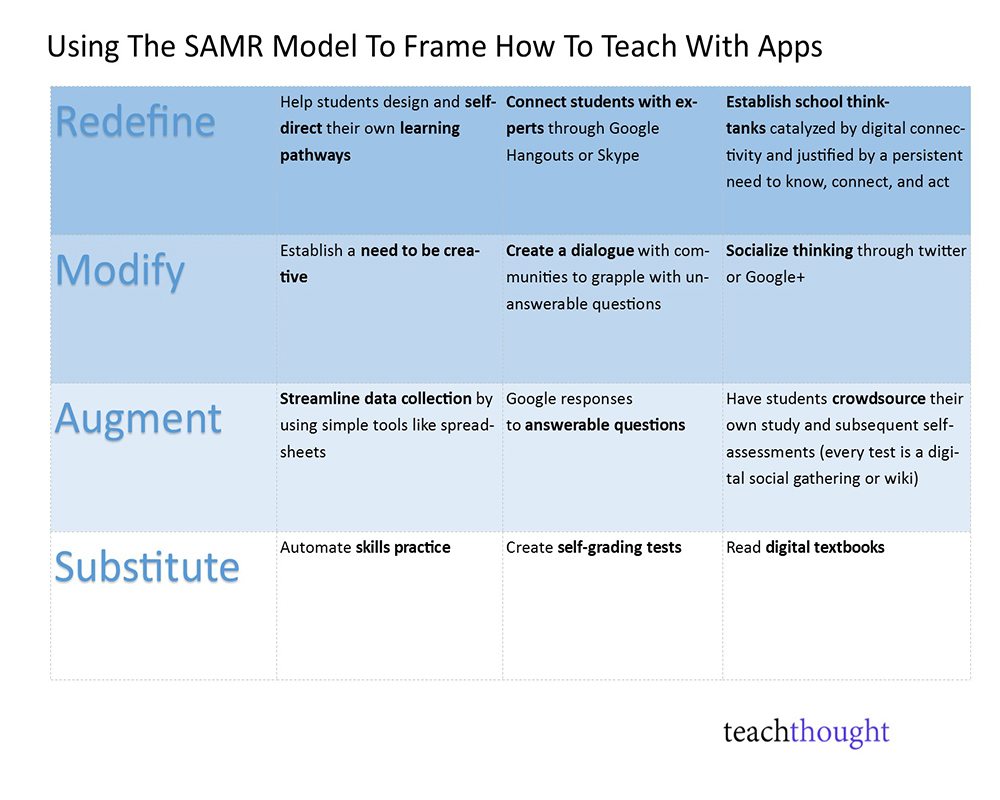
How To Teach With Apps Using The SAMR Model by TeachThought Staff Not all apps are created equal. Not all teacher planning and instructional design are created equal. Mash the two, and we’re beginning to see the opportunity for some real disparity. In response, we’ve taken the popular SAMR model and use it as a…
While there are no magic bullets, certain principles & strategies can harness the intrinsic motivation that lies at the heart of each learner.
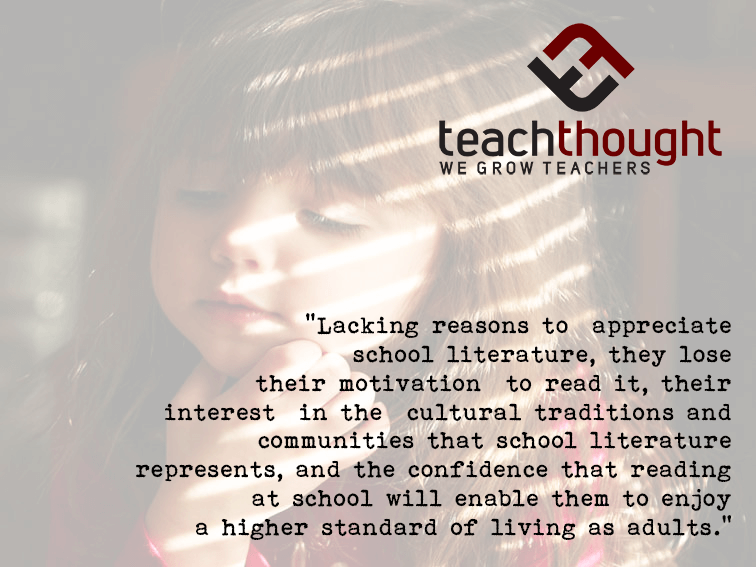
Texts may be chosen based on their success in the classroom, yet students are not taught how to recognize their utility in their lives.
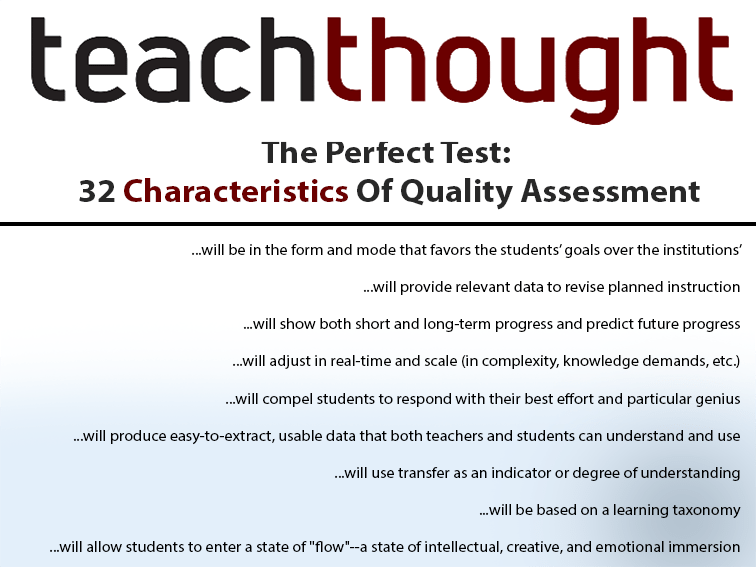
If we can design anything–not just digitize multiple choice questions, but start from scratch — what would a quality assessment be like?
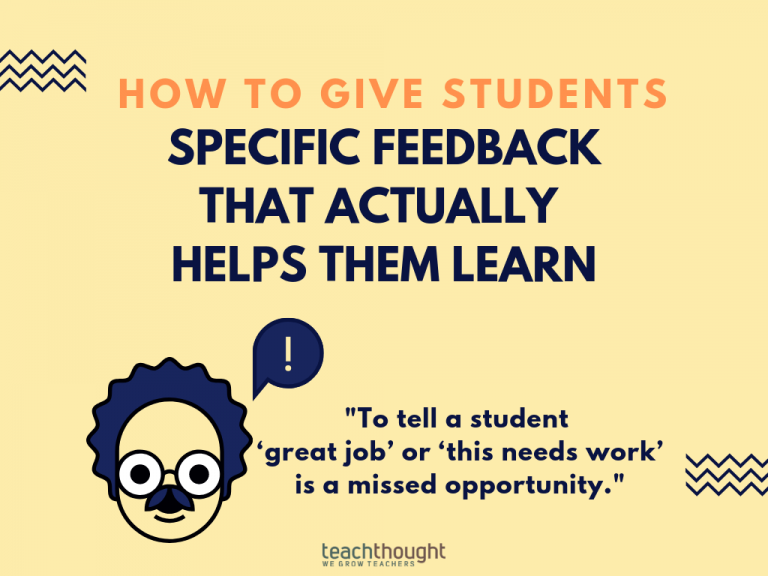
To tell a student ‘great job’ or ‘this needs work’ is a missed opportunity. Specific, quality learning feedback can change your teaching.
What Is Really, Truly ‘Best For The Kids’? by Terry Heick What’s best for the kids. I remember hearing this phrase when I was handed a towering stack of fluency probes that represented about 3-4 hours of “in addition to” work per week. I wasn’t against the idea behind it all (supporting the literacy of…
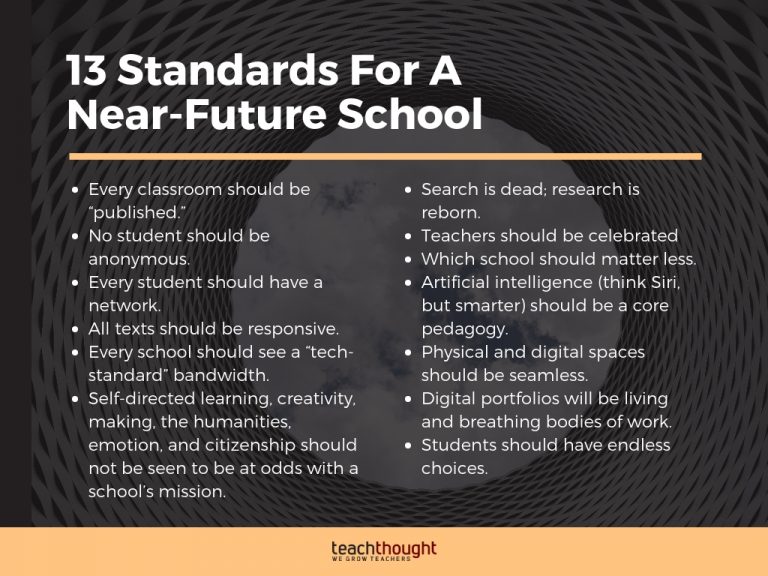
Artificial Intelligence will be a core part of learning, helping students choose books, assessment forms, learning strategies, and more.
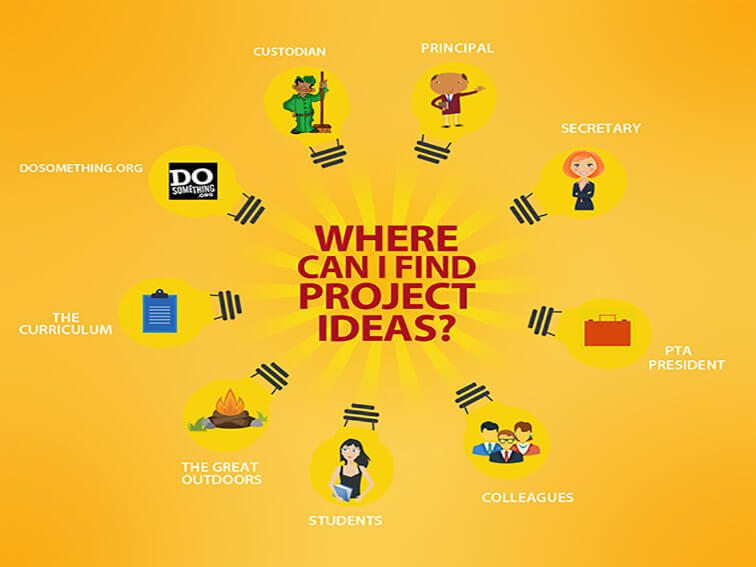
If you listen to students and talk to their families, you can often find a wonderful and authentic idea for a project-based learning unit.
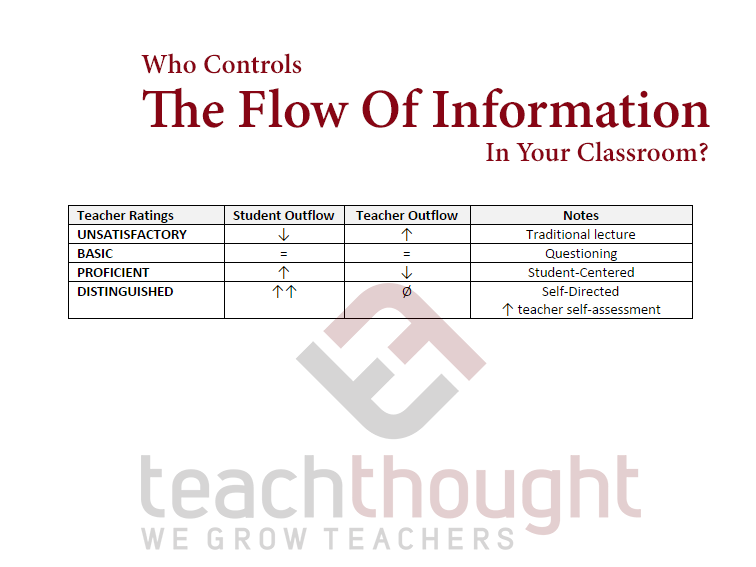
Just as with gardening, preparing the soil takes time. But once we get past that, students begin to blossom and initiate their own learning.
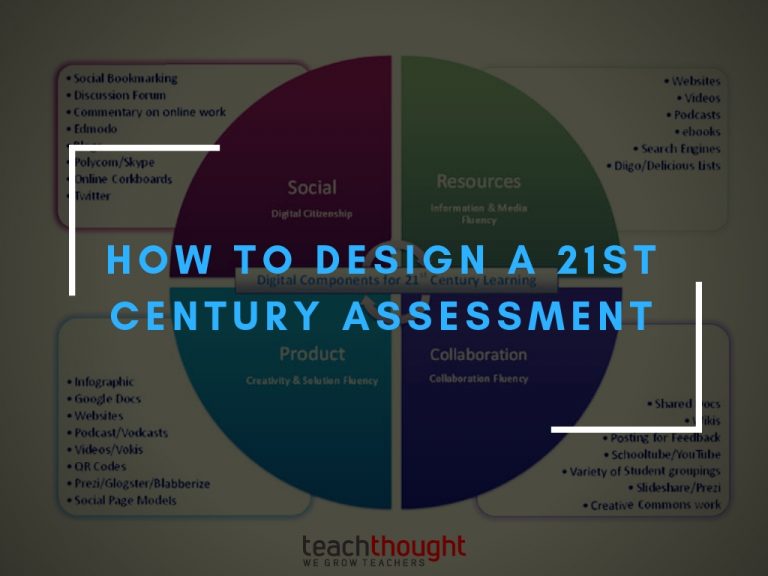
21st century assessment design involves using digital tools, collaborating with others, performance tasks, and more.