9 Characteristics Of A Competitive Learning Environment That Protects Children
There are elements of play, leveling up, and a sense of mastery or achievement upon accomplishing each challenge.

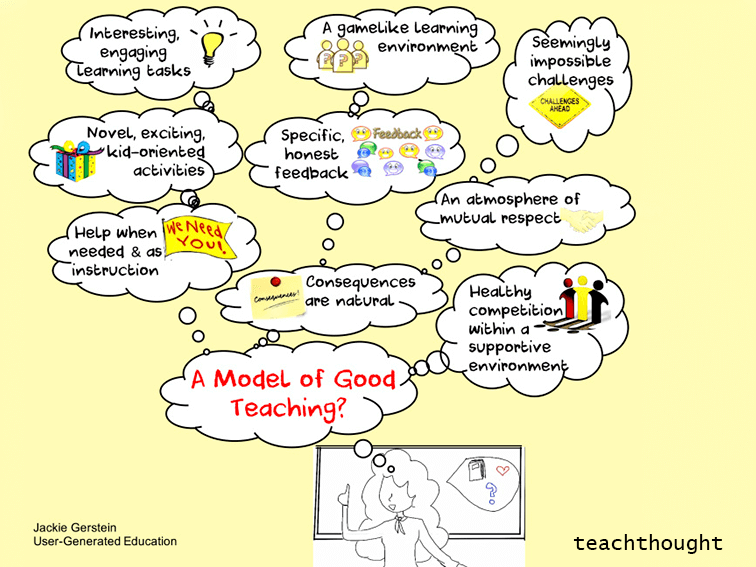
There are elements of play, leveling up, and a sense of mastery or achievement upon accomplishing each challenge.
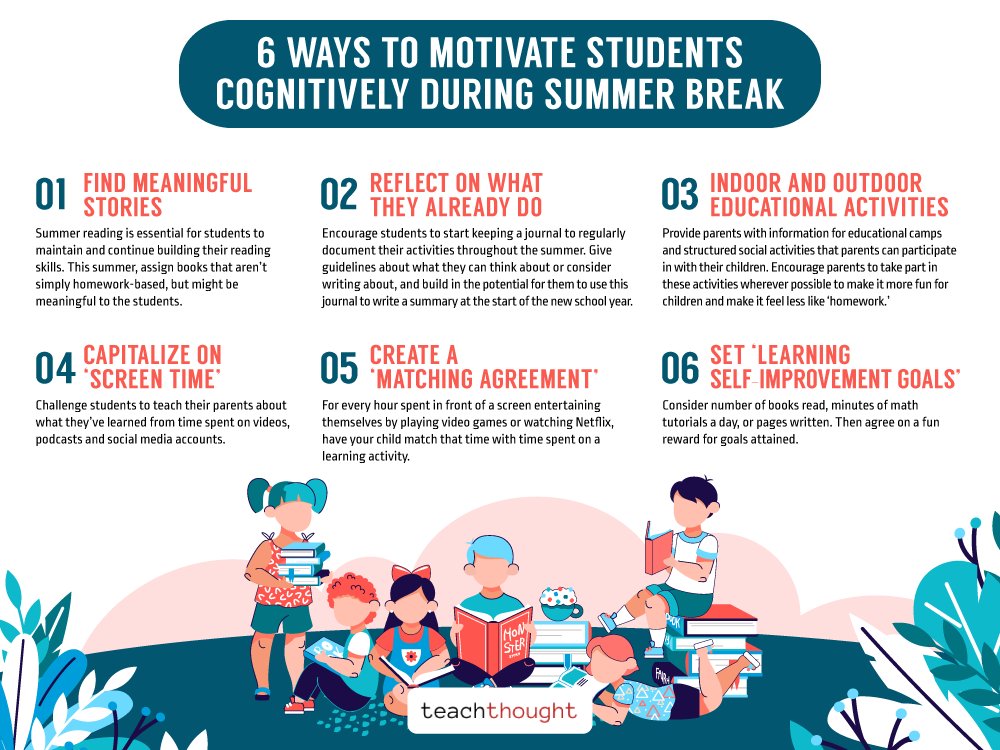
Instead of asking, ‘How can we slow their loss of academic progress?” we might ask instead, “What do children need over summer break?”
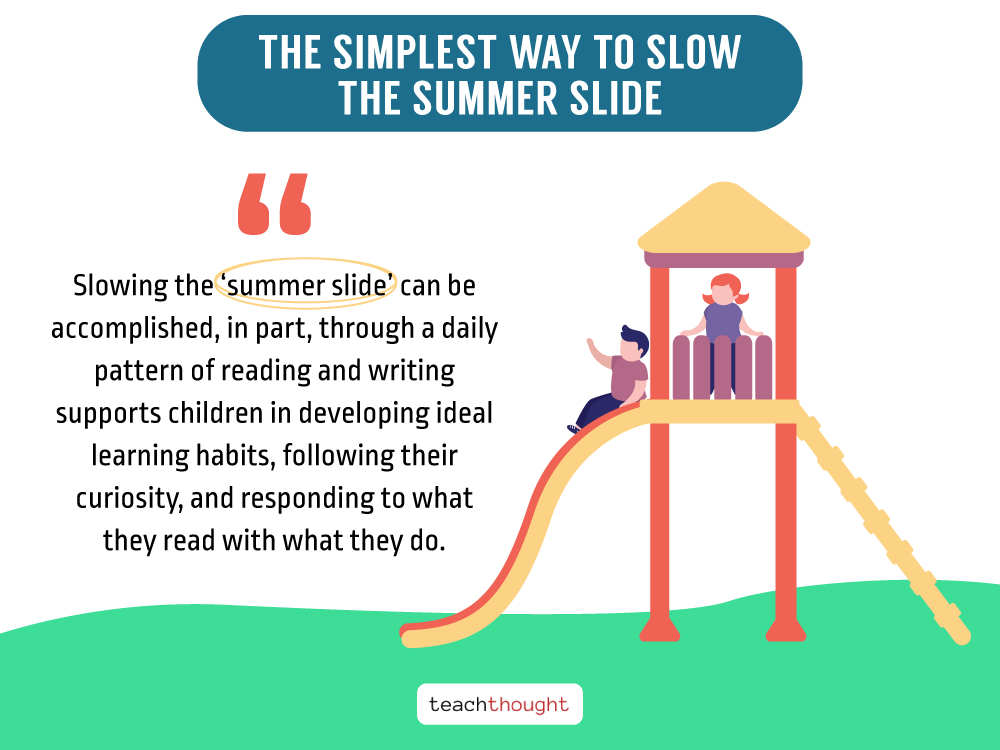
Slowing the ‘summer slide’ through daily reading, writing, and ‘playing’ supports children in developing learning habits that endure.
Yes, taking action will probably make you anxious but child abuse is preventable. Here are some tips and resources for teachers.

Anxiety is feeling like your skin is coursing with electricity, which creates this kind of heat over your skin. It smothers you.
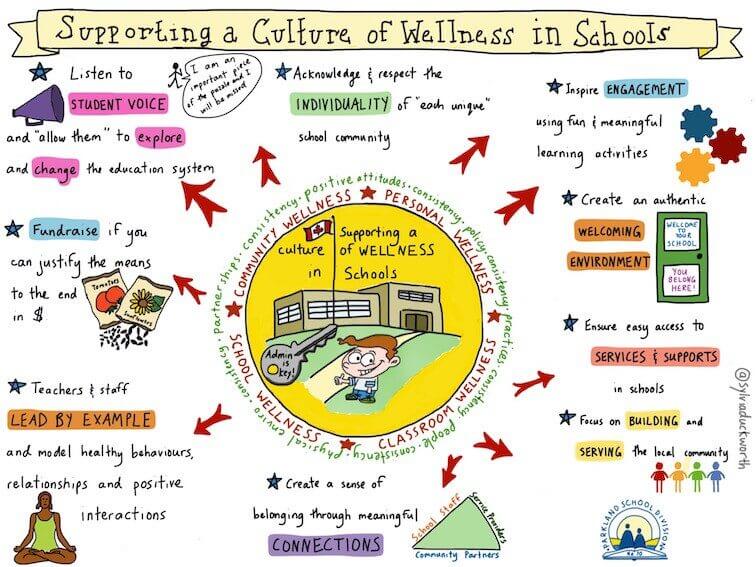
Fundraising for a local cause is an important lesson in community activism and can lead to a sense of purpose for students.
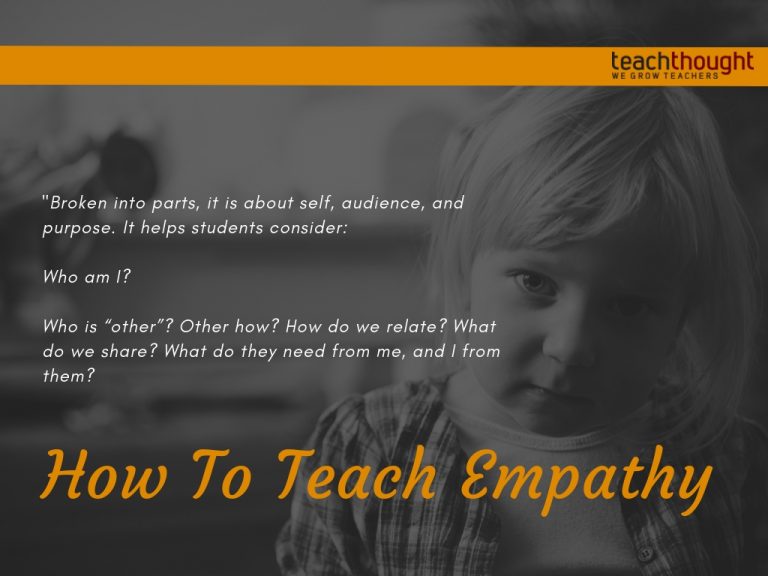
Want to teach students empathy? Start by helping students themselves not, “How am I unique?” but rather “How are we the same?”
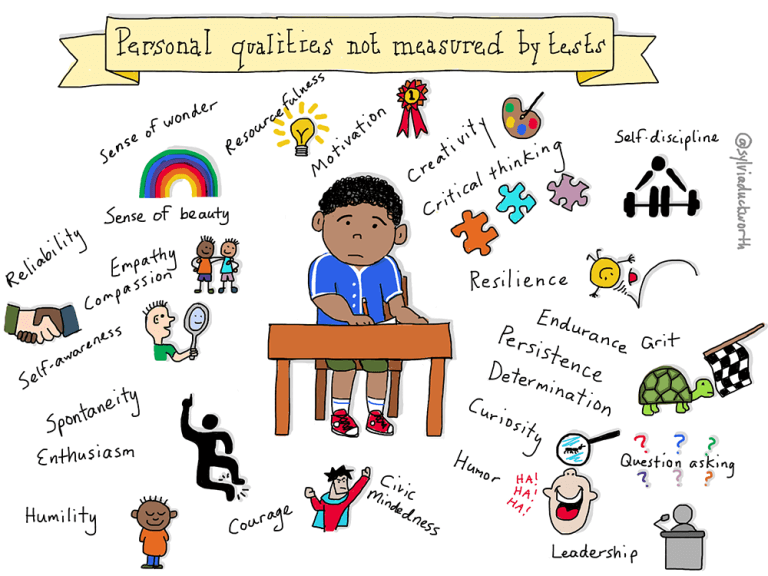
Humility, curiosity, creativity, resilience, compassion, and 20 other things that tests can’t measure in students.
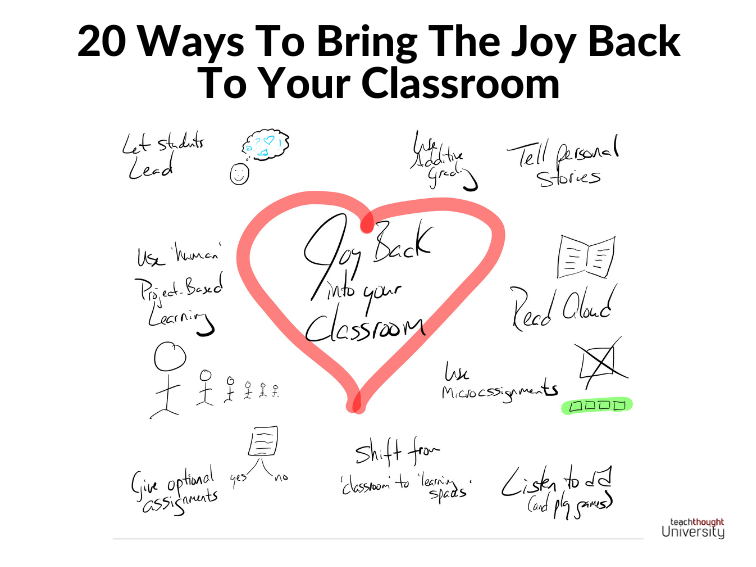
The potential for new learning spaces and dynamics represents an opportunity for a different kind of resonance–and hopefully, joy.
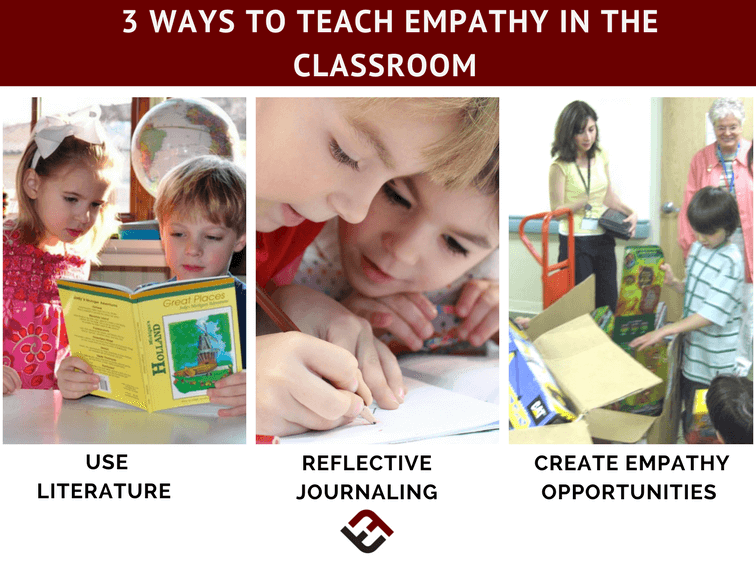
Teaching empathy in the classroom? Start a Random Acts of Kindness project so students can support a classmate, or someone in their community.
It’s time to shift focus from checking to see if students are completing remote learning assignments to checking if students are ‘okay.’
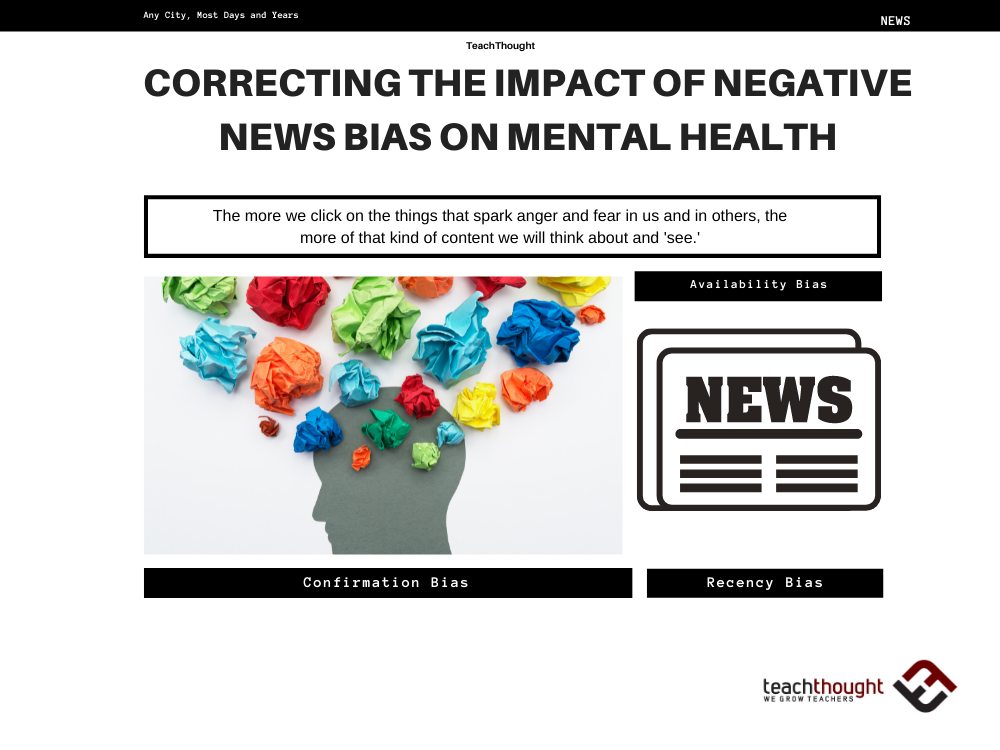
The more we click on what sparks anger & fear, the more of that content we’ll see. Read to learn how to mitigate the impact of negative news.
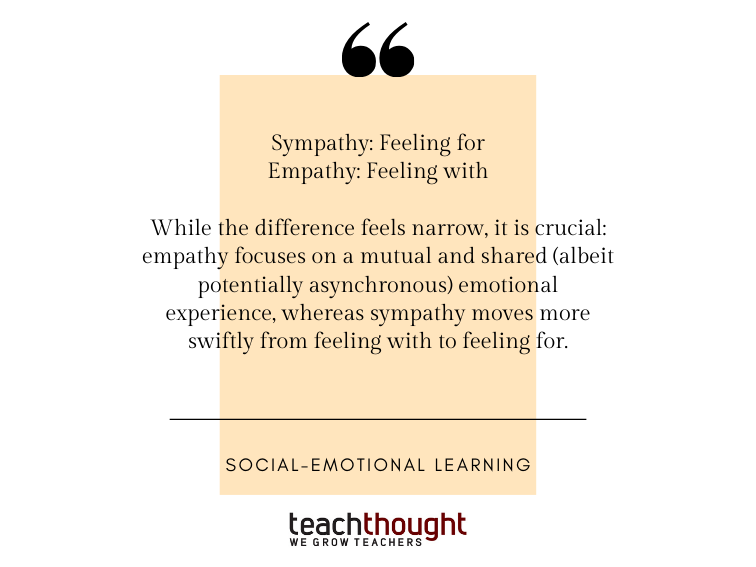
Empathy focuses on a mutual and shared emotional experience, whereas sympathy moves more swiftly from feeling with to feeling for.
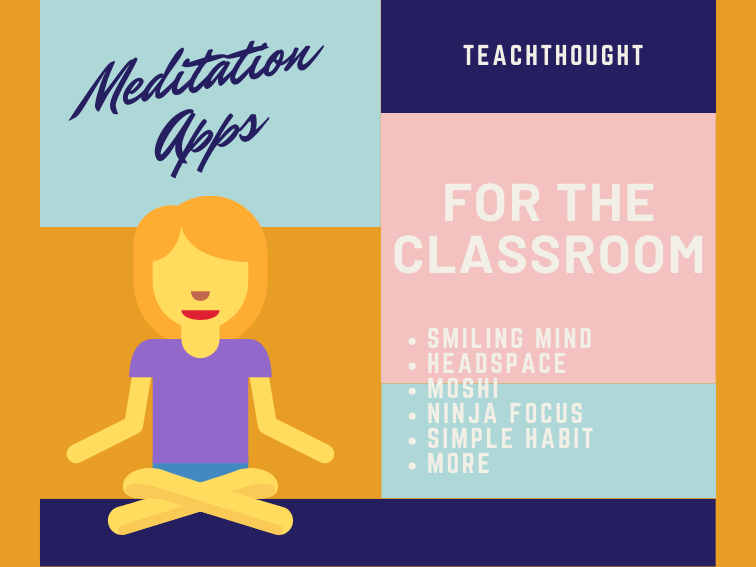
Where do you begin teaching meditation when you may not be familiar with the practice yourself? These meditation apps for children may help.