Creating A New Digital Architecture Of Participation
With the explosion of digital media, there are new scales for knowledge-sharing and criteria for the credibility of these ideas.

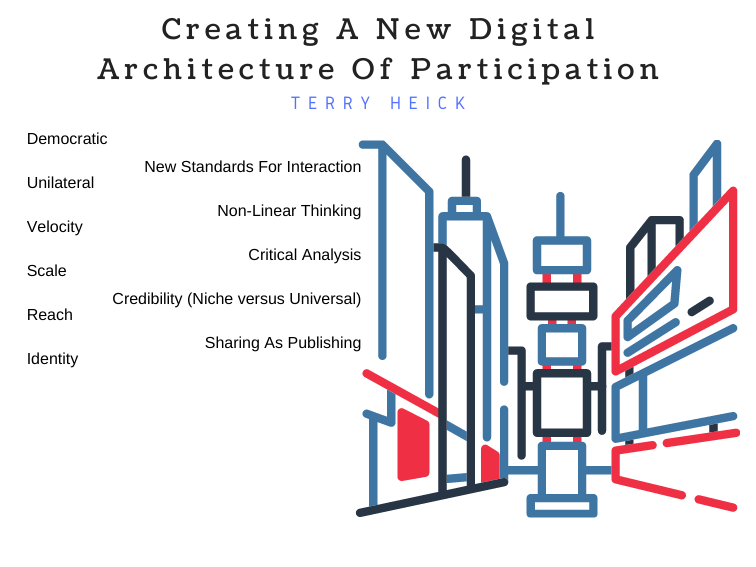
With the explosion of digital media, there are new scales for knowledge-sharing and criteria for the credibility of these ideas.

College is expensive enough without the added pressure of costly textbooks
If schools serve students and students are deeply embedded in the fabric of communities, how can we serve those students without knowing those communities?
In light of the access of modern technology, schools can evolve while simultaneously growing closer to the people they serve.
How can we properly evaluate education technology? What exactly should new tools improve or what exactly should they create?
Sounds leads to words, words to ideas, ideas to perspectives, perspectives to behavioral change, and behavioral change to a better world.
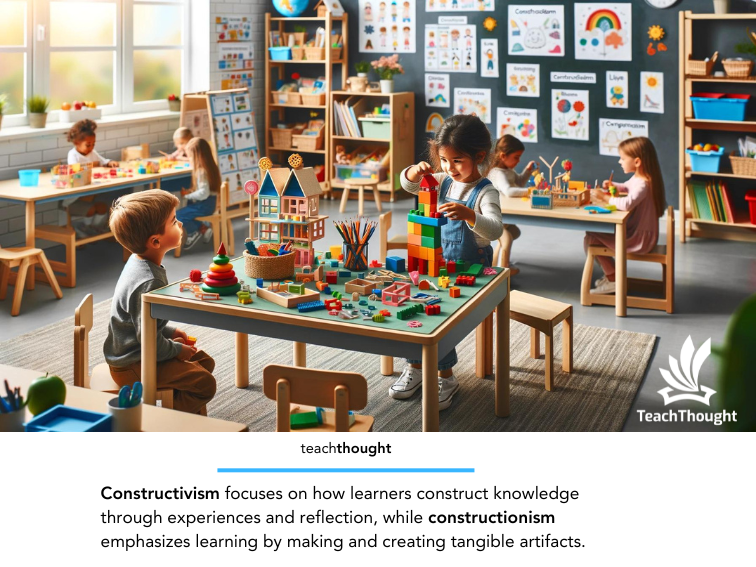
Constructivism focuses on how learners construct knowledge through experience while constructionism emphasizes learning by making.
Communities don’t understand teaching and learning? Education doesn’t know what communities really need? This seems like an opportunity.
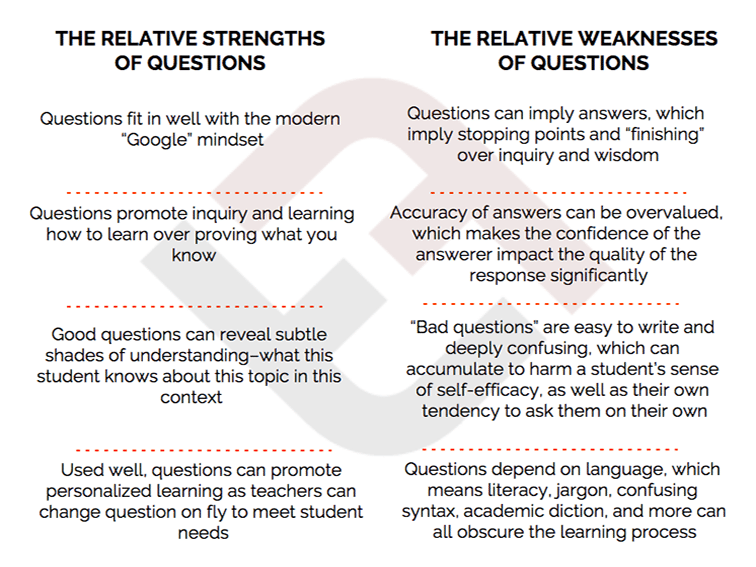
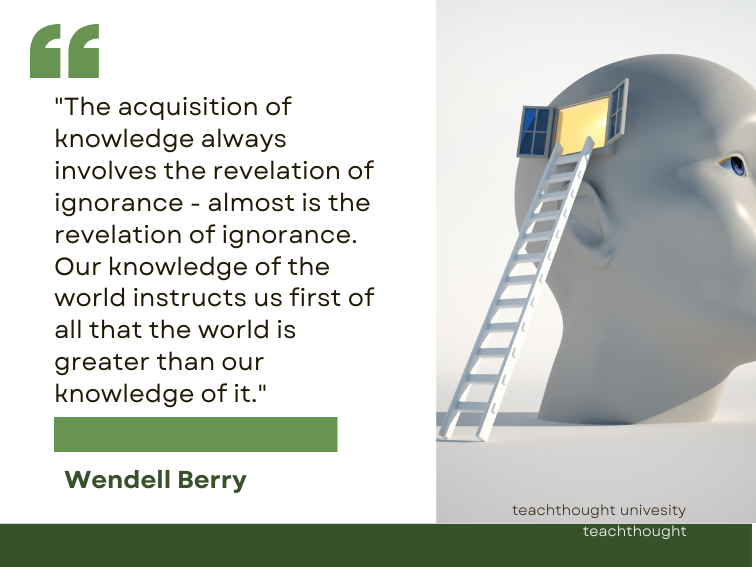
This guide to questioning in the classroom views questions as signs of understanding, not ignorance–the ability to see what you’re missing.
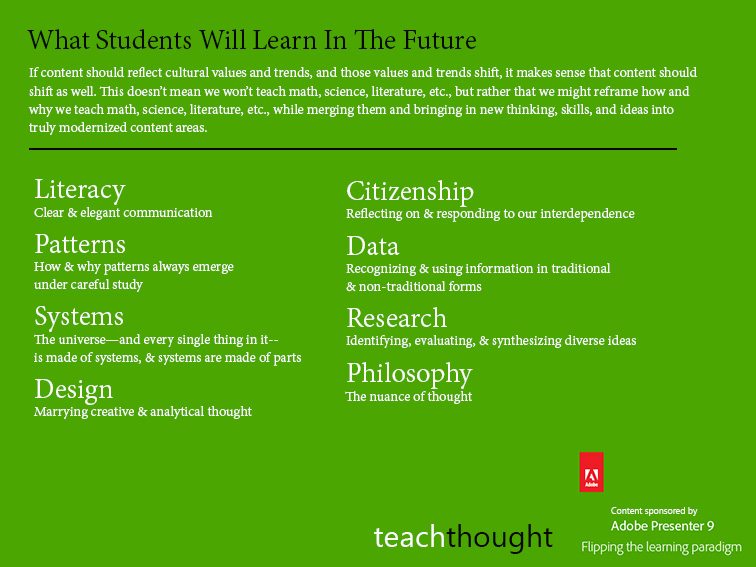
This doesn’t mean we won’t teach math or reading in the future. However, we might reframe what we teach and how and why we teach it.
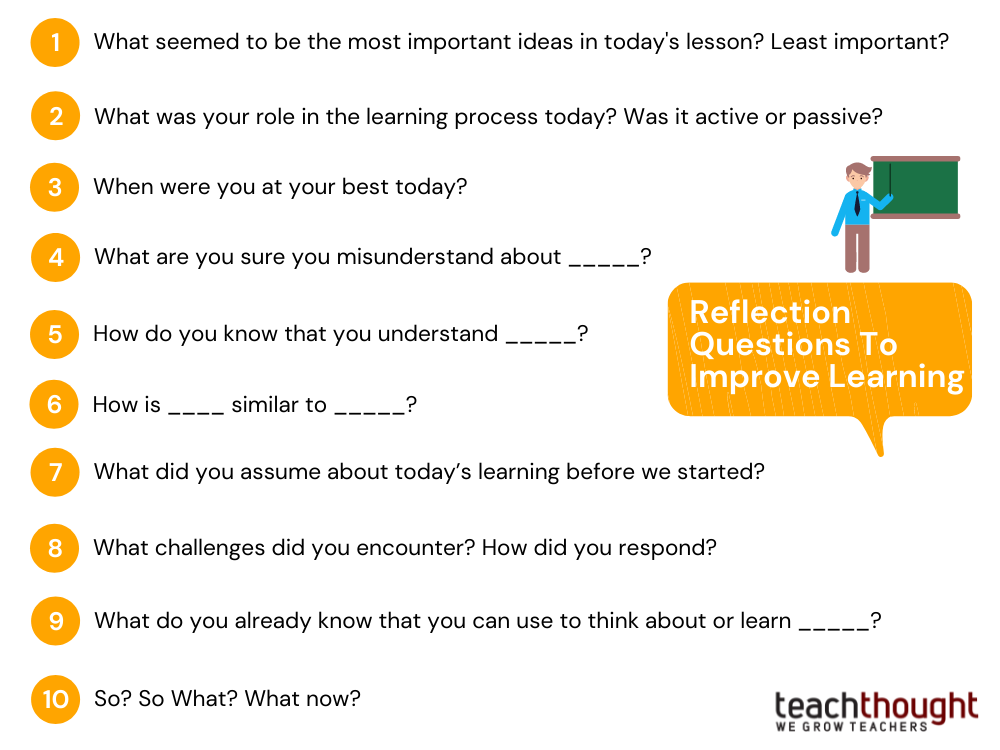
Were you an active or a passive learner? Of what you learned today, what are you most comfortable with and what is still ‘iffy’?
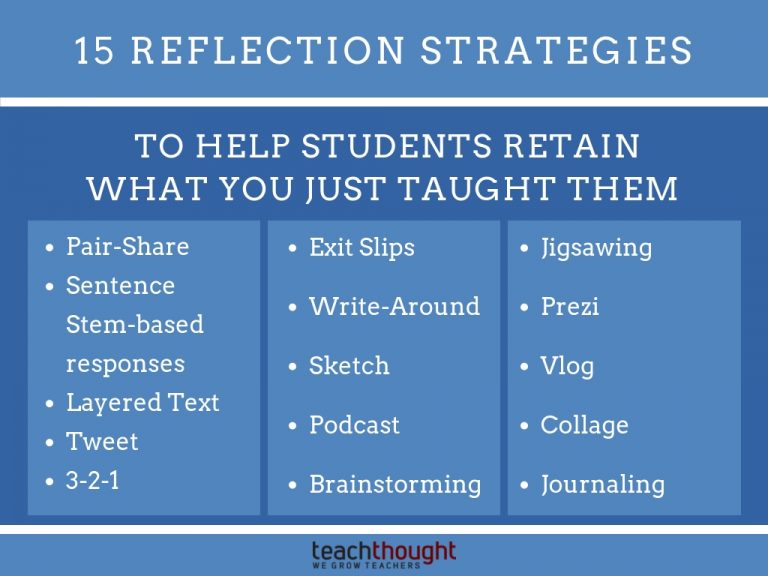
By asking students to leave a little learning on a chair by the door on the way out of the classoom, exit slips are an easy way to reflect on learning.
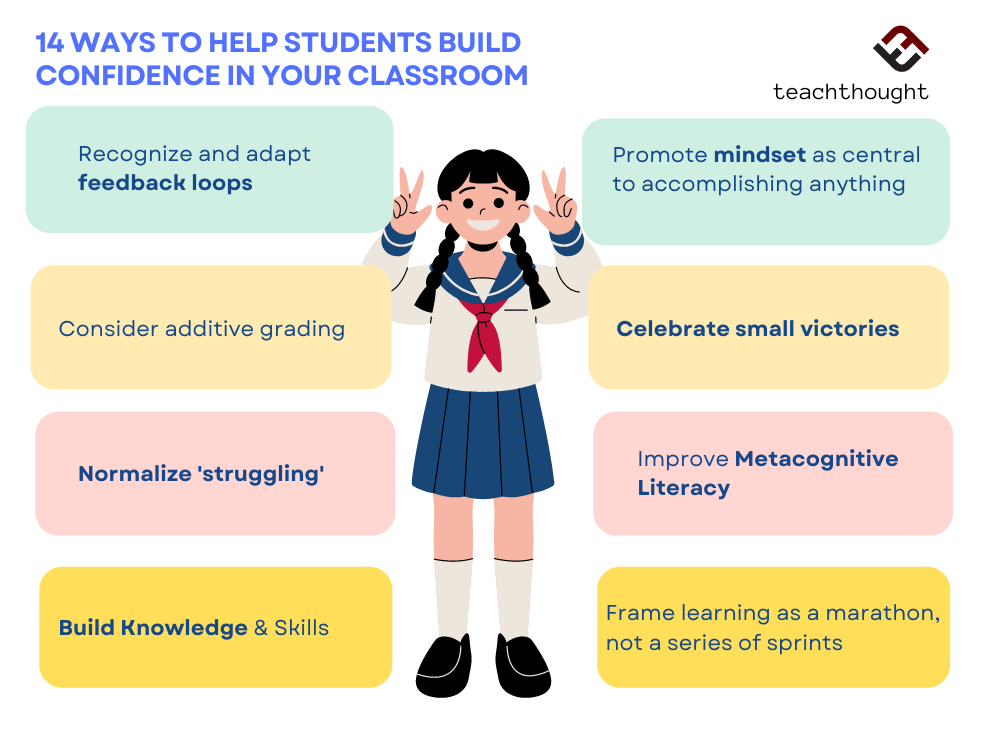
‘Believing in students’ isn’t enough–they have to have sufficient knowledge or experience with ideas and skills to ‘do well in school.’
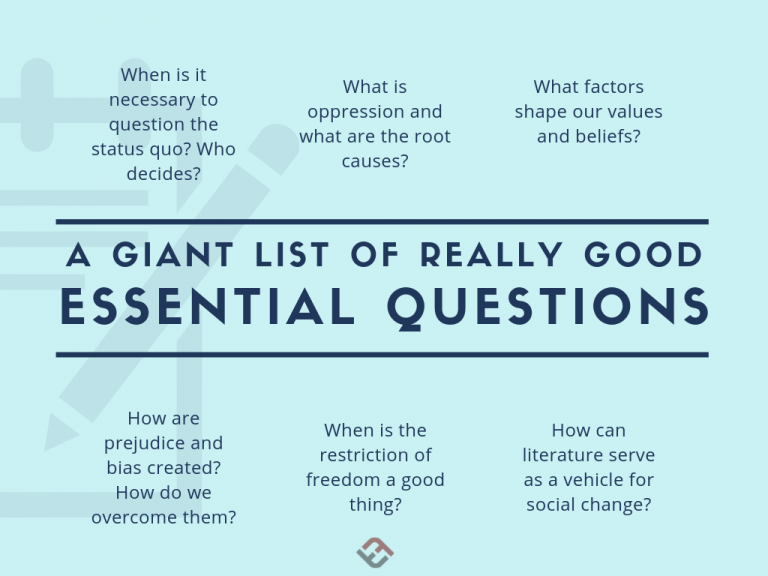
Essential Questions are thought-provoking and open-ended questions that serve as the core of a lesson or unit in a curriculum.