Using The 3-2-1 Learning Strategy For Critical Thinking
The 3-2-1 strategy is a simple way to frame a topic or task, making it useful for anything from discussion prompts to inquiry learning.

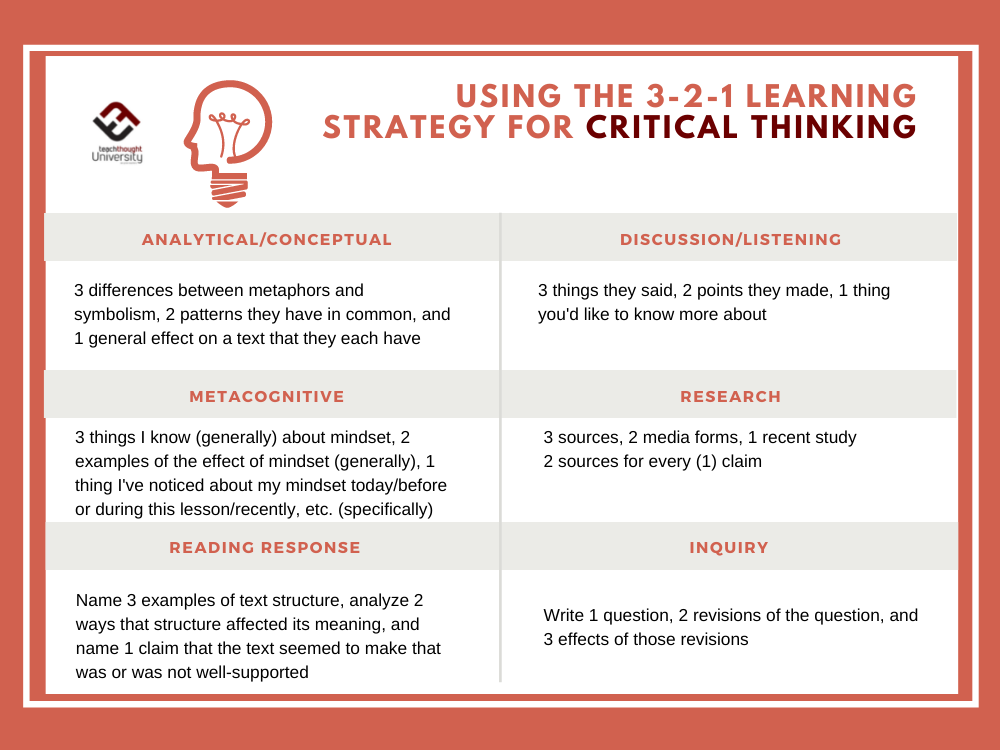
The 3-2-1 strategy is a simple way to frame a topic or task, making it useful for anything from discussion prompts to inquiry learning.

Why should students read? When we read–really, really read–for a while, a normally very loud part of us grows quiet.
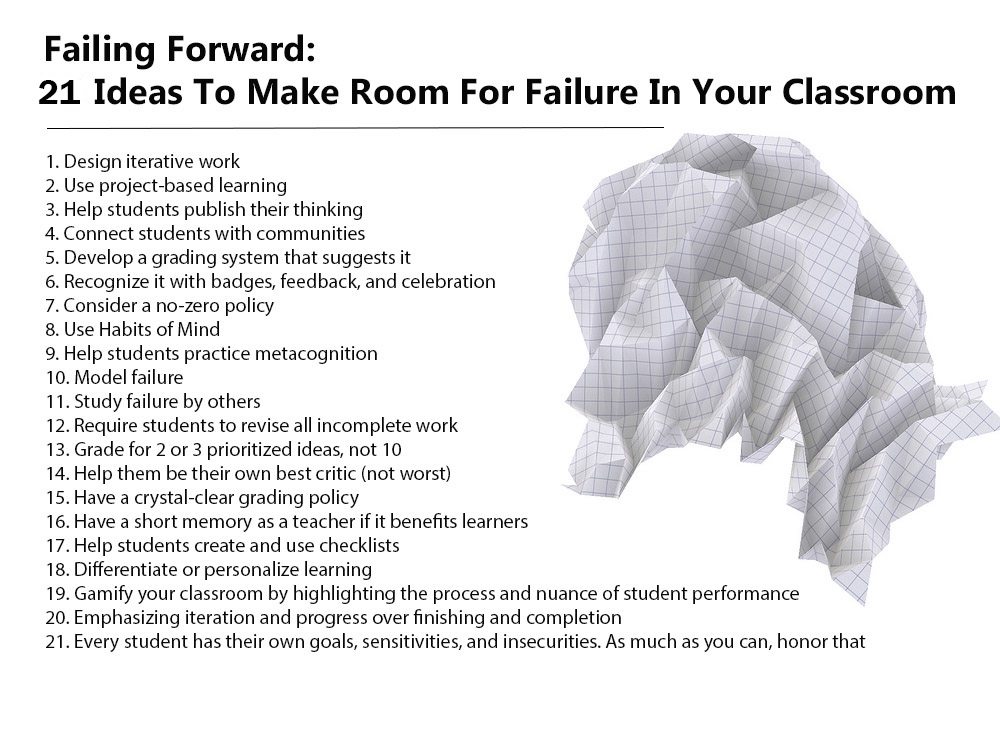
An example of ‘failing forward’: “Your first two drafts didn’t work so well, huh? What can you take from each of them–what’s salvageable?”
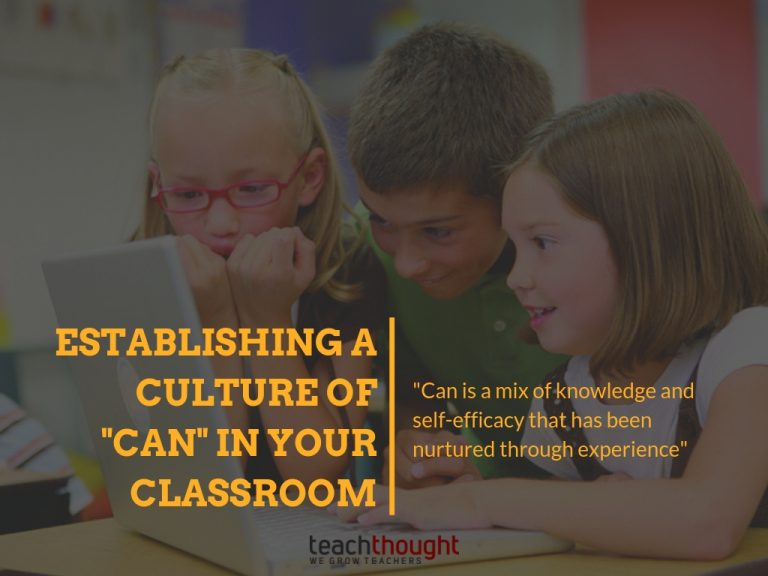
it’s important to realize that a ‘culture’ is comprised of tangible factors (students) and intangible factors (curiosity), and ever-present.
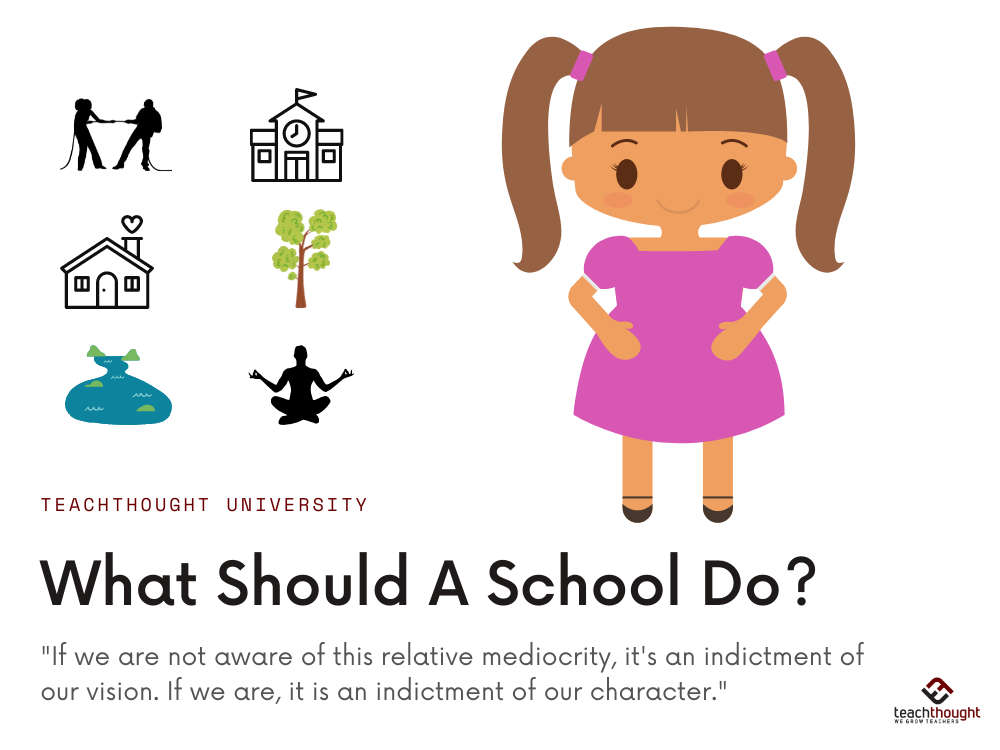
If we are not aware of this relative mediocrity, it’s an indictment of our vision. If we are, it is an indictment of our character.

For amateurs developing skills, the process is far more important than the product. This is true in science and is true for writing, too.

Education is ‘actuated’ by teachers. It makes sense that education should also be able to reflect critically on its own performance as well.
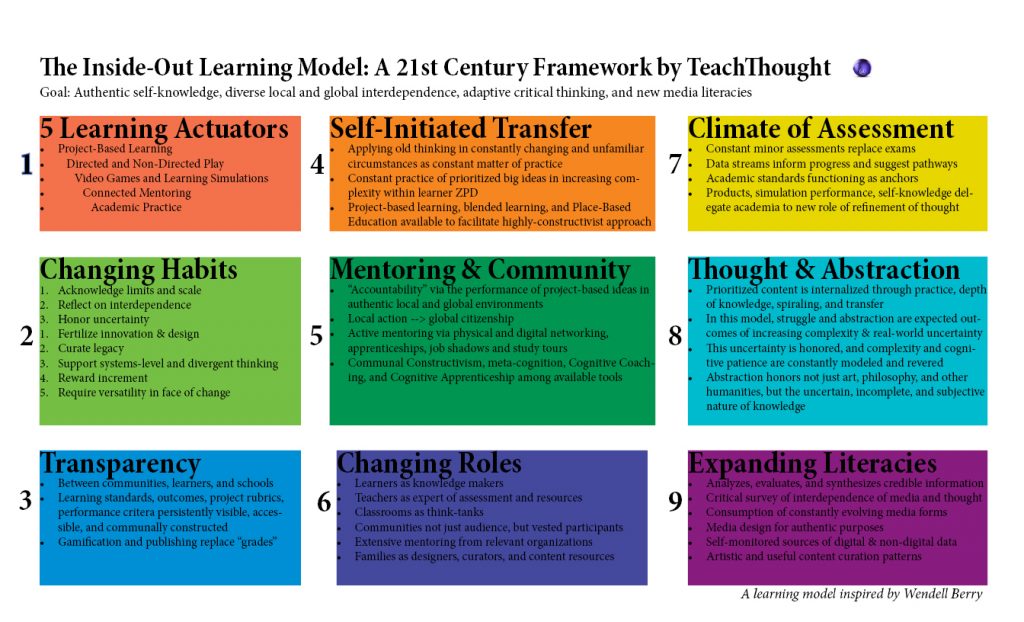
A micro-goal of the ‘Inside-Out’ School is a new kind of ‘intelligence’ where the macro-effect is healthier communities and citizenship.
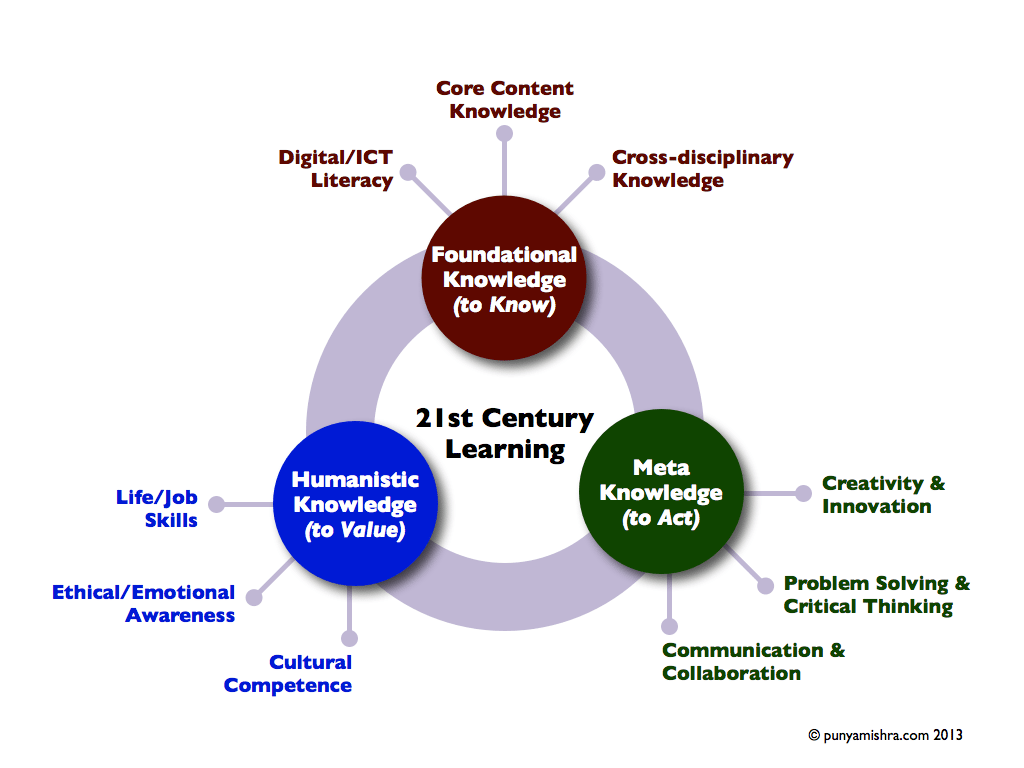
Humanistic knowledge focuses on studying human experiences, values, and cultures.
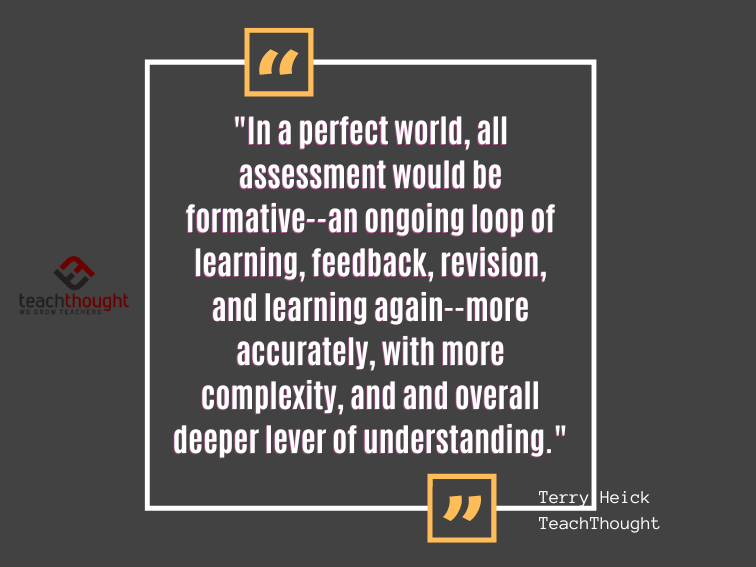
In a perfect world, all assessment would be formative–an ongoing loop of learning, feedback, revision, and learning again.
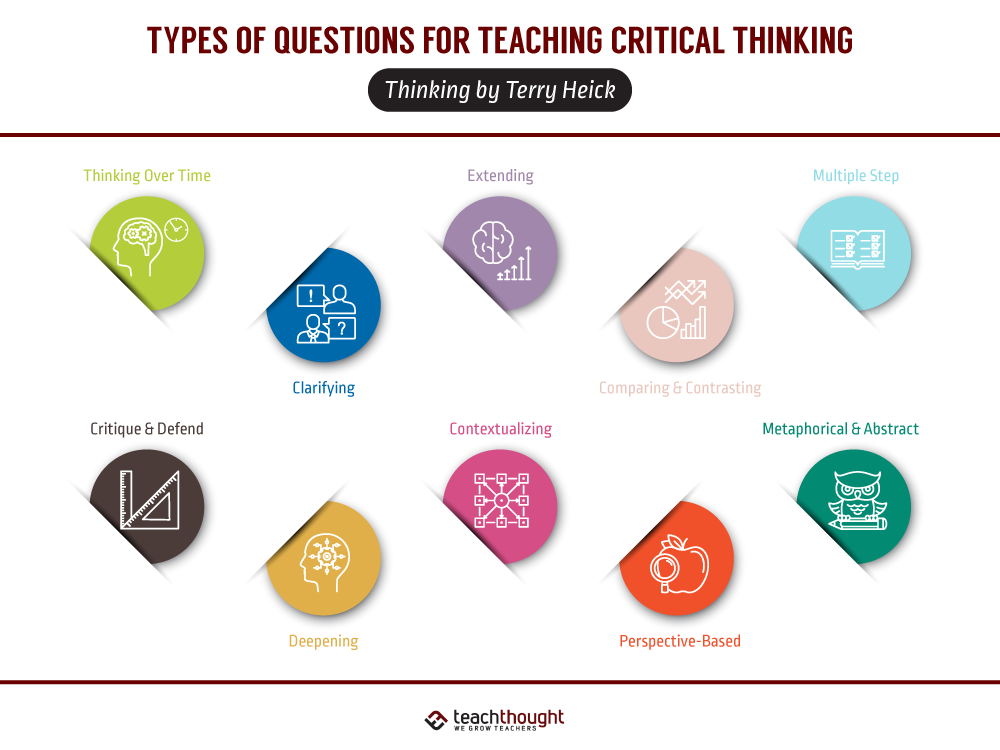
What are some of the most common types of questions for teaching critical thinking? This led to many dozens of answers.
Reflection is a fundamental tenet of learning; and therefore, a fundamental part of teaching. Here’s what it means to be a reflective teacher.
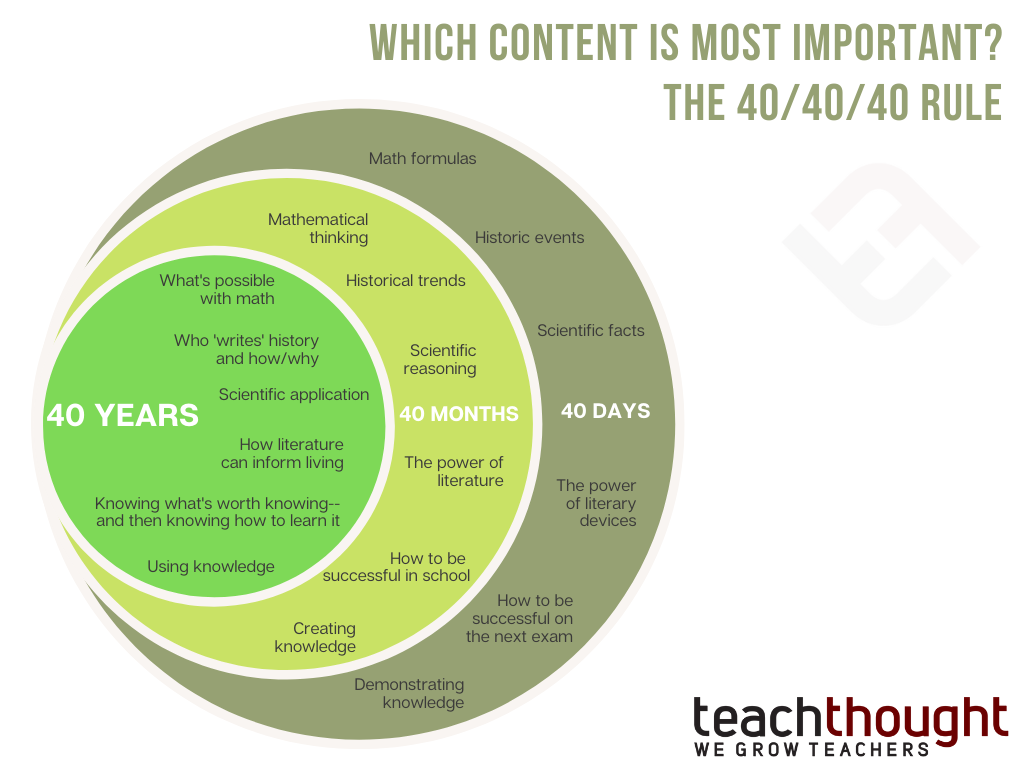
The 40/40/40 rule: What’s important that students understand for the next 40 days, for the next 40 months, for the next 40 years?
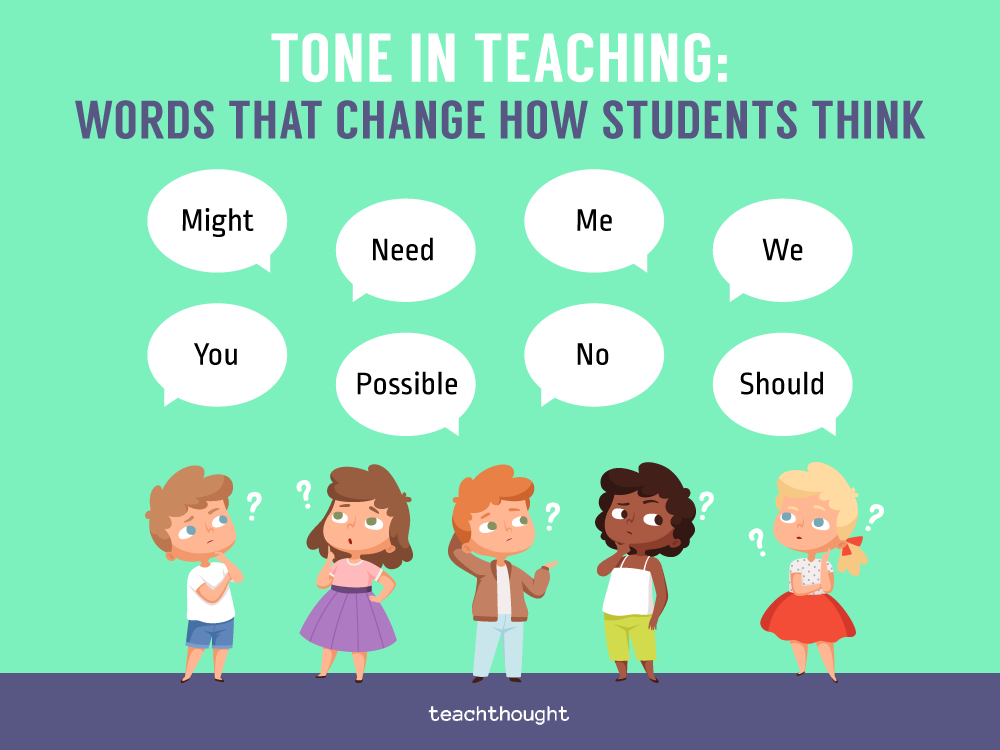
Almost everything a student experiences in the learning process has ‘tone.’