Why You Should Be Asking More Questions In Your Classroom
Teaching students to ask good questions engages them & acts as ongoing assessment. Here are some of the benefits of inquiry-based learning.

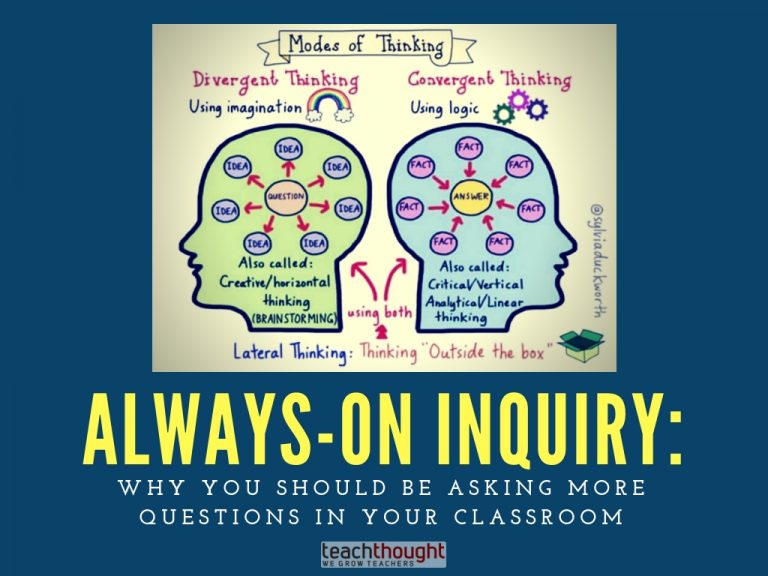
Teaching students to ask good questions engages them & acts as ongoing assessment. Here are some of the benefits of inquiry-based learning.
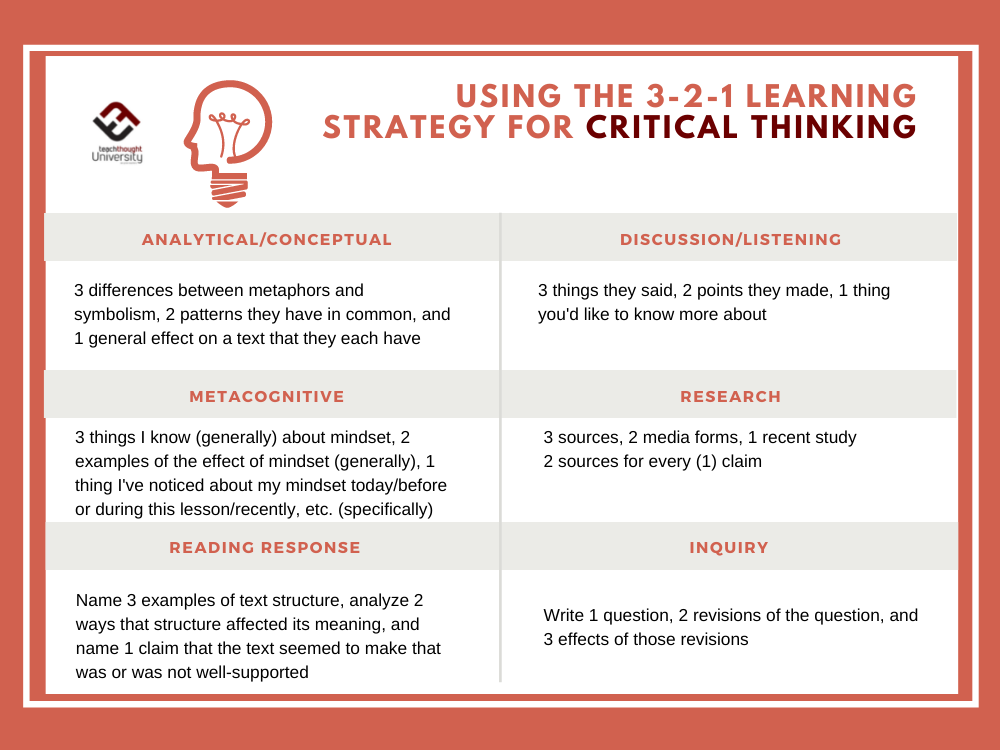
The 3-2-1 strategy is a simple way to frame a topic or task, making it useful for anything from discussion prompts to inquiry learning.
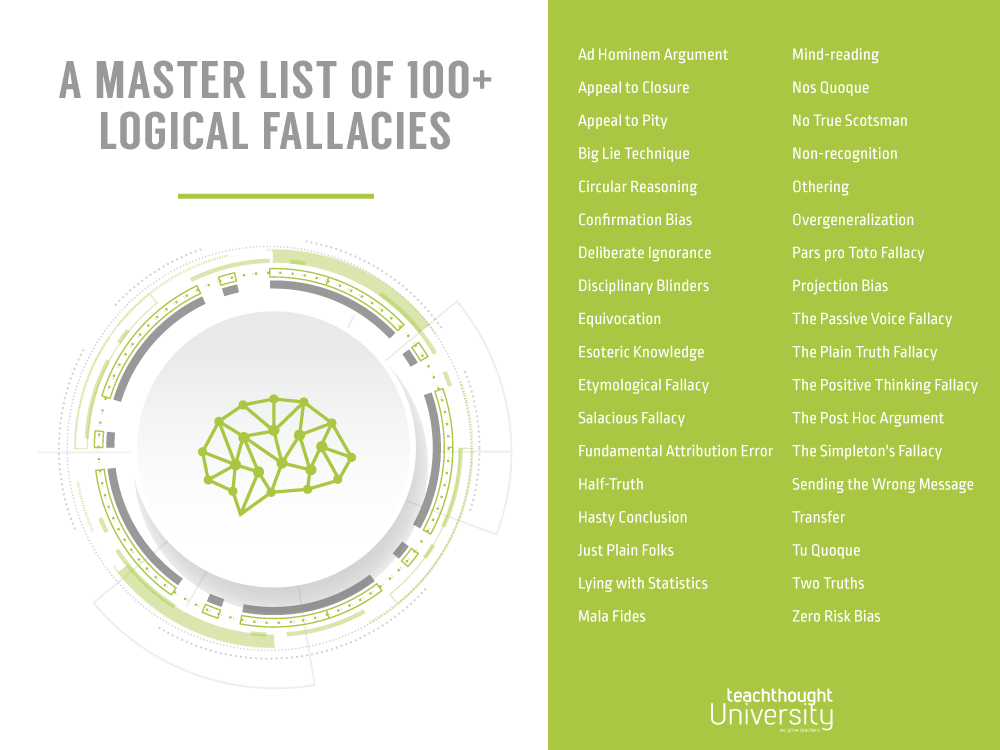
Logical fallacies are irrational arguments made through faulty reasoning common enough to be named for its respective logical failure.
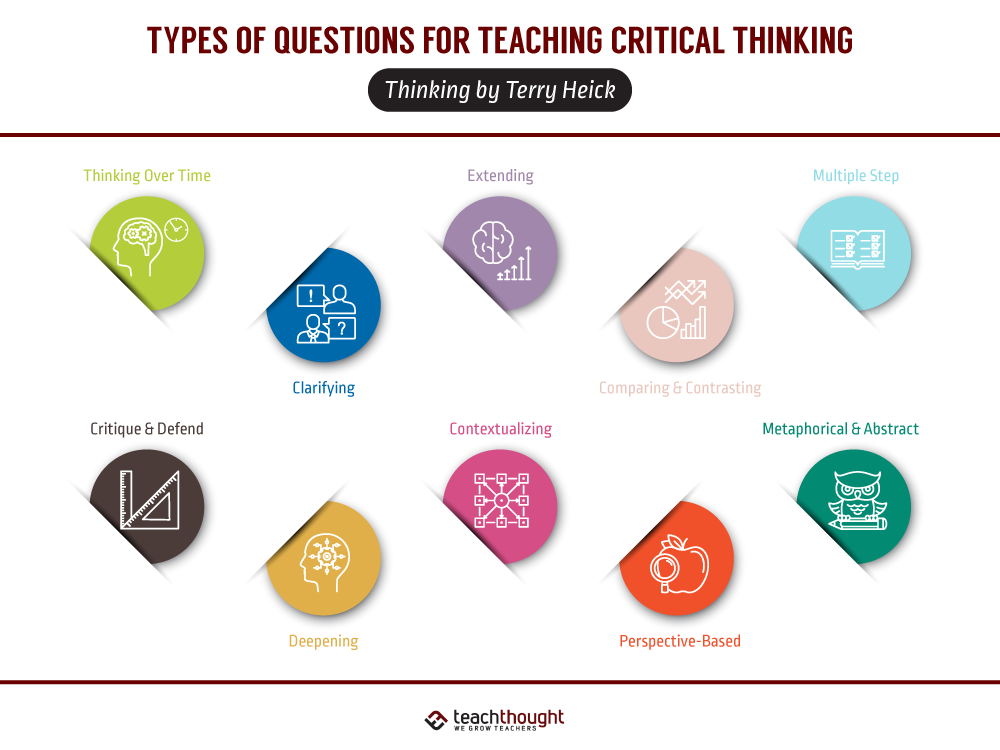
What are some of the most common types of questions for teaching critical thinking? This led to many dozens of answers.
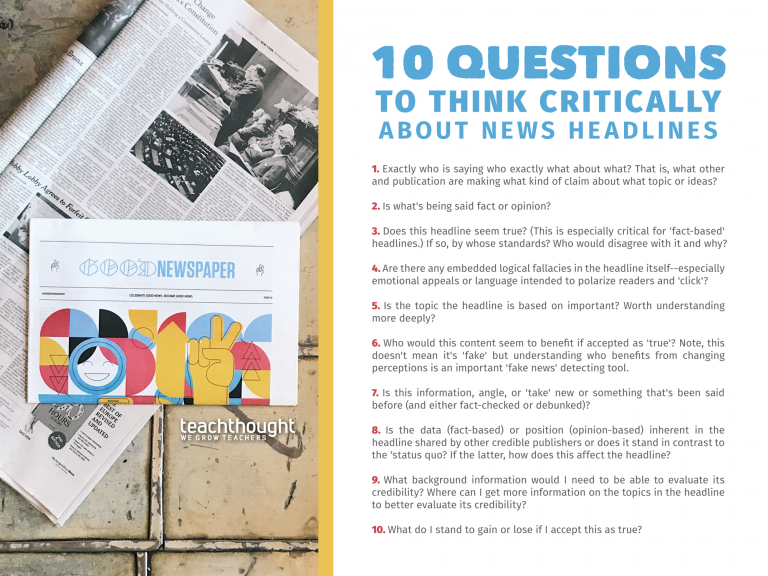
Misleading info is often based on partial truths & reframed to fit a purpose. Here are questions to help students think critically about news.

“Every act of perception is to some degree an act of creation, and every act of memory is to some degree an act of imagination.”
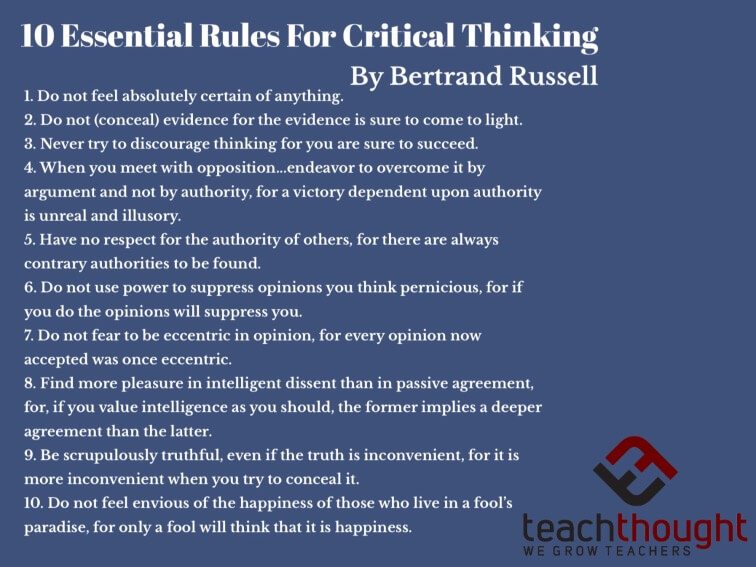
Bertrand Russell’s essential rules of critical thinking: #1. Do not feel absolutely certain of anything.
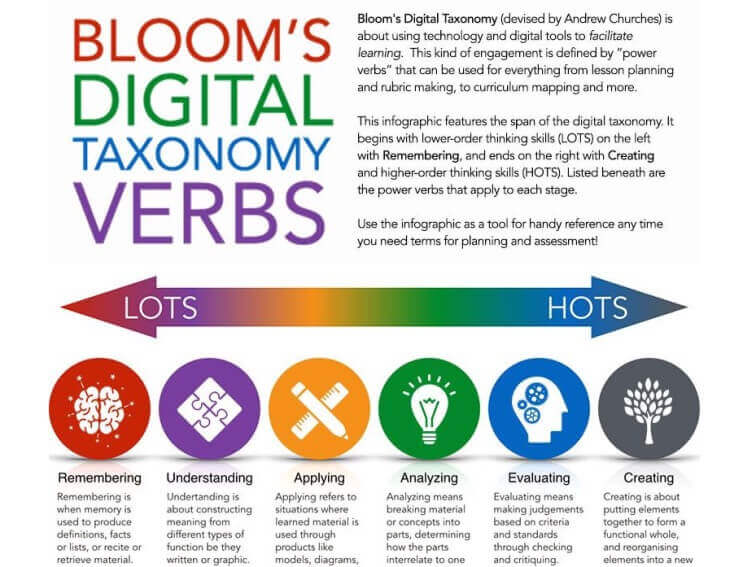
Global Digital Citizen Foundation combines both Bloom’s Taxonomy and power verbs for lesson & assessment planning in this graphic.
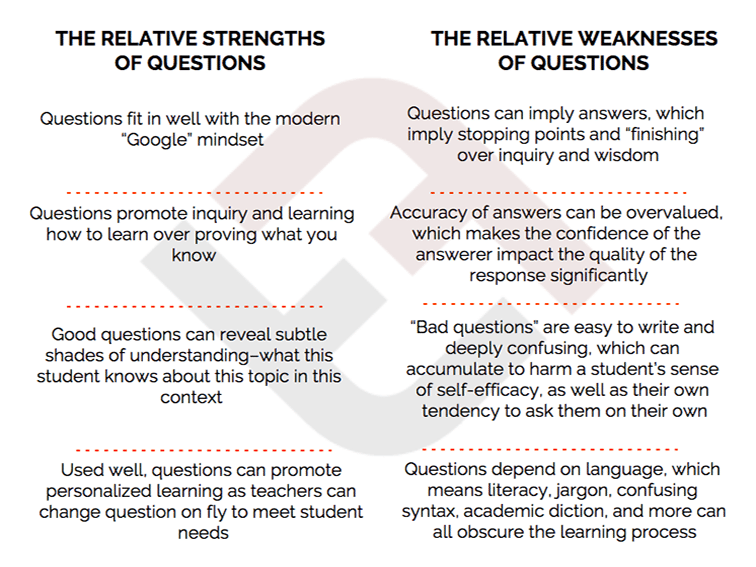
This guide to questioning in the classroom views questions as signs of understanding, not ignorance–the ability to see what you’re missing.
If our curriculum is thinking, if our job is (excuse the convenient phrasing) teaching thought, our goals as educators change.
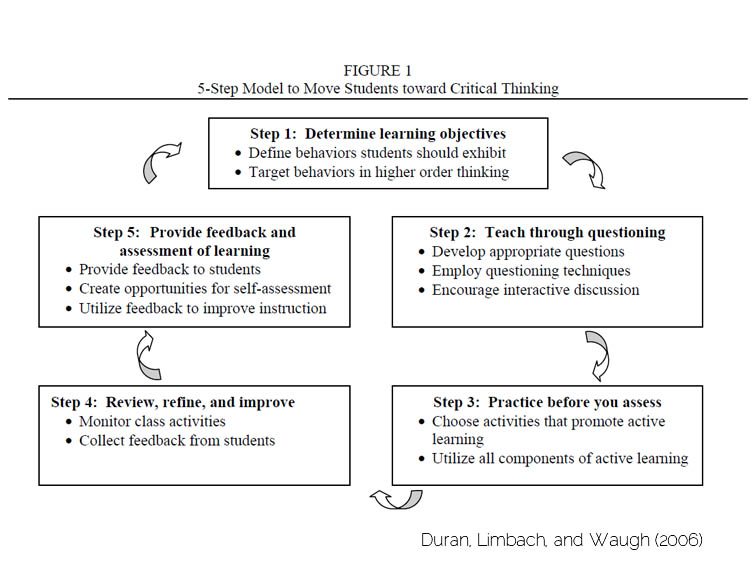
Like anything else in your classroom, promoting critical thinking skills is a matter of planning, priority, and practice.
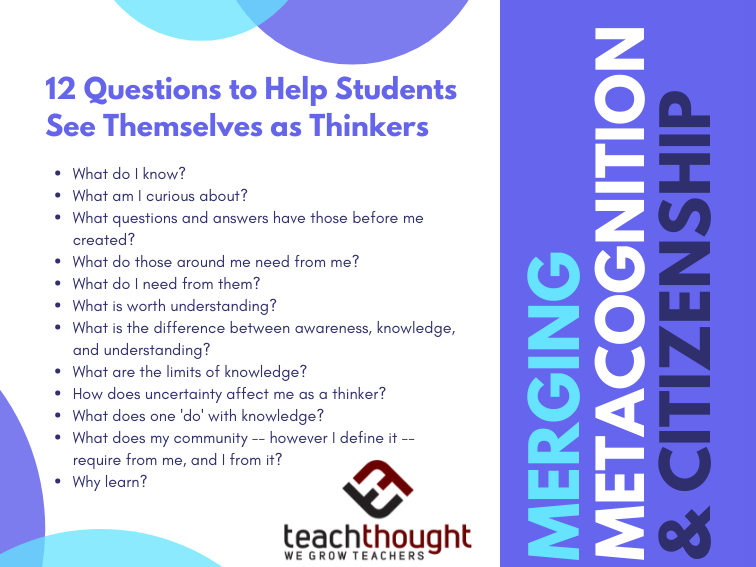
Self-knowledge is formed through metacognition and basic epistemology. Here are 12 questions to help students see themselves as thinkers.v
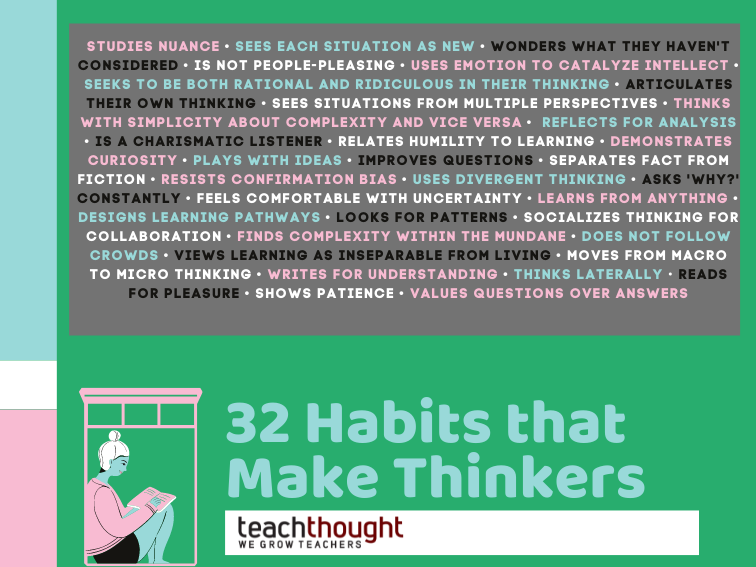
These 32 habits that make thinkers can lead to that critical shift that moves students from mere students to learners who think critically.
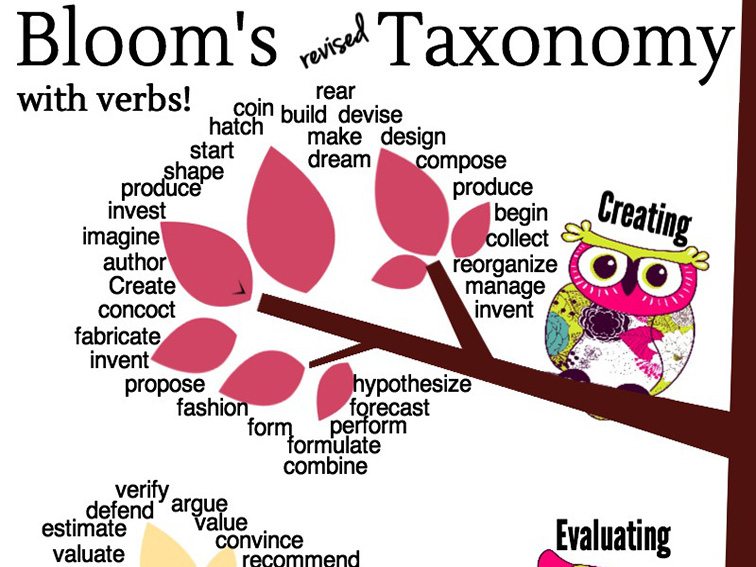
There are dozens of graphics that help frame Bloom’s taxonomy is unique ways. The Taxonomy tree is one of them.