32 Habits That Make Thinkers
These 32 habits that make thinkers can lead to that critical shift that moves students from mere students to learners who think critically.

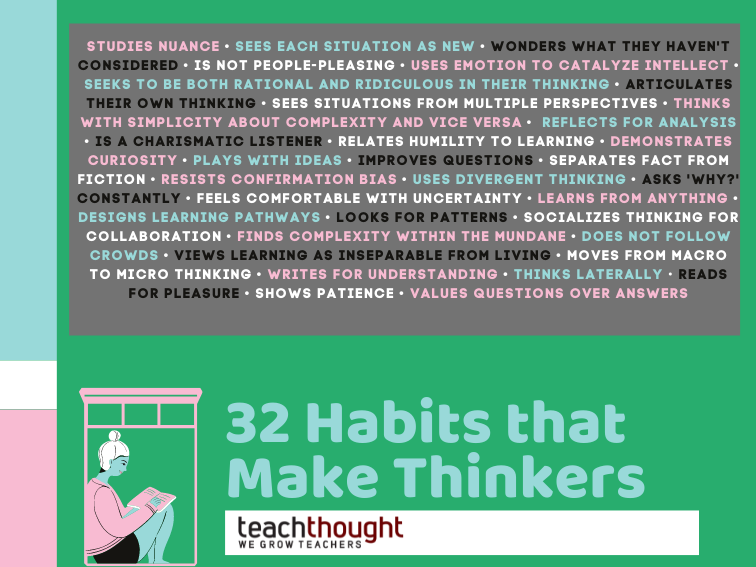
These 32 habits that make thinkers can lead to that critical shift that moves students from mere students to learners who think critically.
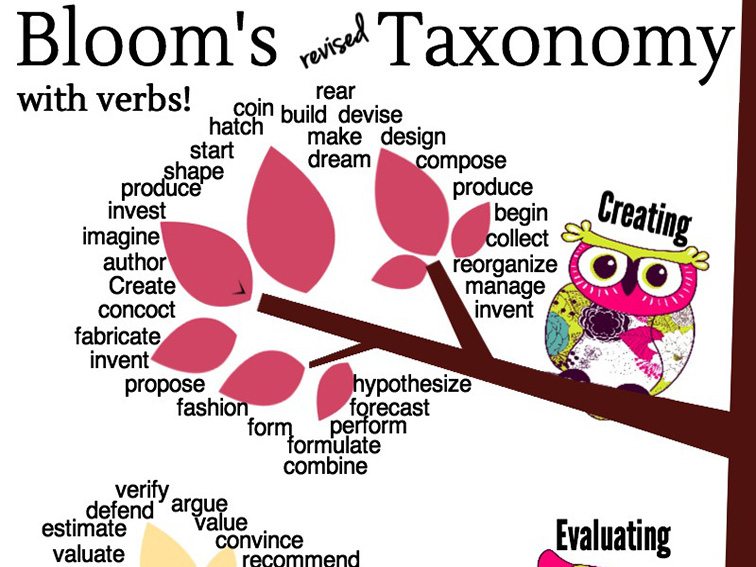
There are dozens of graphics that help frame Bloom’s taxonomy is unique ways. The Taxonomy tree is one of them.
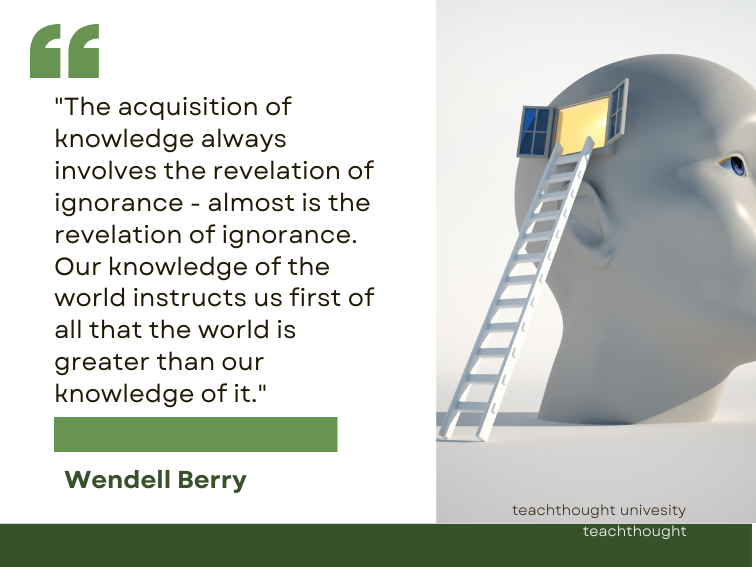
“Our knowledge of the world instructs us first of all that the world is greater than our knowledge of it.” –Wendell Berry
Critical thinking is widely misunderstood. Apps that promote it can be hard to find. Here are 25 critical thinking apps to get you started.
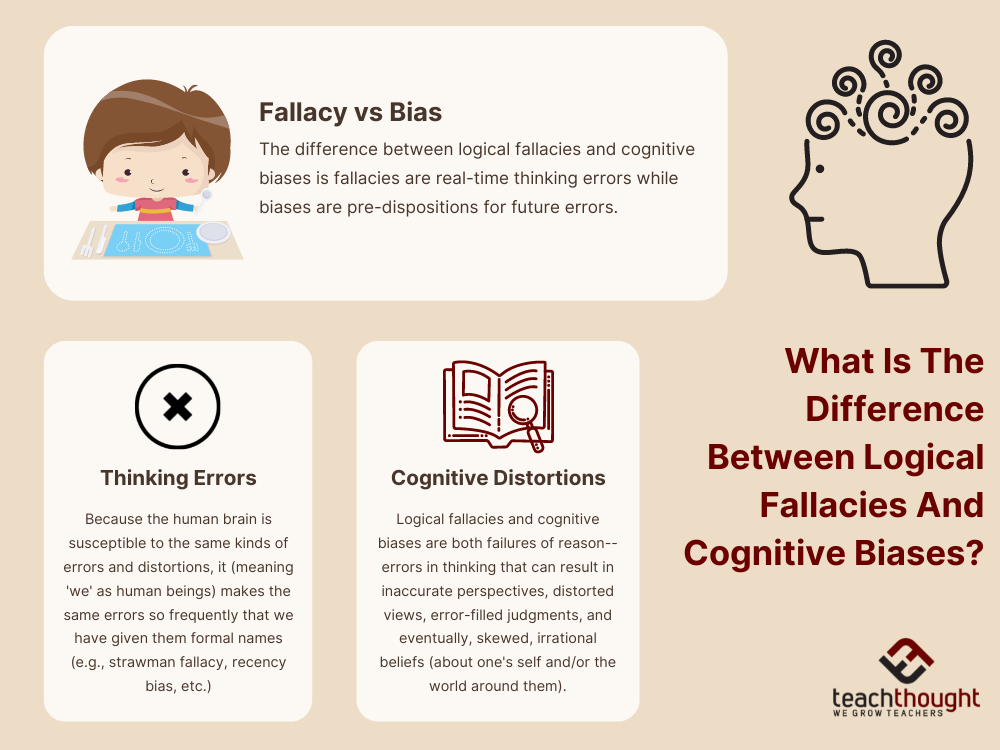
The difference between fallacies and biases is a matter of timing: fallacies are real-time thinking errors while biases are pre-dispositions for future errors.
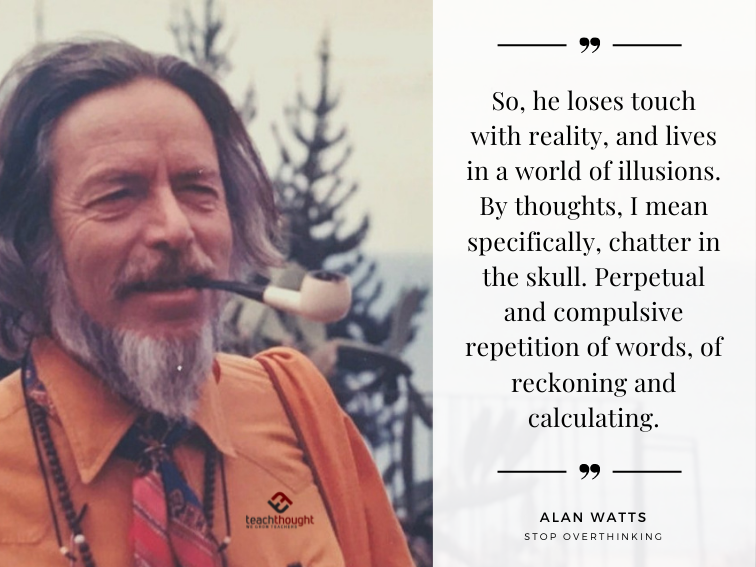
From this practice, you learn to experience, to realize, that what happens to you, and what you do are one in the same process.
As they are learning, give students the opportunity to articulate their thought process of how they came up with their solution to a puzzle.
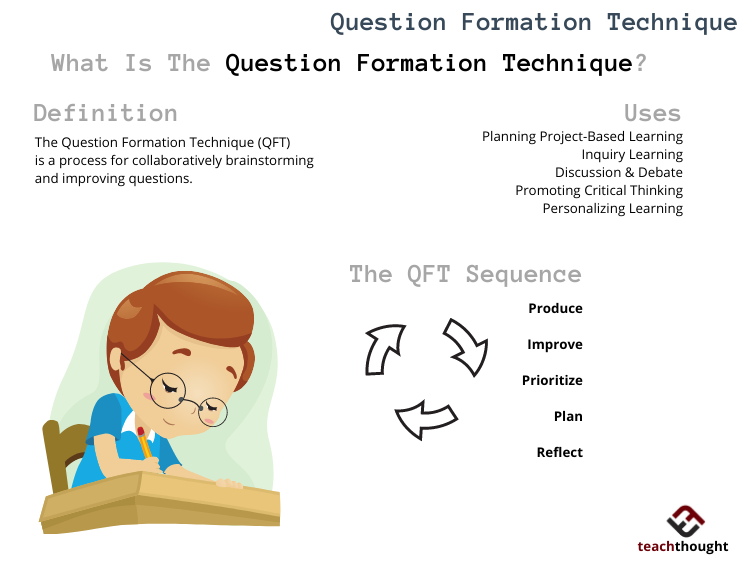
According to the creators, the question formulation technique helps build skills for lifelong learning, self-advocacy & democratic action.
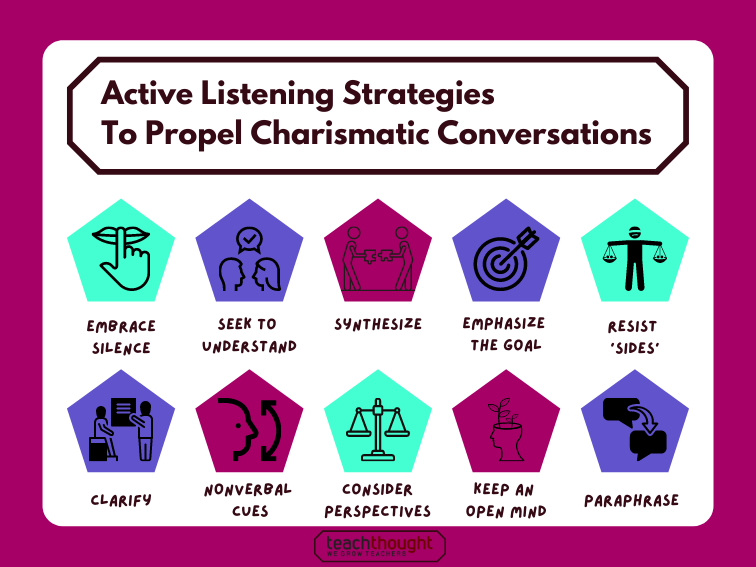
As teachers incorporate collaborative learning in their lesson plans, it is critical that they model active listening to their students.
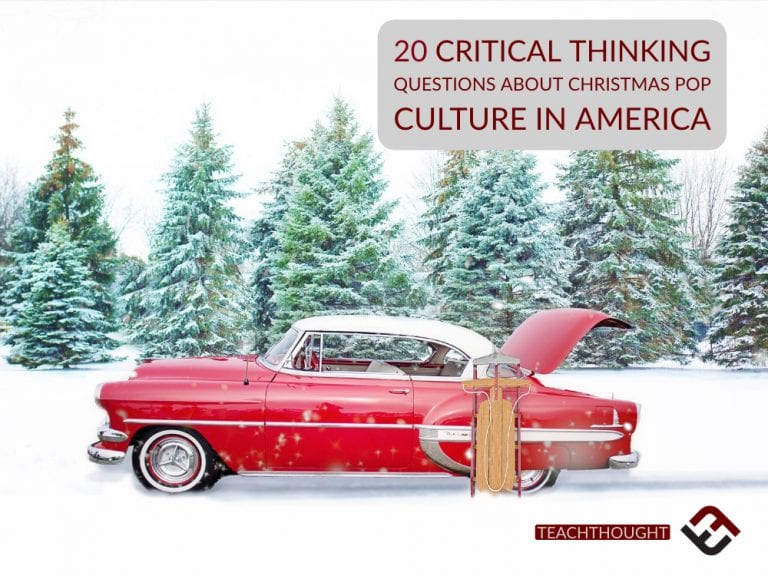
“Explain how ‘It’s a Wonderful Life’ both reinforces and challenges prevailing social norms both then (release date) and today.”
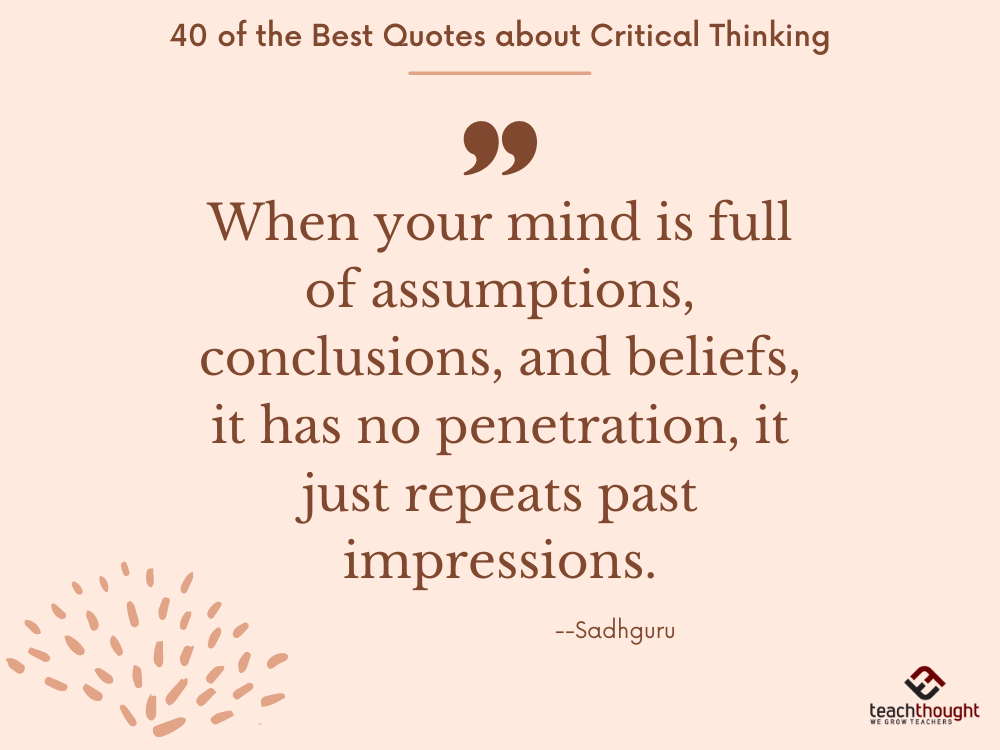
These quotes about critical thinking can be used to generate reflection, writing & discussion about critical thinking’s value in a society.
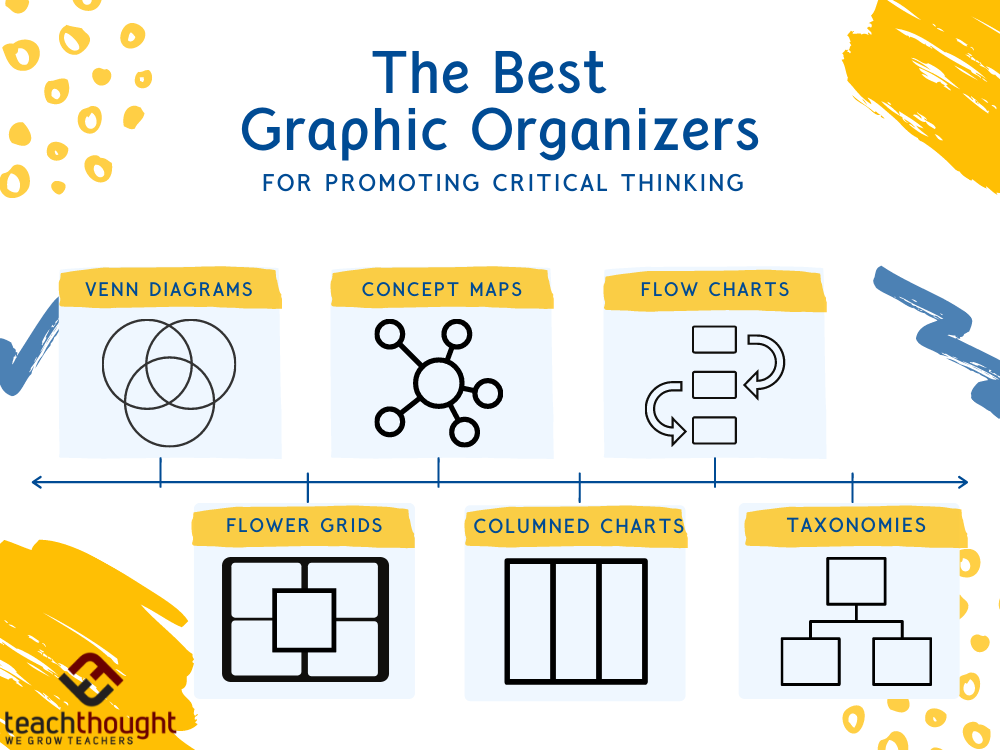
Graphic organizers allow students to visualize, order, and categorize concepts using verbal representations & visuals.
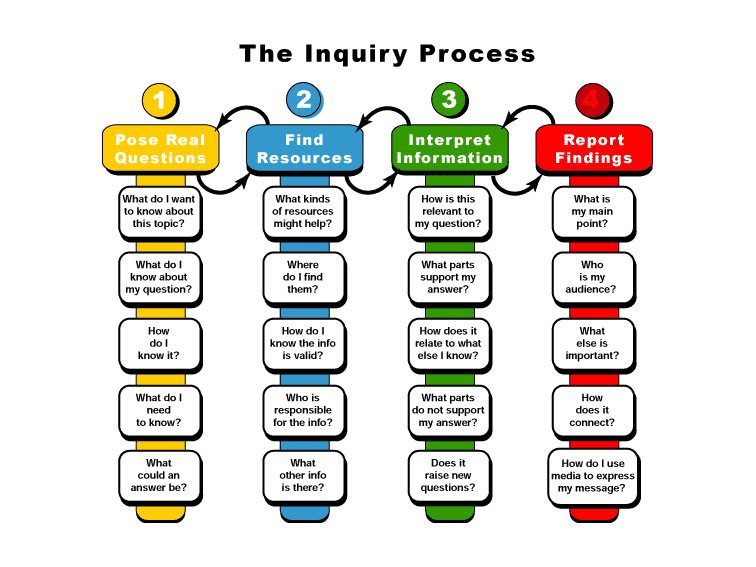
Guiding inquiry-based learning centers learning on a solving a particular problem or answering a central question.
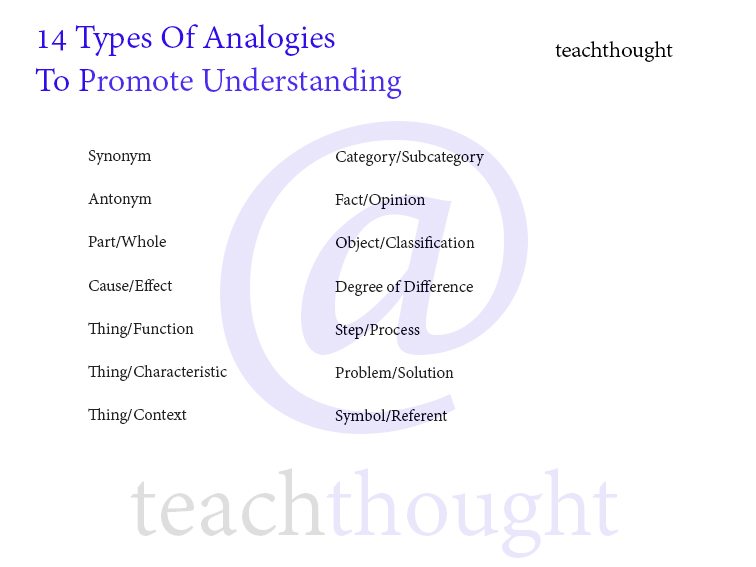
From part to whole to synonyms and antonyms, to cause and effect and step and sequences, here are good examples for teaching with analogies.