OPINION: Can We Teach Critical Thinking In Schools?
Can we teach critical thinking in schools? Of course we can. A better question: Are schools designed to teach children to think?

Can we teach critical thinking in schools? Of course we can. A better question: Are schools designed to teach children to think?
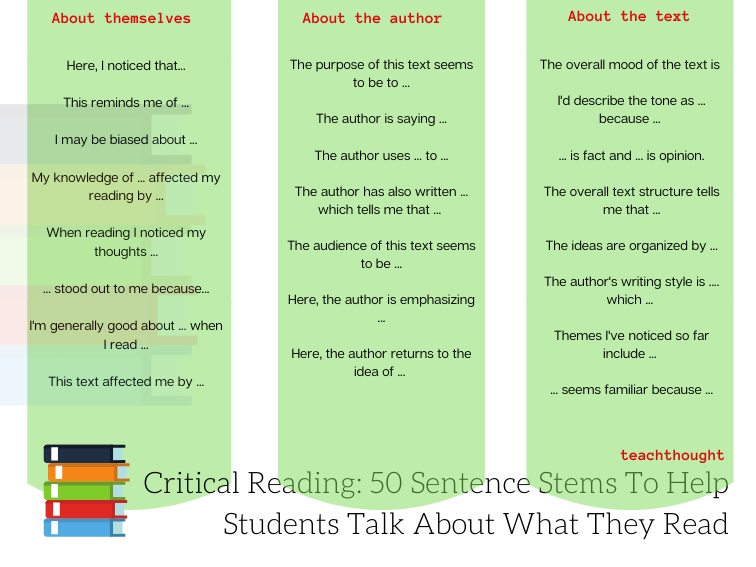
Critical reading is about gathering knowledge, understanding context, and seeing ideas from multiple perspectives to make sense of a text.
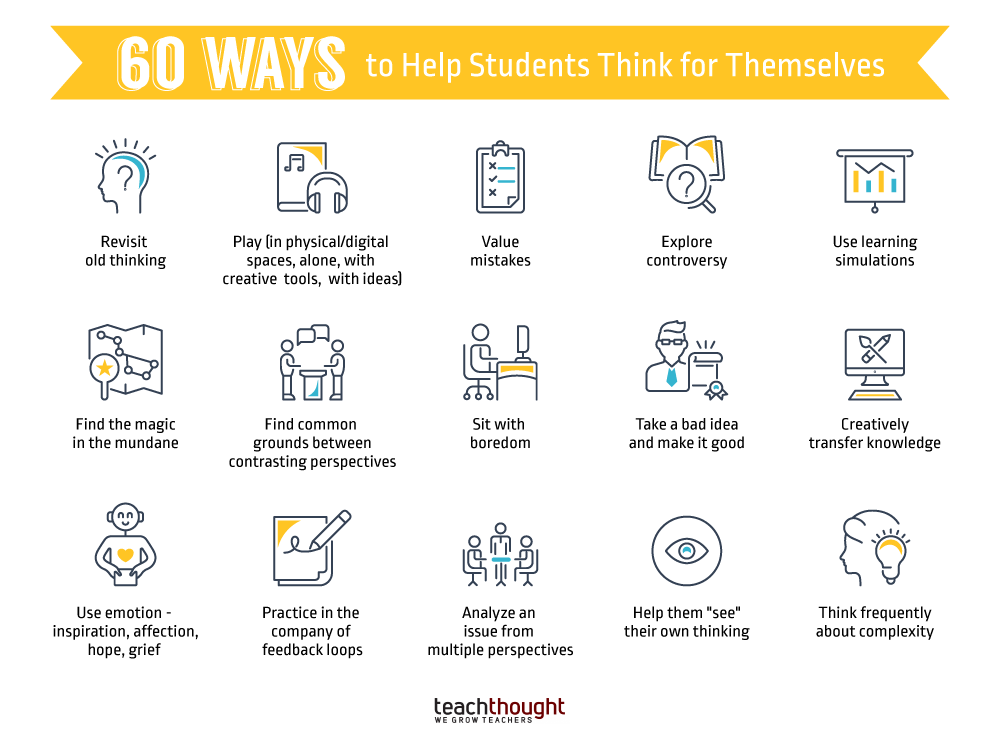
There are many ways to help students think for themselves. Guide them to dynamic spaces characterized by people, thought, and creativity.
How Does Daydreaming Improve Thinking? The student’s eyes drift to the classroom window and the teacher’s voice fades from consciousness. The daydream begins. It’s a familiar scene, one we have likely both experienced as students and struggled against in our students as teachers. But daydreaming is not what it might seem. Recent research in psychology…
A good question can open minds, shift paradigms, and force the uncomfortable but transformational cognitive dissonance that can help create thinkers.
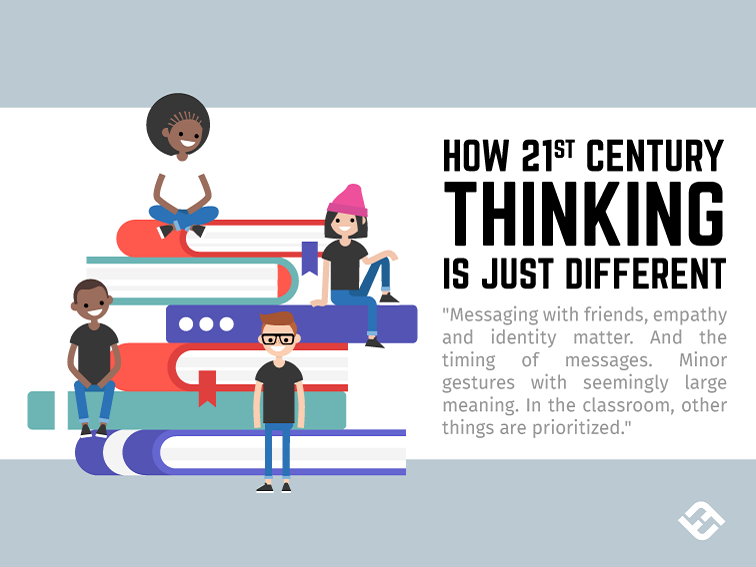
The shift toward a fluid, formless, socialized nature of information, thought, and belief is a not a small one.
What is the relationship between quality and effect? It’s partly causal but that’s not exactly it. But there is clearly interdependence.
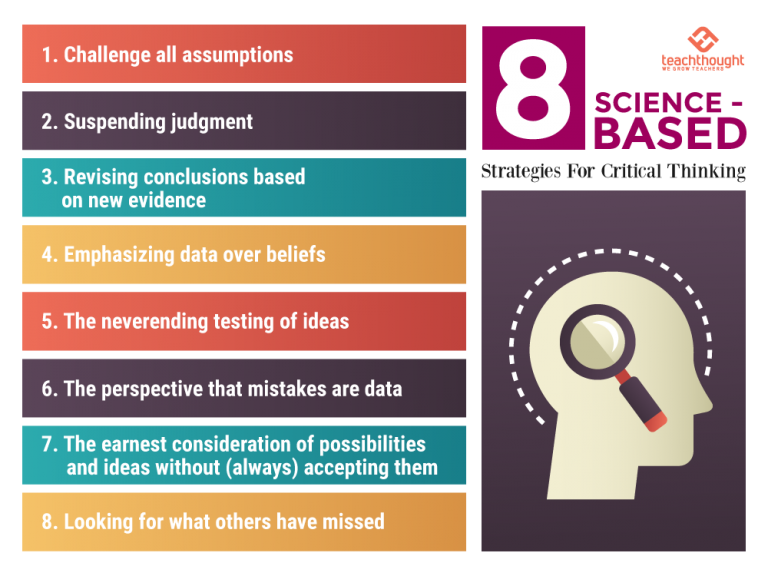
The development of beliefs based on critical reasoning and quality data is much closer to a science-based approach to critical thinking.
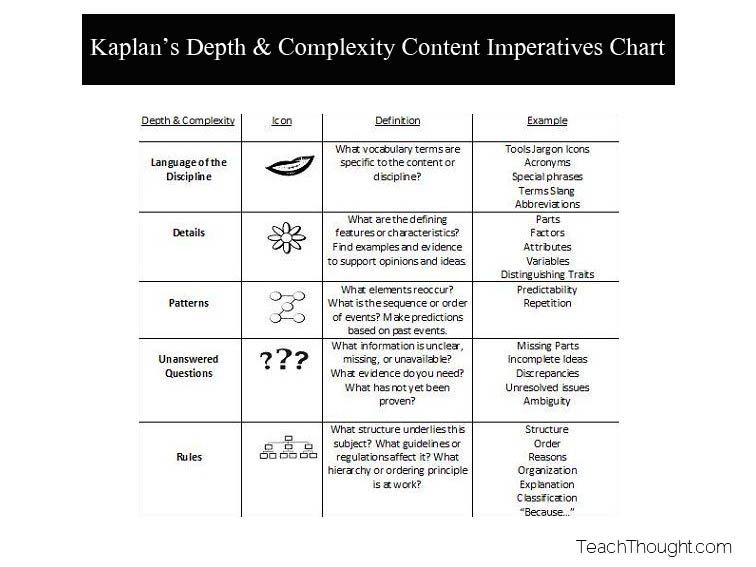
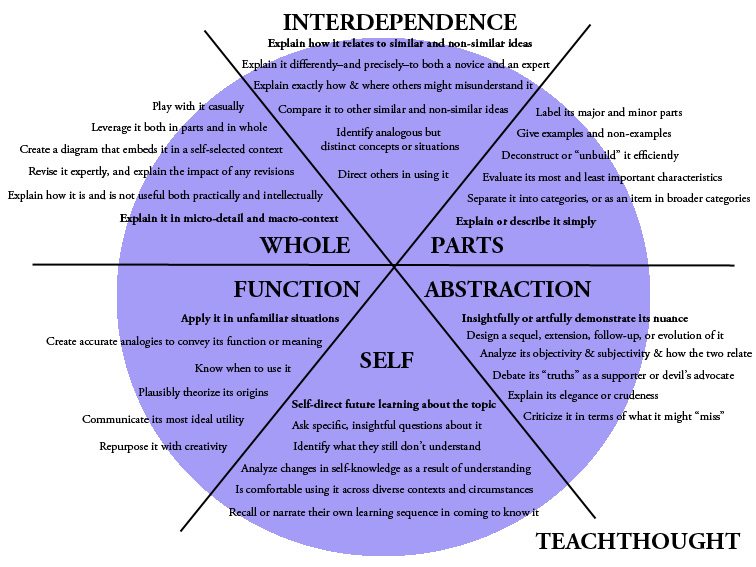
The Kaplan Depth & Complexity chart is a way to promote complex and in-depth analysis of academic and non-academic content.
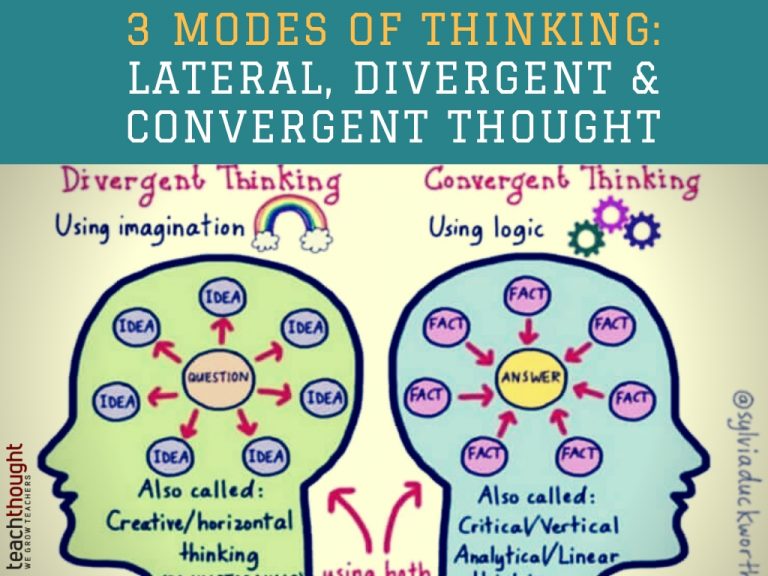
Lateral thinking solves problems via a creative approach involving ideas that may not be obtainable by using traditional step-by-step logic.
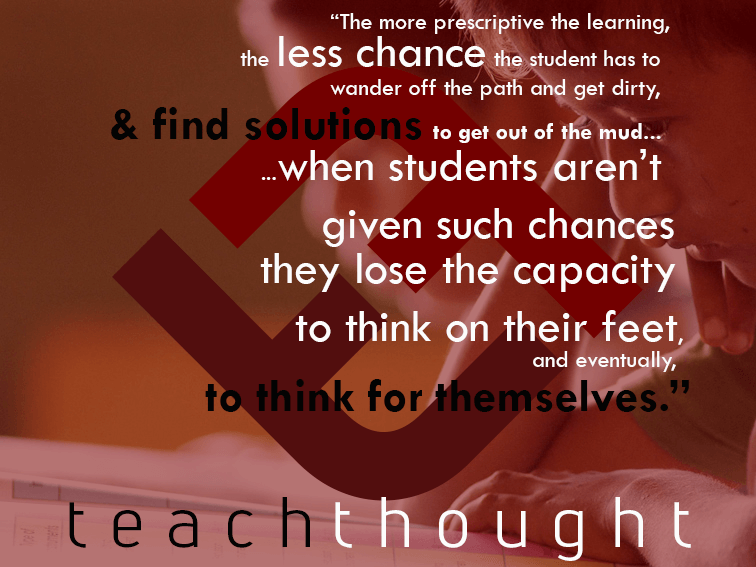
They reduce the opportunities to explore creativity in subjects. If we want to create students that solve problems, we need to start from the beginning.
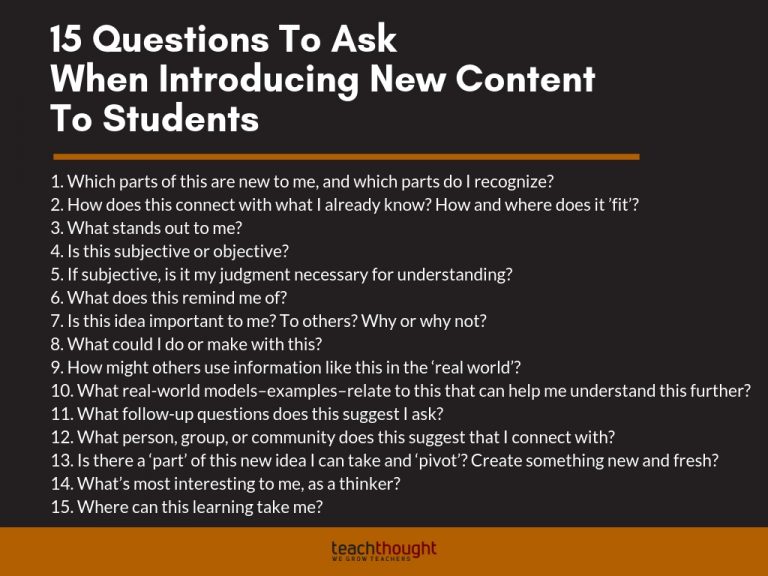
When introducing students to new content, the right questions and language can help disarm uncertainty and encourage a growth mindset.
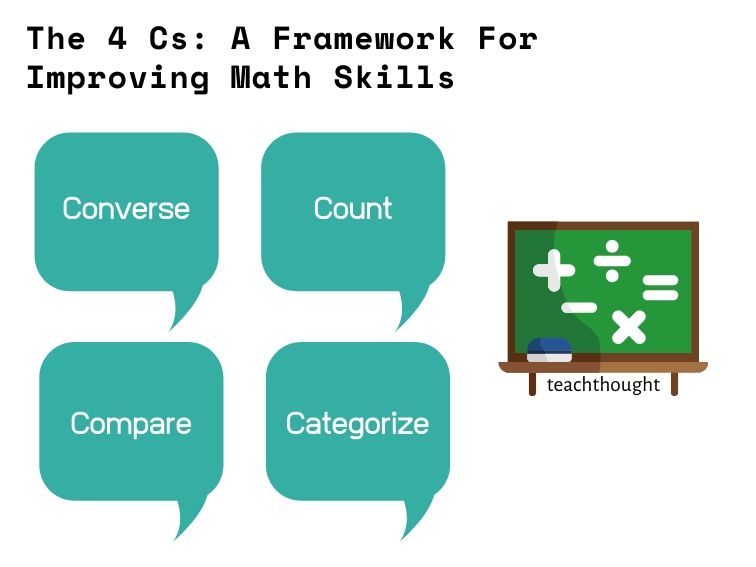
The Four Cs stand for Converse, Count, Compare, Categorize, each of which are critical to the development of a young child’s mathematical knowledge.
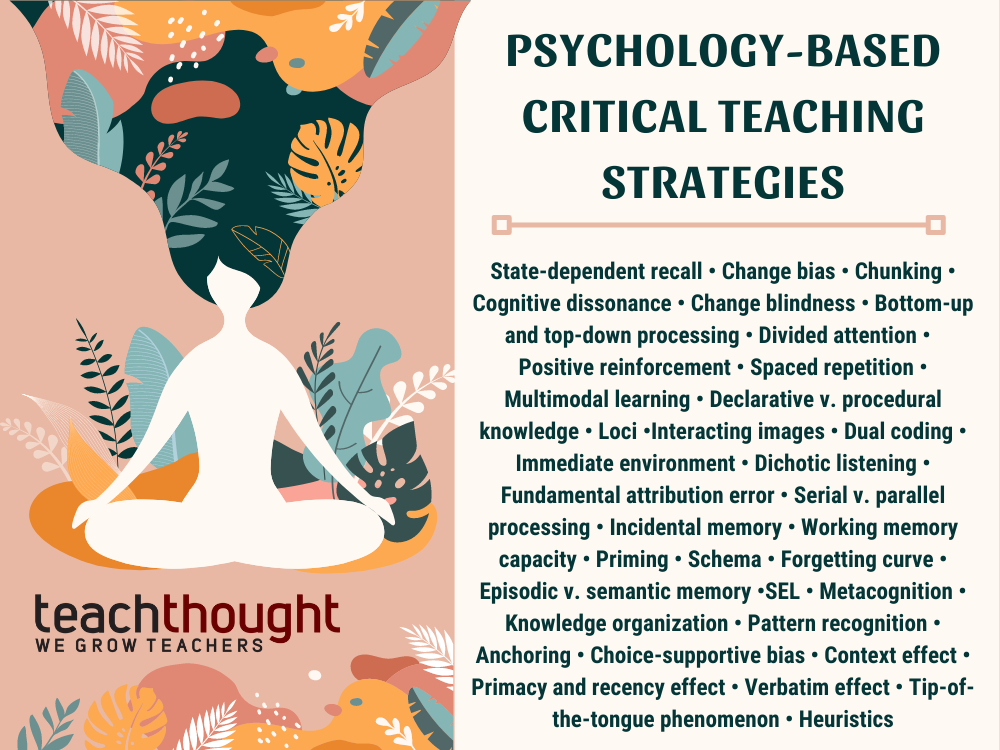
State-Dependent Recall: It is easiest to recall information when you are in a state similar to the one in which you initially learned the material.