Learning Is The Ultimate Disruption
The work of culture is to know itself & hold on to what it deems valuable. Forgetfulness is ignorance. Learning is the ultimate disruption.
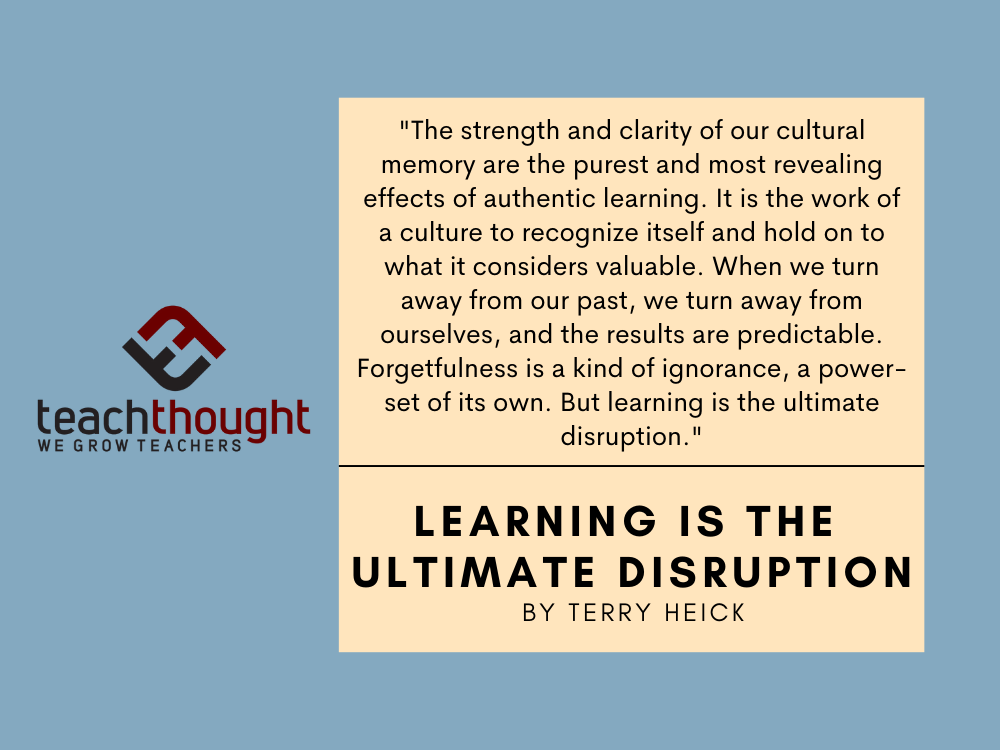
The work of culture is to know itself & hold on to what it deems valuable. Forgetfulness is ignorance. Learning is the ultimate disruption.
Initially, in your teaching, you may want to practice aiming only for one Understanding per unit to get a feel for the kind of groundwork.
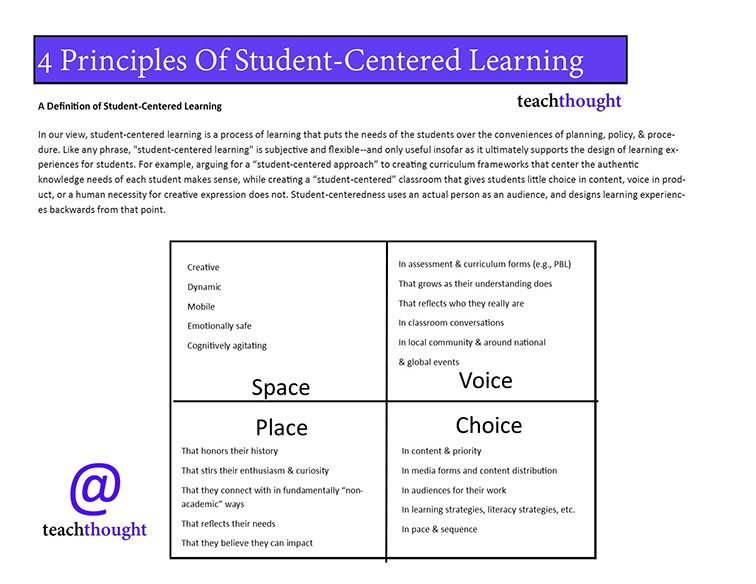
Student-centered learning puts the needs of the students over the conveniences of planning, policy, and procedure.
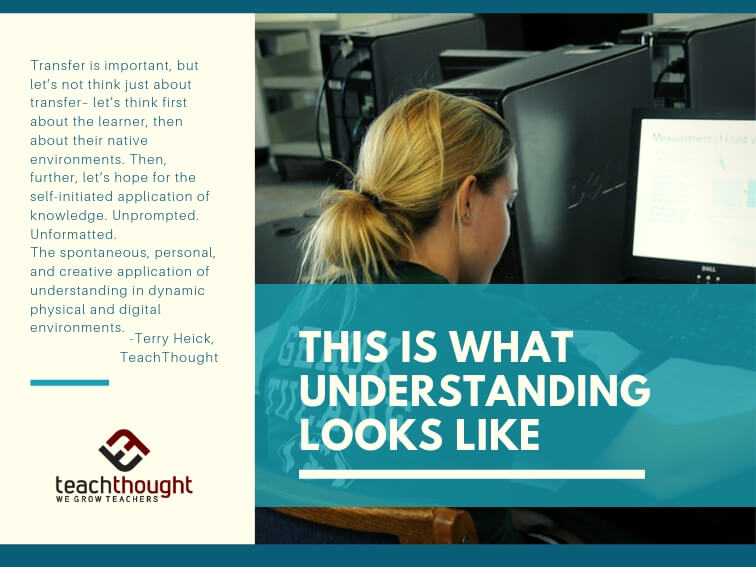
Understanding promotes the spontaneous, personal, and creative application of understanding in dynamic physical and digital environments.
Dorothea Lange’s photographs of displaced farm families and exploited sharecroppers not only became iconic symbols of the Great Depression.
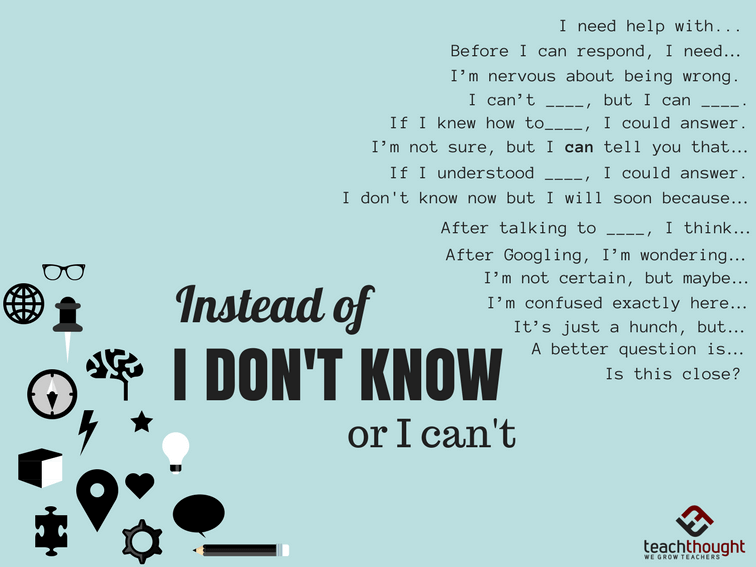
Want to encourage a growth mindset in students? Here are 25 alternatives to “I Don’t Know” and “I Can’t,” in ready-for-students form!
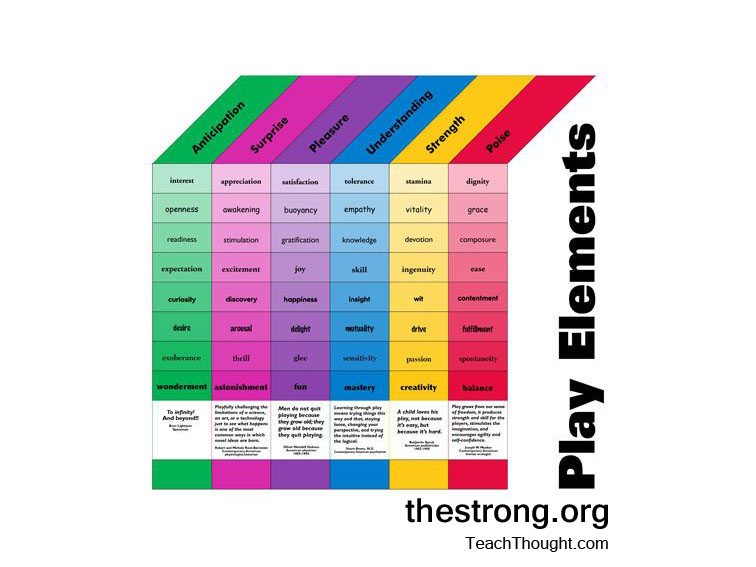
6 Elements Of Play: The Spectrum Of A Relaxed Mind by TeachThought Staff The role of play in learning is a complex thing, in part because it is easily misunderstood as ‘playing is learning.’ While that’s certainly true, there is also a role for play in formal learning experiences as well. As self-directed learning becomes more…
Video recording can help students express themselves in a more natural language than the tone they’d use to construct written ideas.
If you ask a student to apply problem-solving skills when they are learning new and critical information, you’re asking the brain to do two things at once. This limits both processes. The task is ‘complex’ but not in a way that benefits the student.
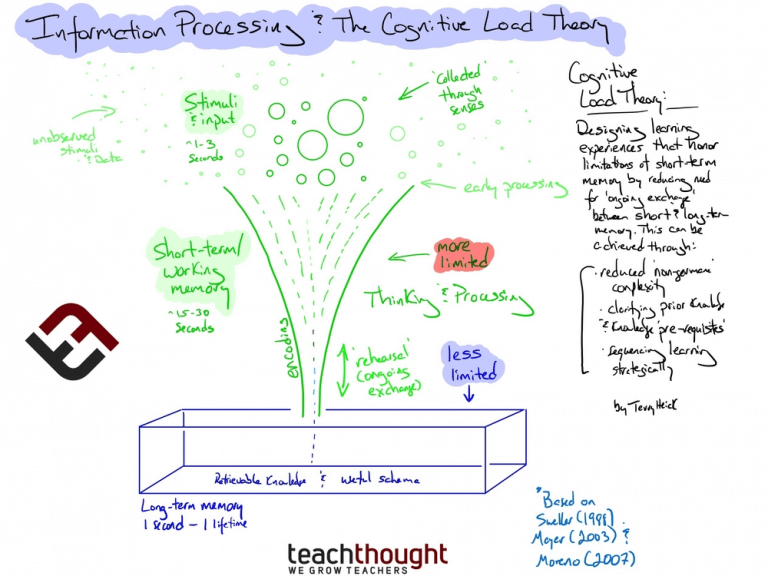
The Cognitive Load Theory is built on the premise that the brain can only do so many things at once and need to plan lessons accordingly.
Here, colleagues share their experiences with incorporating game-based learning into instruction and reflecting upon the outcomes.
Background noise works by quieting subconscious chatter and the need for stimulus. It’s a powerful tool for writing, reading, and focus.
Your Brain Isn’t Divided By Creativity And Logic by TeachThought Staff How the human brain works is a topic of considerable chatter, but not much in-depth discussion outside of neuroscience and psychology. There is indeed an undercurrent of learning (that should perhaps be an over-current) regarding brain-based learning and research, but very little understanding of…
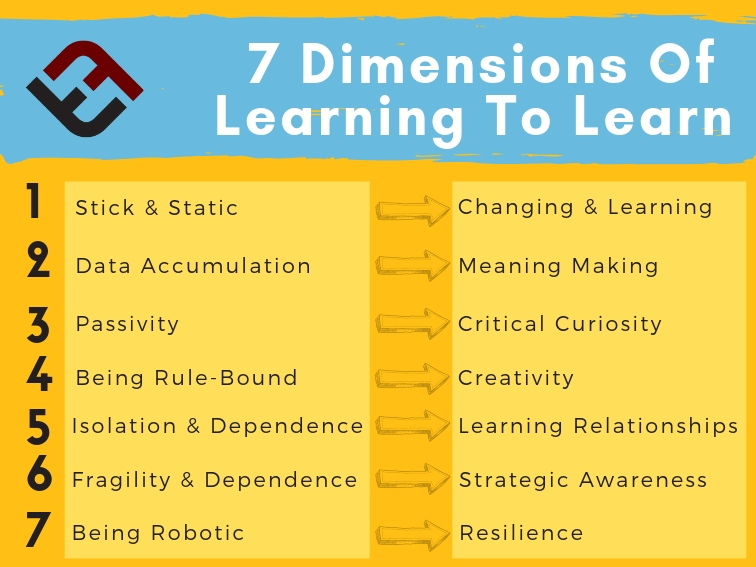
Making the shift in your mind — from learning content to learning how to learn — is important for these dimensions to be relevant.