A Glimpse At The BYOD Device Of The Future
A BYOD device of the future will surprise us with unimaginable functionalities that lay far beyond mere extrapolation.

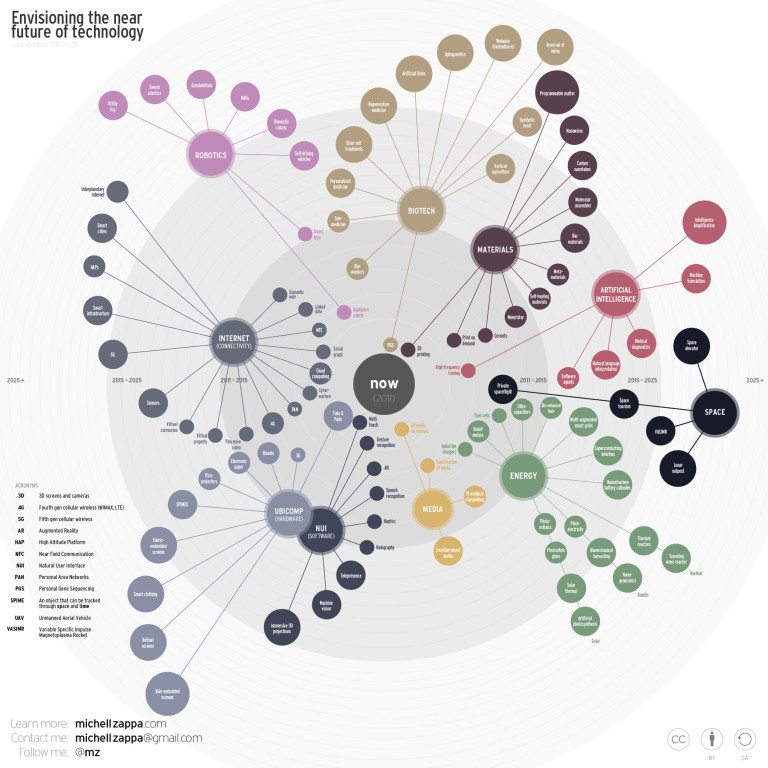
A BYOD device of the future will surprise us with unimaginable functionalities that lay far beyond mere extrapolation.
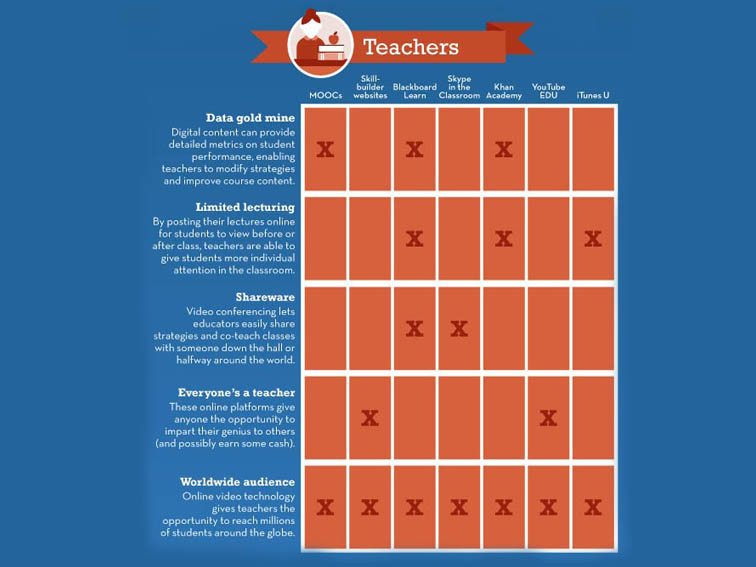
Education technology has changed what’s possible in learning. No longer are students confined to desks, textbooks, or even classrooms or schools. Today, a student has at least the potential for access to apps, an incredible catalogue of videos, podcasts, learning simulations, digital communities and so much more, all through a simple internet connection. The following…
I wrote (theorized? hypothesized? guessed?) the incredible ways technology will change education by the year 2028. It was based on current trends in education (e.g., eLearning and blended learning), society (e.g., economic downturns and population growth), and technology (faster, smaller, more connected everything). The following video from Masternewmedia.org has a similar goal of predicting the future of education…
How we learn is changing in response to a changing environment. 21st century learning is teeming with new ideas for learning pathways.
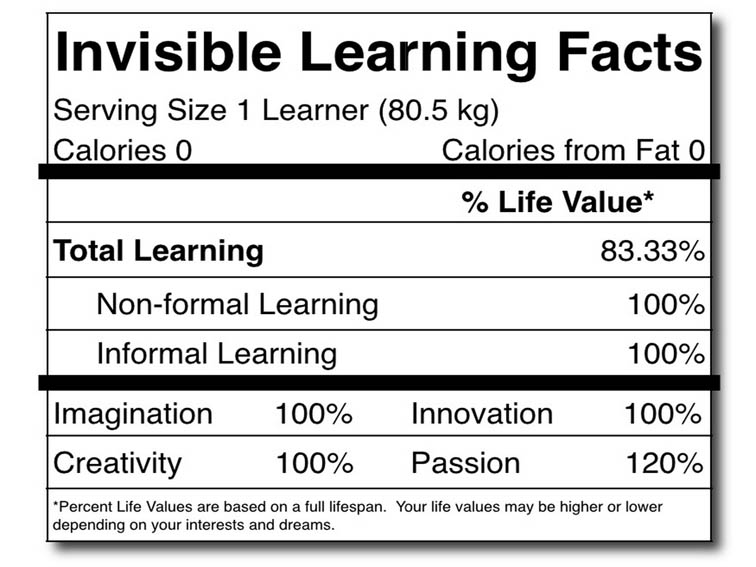
Invisible Learning: An Archetype For A New Ecology Of Education by TeachThought Staff In moving from traditional, tightly-bound direct instruction to something almost entirely self-directed and open, Invisible Learning almost sounds like a joke. It’s about as far from the current definition of “school” as you can get: Always-on learning–not scheduled into neat little categories, but…
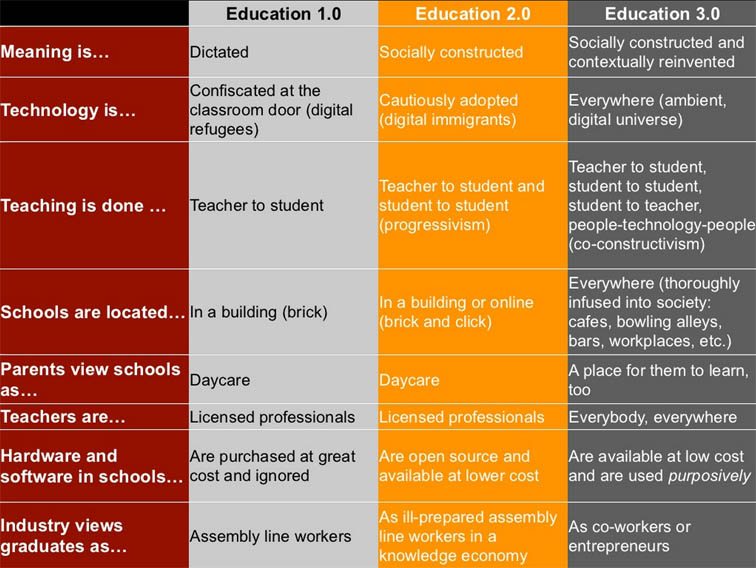
Education 1.0 (old way), 2.0 (current way), and 3.0 (future way). Education 1.0 was closed and industrial. 3.0 is open and ubiquitous.
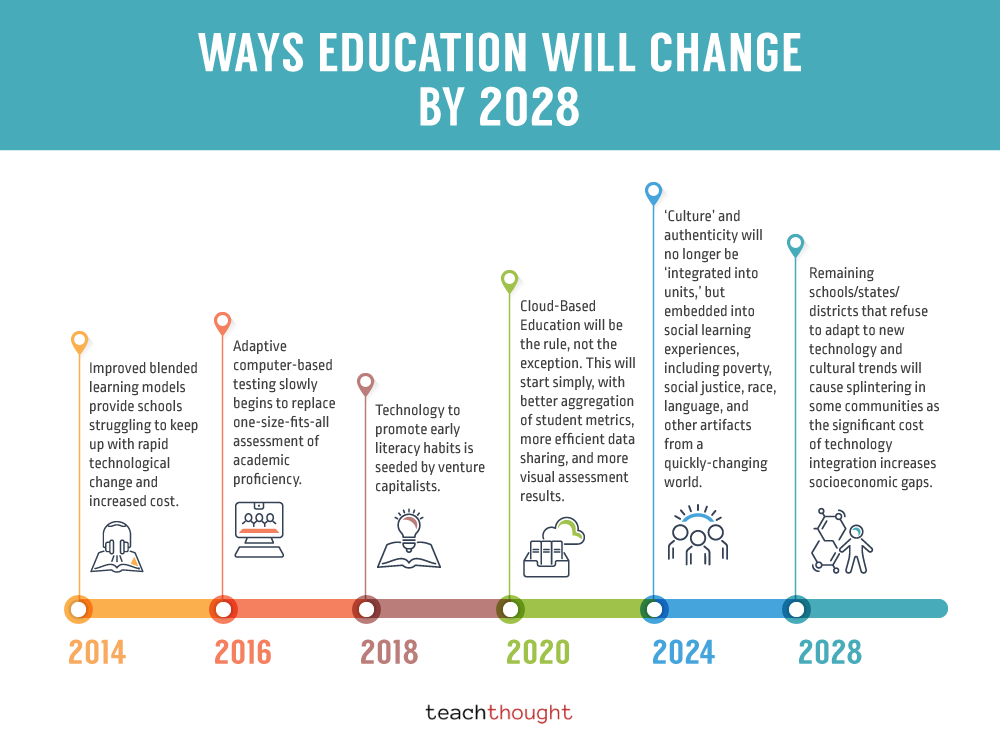
Adaptive computer-based testing slowly begins to replace one-size-fits-all assessment of academic proficiency.

There is little need to rehash the argument that public education–in the United States anyway–is utterly broken. For every student that “gets straight As and loves school” there is another is hopelessly lost, and five more than merely endure it. And that’s generously assuming that “straight As” are an indication of having their personalized learning…
4 Tips For Transitioning Your Classroom To Digital Media by Terry Heick For years you’ve taught with physical texts. You may have watched used film, downloaded the occasional computer program, and even brought students up to the smartboard for some dragging and dropping, but for the most part, your classroom has been centered around physical…
While there’s no denying that progress is a wonderful thing, the rate at which the world is changing is creating an environment in which objects that were commonplace to today’s parents will be virtually unheard of when their babies become adults. These are 10 simple things that Generations X and Y took for granted, but…
The ‘next generation’ of successful schools will focus on teaching students as individuals, not as members of a group.
![How Data Mining Can Work In Education [Infographic]](https://www.teachthought.com/wp-content/uploads/2013/01/data-mining-fi.jpg)
One of the most polarizing trends to emerge from the rapid growth in technology over the last decade or so is the concept of data. The easy part is its accessibility. When things are digital, they’re simple to save, share, analyze, and repackage. This can be either good or bad, depending on what data is…
How Are Digital Platforms Disrupting Learning? by Terry Heick Media is becoming increasingly digitized, and we learn through, among other processes, consumption of media. It makes sense then that digital platforms just might be changing the way learning happens. A “platform” can be defined as an app, a website, an eLearning environment, or a collaboratively…
Perhaps the biggest misconception that one can have about 21st century learning is to think of it as a single reform program.