8 Technologies Influencing eLearning Today
Technologies influencing eLearning include social learning, video, adaptive algorithms, and microcourses and credentials.


Technologies influencing eLearning include social learning, video, adaptive algorithms, and microcourses and credentials.

I recently learned that Poïesis is etymologically derived from the ancient Greek term ποιέω, which means “to make.”

In this card game, makers make something based on selected cards in three categories: . thing or product, process, and population.
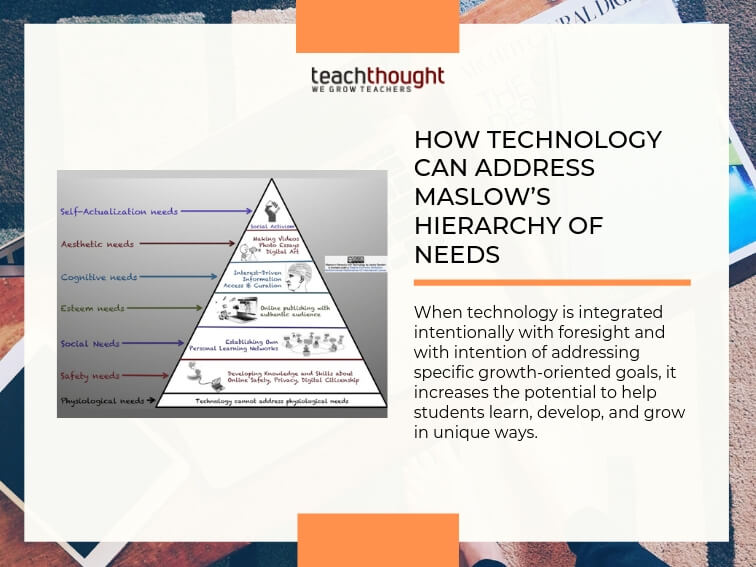
In an age of information abundance, learners can become empowered to access, reflect upon, and share knowledge they find valuable.

We can’t teach as fast as things change. Perspectives. Ideologies. Knowledge demands. Our collective cultural norms and biases.
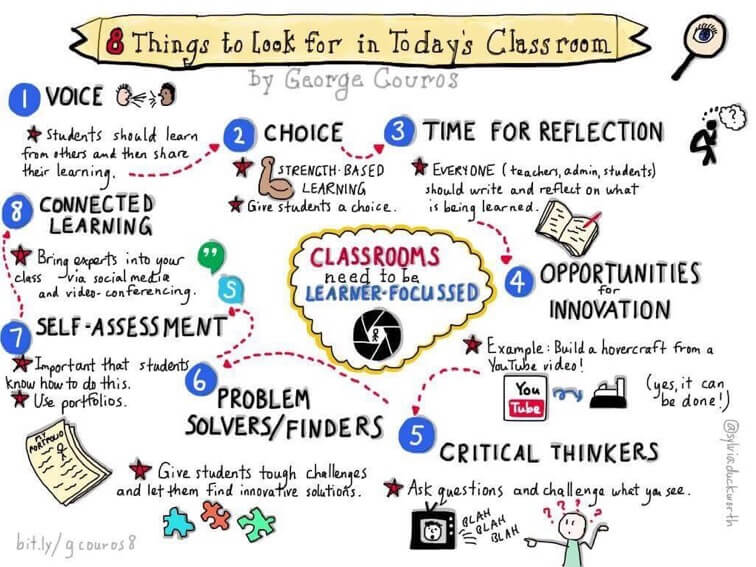
What are things you should look for in today’s classroom? We’ve added related tools and opportunities to Sylvia Duckworth’s visualization.
Technology is ubiquitous, fluid, and a matter of human experience. The crafting of things for our own use is ongoing and ever-evolving.
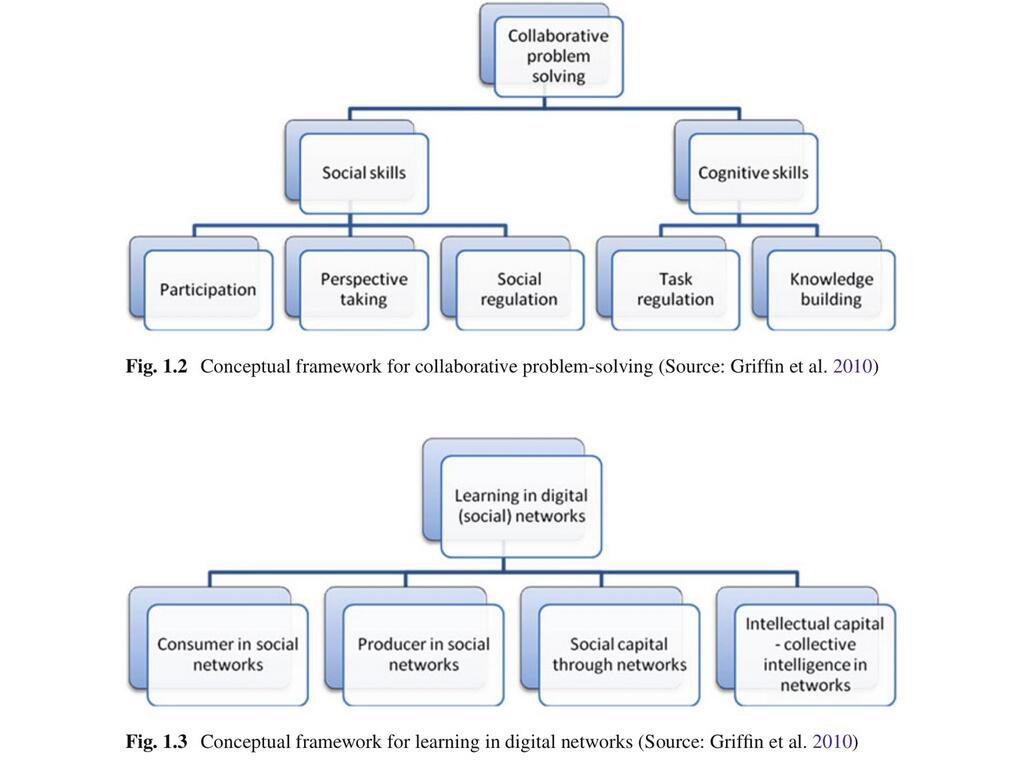
Consider the ‘collaborative problem-solving’ framework to guide your design of project-based learning or learning in digital networks.
It was June. My 8th grade classroom was sweltering with the summer heat and 32 anxious students ready to bolt to graduation.
On Demand platforms are utilizing technology in a way that the process of hiring is streamlined. What does the future hold for teaching?
The Golden Age Of Learning Technology by Terry Heick We are approaching the golden age of learning technology. In the same way that film in the 1930s through the 1950s was considered the golden age of Hollywood, and the 1950s and 1960s the golden age of television, teaching and learning with technology will likely hit…
Maybe apps can do everything a textbook can, but with the agility to enable sustained personalized instruction.
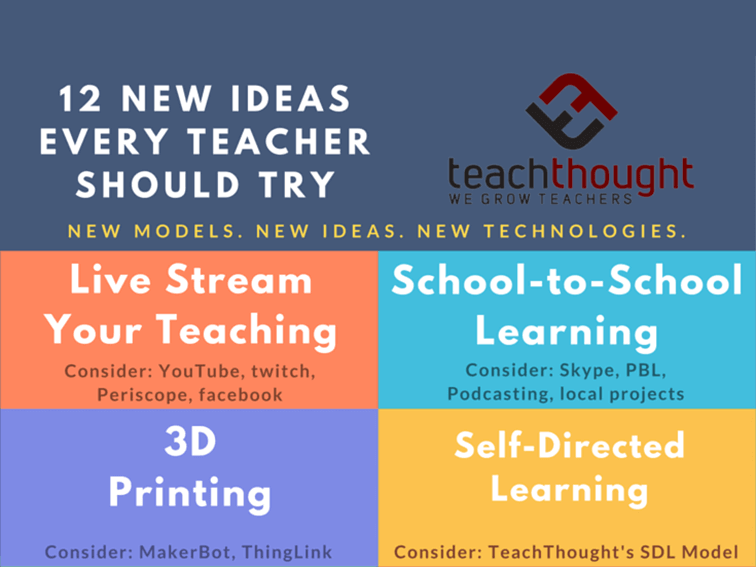
Looking for new and innovative ideas for your teaching? Here are 15 examples to get you started.

Every great school should not be ‘accountable,’ but rather ‘judged’ by the inclinations, tendencies, habits, and behavior of its students.