32 Research-Based Instructional Strategies
These 32 research-based instructional strategies include Setting Objectives and Reinforcing Effort/Providing Recognition.

These 32 research-based instructional strategies include Setting Objectives and Reinforcing Effort/Providing Recognition.

After researching, this stage of the inquiry process is centered around students clarifying both their own thinking.
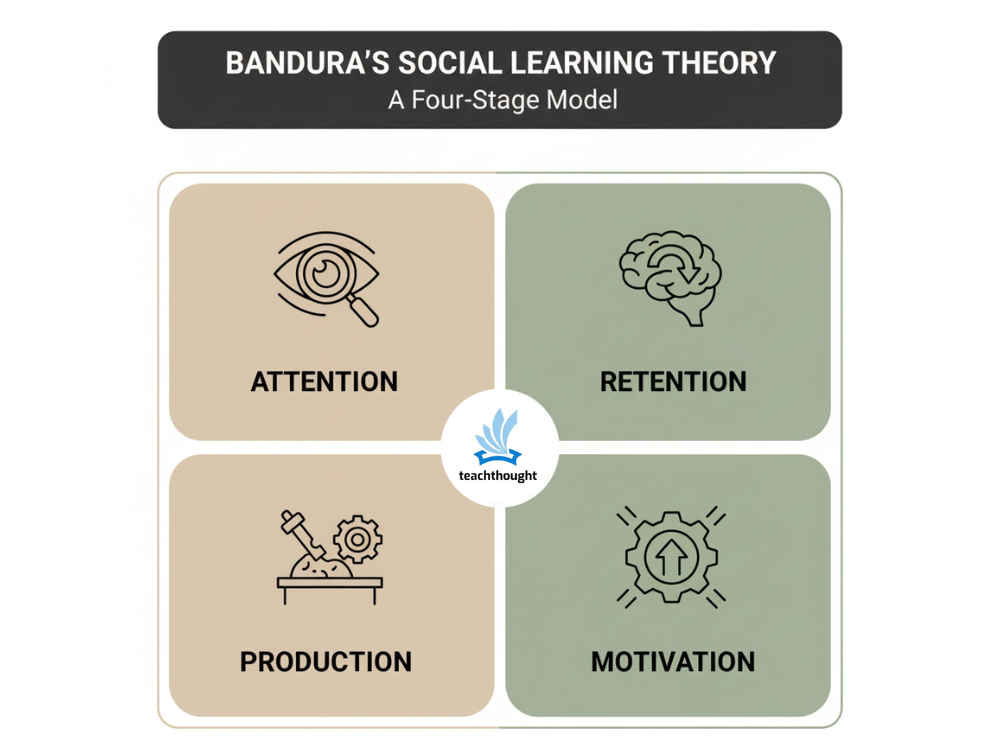
Bandura’s Social Learning theory explained that children learn in social environments by observing and then imitating the behavior of others.
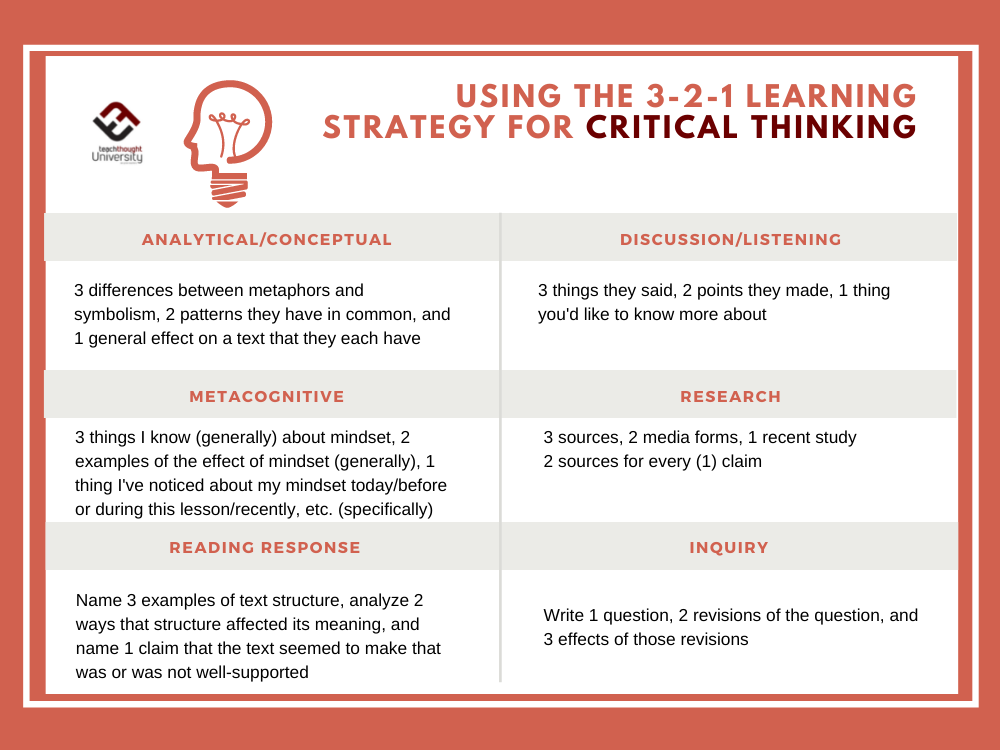
The 3-2-1 strategy is a simple way to frame a topic or task, making it useful for anything from discussion prompts to inquiry learning.
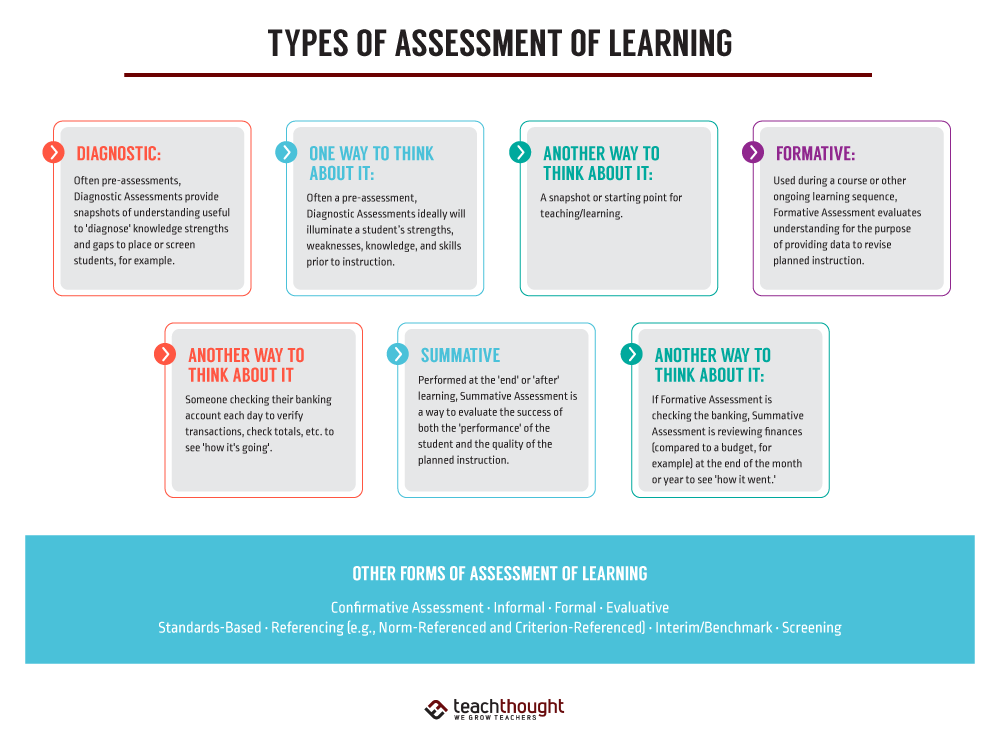
From formative and summative assessment to criterion-referenced and benchmark assessment, each type of assessment has a unique function.
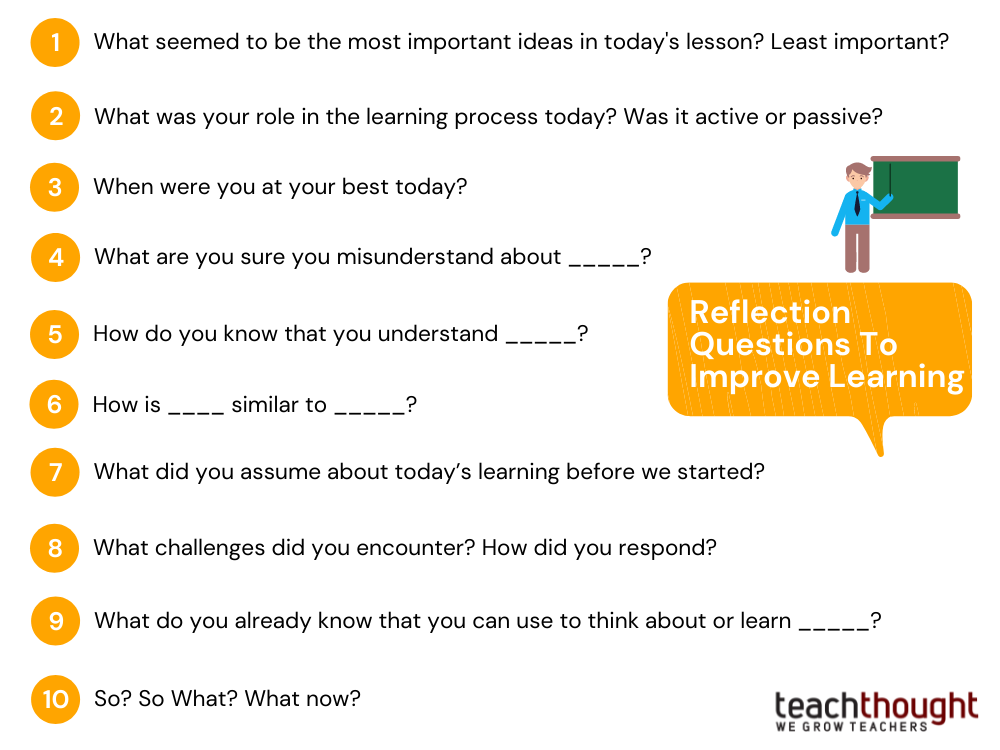
Were you an active or a passive learner? Of what you learned today, what are you most comfortable with and what is still ‘iffy’?
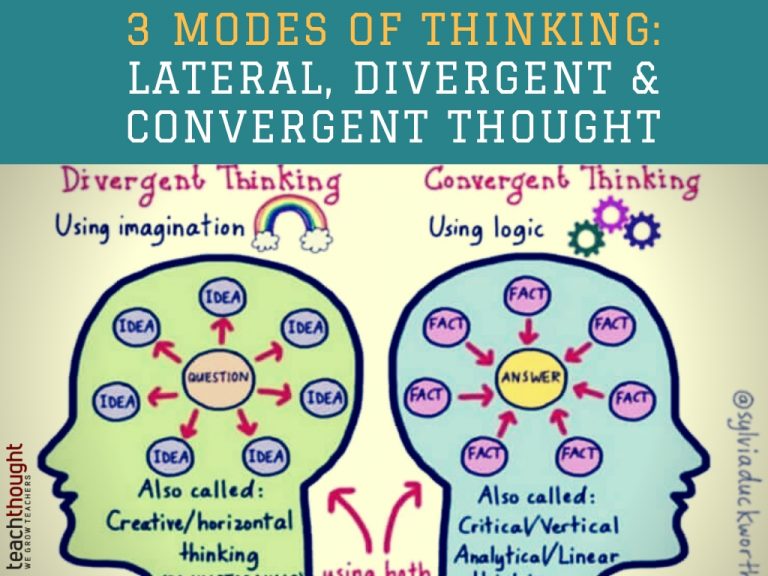
Lateral thinking solves problems via a creative approach involving ideas that may not be obtainable by using traditional step-by-step logic.
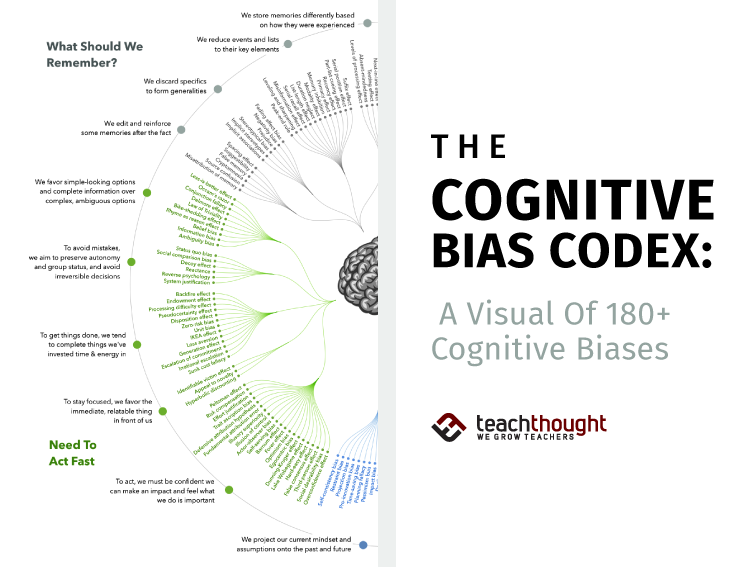
Cognitive biases are tendencies to selectively search for or interpret data in a way that confirms one’s existing beliefs.
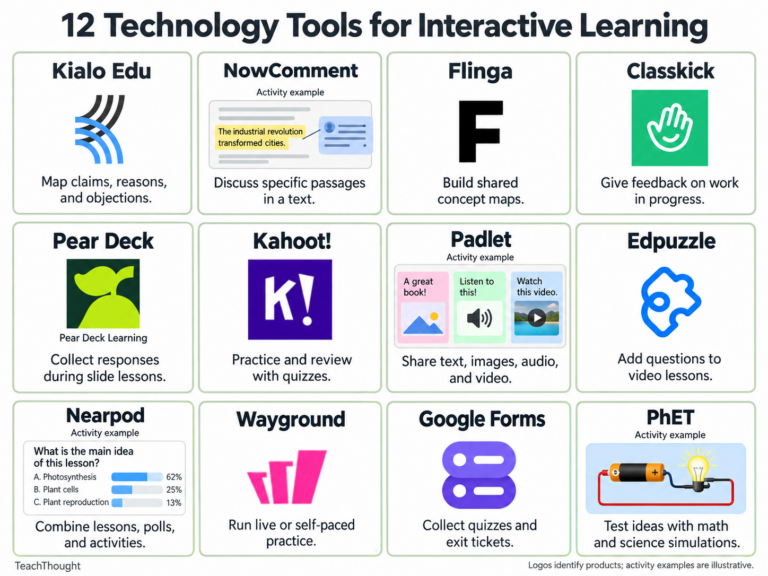
Some of the more popular interactive learning tools include Kahoot!, Flip, Quizziz, and Nearpod, all designed to make learning interactive.
While iOS remains the system of choice for most developers, learning with apps is as accessible on Android devices as it is on the iPad.
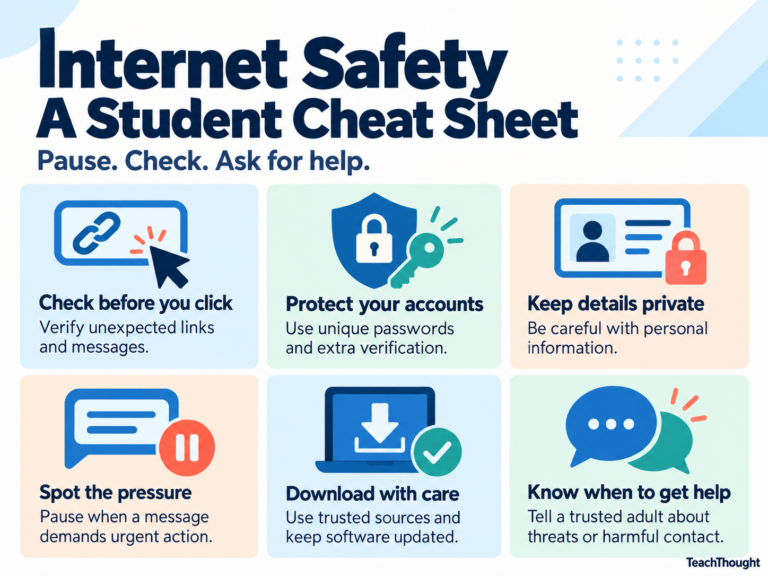
Internet safety is something many teachers-and worse, students-take for granted, and it doesn’t always begin with a clear threat.
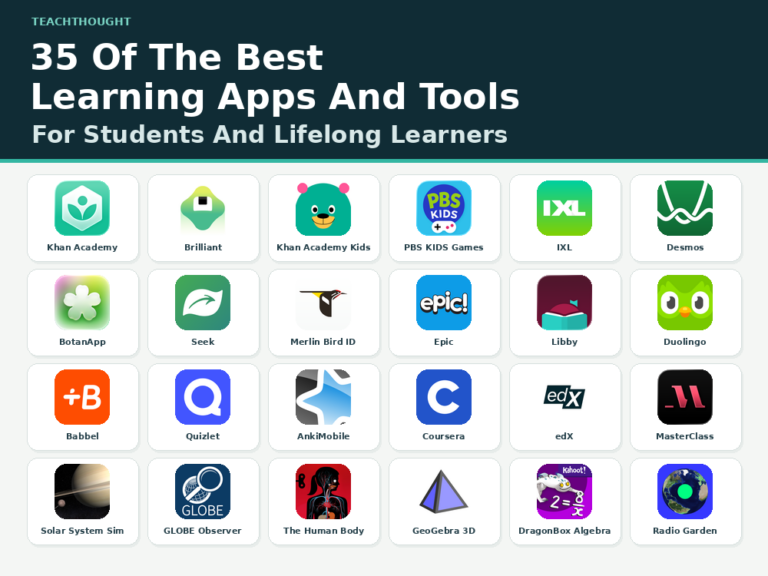
Brilliant, IXL, Seesaw, Khan Academy, FlipGrid, and Marco Polo are just a few of the best learning apps for 2027.
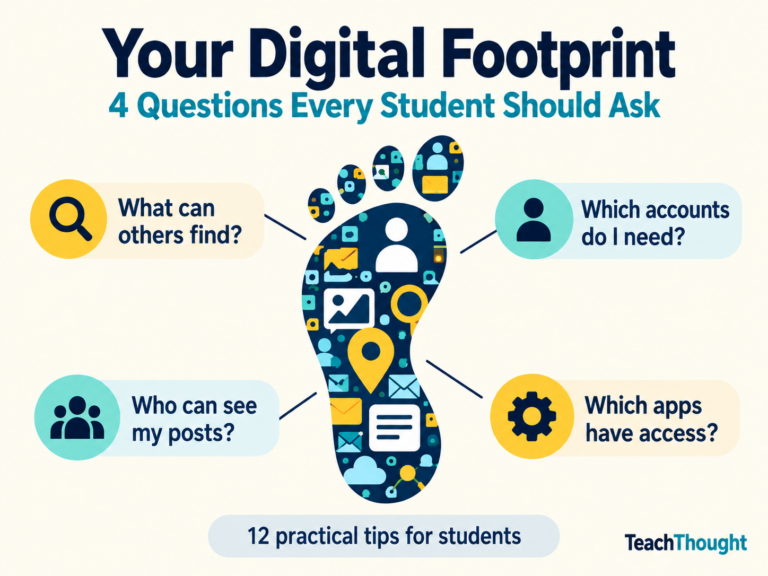
Helping students learn to manage their digital footprints starts with helping them understand how they’re vulnerable, then how to address it.

What is the effect of your work? Did you choose your work, or are you doing it under compulsion as the way to earn money?
AI literacy should include the energy and resources behind AI, helping students decide when its benefits justify its environmental costs.

A school cell phone policy works best when teachers use predictable consequences, neutral language, and consistent enforcement that preserves relationships.
Quiet children do not need faster labeling; they need more accurate seeing.
Whether you’re introducing students to concepts (e.g., Pi) or skills (e.g., dividing fractions), here are 12 of the best math apps for kids.
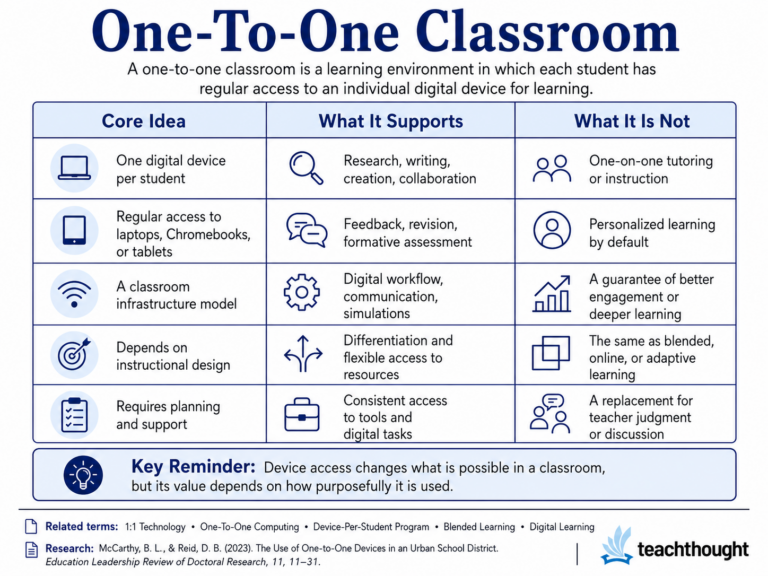
A one-to-one classroom is most often a classroom where each student has ongoing access to an individual digital device.

In many math classrooms, mistakes in math classrooms have been seen as something to avoid, hide, or quickly fix.
Before students can understand anthropomorphism in AI, they first need to recognize it in the world around them.

For one story, open it in the Archive, tap the options menu and save it to the phone