20 Collaborative Learning Tips And Strategies For Teachers
By definition, learning is social in nature. Using different mediums, whether it be books, discussions, technology, we study and make meaning together.
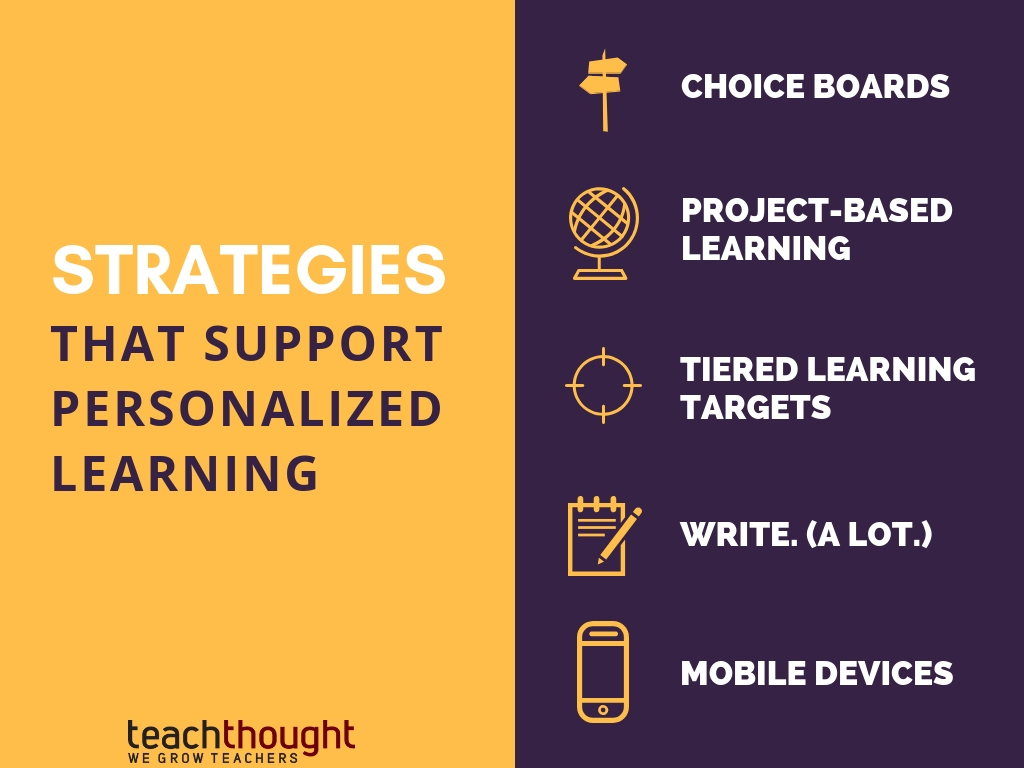
Differentiation in project-based learning can be supported through the use of protocols and intentional assessment practice.
Marzano’s 9 Instructional Strategies include non-linguistic representations, generating and testing hypotheses, and summarizing.
So many trends in learning are repackaged approaches teachers have seen before, and when that trend appears different, its results are not.
Deeper Learning is a set of student outcomes that includes mastery of essential academic content, thinking critically, and solving complex problems.
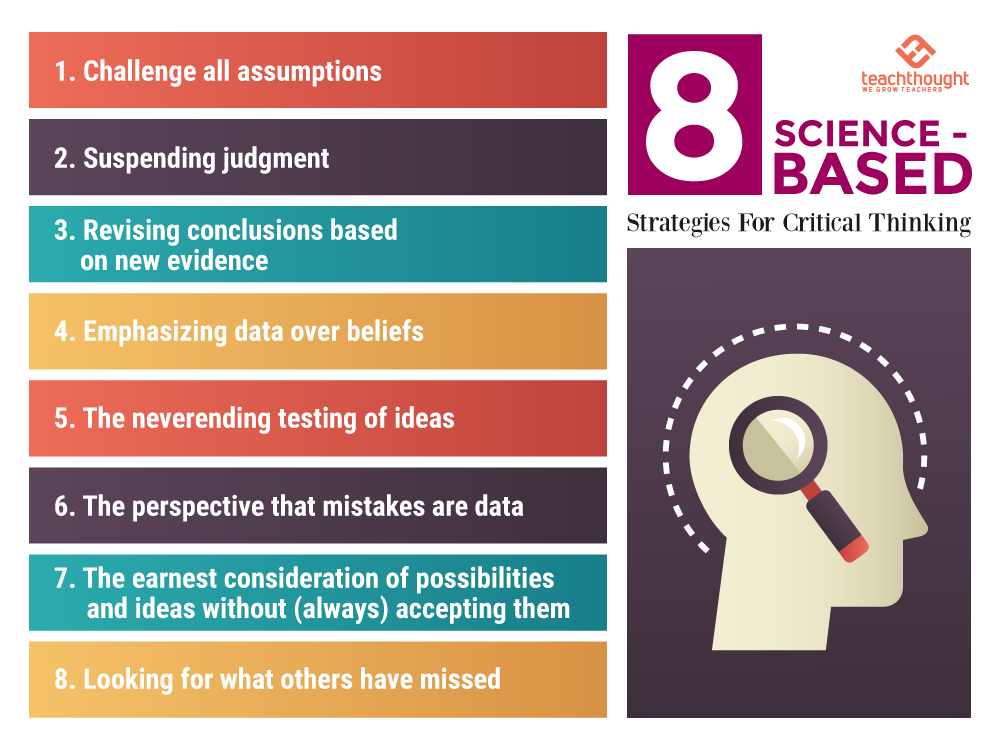
Psychology-based strategies that help students learn include modeling, student choice, and a clear sense of progress in the learning process.
5 Movement Strategies That Get Kids Thinking contributed by Kenny McKee Each day more research confirms the link between movement and learning. Brain researcher David Sousa claims that physical activity increases the amount of oxygen in our blood, and this oxygen is related to enhanced learning and memory. A Washington Post article suggests that many…
Understanding the brain’s structures, reactions to sensory input, and storage of information is crucial for understanding how people learn.
Scaffolding, encouraging discussion, modeling exemplars — here are a few ways to teach students how to research without Google.
Video is a pedagogical goldmine. What ‘viewing comprehension strategies’ can students use during and after watching videos in class?
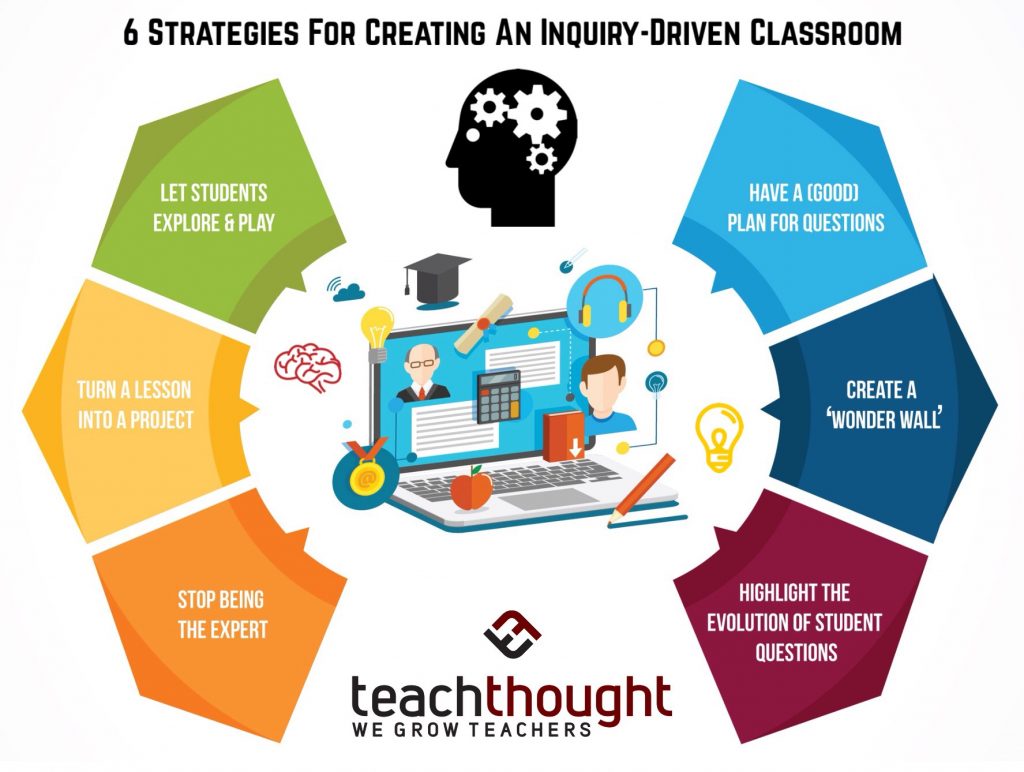
Among the benefits of inquiry-based learning, requiring the student to take an active role in the process may be the most significant.
The HBM focuses on effective ways to influence student perception re: sex ed & increases their odds of making positive sexual health choices.
Deductive Thinking Can Drive Student-Designed Research by Jane Healey, Ph.D. I specialize in an odd subject—research. I teach students to select a subject area, pick a topic, craft a question, design a prospectus, follow through on the plans, adapt to obstacles and “interesting” findings, organize results, and create an appropriate outcome that matches the content and…
Laboratory neuroscience research cannot be proof of what will happen in a classroom or with any one student.