The Difference Between Inference & Prediction
Understanding the difference between inference and prediction is one of classic challenges in literacy instruction.

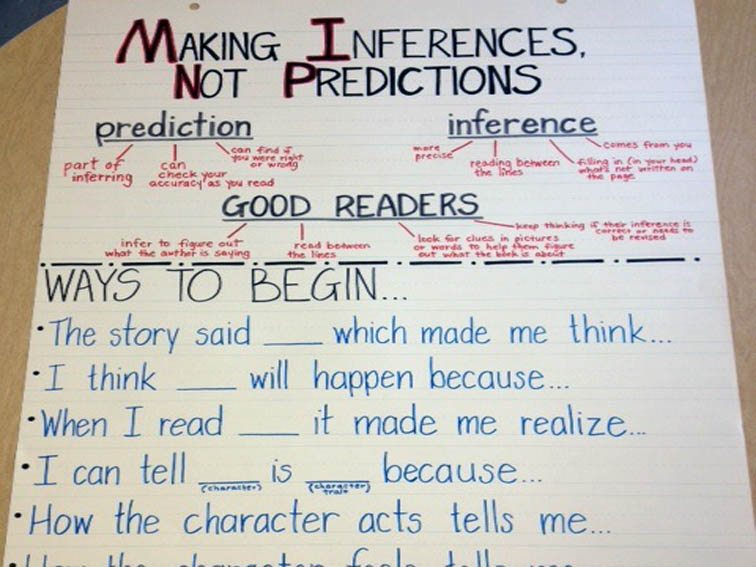
Understanding the difference between inference and prediction is one of classic challenges in literacy instruction.

Why might you need alternatives to Bloom’s Taxonomy? While wonderful, it neglects important ideas that see the whole child.
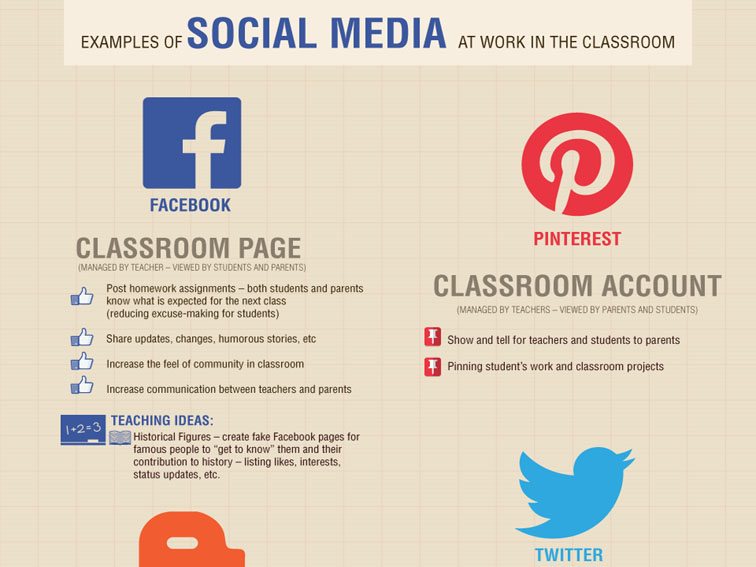
Six examples of social in the classroom include using a private Instagram account to create photo journals.
From RSS readers to social readers, this list has to have something that can improve the efficiency of what you do.

Bandura’s Social Learning theory explained that children learn in social environments by observing and then imitating the behavior of others.

Schools long ago broke the world into categories and gamified its study with points, letter grades, and notions of progress and collaboration.

Teaching disruptively helps create learners who ask the right question at the right time for reasons that matter to them.

Acquire: To gain knowledge or skills through study, experience, or practice.

From reducing environmental damage to imagining new forms of government, here are 20 examples of project-based learning.

Learn the symptoms of childhood trauma in adulthood and practical, therapist-informed tips on how to heal as an adult and build a healthier, more grounded life.

Experiential Learning highlights the active role of the learner in making meaning from real-world or simulated tasks.

Education seeks to empower individuals, enabling them to think critically, embrace learning, and better themselves and their communities.

Actual access to Artificial Intelligence in the classroom only requires a web browser but what about teaching AI without technology?

Cognitive dissonance is the psychological discomfort that arises when an individual encounters a conflict between what they believe and how they behave, or between two competing beliefs.