How To Cite Social Media In Scholarly Writing [Updated]
Citing social media in scholary writing? For twitter: @Username. “Full text of tweet.” Twitter, Day month year posted, time posted, URL.

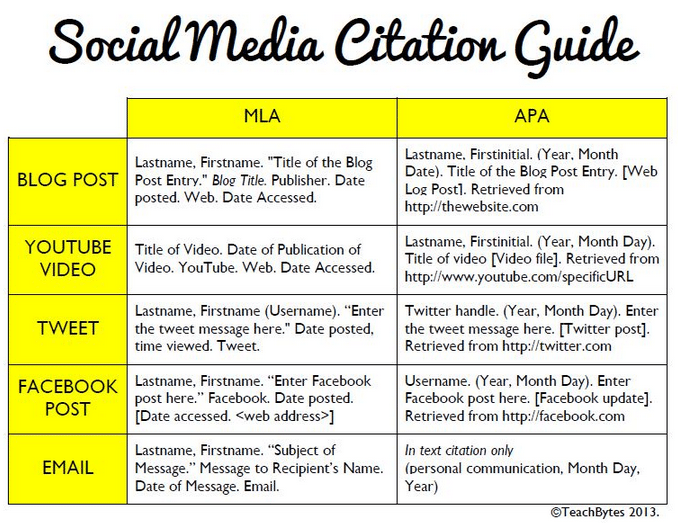
Citing social media in scholary writing? For twitter: @Username. “Full text of tweet.” Twitter, Day month year posted, time posted, URL.

It’s not surprising that education technology has undergone incredible change in the last 10 years. But what was it like before?

Examples of education tech include mobile devices, adaptive learning algorithms, the cloud, podcasting, and virtual reality.

Though a significant challenge in many settings, educators must actively question the data’s source, collection, and any algorithms’ outputs.

Teachers are the great translators of learning–mediators that speak in binary code for the system and in human tongue for the children.

To use the Gradual Release of Responsibility model, students need to see others using it and who better to model it but you?

Education research is great, but it has nothing on what you are able to see every day within your classroom.

When rethinking learning loss, we should consider ‘transferability’ of knowledge to student life.

A flipped classroom has students review new material at home and use class time to practice with teacher support.

Social media stalking is repeated, unwanted monitoring of someone’s posts, messages, or activity that causes discomfort or fear and may escalate to harassment.

Who is the audience? What do they care about? Which experiences prove it?

These sites, tools, and apps can save teachers time by allowing them to create simple quizzes and collect feedback from students.

From Afforai to Litmaps to ChatGPT, here are 26 free tools that support research, writing, and teaching for K–12 and higher ed educators and students.

Ambition precedes curiosity. Without wanting to change or grow, curiosity is simply a momentary neurological reaction to stimuli.