12 Articles About Critical Thinking
Critical thinking questions include, ‘Why is this important? What are the causes and effects of this? How do we know if this is true?”

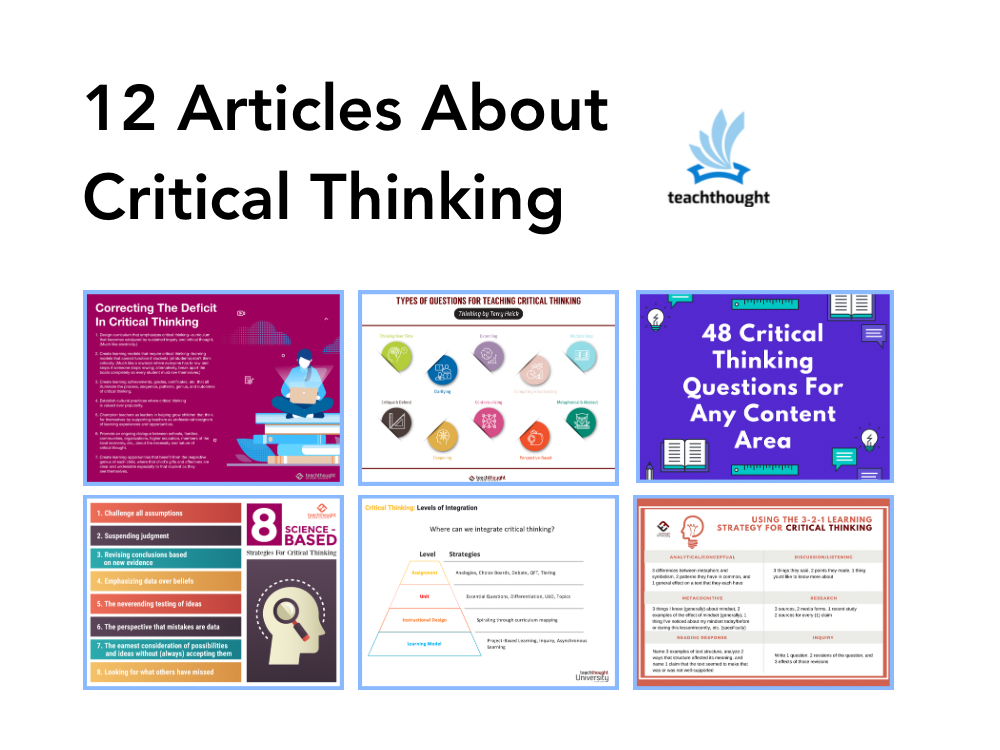
Critical thinking questions include, ‘Why is this important? What are the causes and effects of this? How do we know if this is true?”
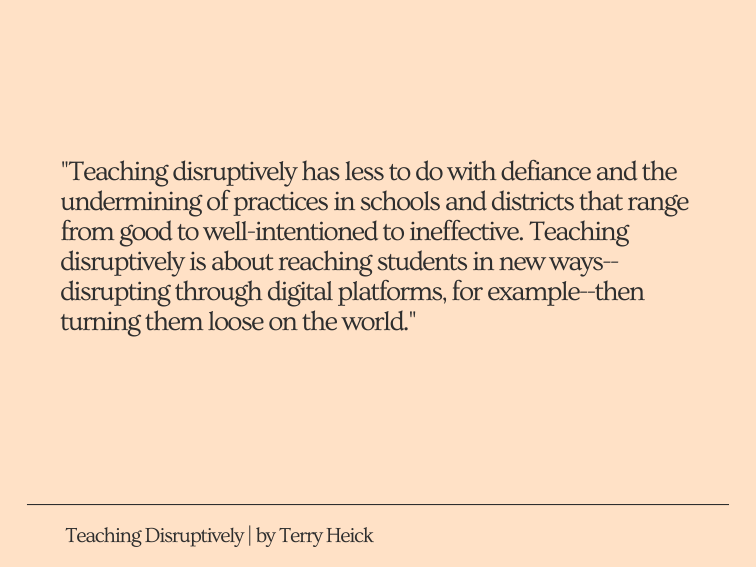
Teaching disruptively helps create learners who ask the right question at the right time for reasons that matter to them.
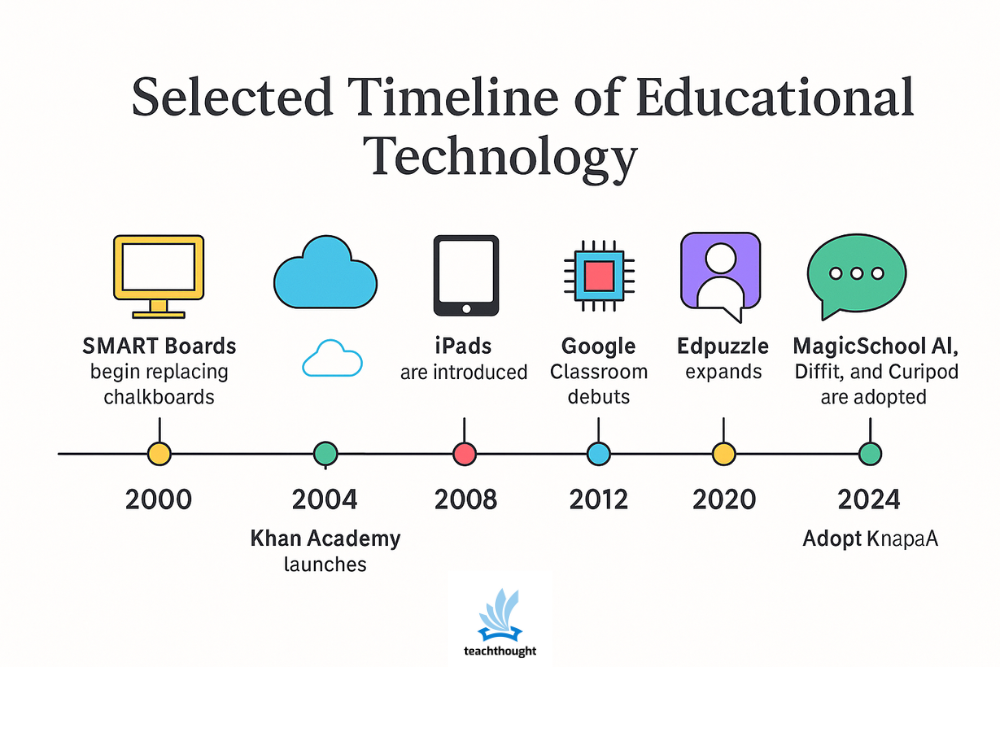
It’s not surprising that education technology has undergone incredible change in the last 10 years. But what was it like before?
Mental Health Dictionary – Mental Health Mental Health Key terms related to student and educator well-being, emotional regulation, and psychological conditions. 1. Affective Filter Definition: The affective filter is an emotional state of stress in children during which their brain’s limbic system, particularly the amygdala, becomes hyperactive. In this state of high stress or anxiety,…
Teaching Dictionary: Key Terms for K–20 Educators Teaching Dictionary A research-informed lexicon of key concepts for K–20 teaching and learning Table of Contents AI in Education Assessment Terms Classroom Management Terms Critical Thinking Literacy Mental Health Models and Frameworks Pedagogy Project-Based Learning (PBL) Social-Emotional Learning (SEL) Special Education Teaching Strategies Technology Dictionary AI in Education…
Assessment Terms Dictionary – Assessment Terms Assessment Terms Key types, principles, and tools that guide how student learning is measured 1. Anecdotal Records Definition: Brief, objective, narrative descriptions of specific student behaviors or incidents observed by a teacher. These records are typically gathered over time to provide a cumulative picture of a student’s development, learning…
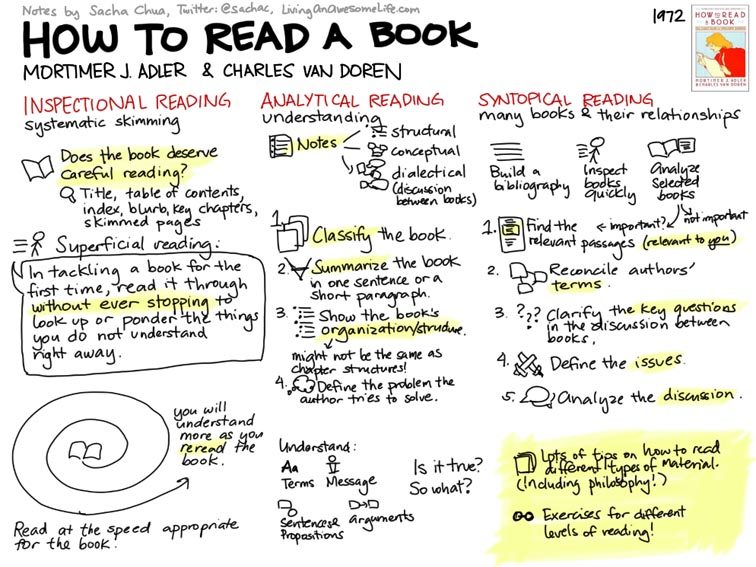
Critical reading includes ‘Inspectional Reading’: Reading with a focus on grasping the book as a ‘whole thing’–also called ‘Systematic skimming.’
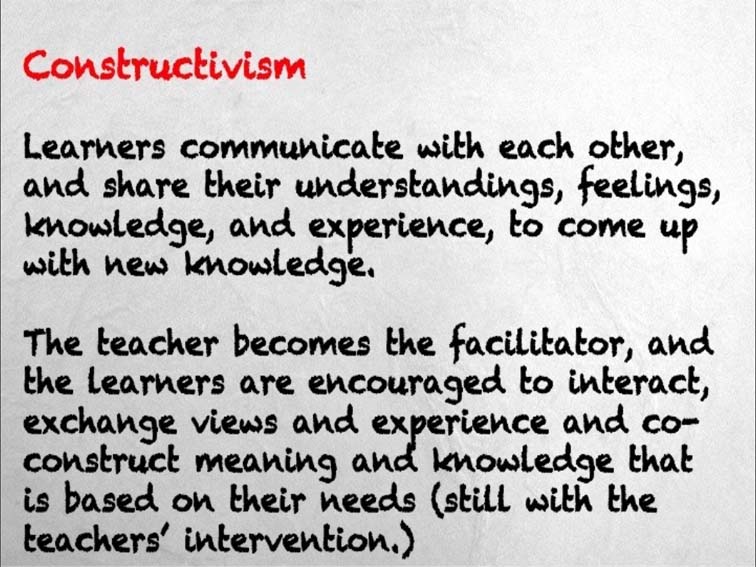
Connectivism is similar to constructivism. The difference lies in networks; rather than supplemental, they are primary sources.
Explore research-based critical thinking resources for K–20 educators, including strategies, Bloom’s Taxonomy verbs, analogy examples, and questioning techniques to strengthen student reasoning.
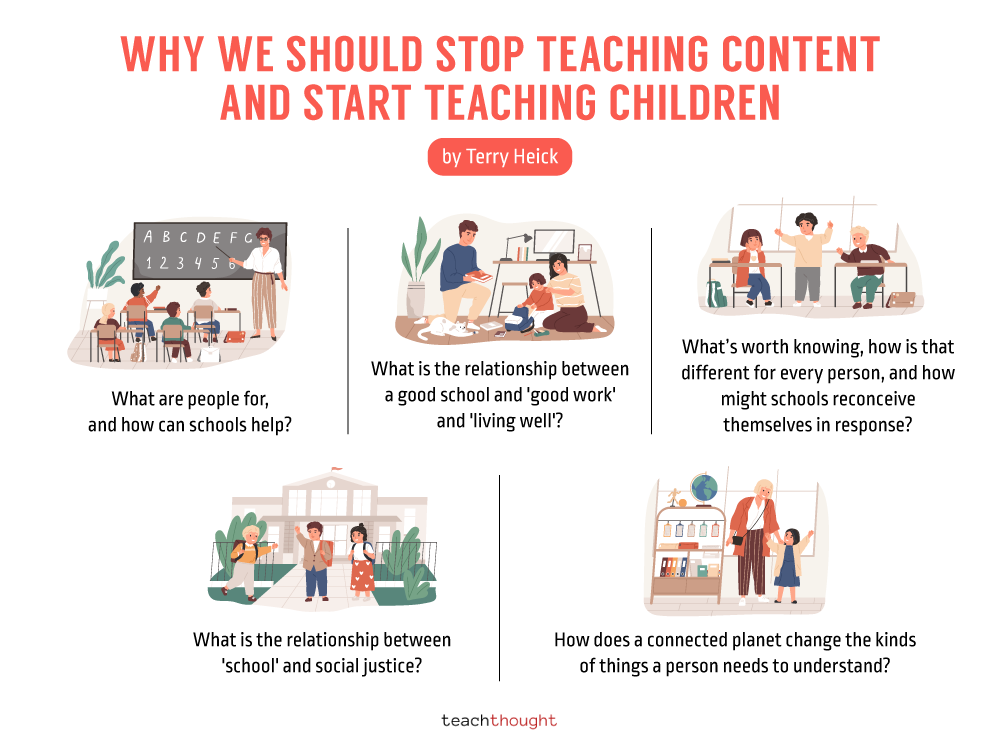
How is education changing? From blended learning to social justice, here are 20 questions to clarify your teaching for 2023.
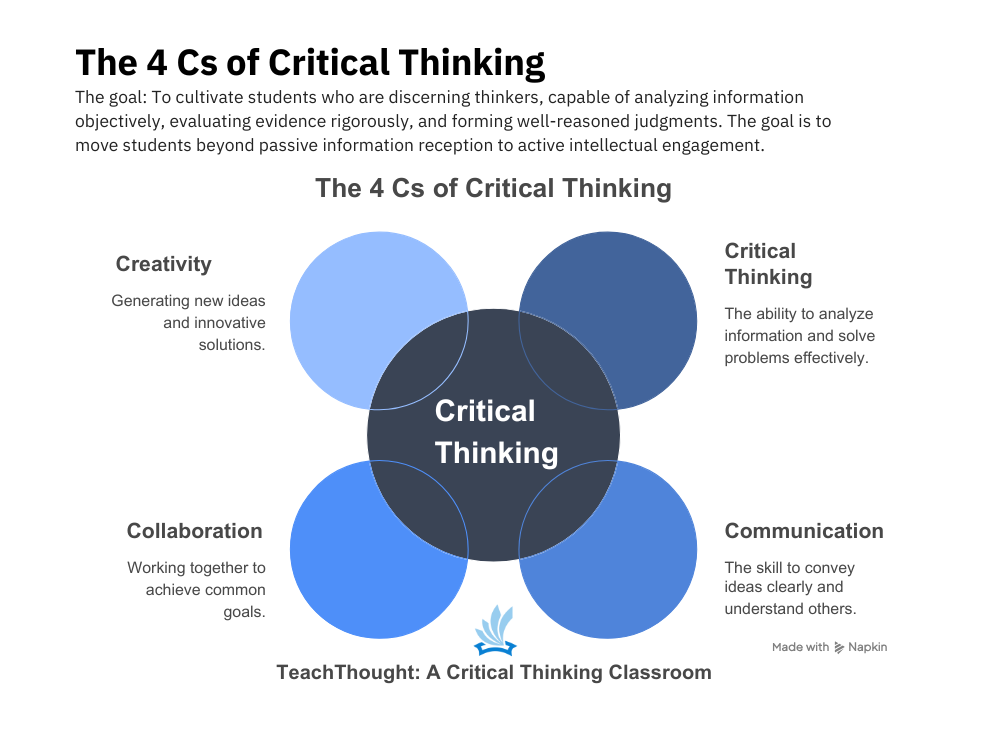
The 4 Cs of Critical Thinking: Critical Thinking, Communication. Collaboration, and Creativity.
You can’t keep feeding yourself the same things–the same ideas, forms, and perspectives–and expect to come up with something new.