Learning Is Non-Linear. Why Not Curriculum?
While we think in a linear way, learning is non-linear. Curriculum must center real-life problems & issues, vs. a linear set of competencies.

While we think in a linear way, learning is non-linear. Curriculum must center real-life problems & issues, vs. a linear set of competencies.
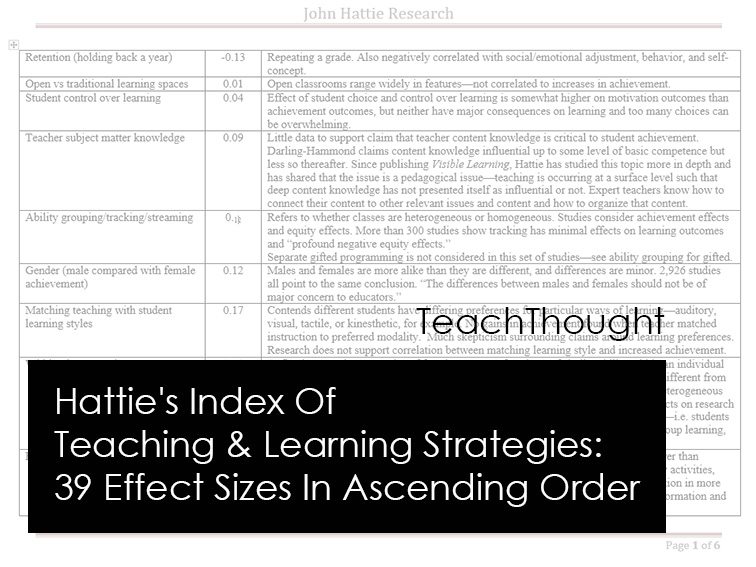
Hattie’s effect sizes in ascending order are not recommendations, but rather a comprehensive synthesis of a huge amount of data.
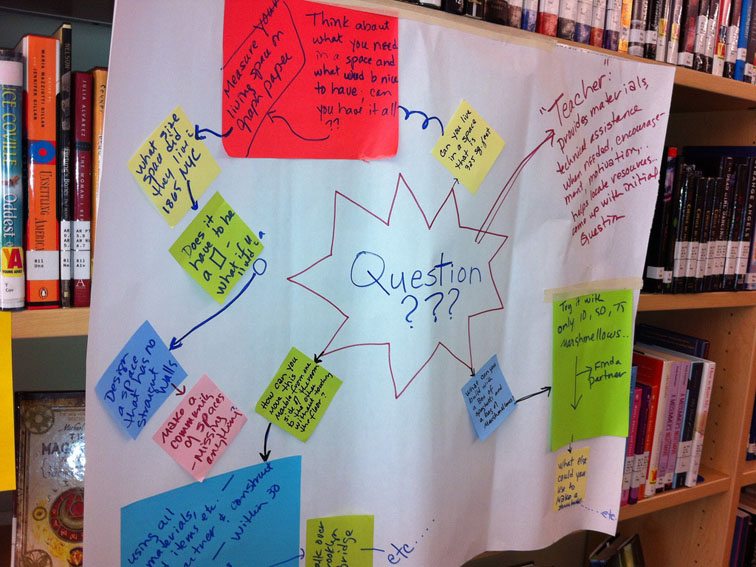
Deeper Learning: A Definition And A Free Course For Teachers The following is an edited transcript of an interview with Laura McBain and Ryan Gallagher of High-Tech High, a public charter school based in San Diego, on their upcoming MOOC, “Deeper Learning”, hosted by P2PU starting January 20, 2014. Interview by Charlie Chung of Class…
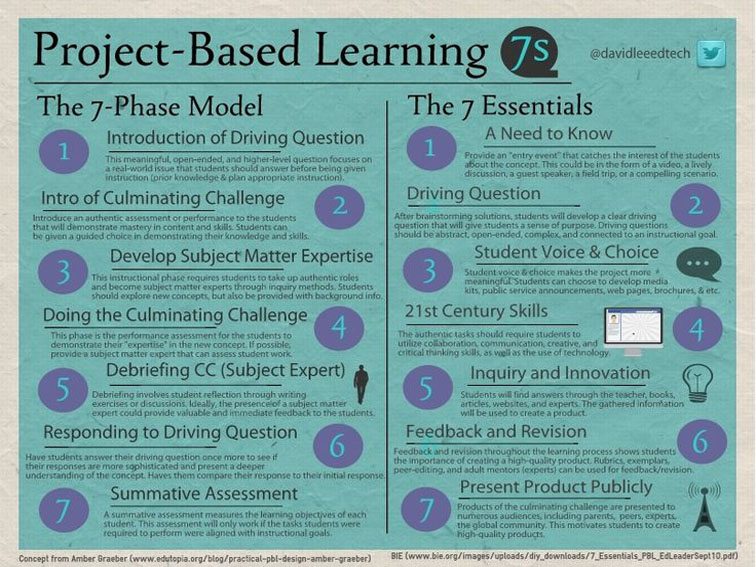
Student voice and choice, publishing, and a driving question are some of the essential ingredients of project-based learning.
It is the continual addressing of essential questions that moves us from naïve and okay teachers to skilled professionals teaching learning.
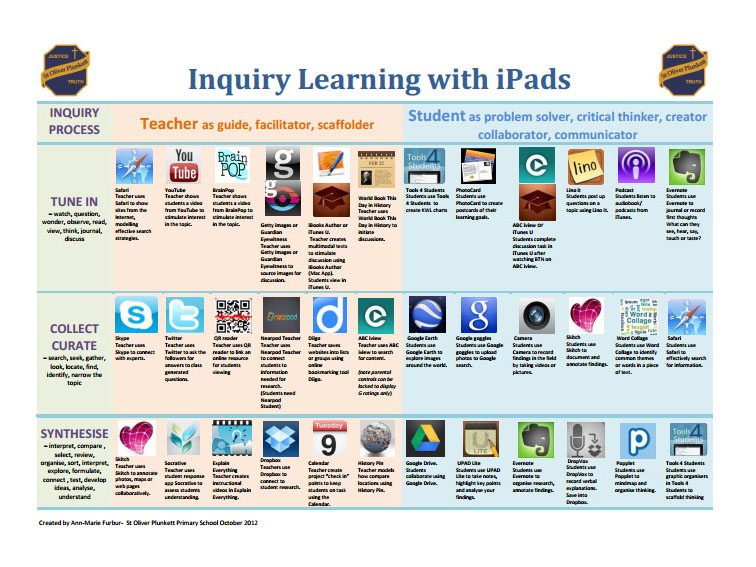
St Oliver Plunkett Primary School has shared two images that can help you populate your iPad with apps that support inquiry-based learning.
The overwhelming amount of information will surely impede learning for many students in the absence of teaching grounded in good curriculum.
Fai Walker, executive director of Return to Wholeness LLC, is the heart and soul of sustainability & PBL in some of NYC’s public schools.

Student-to-Material Interaction: Effective PBL Learning In The Online Or Blended Classroom In part 1 of this 6-part series, Thomas Stanley looked at an overview of blended learning, specifically the critical interactions of a blended learning model. In part 2, he looked specifically at student-to-student interaction, and the reality of synchronous and asynchronous access. In part 3, he looked at…
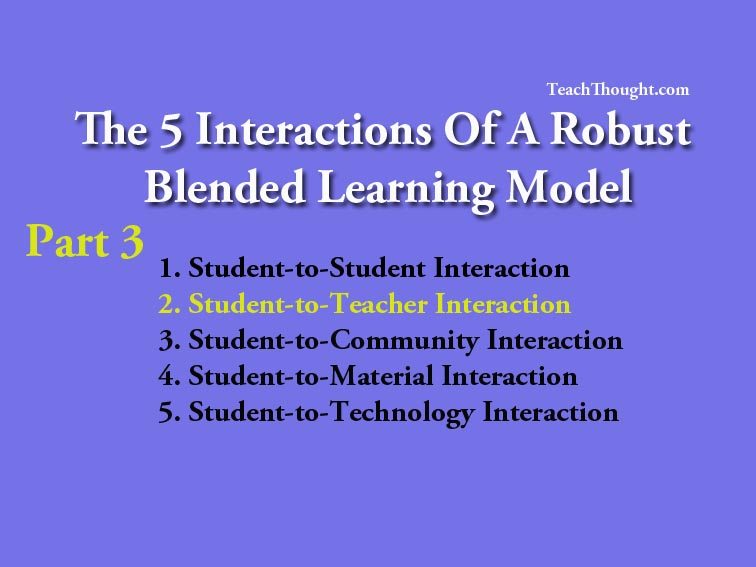
Moving From Teaching To The “Guide On The Side” In part 1 of this 6-part series, Thomas Stanley looked at an overview of blended learning, specifically the critical interactions of a blended learning model. In part 2, he looked specifically at student-to-student interaction, and the reality of synchronous and asynchronous access. In part 3 below, he takes…
There are, sometimes frustratingly, a number of ways to teach in the online world.
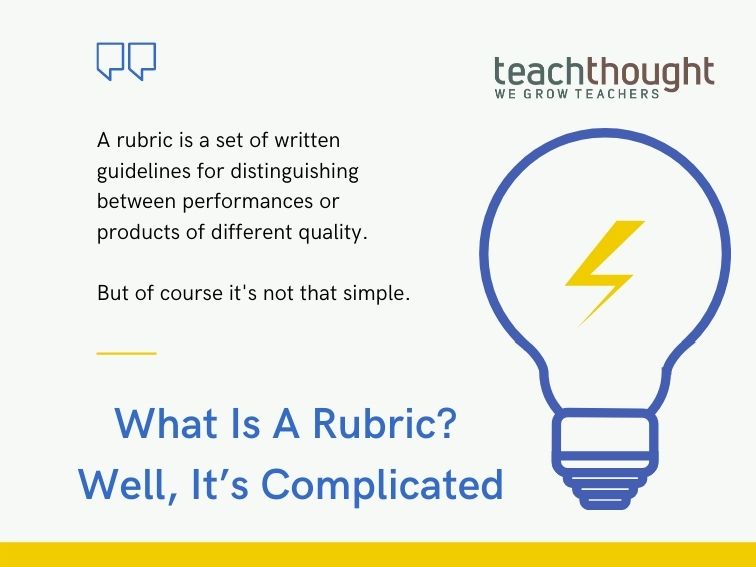
The problem with rubrics in learning is that they’re often subjective and their point systems are often arbitrary.
Dispositions are overarching sets of behaviors, not just single specific behaviors.
TeachThought Thinking Habits Framework Critical Reasoning and Judgment for every student. Twelve repeatable practices for better questions, clearer reasoning, and more thoughtful judgment. Explore the habits → Explore by topic. 01 Critical Thinking 02 PBL 03 Assessment 04 Literacy 05 Pedagogy 06 Technology 07 Dictionary 08 Thinking Habits Essential guides. Assessment A Quick Formative Assessment…