What Is Cognitive Constructivism?
In research-informed segments, theories like Social Learning can be tools for understanding how a child’s mind works.

In research-informed segments, theories like Social Learning can be tools for understanding how a child’s mind works.
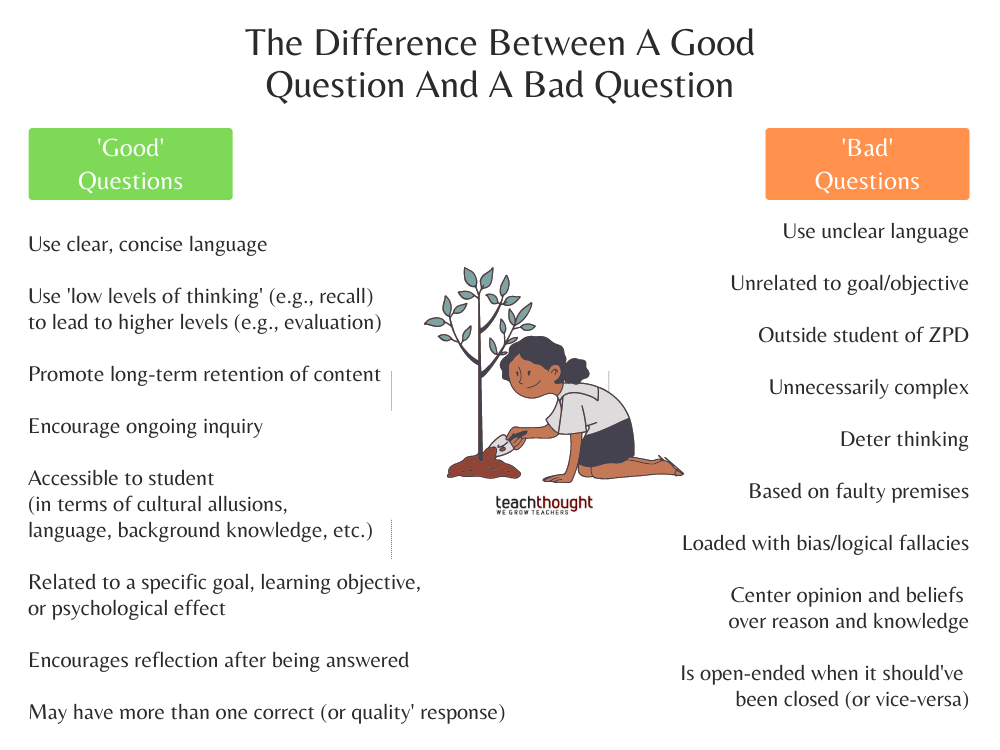
A question is only a strategy (for inquiry) and must therefore have a purpose if we want to evaluate its quality.

Explore how teachers use AI as a true instructional partner—improving differentiation, feedback, assessment, workload reduction and student engagement through real, proven classroom scenarios.
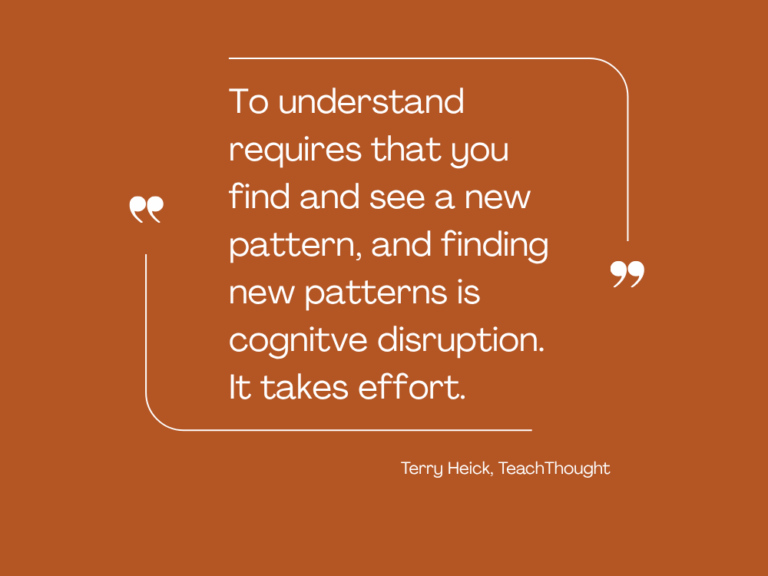
Everything around us is some kind of pattern and we look for them. That’s how minds work. Learning requires us to disrupt those patterns.

One afternoon, I asked a different question: “What would make school feel worth showing up for again?”
These are some of the best motivational videos for students to help with mindset and perspective–seeing the commonality in human experience.
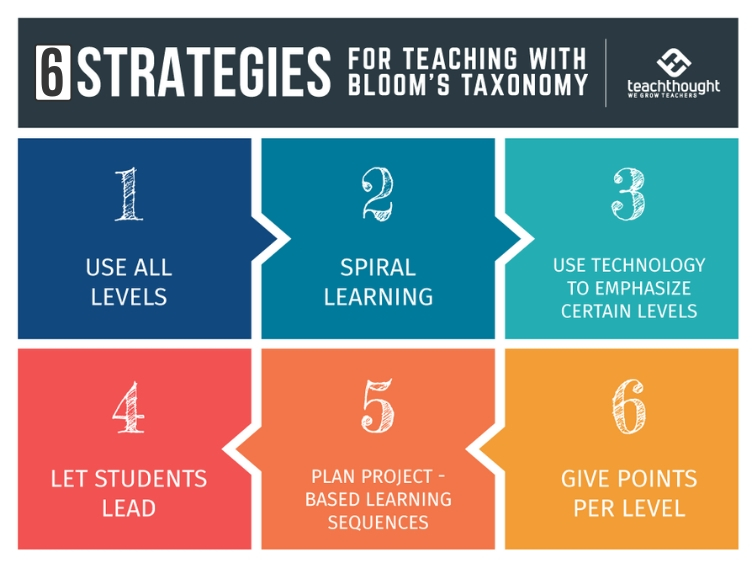
Bloom’s Spiraling is the process of starting first at lower levels of Bloom’s–recalling, defining, explaining, etc.–and then progressively increasing the level of thinking.
Teacher Dictionaries | TeachThought Teacher Dictionaries A collection of important definitions and terminology for teachers, researchers, and education professionals AI in Education Plain-English AI terms for teachers—models, prompts, data use, safety, and classroom context. Open Dictionary Assessment Formative/summative, rubrics, validity, reliability—clear definitions for evidence-based practice. Open Dictionary Classroom Management Routines, norms, restorative approaches, and supports…
Written by parents, CEOs, teachers, and admin, these best of the best education blogs stand out with their unique style & excellent content.
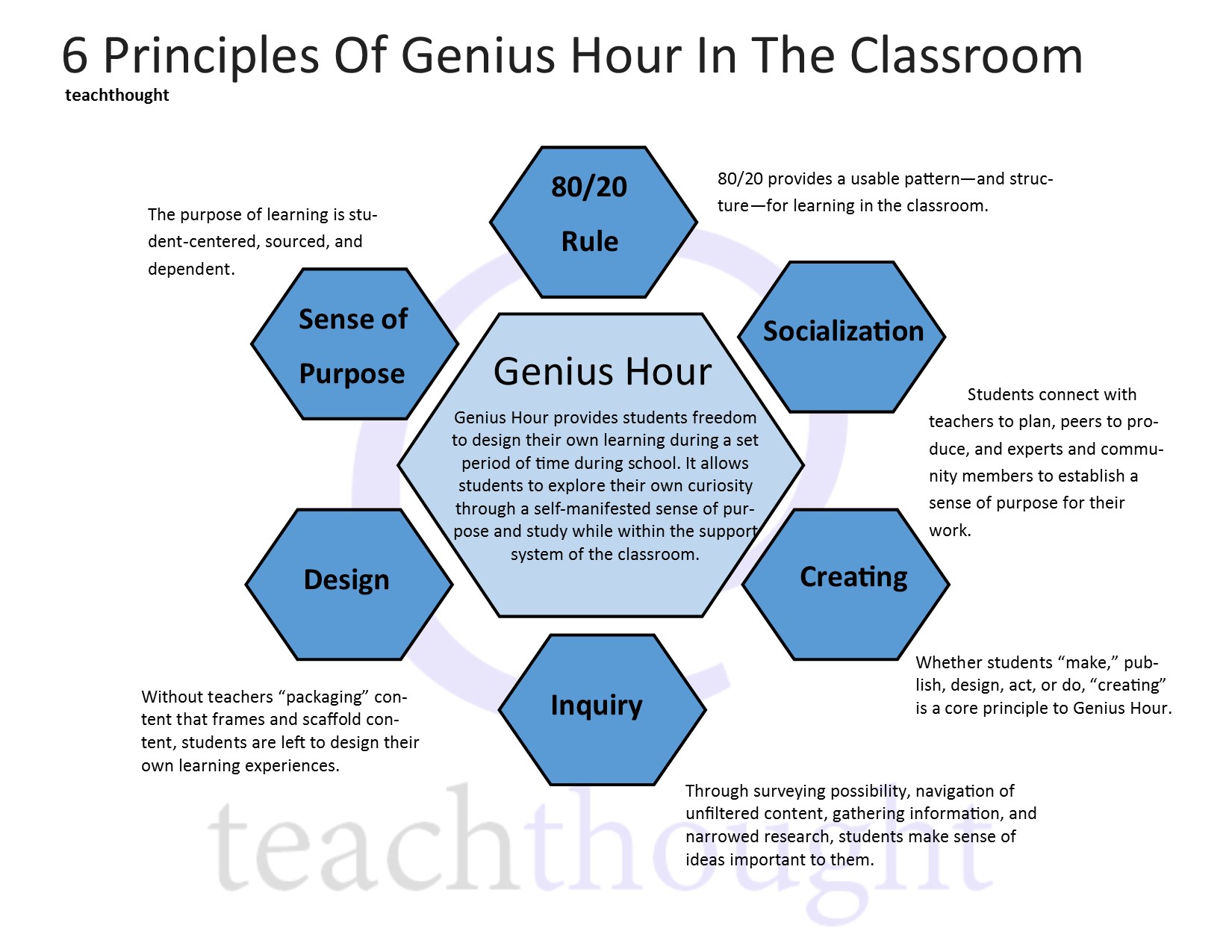
Genius Hour in the classroom is driven by curiosity. Critical principles include inquiry, purpose, socialization, and design.

Clear definitions and research on education technology, including history, theories, equity issues, and practical insights for educators and researchers.
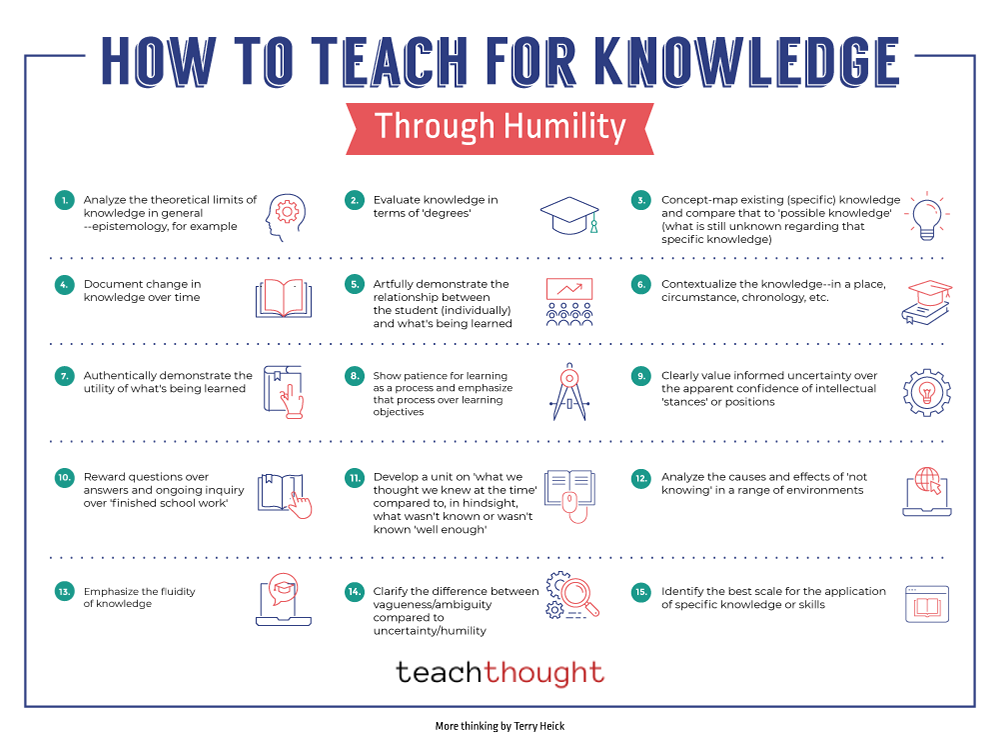
How would it change the learning process to start with a tone of humility? To clarify what can be known, and what cannot?
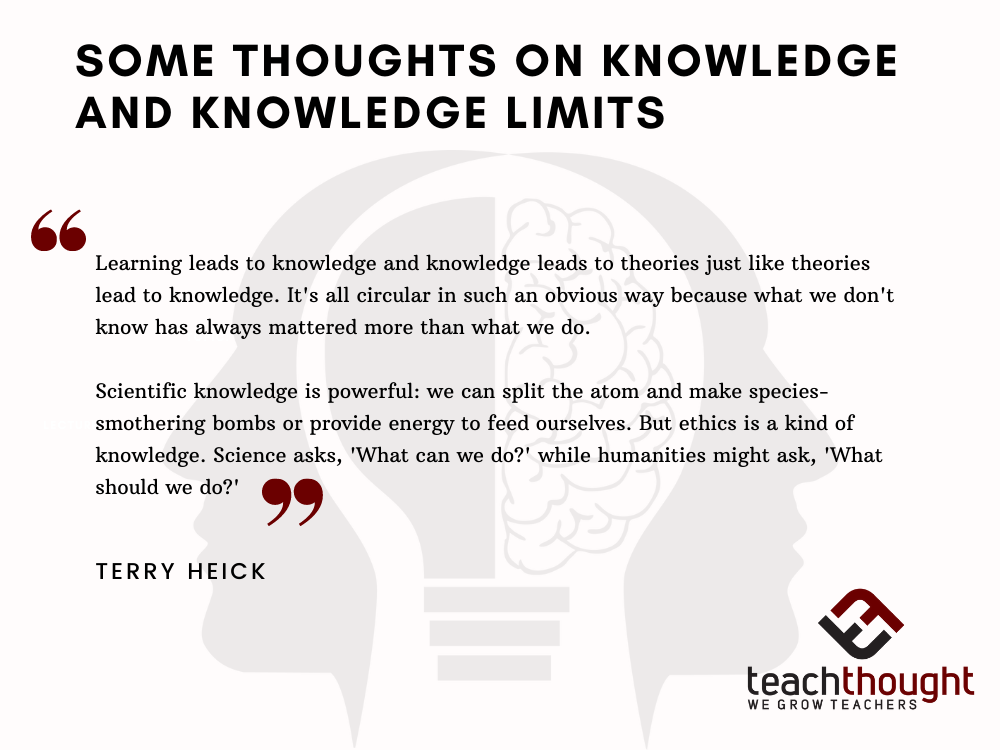
Learning leads to knowledge and knowledge leads to theories just like theories lead to knowledge. It’s all circular in such an obvious way.
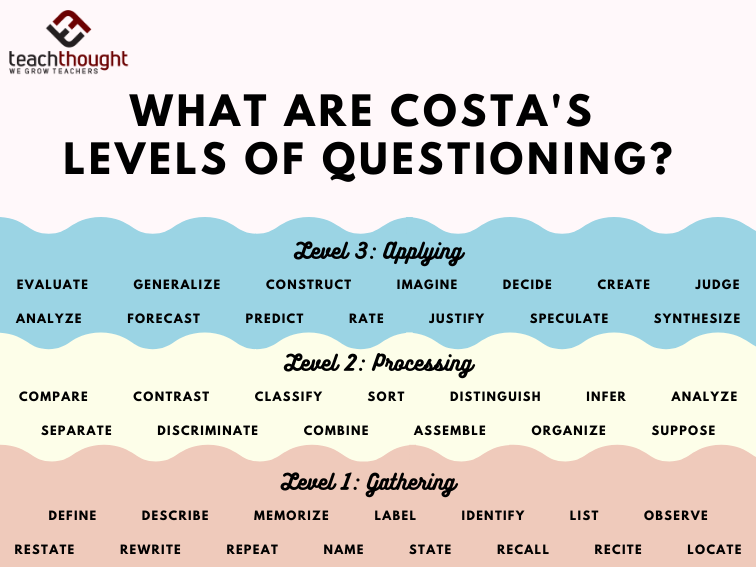
Costa’s levels of questioning feature three tiers of questioning designed to promote higher level thinking and inquiry.