Teaching Strategies For Maslow’s Hierarchy Of Needs
Maslow’s Hierarchy of Needs explores the idea that Individuals must satisfy lower-level needs before they can adequately focus on higher-level ones.

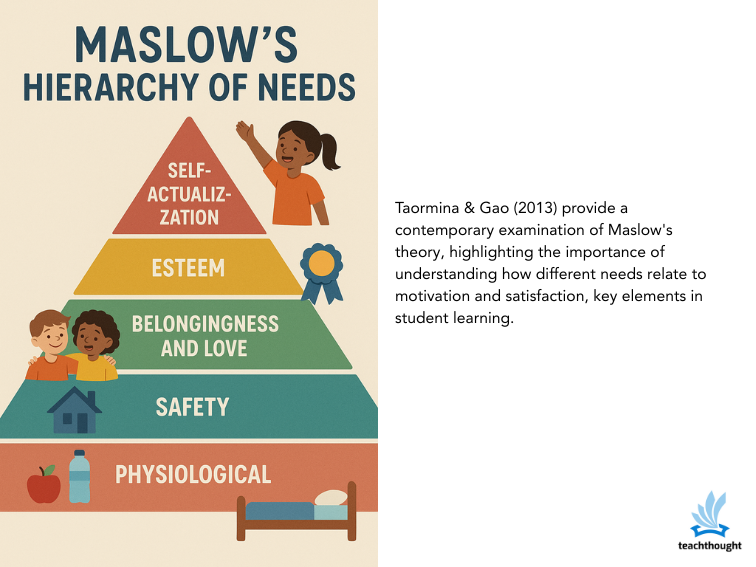
Maslow’s Hierarchy of Needs explores the idea that Individuals must satisfy lower-level needs before they can adequately focus on higher-level ones.
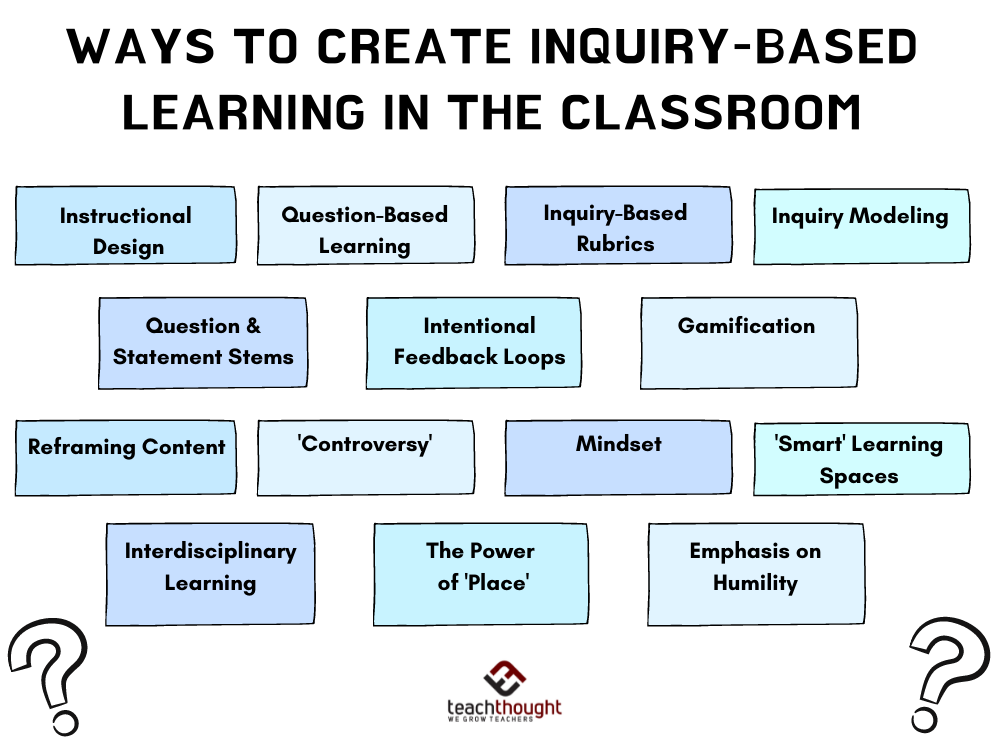
One obvious way to promote inquiry learning in your classroom is to design lessons and units that benefit from, promote, or require it.

This article explores ten innovative and evidence-based teaching methods that nurse educators can utilize to elevate their teaching.
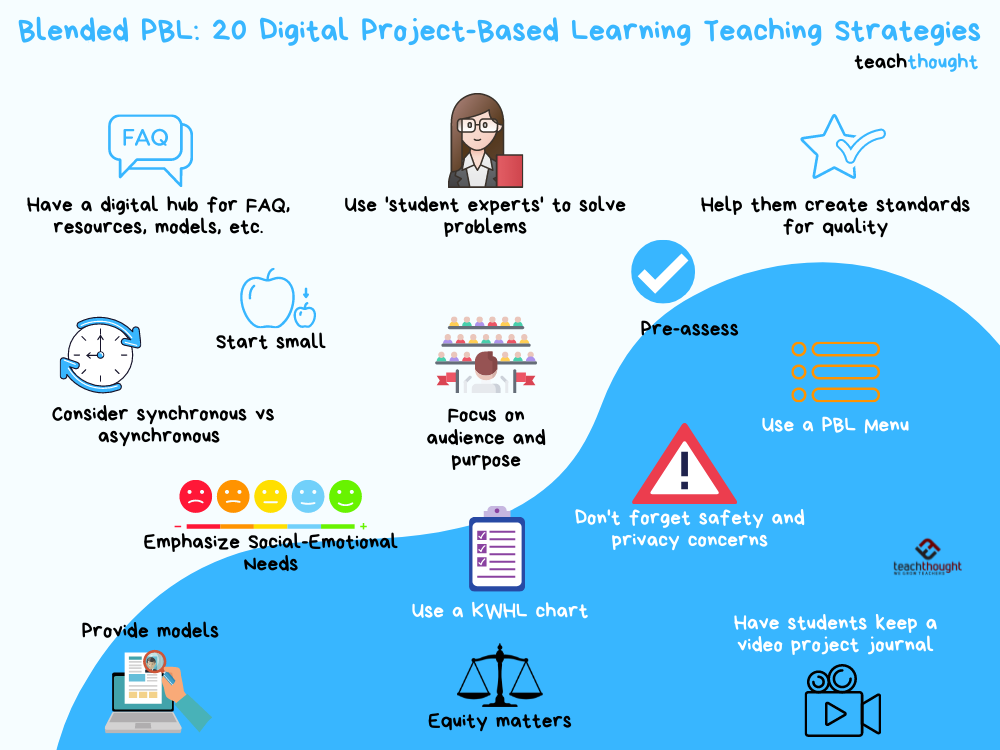
Consider flipping your teaching so students work on some parts of the project offline and use online time for coaching and support.
Interactive teaching strategies improve students’ communication skills, teamwork, critical thinking, problem solving, and decision-making.
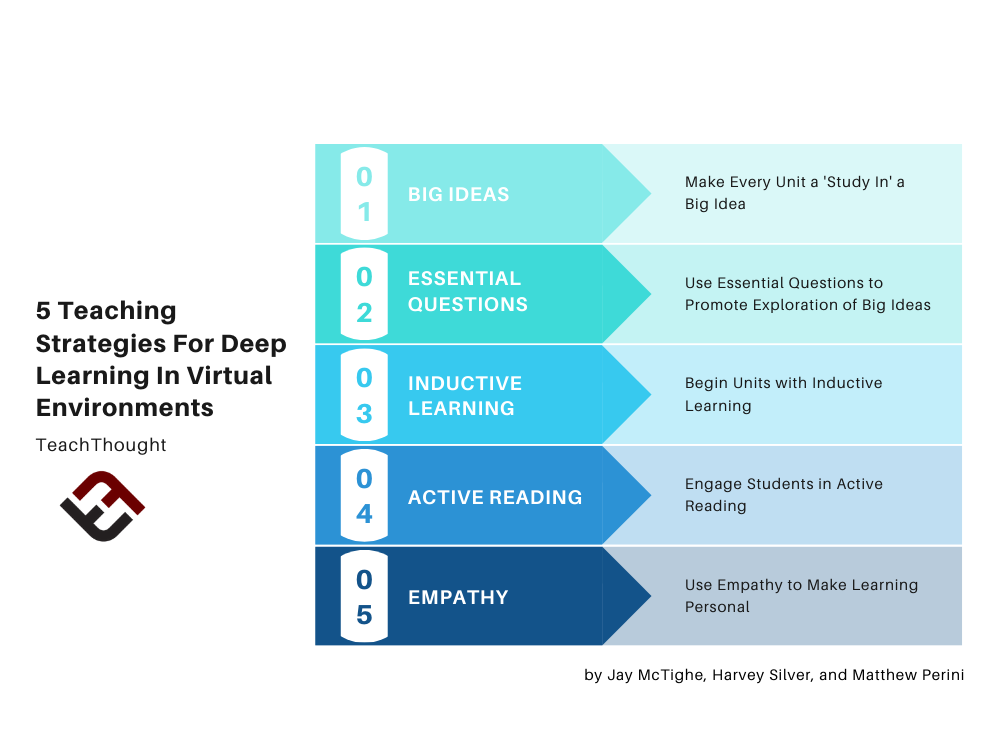
Here are 5 specific and practical strategies, along with associated tools, that promote deep learning in virtual and physical classrooms.
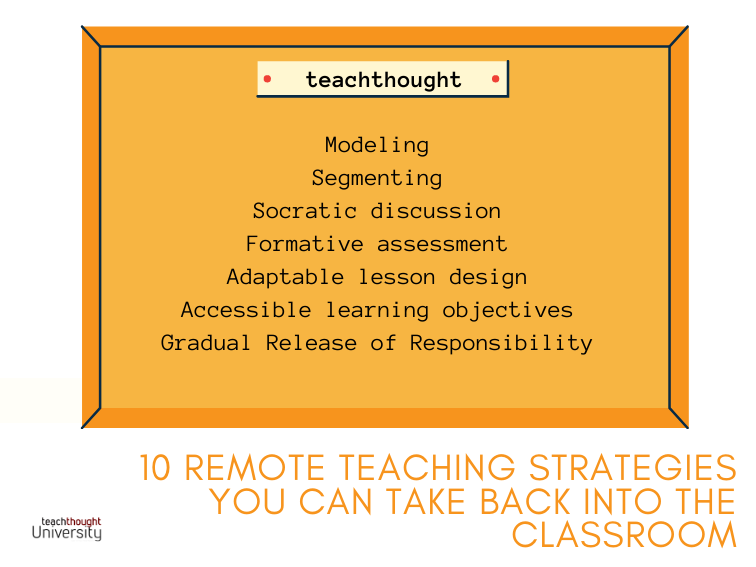
In a physical classroom, the beginning, middle, and end play important roles but with more flexibility and opportunities for collaboration.
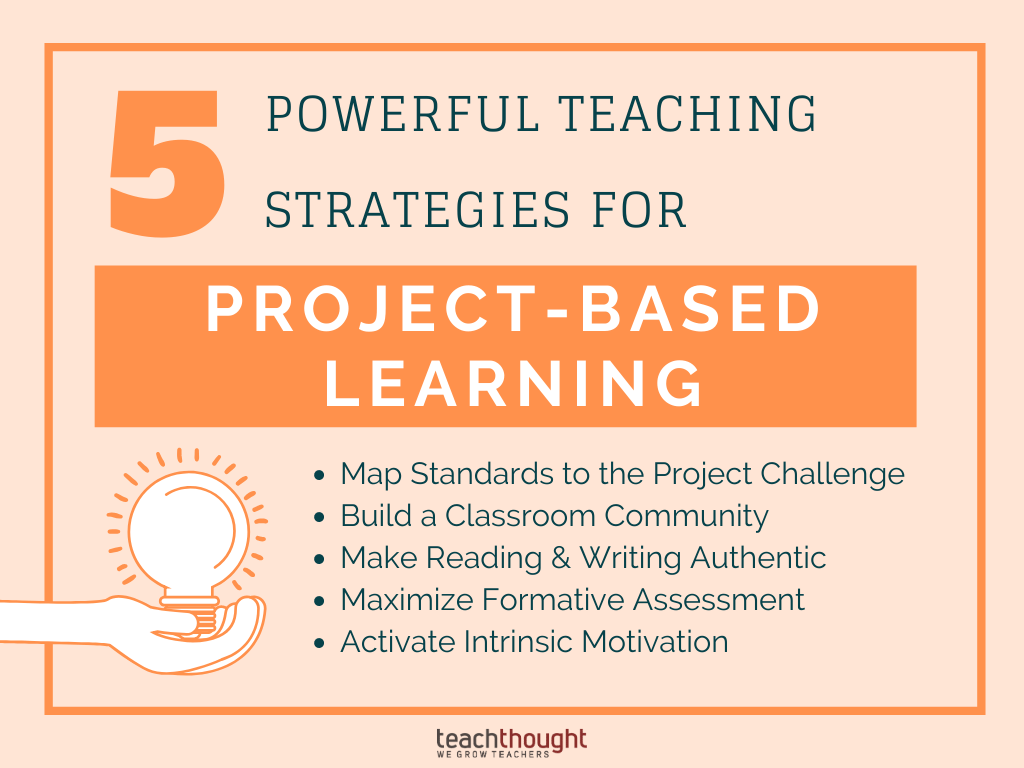
In project-based learning, passion and creativity are as critical to plan for as assessment and collaboration.
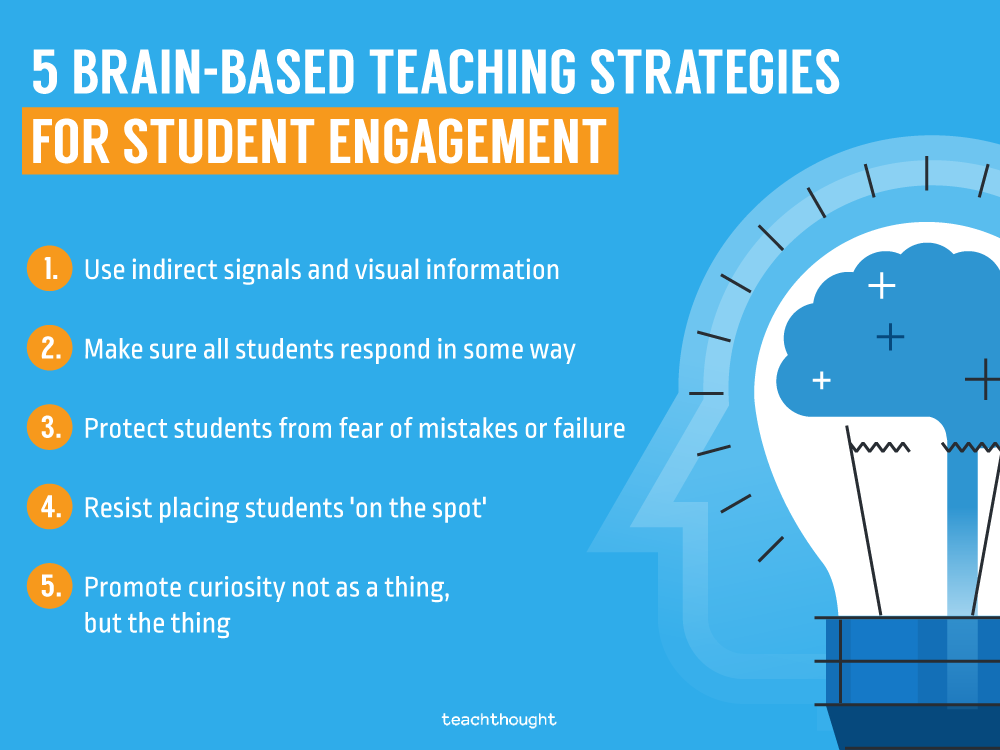
Brain-based teaching strategies include simply predicting and responding, which require the brain to actually engage.
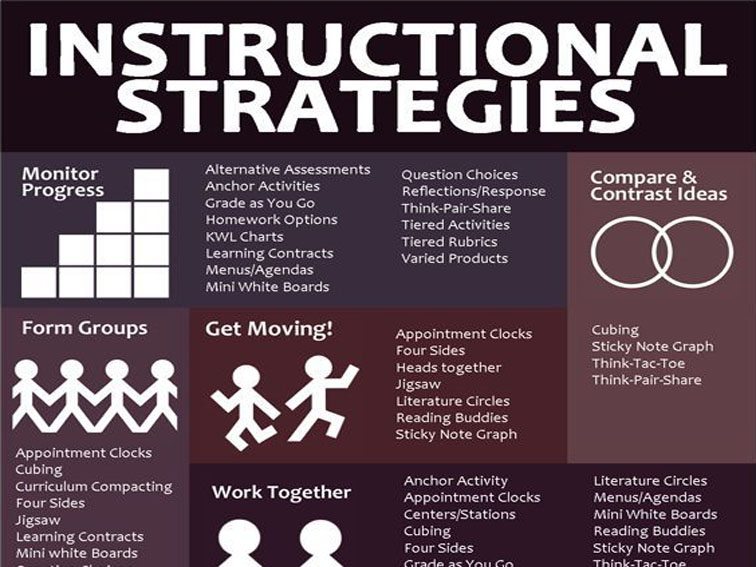
These 50+ strategies to jumpstart your teaching brain include literacy strategies, approaches to assessment, and grouping strategies.
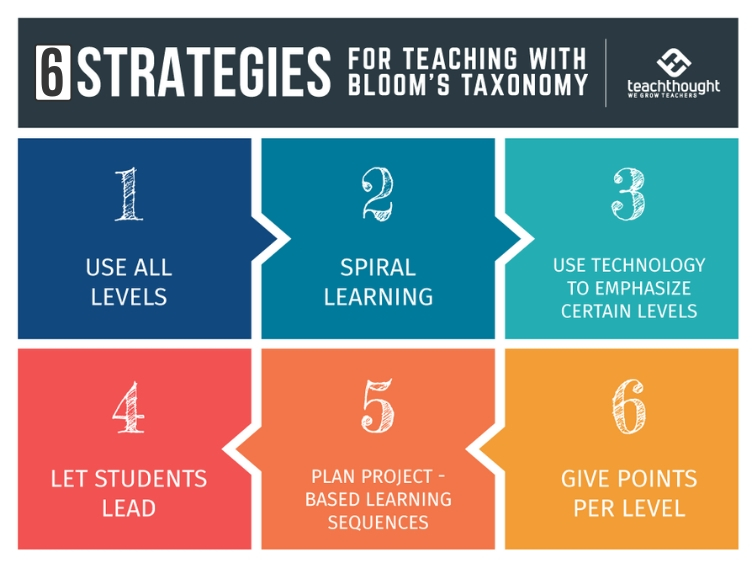
Bloom’s Spiraling is the process of starting first at lower levels of Bloom’s–recalling, defining, explaining, etc.–and then progressively increasing the level of thinking.
Social-Emotional Teaching is every bit as important as Social-Emotional Learning. Teaching matters and teachers matter
Teaching with AI: Research-Backed Strategies for Educators (K–20) Teaching with AI: Evidence, Challenges, and Research-Supported Practice Recent empirical work has begun to clarify both the promise and the limitations of generative artificial intelligence in education. Rather than treating AI as a novelty or threat, the research now allows educators to evaluate its effects on learning…
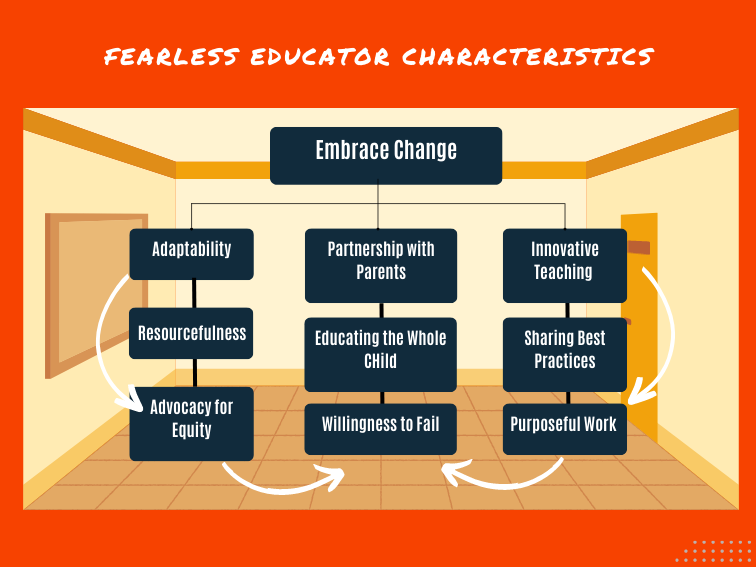
A teacher for change doesn’t focus on what resources they don’t have, but on what they do.