Why So Many Students Think They Dislike Reading
Reading is personal but we often focus on the mechanics instead of the people and the strategies instead of the living and breathing happening around us.


Reading is personal but we often focus on the mechanics instead of the people and the strategies instead of the living and breathing happening around us.
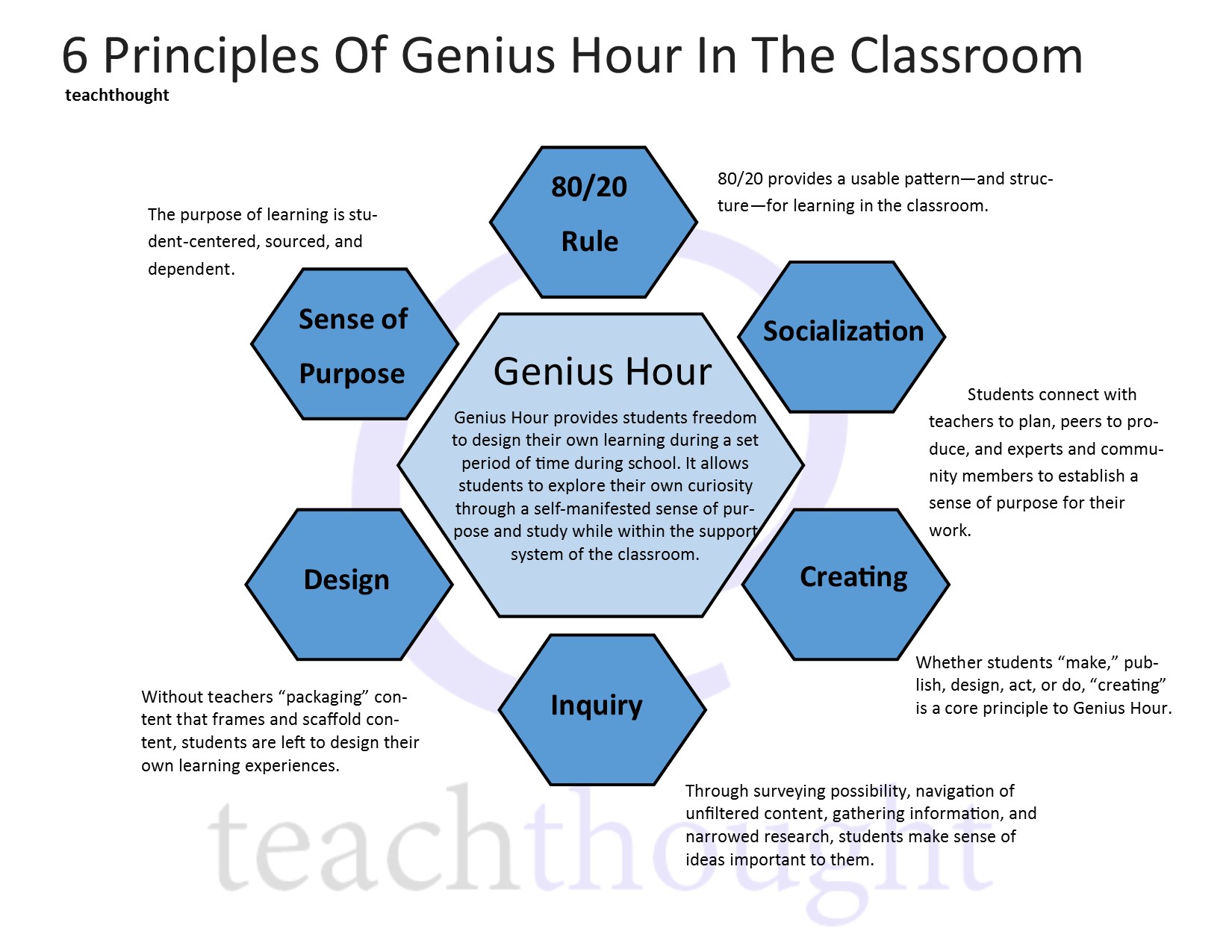
Genius Hour in the classroom is driven by curiosity. Critical principles include inquiry, purpose, socialization, and design.

Gamification can clarify not just success and failure but the nuance of student performance in every step of the learning process.

In a digital classroom, teachers can become worried that no ‘real learning’ is happening or that they’ve somehow failed to plan sufficiently.

Rub a needle with a magnet, float it on a leaf in water, and watch it align north-south. Explore magnetism and navigation!
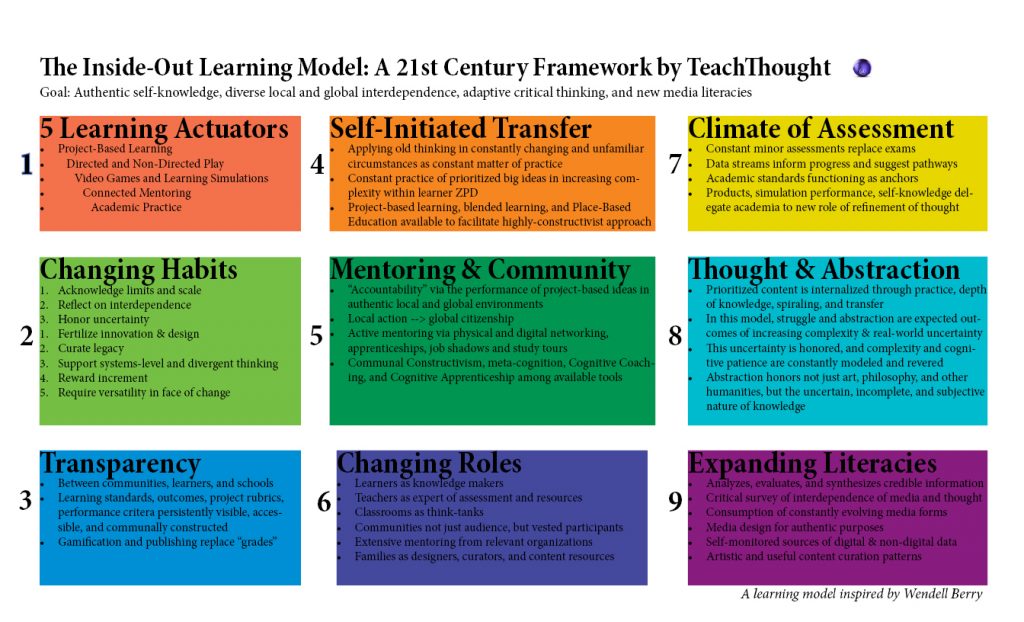
A micro-goal of the ‘Inside-Out’ School is a new kind of ‘intelligence’ where the macro-effect is healthier communities and citizenship.
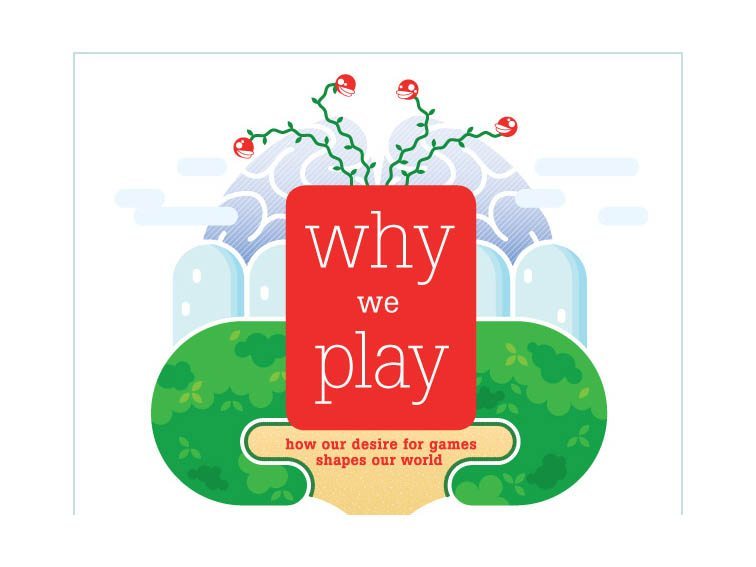
Ultimately, play offers three critical components for an engaged mind: independence, volition, and curiosity.

It’s never really over, and rather than maddening, this is indicative of a trend seemingly encouraged by the digital universe we all duck our heads into each day.

You are handed a classroom full of students who are excited to be back but not so enthusiastic to study. This is an opportunity!
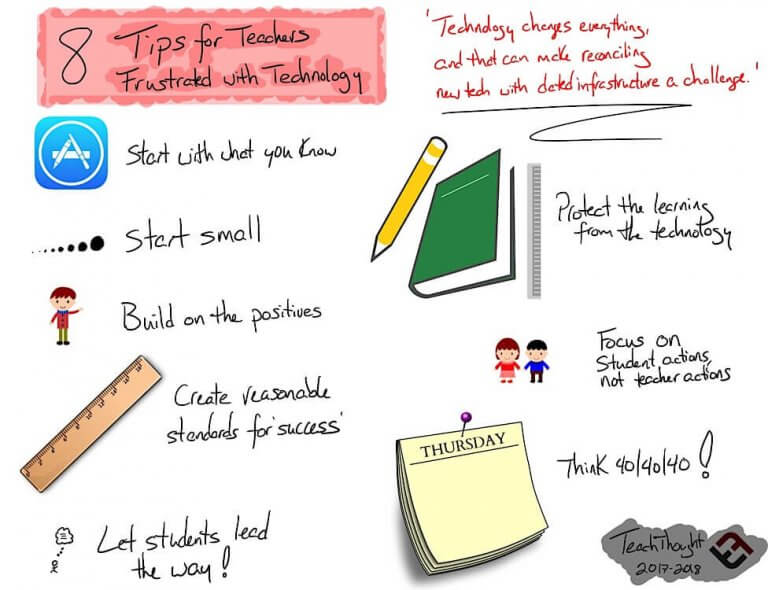
Integrating technology into teaching and learning is like adding electricity to architectural design: embedded from the beginning.

Some of the most popular trends in education include Social-Emotional Learning, blended learning, and sustainable teaching.
Twitter Hashtags: A Complete Guide What is a hashtag? A word or phrase preceded by a “#.” How do hashtags work? Twitter can be a busy place with lots of tweets–and thus lots of “noise.” A #hashtag is a way to aggregate tweets that are appended with a hashtag. Picture it like a magnet that attracts all…

From building trust and relationships to cultivating responsibility, here are 6 strategies for working with your most ‘difficult’ students.

The term ‘gamification’ first gained widespread usage in 2010 referring to incorporation of social/reward aspects of games into software.